Biographies

The Missionary Century 1800–1899

The lives behind the books — preachers, missionaries, and writers whose words still speak.

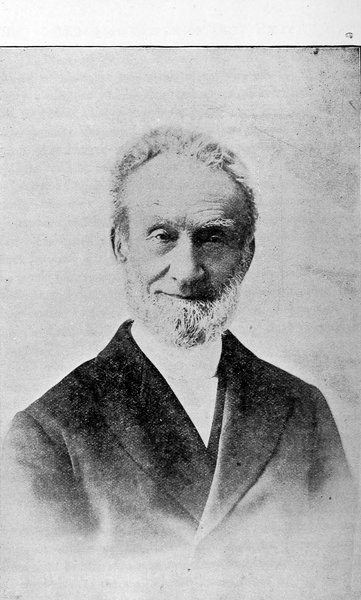
George Müller (1805–1898) was a Prussian-born evangelist who, after a dissolute youth that included theft and a spell in prison, was converted at a prayer meeting in Halle in 1825 and gave his life to living by faith. Settling in Bristol, he founded the Ashley Down orphanages, where he housed and fed more than ten thousand orphans over his lifetime without ever once asking a human being for money — relying on prayer alone and keeping meticulous records of the answers. His aim was to leave the world a visible proof that God still hears prayer; he preached across forty-two countries into his eighties and died at his orphanage in 1898.
Read full biography →

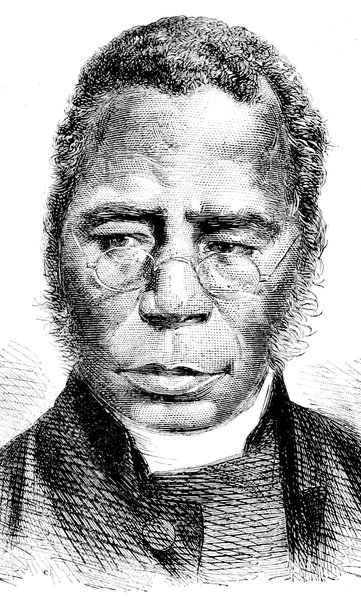
Samuel Ajayi Crowther (c. 1809–1891) was a Yoruba boy from Osogun captured in a slave raid in 1821, rescued by the Royal Navy from a slave ship and landed at Freetown, Sierra Leone, where he was baptized in 1825. Educated by the Church Missionary Society, he became the first African ordained in the Anglican Church (priest, 1843) and, in 1864, its first African bishop. He translated the entire Bible and the Book of Common Prayer into Yoruba, and bore with humility the undermining of his mission by younger European missionaries in his last years. He died at Lagos on 31 December 1891.
Andrew Murray Jr., born in 1828 in South Africa, served as a minister and theologian, influencing many through his teachings on prayer. He established educational institutions, authored over 240 works, and profoundly impacted Christian thought until his death in 1917. His books on deeper spiritual life continue to guide believers worldwide. Murray emphasized humility, absolute surrender to God, and the indwelling Christ. His classic works remain essential reading for Christians seeking deeper spiritual maturity.

Read full biography →

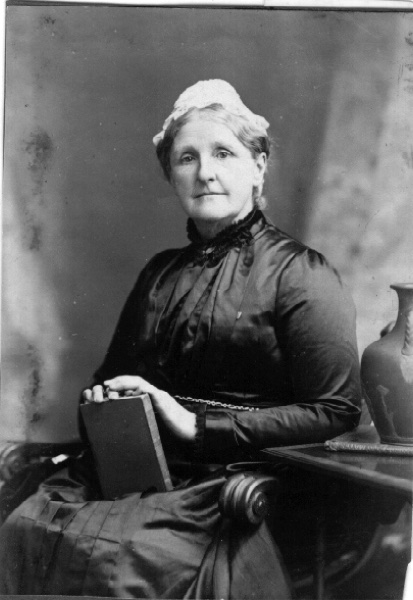
Catherine Booth, born in 1829 in Ashbourne, Derbyshire, England, was co-founder of The Salvation Army alongside her husband William Booth. A powerful preacher and advocate for women's rights, she challenged Victorian conventions by preaching publicly and advocating for women's ministry. Catherine authored "Female Ministry: Women's Right to Preach" and was instrumental in shaping The Salvation Army's theology and social programs. Her passionate preaching and compassionate heart for the poor made her a beloved figure.
Read full biography →

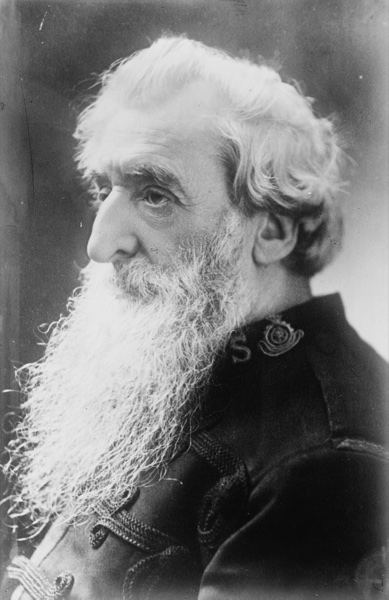
William Booth, born in 1829 in Nottingham, England, was the founder of The Salvation Army. Originally a Methodist minister, he felt called to serve the urban poor and began his ministry in London's East End. In 1865, he established the Christian Mission, which later became The Salvation Army in 1878. Booth and his wife Catherine pioneered innovative approaches to evangelism and social welfare, establishing shelters, rehabilitation centers, and soup kitchens.

Read full biography →

Hannah Whitall Smith, born in 1832 in Philadelphia, was a prominent Quaker speaker and writer during the Holiness movement. Her influential book "The Christian's Secret of a Happy Life" became a classic of Christian devotional literature. Despite personal tragedies, she maintained a vibrant faith that influenced generations of believers until her death in 1911. Her teachings emphasized the victorious Christian life through faith. Smith's message of consecration revolutionized Christian thinking, presenting sanctification as resting in Christ's completed work.

Read full biography →

James Hudson Taylor (1832–1905) was an English missionary to China and founder of the China Inland Mission. Converted at seventeen while his mother prayed for him miles away, he gave his life to reaching China's unreached inland provinces, pioneering a faith-mission that took no debt and solicited no funds but told every need to God in prayer. Through immense fruit and immense loss — the deaths of his children, both wives, and dozens of his missionaries in the 1900 Boxer Uprising — he became a byword for trusting God absolutely, and his mission continues today as OMF International.

Read full biography →

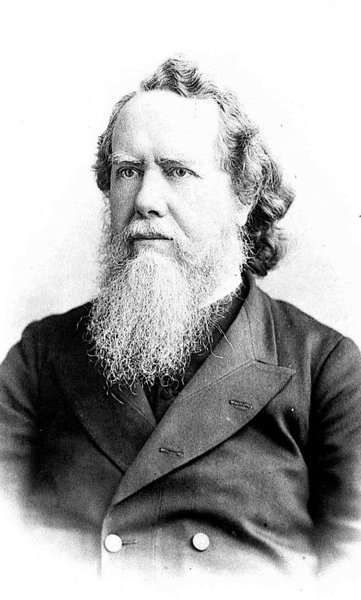
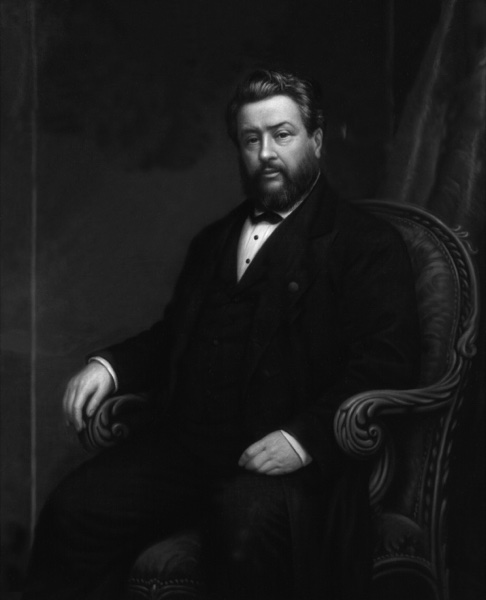
Charles Haddon Spurgeon, born in 1834 in Kelvedon, Essex, England, became known as the "Prince of Preachers." Converted at age 15, he began preaching at 16 and by age 20 became pastor of London's New Park Street Chapel, later the Metropolitan Tabernacle. Spurgeon authored over 3,500 sermons, numerous books, and founded a pastors' college, orphanage, and various Christian ministries. Despite battling depression and illness, he maintained a prolific ministry until his death in 1892. His biblical expository preaching and literary works continue to influence Christians worldwide.

Read full biography →
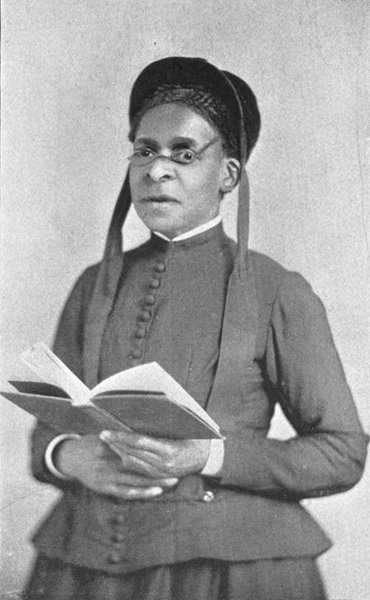
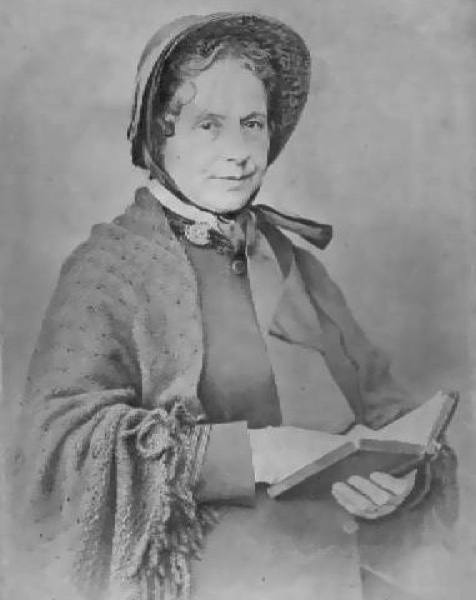
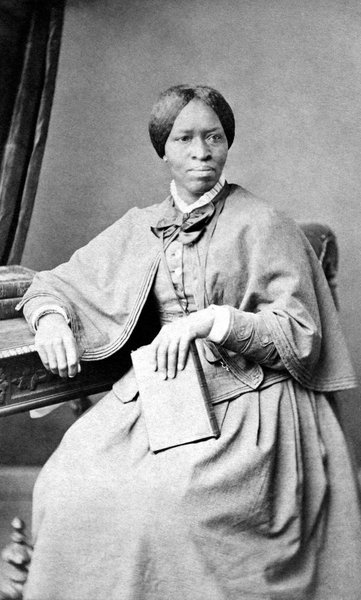
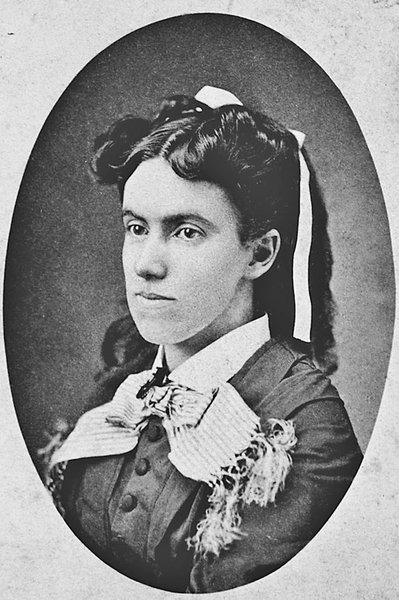
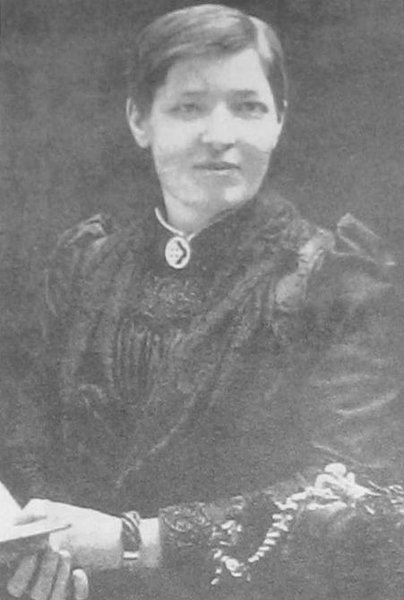
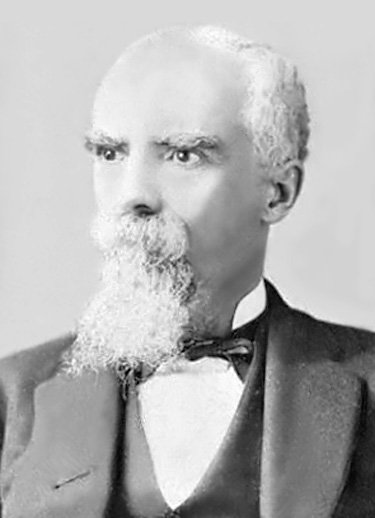
Portrait of Amanda Berry Smith

Amanda Berry Smith (1837–1915) was an African-American holiness evangelist who was born into slavery in Maryland and freed when her father bought his family's liberty. A washerwoman by trade, she became one of the most widely traveled preachers of the Wesleyan-Holiness movement, ministering across the United States, Britain, India, and for eight years in West Africa as an independent missionary. Widowed twice and having buried four of her five children, she later founded one of Illinois's first orphanages for Black children and died in Sebring, Florida.

Dwight Lyman Moody, born in 1837 in Northfield, Massachusetts, rose from a fatherless farm boyhood and a Boston shoe store to become the best-known evangelist of the nineteenth century, preaching to as many as a hundred million people across America and Britain. Never ordained and barely schooled, he founded the Northfield schools, the Moody Bible Institute, and a colportage work that put good Christian books within everyone's reach. His plain, warm gospel addresses — marked by the love of God and an urgent call to decide for Christ — are still read around the world.

Read full biography →

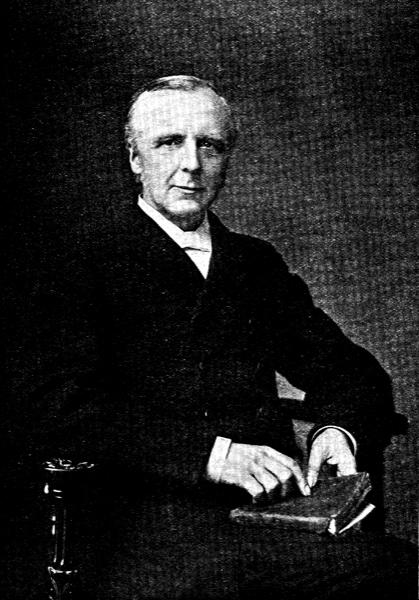
Frederick Brotherton Meyer was born on April 8, 1847, in Clapham, London, to Frederick Meyer, a business owner, and his wife, Ann. Raised in a deeply religious household that cherished the authority of Scripture, Meyer became a prominent Baptist pastor, teacher, and evangelist, based primarily in London. He was known for his expository preaching and devotional writings. Meyer pastored several prominent churches including Christ Church in London and Melbourne's Collins Street Baptist Church.

Read full biography →

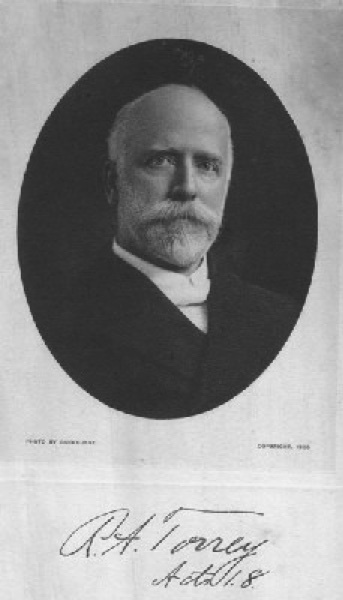
Reuben Archer Torrey (1856–1928) was an American evangelist, pastor and teacher who came to faith at Yale on a night he had resolved to take his own life. D. L. Moody made him the first superintendent of the Moody Bible Institute and he pastored the Chicago Avenue Church, later serving as first dean of the Bible Institute of Los Angeles. With Charles Alexander he preached to millions across Australia, Asia and the British Isles between 1902 and 1905 — a tour he attributed to a Saturday-night prayer meeting. He wrote more than forty books, chiefly on prayer and the Holy Spirit.

Read full biography →

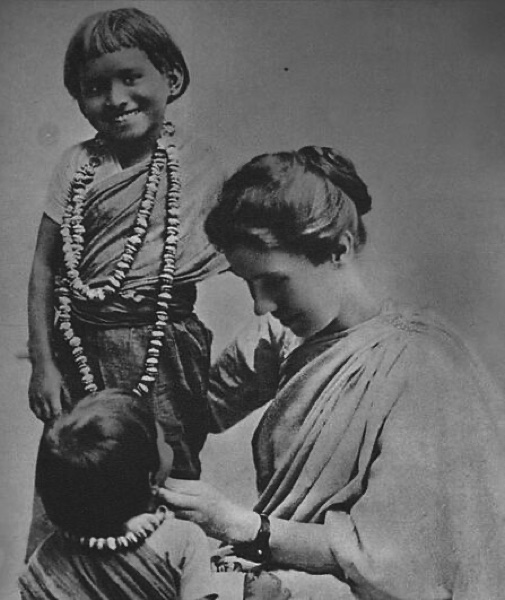
Amy Beatrice Carmichael, born in 1867 in Millisle, Ireland, was a Protestant missionary in India. She served for 55 years without furlough, founding the Dohnavur Fellowship to rescue children from temple prostitution. Known for her deep devotion and writings on prayer, she authored 35 books and remained in India until her death in 1951. Her work continues through the ongoing ministry she established. Carmichael's life demonstrated radical obedience to Christ's call and cultural adaptation.

Read full biography →
SN

Simeon Nsibambi 1897–1978 Full life

View biography →

Simeon Nsibambi (1897–1978) was an educated, prosperous Muganda health officer in Kampala whose spiritual hunger drove a pivotal September 1929 meeting with the missionary doctor Joe Church at Namirembe. Their weekend of Bible study and prayer over the fullness of the Spirit helped ignite the East African Revival (the Balokole, “saved ones”). Nsibambi gave up his government post for a life of prayer and personal evangelism, becoming, in many accounts, a father of a movement that reshaped East African Christianity and produced leaders like Festo Kivengere and Janani Luwum.