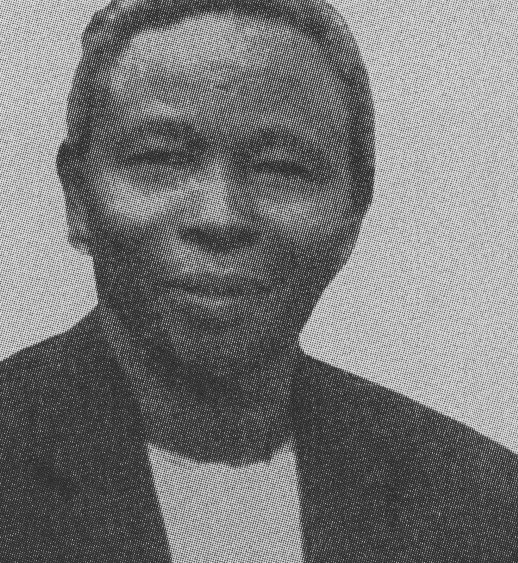
Biography
- 1897 Born
- 1929 Revival
- 1978 Died
There can be nothing to stop a real outpouring of the Holy Spirit in Rwanda now except our own lack of sanctification.
Some of the great awakenings of the church began in cathedrals or crowded revival tents. One of the largest began on a quiet hill in Kampala, over an open Bible, between two men who were tired of being respectable Christians and hungry to be holy ones. Simeon Nsibambi was one of those two men. He was a Muganda of standing — educated, decorated, prosperous, a leader in his people's church — and by every outward measure he had arrived. Yet he carried within him a restlessness that no promotion could quiet, a sense that there was something more of God to be had than he had yet found. When at last he found it, the fire that was lit in him spread across half a continent.
A respected man with a divided heart
Nsibambi was born in 1897 into a prominent Buganda family; his father was a chief among a people who had embraced the Christian faith with remarkable speed a generation before. He was well schooled for his day, studying at Mengo High School and at King's College, Budo, the training ground of Buganda's leaders. During the First World War he served in the African Native Medical Corps and was decorated for distinguished service. Afterward he rose into the government of the Buganda kingdom as a health officer — a sanitation inspector responsible for the wellbeing of Kampala, respected in the streets he walked, secure in salary and in name.
He was also, by the 1920s, a baptised and believing Christian, a member of the Anglican Church of Uganda that the pioneer missionaries and the Baganda martyrs had watered with their blood. But Nsibambi was not content, and his discontent was the holy kind. He looked at himself and at the church around him and saw a faith that was correct but cool, a religion of forms that lacked fire. He had the outward marks of a Christian and the inward hunger of a man who knows he is missing the heart of it. That hunger would not leave him alone.
The weekend on Namirembe Hill
In September 1929 God answered that prayer through a weary Englishman. Dr. Joe Church was a medical missionary of the Ruanda Mission, running the hospital at Gahini, and he too had come to the end of himself — spiritually dry, discouraged, and taking a few days away in Kampala to recover. He was staying on Namirembe Hill, whose name means full of peace, and on the Sunday he climbed to the great cathedral. There the two men met. Nsibambi, sensing in this tired doctor a fellow seeker, pressed him with the question that had been burning in his own chest: what was missing — in the church of Uganda, and in himself?
Church knew the answer, or at least the direction of it, from the "victorious life" teaching he had drunk in at the Keswick conventions of England. He began to speak to Nsibambi of the fullness of the Holy Spirit and of a Christian life lived in victory rather than defeat. The two men could not let the conversation go. Over that weekend — the account remembers it as roughly two days — they sat together with the Bible open, poring over the Scripture and the Scofield notes on the filling of the Spirit, and they prayed. They prayed to lay down every known sin, to be filled, to hold nothing back. It was not a lecture; it was two hungry men coming empty to God together and being filled.
There can be nothing to stop a real outpouring of the Holy Spirit in Rwanda now except our own lack of sanctification.
— Dr. Joe Church, writing of the meeting with Nsibambi
Church went back to Gahini, as those who tell the story put it, in the power of Pentecost. But the deeper change was in Nsibambi, and he did not go quietly back to his old life. He had touched the thing he had ached for all along, and he could not now hold it in.
The man who could not stop asking about souls
Nsibambi's transformation was total and, to his respectable neighbours, alarming. He gave up his government post and the security it carried, and gave himself wholly to prayer and to preaching. He took his stand on Namirembe Hill and on the street corners near the cathedral, calling men and women to brokenness, confession, and new life. He led his own younger brother, Blasio Kigozi, to a living faith; Kigozi joined Joe Church at Gahini and became a burning evangelist in his own right before his early death in 1936, and it was Nsibambi who buried him on Cathedral Hill.
Above all, Nsibambi became a man who could not meet a stranger without asking after his soul. He stopped people on the road, in the market, at the gate, and asked them plainly whether they were saved — the kind of buttonhole evangelism that embarrasses the polite and rescues the lost. Not everyone approved. When Joe Church returned to Kampala some months later, an indignant missionary confronted him about what his friend had unleashed:
Oh, he's gone mad and is going round everywhere asking people if they are saved. He's just left my gardener.
— A missionary in Kampala, recounted in the histories of the Revival
It was not madness. It was a man who had finally believed his own gospel. What his critics called excess, the movement he helped birth would call normal Christianity — the natural overflow of a heart that has been genuinely filled. Historians of the awakening have called him, without exaggeration, in many ways the father of the whole Balokole movement — the movement of the balokole, the "saved ones," whose watchword became the sweet Luganda hymn Tukutendereza Yesu, "We praise You, Jesus."
A hidden man of prayer
Around 1941 Nsibambi's health failed. Joe Church described the illness only as a "weakness," and from then on Nsibambi lived increasingly withdrawn, confined much of the time to his home near Namirembe Cathedral. For the leader of a great revival it might have seemed a cruel silencing. It was nothing of the kind. The man who had once stopped strangers in the street now became a fountain of intercession, receiving those who came to him, praying over the movement he had helped to start, holding up in prayer the very leaders whose names would go around the world.
There is something fitting in it. The Revival Nsibambi lit was never chiefly about platforms and crowds; it was about repentance, confession, the "walking in the light" of open honesty before God and one another, and above all prayer. That the man remembered as its father should spend his last decades largely unseen, on his knees, is not a tragedy but a parable. He had already given the movement the only thing that mattered — its hunger for holiness and its habit of prayer — and he went on giving it from the hidden place until the end. He died in 1978, an old man and, in the truest sense, a patriarch.
The fire that outlived him
It is hard to overstate what came out of that weekend on Namirembe Hill. The East African Revival that Nsibambi and Church helped ignite swept through the Anglican and Protestant churches of the region for the better part of the twentieth century, breaking down barriers of tribe and race, filling churches with converts, and producing a generation of Christian leaders of extraordinary quality. Among the balokole shaped by the movement were men whose names the whole church would come to honour — Archbishop Erica Sabiti; Bishop Festo Kivengere, the evangelist who preached alongside Billy Graham and answered Idi Amin's terror with a book titled I Love Idi Amin; and Archbishop Janani Luwum, martyred in 1977 for standing against tyranny, dying, as he said, for Uganda and for Christ.
Nsibambi wrote no famous books and left few recorded words of his own. What he left instead was a fire and a family of the faithful. He was a prosperous man who chose to be poor for Christ, a respected officer who was willing to be thought mad, an educated leader who wanted nothing so much as to be holy. He teaches the church a lesson it perpetually forgets: that revival begins not in strategy but in surrender, not in crowds but in a couple of hungry believers who will not get up from their knees until God fills them. From one such surrender, on a hill called full of peace, the peace of God went out to a continent.
Books about Simeon Nsibambi (1)

Also appears in


Articles about Simeon Nsibambi (1)
Questions and Answers
Who was Simeon Nsibambi?
He was born in 1897 into a prominent Buganda family, well schooled at Mengo High School and King's College, Budo, and decorated for distinguished service in the African Native Medical Corps during the First World War. Afterward he rose in the government of the Buganda kingdom as a health officer in Kampala, respected and secure, and was a baptised member of the Anglican Church of Uganda. Historians remember him as, in many ways, the father of the whole Balokole movement.
What was the "holy discontent" that drove him?
By every outward measure Nsibambi had arrived — educated, prosperous, a leader in his people's church — yet he carried a restlessness no promotion could quiet. He looked at himself and at the church around him and saw a faith that was correct but cool, a religion of forms that lacked fire. He had the outward marks of a Christian and the inward hunger of a man who knows he is missing the heart of it, and his prayer was the oldest prayer of the awakened soul: there must be something more; give it to me.
What happened on Namirembe Hill in September 1929?
On a Sunday he met Dr. Joe Church, a weary medical missionary resting in Kampala, at the great cathedral, and pressed him with the question burning in his own chest: what was missing, in the church and in himself? Over that weekend the two men sat together with the Bible open, poring over the Scriptures and the Scofield notes on the filling of the Spirit, and prayed to lay down every known sin and be filled. It was not a lecture but two hungry men coming empty to God together and being filled.
Who was Joe Church, and what did he bring?
Joe Church was a medical missionary of the Ruanda Mission, running the hospital at Gahini, who had himself come to the end of his strength — spiritually dry and discouraged — and had taken a few days in Kampala to recover. From the "victorious life" teaching he had drunk in at the Keswick conventions, he spoke to Nsibambi of the fullness of the Holy Spirit and a Christian life lived in victory rather than defeat, and went back to Gahini, as the story puts it, in the power of Pentecost.
How did his own life change after that weekend?
The transformation was total, and to his respectable neighbours alarming. He gave up his government post and the security it carried and gave himself wholly to prayer and to preaching, taking his stand on Namirembe Hill and on the street corners near the cathedral, calling men and women to brokenness, confession and new life. He had touched the thing he had ached for all along, and he could not now hold it in.
What was his evangelism like?
He became a man who could not meet a stranger without asking after his soul, stopping people on the road, in the market and at the gate to ask them plainly whether they were saved — the kind of buttonhole evangelism that embarrasses the polite and rescues the lost. When Joe Church returned to Kampala, an indignant missionary complained, "Oh, he's gone mad and is going round everywhere asking people if they are saved. He's just left my gardener." It was not madness, but a man who had finally believed his own gospel.
What was his part in the wider East African Revival?
From that single weekend of surrender the fire ran outward — into Rwanda, Uganda, and in time across Kenya, Tanzania and Burundi — until an awakening now remembered as the East African Revival had touched millions. Its people were the balokole, the "saved ones," whose watchword became the Luganda hymn "Tukutendereza Yesu," "We praise You, Jesus." Among the leaders it produced were Archbishop Erica Sabiti, Bishop Festo Kivengere, and the martyred Archbishop Janani Luwum.
How was he tied to Blasio Kigozi?
Nsibambi led his own younger brother, Blasio Kigozi, to a living faith. Kigozi joined Joe Church at Gahini and became a burning evangelist in his own right before his early death in 1936, and it was Nsibambi who buried him on Cathedral Hill. It was one instance of a wider pattern: the fire lit in him spread first to those nearest, and then far beyond.
What marked his later years?
Around 1941 his health failed, and from then on he lived increasingly withdrawn, confined much of the time to his home near Namirembe Cathedral. For the leader of a great revival it might have seemed a cruel silencing, but the man who had once stopped strangers in the street became a fountain of intercession — receiving those who came to him and holding up in prayer the very leaders whose names would go around the world. He died in 1978, an old man and, in the truest sense, a patriarch.
What does his life teach the church?
He teaches a lesson the church perpetually forgets: that revival begins not in strategy but in surrender, not in crowds but in a couple of hungry believers who will not get up from their knees until God fills them. A prosperous man who chose to be poor for Christ, a respected officer willing to be thought mad, he wanted nothing so much as to be holy — and from one such surrender, on a hill whose name means "full of peace," the peace of God went out to a continent.
Portrait: From H. H. Osborn, Pioneers in the East African Revival, via Beautiful Feet