- 13 chapters
- 2 hr 56 min read
- Accessible Reading difficulty
Free to read·No account needed
God Shapes the World by Prayer
Taking books where there’s no signal? See Ochorus for missionaries or chaplains
Reader’s guide
About this book
Thirteen unnamed chapters, each opening with the words of a praying man — Gilmour of Mongolia, Brother Lawrence, Fletcher of Madeley — and then Bounds pressing one point: that prayer is work, and the feeling that a man at prayer is doing nothing is the lie that empties the closet. He argues from Scripture and from the lives of men who prayed long, for a praying that keeps asking. The most quotable of his books, and the least systematic.
My Creed leads me to think that prayer is efficacious, and surely a day’s asking God to overrule all events for good is not lost. Still there is a great feeling that when a man is praying he’s doing nothing, and this feeling makes us give undue importance to work, sometimes even to the hurrying over or even to the neglect of prayer.
Contents
- 1 God Shapes the World by Prayer 5 min
- 2 Prayer Changes the Purpose of God 10 min
- 3 We Have Not Because We Ask Not 12 min
- 4 Men Who Prayed with a Purpose 17 min
- 5 Prayer Is a Trade to Be Learned 8 min
- 6 Pray and Never Faint 12 min
- 7 Men Ought Always to Pray 14 min
- 8 Put the Men to Praying 21 min
- 9 Reaching the Ear of God 12 min
- 10 Prayerless Praying 20 min
- 11 The Prayer of Faith Never Fails 26 min
- 12 Revivals Are Born in Prayer 14 min
- 13 Christ Our Example in Prayer 6 min
Questions and Answers
What is Purpose in Prayer about?
It is E. M. Bounds's argument that prayer is work — deliberate, purposeful labour, not a passive mood. Across thirteen chapters, each opening with the words of a praying man such as Gilmour of Mongolia, Brother Lawrence, or Fletcher of Madeley, Bounds presses one point: that the feeling that a man at prayer is doing nothing is a lie, and that intercession is among the hardest and most important work a Christian can do.
What is the book's central claim?
That prayer must be pursued with purpose — with intention, resolve, and effort — rather than left to chance or feeling. Bounds contends that great praying, like great work, is deliberate; it is planned for, given time, and pressed with the whole will. The Christians who accomplish much in prayer are those who set themselves to it on purpose, not those who pray only when moved.
Why does Bounds insist that prayer is work?
Because he wants to overturn the notion that the person at prayer is idle. Prayer, he argues, is real labour — demanding, costly, and effective — the hidden toil behind all fruitful Christian service. To treat it as easy or optional is to misunderstand it; Bounds sets it among the most strenuous and consequential things a believer ever does.
Why does each chapter open with a praying man?
Because Bounds teaches by example as much as by argument. By prefacing each chapter with the words or witness of a noted man of prayer — a missionary, a mystic, a saint — he grounds his case in lives that proved it, showing that those who accomplished most for God were those who gave themselves to purposeful prayer.
What does the book say about persistence?
That purposeful prayer is persevering prayer — that a settled purpose keeps a believer praying through delay, dryness, and discouragement until the answer comes. Bounds ties purpose to importunity: the one who has resolved to pray does not give up easily, but presses on with intention, and it is such steady, deliberate praying that prevails.
Who was E. M. Bounds?
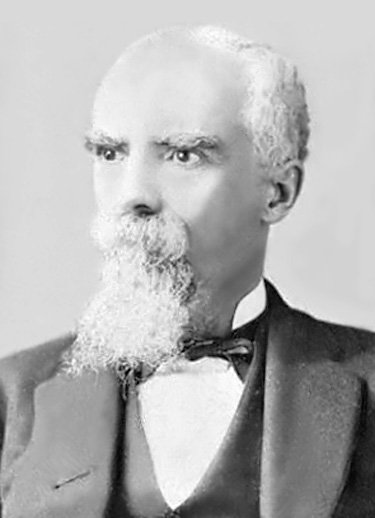
An American Methodist pastor who rose before dawn to pray and devoted his pen to the subject for the rest of his life. His prayer books, largely published posthumously, are among the most influential ever written on intercession, and Purpose in Prayer is his sustained call to take prayer up as serious, deliberate work.
Who is this book for?
For the Christian whose prayer life is fitful and unplanned, and who suspects that little comes of it. Bounds writes to summon such a reader to purpose — to make prayer a settled aim rather than an occasional impulse — and to convince them that this hidden work is worth the whole of their resolve.
Where should a reader begin?
At the beginning and through the chapters in order, letting the witnesses that open each one reinforce the argument. Short and bracing, the book is meant to move the reader from vague intention to settled purpose, so it is best read as a summons to act — and then acted on in a deliberate life of prayer.
Read in your language
More like this


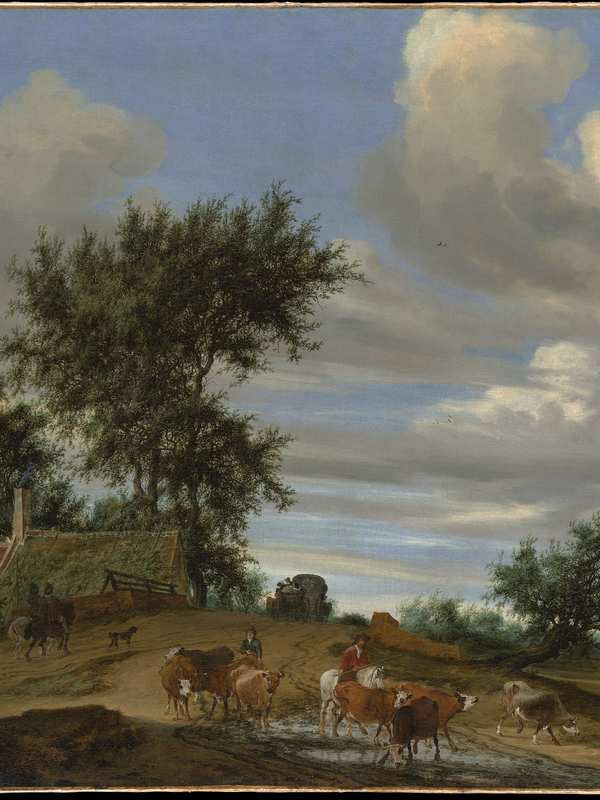
Salomon van Ruysdael, “A Country Road” (1648). The Metropolitan Museum of Art, Open Access.
Cite this book
Copy a citation in the style you need.
- MLA
- Bounds, E. M. Purpose in Prayer. 1920. Ochorus, https://ochorus.com/books/purpose-in-prayer/.
- Chicago
- Bounds, E. M. Purpose in Prayer. 1920. Reprint, Ochorus. https://ochorus.com/books/purpose-in-prayer/.
- Chicago footnote
- E. M. Bounds, Purpose in Prayer (1920; repr., Ochorus), https://ochorus.com/books/purpose-in-prayer/.
- BibTeX
- @book{bounds1920purpose, author = {Bounds, E. M.}, title = {{Purpose in Prayer}}, year = {1920}, publisher = {Ochorus}, url = {https://ochorus.com/books/purpose-in-prayer/} }