Book
The Way to God
And How to Find It
Other titles: The Way to God and How to Find It
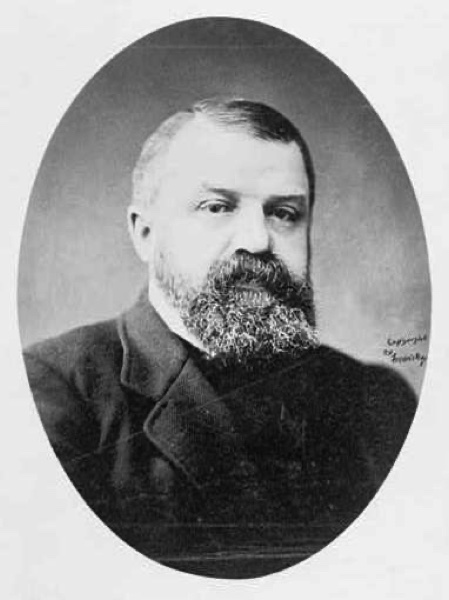
Dwight L. Moody · 1837–1899
- 9 chapters
- 3 hr 26 min read
- Accessible Reading difficulty
Free to read·No account needed
Love That Passeth Knowledge
Taking books where there’s no signal? See Ochorus for missionaries or chaplains
Grow with the story

Reader’s guide
About this book
D. L. Moody’s simple, earnest presentation of the way of salvation. Beginning with the love of God that passes knowledge, he leads the reader through the gateway of the new birth, repentance, and the assurance of salvation, with words of counsel for young believers and a warning against backsliding. Direct and unadorned, it presses one question: have you entered in?
If I could only make men understand the real meaning of the words of the apostle John—“God is love,” I would take that single text, and would go up and down the world proclaiming this glorious truth. If you can convince a man that you love him you have won his heart.
Contents
Questions and Answers
What is The Way to God about?
It is D. L. Moody's plain, earnest presentation of the way of salvation. Beginning with the love of God that passes knowledge, he leads the reader through the new birth, repentance, and the assurance of salvation, in the simple, direct language for which his preaching was famous. It is a gospel primer from one of the great evangelists of the nineteenth century.
Who was D. L. Moody?
Dwight Lyman Moody was an American evangelist of the later nineteenth century, a former shoe salesman with little formal education who became one of the most influential preachers of his age, holding great evangelistic campaigns in America and Britain. His strength was plainness and earnestness, and this book carries the same directness onto the page.
Where does the book begin?
With the love of God. Moody deliberately starts not with sin or fear but with the love that God has toward sinners, which he calls a love that passes knowledge. He believed that people are drawn to God more by his love than driven by his wrath, and he builds his whole presentation of salvation on that foundation.
What does Moody teach about the new birth?
That it is essential and personal — that a man must be born again, born from above by the Spirit of God, and that nothing less than this inward renewal makes a Christian. Moody presses that regeneration is not reform, church membership, or good resolutions, but a new life given by God, and he explains it in terms an ordinary reader can grasp.
Does the book deal with assurance of salvation?
Yes — Moody devotes real attention to how a believer may know they are saved, resting it not on feelings but on the promises of God's word. He was concerned that many trusted Christ yet lived without settled confidence, and he wanted his readers to have the plain assurance that Scripture offers to those who believe.
Who is the book written for?
For seekers and new believers above all — anyone wanting to understand, simply and clearly, how to be saved and how to be sure of it. Moody wrote for the plain person, not the scholar, and the book has long been used both by those coming to faith and by Christians helping others toward it.
What is Moody's style?
Direct, warm, and full of illustration. Moody preached in stories and homely examples, and the book reads the same way — short on abstraction, long on plain application, always pressing the reader toward a decision. It aims not to inform but to bring the reader to Christ.
Where should a reader begin?
At the opening chapter on the love of God, and straight on through the new birth, repentance, and assurance. The book is short and ordered as a path, meant to be followed from God's love to the reader's own step of faith and settled confidence — ideal for a seeker or a young believer.
Read in your language
More like this

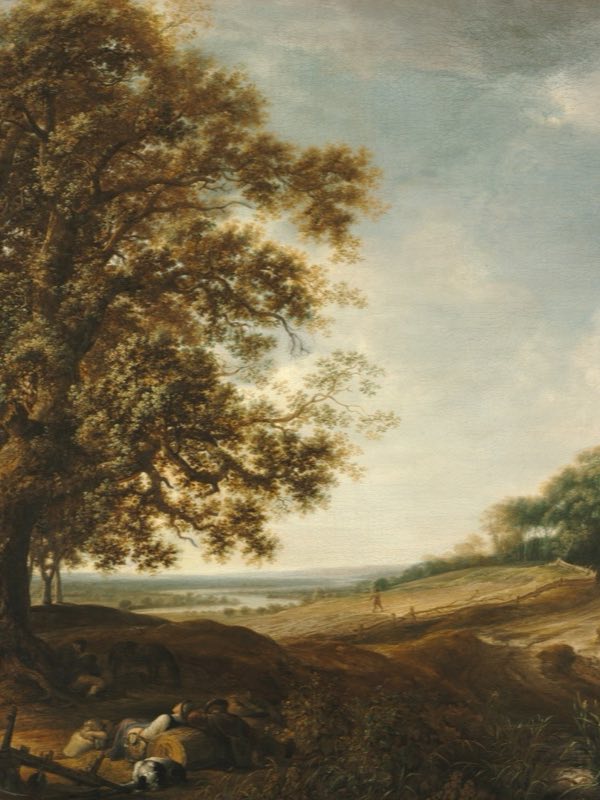

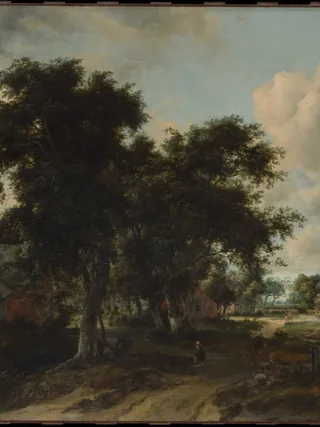
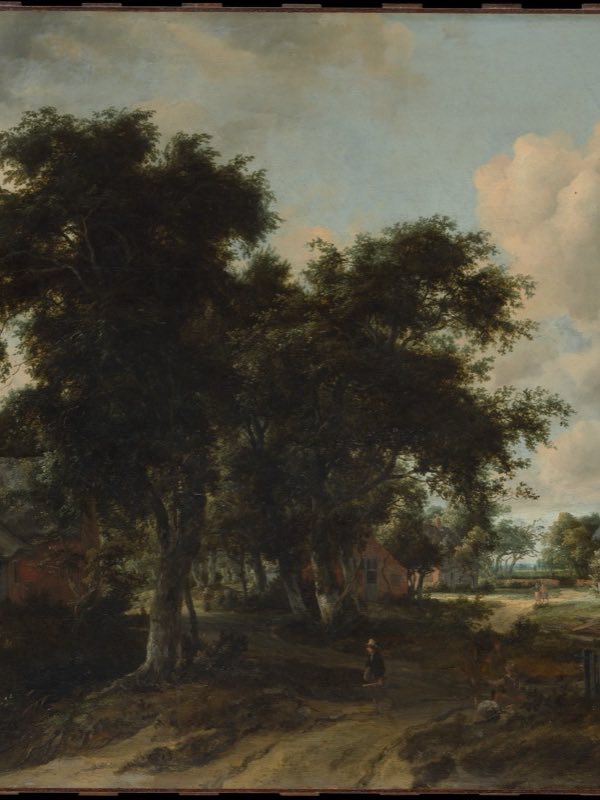
Meyndert Hobbema, “Entrance to a Village” (ca. 1665). The Metropolitan Museum of Art, Open Access.
Cite this book
Copy a citation in the style you need.
- MLA
- Moody, Dwight L. The Way to God. 1884. Ochorus, https://ochorus.com/books/the-way-to-god/.
- Chicago
- Moody, Dwight L. The Way to God. 1884. Reprint, Ochorus. https://ochorus.com/books/the-way-to-god/.
- Chicago footnote
- Dwight L. Moody, The Way to God (1884; repr., Ochorus), https://ochorus.com/books/the-way-to-god/.
- BibTeX
- @book{moody1884, author = {Moody, Dwight L.}, title = {{The Way to God}}, year = {1884}, publisher = {Ochorus}, url = {https://ochorus.com/books/the-way-to-god/} }