
- 20 chapters
- 2 hr 51 min read
- Accessible Reading difficulty
Free to read·No account needed
To You
Taking books where there’s no signal? See Ochorus for missionaries or chaplains
Grow with the story

Reader’s guide
About this book
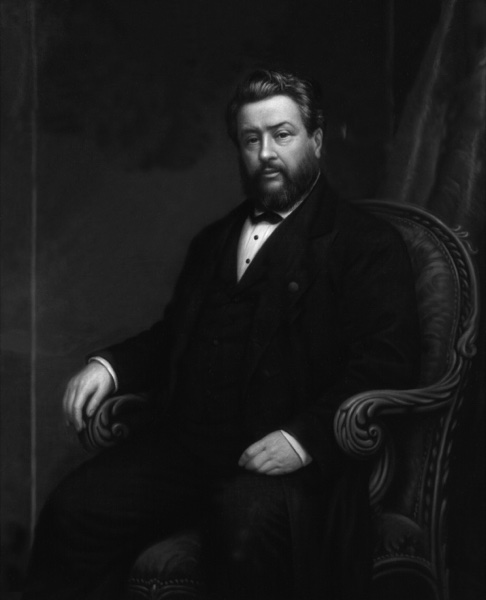
Spurgeon's book for someone who is not yet a Christian and suspects they are too far gone to become one. It is plain to the point of bluntness, addressed throughout as “you”, and it moves through the objections in the order people actually raise them: I am not good enough, I cannot feel anything, I have tried before, I do not know how to believe.
He wrote it in 1886, near the end of a ministry spent preaching to thousands in London, and it carries the habits of a preacher rather than a writer — short paragraphs, homely illustrations, a refusal to leave a point until it has landed. The text under all of it is Ephesians 2:8, and the title is the argument: if any part of salvation were owed to the reader's improvement, the reader would be lost, which is precisely why they are not.
Spurgeon anticipates the objection that this is too easy, and answers it at length. His point is not that sin is small but that faith is not a work — that the man who says he cannot believe well enough has misunderstood what he is being asked for.
It is the shortest book on this shelf and the most often given away. If you are looking for somewhere to start, or something to hand to someone else, this is it.
HE WHO SPOKE and wrote this message will be greatly disappointed if it does not lead many to the Lord Jesus. It is sent forth in childlike dependence upon the power of God the Holy Ghost, to use it in the conversion of millions, if so He pleases.
Contents
- 1 To You 2 min
- 2 What Are We At? 3 min
- 3 God Justifieth the Ungodly 15 min
- 4 It Is God That Justifieth 11 min
- 5 Just and the Justifier 10 min
- 6 Concerning Deliverance from Sinning 11 min
- 7 By Grace Through Faith 4 min
- 8 Faith, What Is It? 8 min
- 9 How May Faith Be Illustrated? 11 min
- 10 Why Are We Saved by Faith? 8 min
- 11 Alas! I Can Do Nothing! 23 min
- 12 The Increase of Faith 8 min
- 13 Regeneration and the Holy Spirit 5 min
- 14 My Redeemer Liveth 4 min
- 15 Repentance Must Go with Forgiveness 11 min
- 16 How Repentance Is Given 8 min
- 17 The Fear of Final Falling 10 min
- 18 Confirmation 8 min
- 19 Why Saints Persevere 7 min
- 20 Close 4 min
Questions and Answers
Who is All of Grace written for?
Charles Spurgeon wrote it for someone who is not yet a Christian and suspects they are too far gone to become one. It is addressed throughout as "you," and speaks directly to the reader who longs to be saved but does not know where to begin — plain to the point of bluntness, and unwilling to leave that reader without a clear way forward.
What is the book's central message?
Step by step Spurgeon shows that God justifies the ungodly, that salvation is by grace through faith and not by works, and that even repentance and faith are themselves God's gifts. The title is the argument: if any part of salvation were owed to the reader's own improvement, the reader would be lost — which is precisely why they are not.
What objections does Spurgeon answer?
He moves through the objections in the order people actually raise them: I am not good enough, I cannot feel anything, I have tried before, and I do not know how to believe. Rather than dismiss these, he takes each in turn and answers it plainly, which is much of why the book has been so useful to anxious readers for well over a century.
What Scripture underlies the book?
The text under all of it is Ephesians 2:8 — that salvation is by grace through faith, and that not of ourselves, it is the gift of God. Spurgeon builds the whole appeal on that verse, returning to it to show that grace which depended even partly on the reader's worthiness would be no grace at all.
Isn't salvation by faith alone "too easy"?
Spurgeon anticipates that very objection and answers it at length. His point is not that sin is small but that faith is not a work: the reader is not being asked to earn anything, but to trust. Making salvation depend on the quality of one's feelings or efforts, he argues, misunderstands what is being offered.
What does Spurgeon mean when he says faith is not a work?
He means that the person who says they cannot believe well enough has misunderstood what they are being asked for. Faith is not another achievement to be measured and found wanting; it is simply resting on Christ. The demand is not for a strong enough faith but for a true reliance on the one who saves the ungodly.
What is the book's style?
It carries the habits of a preacher rather than a writer — short paragraphs, homely illustrations, and a refusal to leave a point until it has landed. Spurgeon wrote it in 1886, near the end of a ministry spent preaching to thousands in London, and the warmth and directness of the pulpit come through on every page.
Why is All of Grace so often recommended?
It is the shortest of Spurgeon's books on this shelf and the most often given away. Written as an earnest word to those seeking salvation, it works both as a place to start reading and as something to hand to someone else — a plain, warm presentation of the gospel that presses one invitation: come to Christ just as you are.
Read in your language
More like this


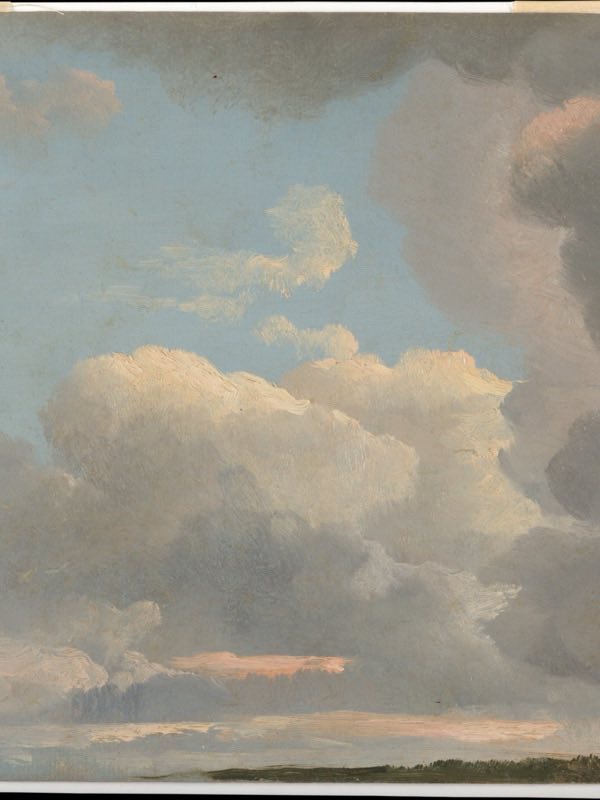
Simon Denis, “Cloud Study (Early Evening)” (ca. 1786–1806). The Metropolitan Museum of Art, Open Access.
Cite this book
Copy a citation in the style you need.
- MLA
- Spurgeon, Charles H. All of Grace. 1886. Ochorus, https://ochorus.com/books/all-of-grace/.
- Chicago
- Spurgeon, Charles H. All of Grace. 1886. Reprint, Ochorus. https://ochorus.com/books/all-of-grace/.
- Chicago footnote
- Charles H. Spurgeon, All of Grace (1886; repr., Ochorus), https://ochorus.com/books/all-of-grace/.
- BibTeX
- @book{spurgeon1886grace, author = {Spurgeon, Charles H.}, title = {{All of Grace}}, year = {1886}, publisher = {Ochorus}, url = {https://ochorus.com/books/all-of-grace/} }