New to Samuel Ajayi Crowther? Start with
Journal of an Expedition up the Niger
All works · 4 hr 33 min read
Biography
- 1809 Born
- 1821 Enslaved
- 1825 Baptized
- 1843 Ordained
- 1891 Died
From this period I must date the unhappy, but which I am now taught, in other respects, to call blessed day, which I shall never forget in my life. I call it unhappy day, because it was the day in which I was violentl…
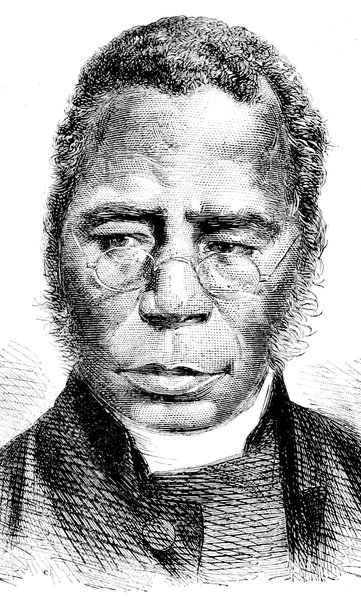
Samuel Ajayi Crowther is remembered by two names, and both of them are true. The first, Àjàyí, was given to him in a Yoruba town called Osogun around the year 1809 — the name a family gives a child born face-down, a child marked, they believed, for an unusual destiny. The second, Samuel Crowther, was given to him at a font in Sierra Leone in 1825, a borrowed English name laid over an African boy who had already lost almost everything a person can lose and had somehow not lost his faith in life. Between those two names lies one of the most astonishing journeys in the history of the Church: from a slave coffle to a cathedral, from a boy bartered for a horse to the first African bishop in the Anglican communion, from a captive who could not read to the man who first gave the whole Bible to the Yoruba people in their own tongue.
A childhood broken open
He was born into the Oyo country of what is now south-western Nigeria, into a household that farmed and wove and worshipped the old gods. It was a settled, ordinary boyhood — until it wasn't. In 1821 the wars that were feeding the Atlantic slave trade reached Osogun. Fulani and Oyo raiders fell on the town, burned it, and drove its people away in ropes. Àjàyí, about twelve years old, was taken with his mother and his baby brother and marched off among grandmothers and cousins and strangers, all of them now merchandise.
Years later, at the request of the Church Missionary Society, he set down what happened in a long, extraordinarily calm letter — one of the very few first-person accounts of the Middle Passage written by a man who survived it. He does not rage. He measures. He remembers the exact texture of the day his world ended, and he had by then learned to read it two ways at once.
From this period I must date the unhappy, but which I am now taught, in other respects, to call blessed day, which I shall never forget in my life. I call it unhappy day, because it was the day in which I was violently turned out of my father's house, and separated from relations.
— Samuel Ajayi Crowther
What followed was a slow selling-down. He was passed from owner to owner along the trade roads, his price falling as he was carried toward the coast. In one town, he records without self-pity, it was agreed that he should be bartered for a horse; later he was exchanged again for tobacco and rum. He was a boy watching himself become a currency. The despair of it nearly killed him — by his own hand. In the darkness of one of those holding places he tried more than once to strangle himself and could not do it, and afterward he understood that failure as a mercy he had not asked for.
Rescued from the sea
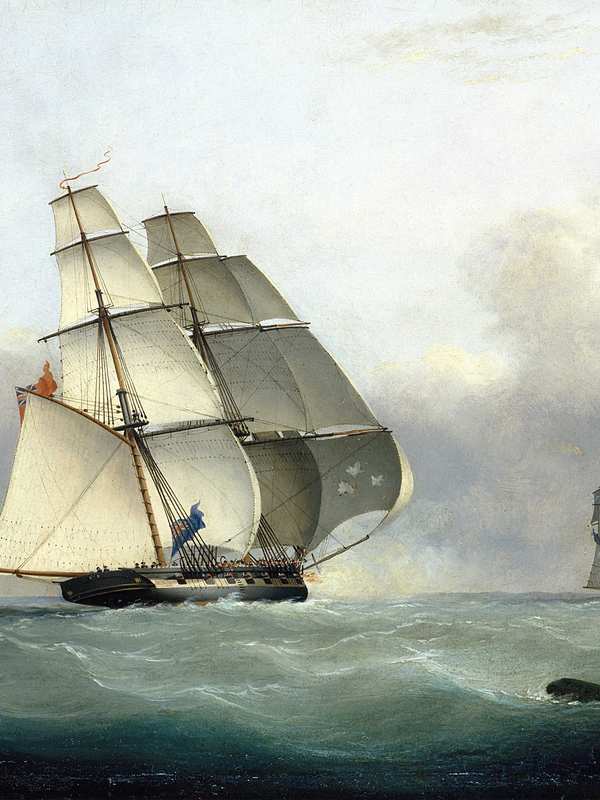
At the coast he was sold to Portuguese traders and packed into a slave ship. He had been aboard only a matter of hours, bound for a lifetime in Brazil or Cuba, when the vessel was intercepted by the Royal Navy's West Africa Squadron — the ship HMS Myrmidon — which was hunting slavers under Britain's ban on the trade. The captives were taken off, and instead of a plantation the boy was carried to Freetown in Sierra Leone, a colony founded as a home for the liberated. He stepped ashore in 1822 into a strange kindness: not chains, but a school.
The Church Missionary Society took him in, fed him, and taught him his letters. He learned English quickly and then hungrily, and he began to read the Scriptures — first as a curiosity, then as a claim upon his life. Somewhere in those Freetown years the boy who had survived one slavery came to believe he had been rescued from a deeper one.
About the third year of my liberation from the slavery of man, I was convinced of another worse state of slavery, namely, that of sin and Satan. It pleased the Lord to open my heart.
— Samuel Ajayi Crowther
On 11 December 1825 he was baptized by the CMS missionary John Raban and took the name of an English clergyman he had never met, Samuel Crowther. When the CMS opened Fourah Bay College two years later to train African teachers and pastors, he was its very first student.
A pastor, a husband, a scholar
In 1829 he married Asano, a fellow liberated captive who at her own baptism took the name Susan Thompson; their marriage would last more than half a century. Crowther became a schoolmaster and catechist, and everyone who worked beside him noticed the same thing: a mind of unusual patience and reach, especially for language. He began to take his own mother tongue apart and write it down — sounds, grammar, proverbs — work almost no one had attempted before.
In 1841 the CMS attached him to the ill-fated Niger Expedition, a venture up the great river to plant commerce and Christianity in place of the slave trade. Fever devastated the European members; many died. Crowther survived, and the journal he kept was so observant and so clear that it made his reputation in London. The Society brought him to England, trained him further, and on Trinity Sunday, 11 June 1843, he was ordained a priest — the first African clergyman of the Anglican Church.
The word made Yoruba
Ordained, he turned homeward. In 1846 the Yoruba Mission established itself at Abeokuta, and there the long arc of Crowther's life bent back on itself in a way no novelist would dare invent. Among the townspeople he found his own mother, Afala, from whom he had been torn twenty-five years before. Neither of them, at first, could speak.
We could not say much, but sat still, casting many an affectionate look towards each other, an affection which twenty-five years had not extinguished.
— Samuel Ajayi Crowther
He called the reunion the greatest gift the Lord had ever given him. In time his mother was baptized Hannah, and his sister with her — the captive son become the means of his own mother's salvation.
Then came the work that would outlast everything else he did. Crowther gave himself to translating the Scriptures and the Book of Common Prayer into Yoruba, building the grammar and dictionary the task required almost from nothing. Word by word, proverb by proverb, he carried the Bible across into the language his mother had sung to him — the whole of it, the Bibeli Mímọ́, completed under his oversight in his last years. A tongue that had been written in the ledgers of slavers as a price was now made able to carry the words of God. Once, brought before Queen Victoria, he read her the Lord's Prayer in Yoruba, and she is said to have called its sound soft and melodious. The boy sold for a horse now prayed, in his mother's language, before the Queen of the empire whose navy had freed him.
Made a bishop
On St Peter's Day, 29 June 1864, in Canterbury Cathedral, Samuel Ajayi Crowther was consecrated Bishop of the Niger Territories — the first African bishop of the Anglican communion. Oxford gave him a doctorate of divinity. It was a summit of honour, and he wore it as he wore everything, quietly. He gathered African clergy around him, ordained African pastors, and built a mission that was, by design, to be led by Africans for Africa — the very thing the missionary societies had once said they wanted.
The long humbling
It is here that his story darkens, and honesty requires that it be told. As Crowther aged, a new generation of young European missionaries arrived on the Niger, men shaped by the harder racial confidence of the later nineteenth century. They did not believe an African should lead. Through the 1880s they moved against his mission — audits, accusations of mismanagement and corruption levelled at his African staff, dismissals and suspensions, one by one, until the men he had trained were pushed out and replaced with Europeans. The work of a lifetime was taken apart in front of him.
He might have fought it with the weapons of grievance, and no one would have blamed him. He did not. A retiring, soft-spoken man, he made little effort to answer the charges heaped on his people, and in 1890, his own reputation still unbroken, he resigned his authority with a dignity his accusers never matched. There is a particular pain in being undermined by those who owe their very presence to the ground you cleared, and Crowther felt it fully. But he had been made a slave and had not become bitter; he had been made a bishop and had not become proud; and he would not now, at the end, let smaller men make him small. He kept praying, kept serving, kept his eyes on the God who had opened his heart in Freetown sixty years before.
On the last day of the year 1891 — 31 December — Samuel Ajayi Crowther died of a stroke in Lagos, about eighty-two years old. The men who had displaced his mission gave the bishopric, next, to a European. But the deeper verdict of history has gone the other way. The Yoruba Bible he made is still read; the African church he insisted could stand on its own feet is now vast beyond his imagining; and the boy bartered for a horse is honoured across a continent as a father of its faith. He had been right about the day he was captured all along. It was, in every respect that finally mattered, a blessed one.
Books by Samuel Ajayi Crowther (1)
Books about Samuel Ajayi Crowther (3)

Also appears in

Questions and Answers
Who was Samuel Ajayi Crowther?
He was a Yoruba man, born around 1809 in the town of Osogun in what is now south-western Nigeria, who rose from slavery to become the first African bishop of the Anglican communion. Captured as a boy and later freed, he gave his life to the church as pastor, scholar, and translator. He is remembered above all as the man who first carried the whole Bible into the Yoruba language and as a pioneering leader of the African church.
How did he come to be enslaved as a boy?
In 1821 the wars feeding the Atlantic slave trade reached his home town of Osogun, and raiders burned it and drove its people away in ropes. Ajayi, about twelve years old, was taken along with his mother and baby brother and marched toward the coast, sold from owner to owner as he went. In one town, he recorded in his own account, it was agreed that he should be bartered for a horse, and later he was exchanged again for tobacco and rum — a boy watching himself become a currency.
How was he rescued from the slave ship?
At the coast he was sold to Portuguese traders and packed aboard a slave ship, but within hours it was intercepted by the Royal Navy's West Africa Squadron, which was hunting slavers under Britain's ban on the trade. The vessel that stopped his ship was HMS Myrmidon, in 1822. Instead of a lifetime on a plantation in Brazil or Cuba, he was carried to Freetown in Sierra Leone, a colony founded as a home for liberated captives.
How did he become a Christian and take the name Samuel Crowther?
In Freetown the Church Missionary Society took him in, taught him his letters, and set the Scriptures before him, and he came to believe he had been freed from a deeper slavery than the one the Navy had ended. As he later put it, 'About the third year of my liberation from the slavery of man, I was convinced of another worse state of slavery, namely, that of sin and Satan. It pleased the Lord to open my heart.' He was baptized on 11 December 1825, taking the name of an English clergyman he had never met, Samuel Crowther.
What was his gift for languages, and what did he do with it?
Everyone who worked beside him noticed the same thing: a mind of unusual patience and reach, especially for language. He began taking his own mother tongue apart and writing it down — its sounds, grammar, and proverbs — work almost no one had attempted before, and he produced an early Yoruba grammar and vocabulary. This scholarship laid the foundation for the translation work that would occupy the rest of his life.
Did he really find his mother again after being separated by slavery?
Yes, and it is one of the most astonishing turns in his story. When the Yoruba Mission settled at Abeokuta, Crowther found among the townspeople his own mother, Afala, from whom he had been torn about twenty-five years before. 'We could not say much, but sat still, casting many an affectionate look towards each other, an affection which twenty-five years had not extinguished,' he wrote. She was later baptized Hannah, the captive son having become the means of his own mother's faith.
What is he best known for translating?
He gave himself to rendering the Scriptures and the Book of Common Prayer into Yoruba, building the grammar and dictionary the task required almost from nothing and working word by word with African colleagues. The complete Yoruba Bible was finished under his oversight in his later years. A language once written only in the ledgers of slavers as a price was now made able to carry the words of God.
How did he become the first African Anglican bishop?
His clear, observant journal from the 1841 Niger Expedition made his reputation in England, and he was ordained a priest on Trinity Sunday, 11 June 1843 — the first African clergyman of the Anglican Church. On St Peter's Day, 29 June 1864, in Canterbury Cathedral, he was consecrated Bishop of the Niger Territories, the first African bishop of the Anglican communion. He built a mission meant, by design, to be led by Africans for Africa.
Was he treated fairly at the end of his life?
No, and honesty requires that it be told plainly. As he aged, a younger generation of European missionaries arrived on the Niger who did not believe an African should lead; through the 1880s they moved against his mission with audits and accusations aimed at his African staff, dismissing and replacing them one by one. A soft-spoken man, he made little effort to answer the charges heaped on his people and resigned his authority in 1890 with a dignity his accusers never matched — undermined by men who owed their very presence to the ground he had cleared.
When and how did he die, and what is his legacy?
He died of a stroke in Lagos on 31 December 1891, about eighty-two years old, and the bishopric was given next to a European. Yet the deeper verdict of history has gone the other way: the Yoruba Bible he made is still read, and the self-governing African church he insisted could stand on its own feet has grown vast beyond his imagining. The boy once bartered for a horse is honoured across a continent as a father of its faith.