New to Hannah Whitall Smith? Start with
The Unselfishness of God
All works · 16 hr 54 min read
Biography
- 1832 Born
- 1851 Married
- 1865 The secret
- 1875 Book
- 1911 Died
In brief, I would say that man's part is to trust and God's part is to work.
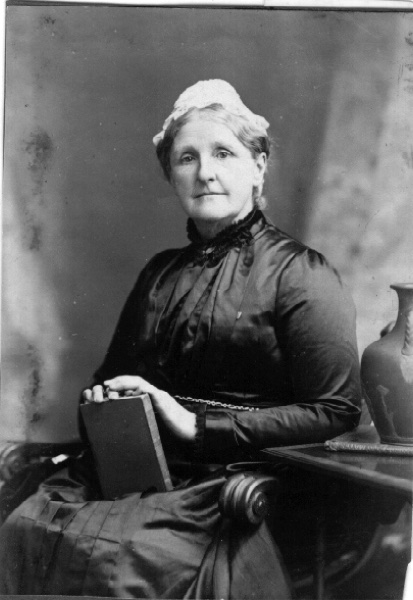
Hannah Whitall Smith spent her life insisting on one plain thing: that God is good, and that God is enough. She wrote it in seventy years of diaries, argued it across two continents, and clung to it through griefs that would have hardened a less generous heart. To hundreds of thousands of readers she remains the quiet Quaker voice behind The Christian's Secret of a Happy Life, a woman who taught that the burden-bearing labour of holiness belongs to God, and that ours is only to trust Him and let go.
She was born Hannah Tatum Whitall on 7 February 1832 in Philadelphia, into a prominent and devout Quaker family. Her father, John Mickle Whitall, and her mother, Mary Tatum Whitall, raised her a "birthright" Friend within the evangelical Gurneyite tradition, and the shaping was total. "Every word, thought, and action of our lives was steeped in Quakerism," she remembered. "Never for a single moment did we escape from it." She did not resent it; looking back at seventy she gave daily thanks for "such a righteous and ennobling influence." Nor was it a faith of the parlour only. The Whitall home was Quaker conscience in action: the family threw itself into the reform causes of the day, opposing slavery and supporting the movements for social betterment, and through her father's business and reform circles a stream of influential thinkers and activists passed through the house — company that encouraged in Hannah an independence of thought she never lost, and a lifelong conviction that genuine Christianity must transform both personal character and social life. By her own testimony the childhood was radiantly happy — she called it "one fairy scene of sunshine and of flowers" — and yet, tellingly, even as a girl of seventeen she wondered aloud in her diary why no affliction ever came "to wean me from the joys of this life."
Like most women of her generation, Hannah never followed a formal academic path — the universities of her day were largely closed to women — but she received at home the strong intellectual and moral education that well-taught Quaker families prized. It was, above all, a spiritual and reflective schooling: the Quaker emphasis on meditation and attentiveness to the "Inner Light," the guidance of God within, formed in her a lifelong habit of contemplation and thoughtful writing. She would never hold a degree, yet many readers later remarked that her ability to explain profound spiritual truths in simple language was one of the chief reasons her books became so widely loved. Her true education came not through institutions but through life experience, Scripture study, and spiritual struggle.
The Long Search
Smith's awakening came not through fear of sin but through wonder. Around sixteen and a half she caught, in her reading, a glimpse of the sheer magnificence of God, and "then and there, my search began." It was, by her own frank account, "a blind, ignorant search." Reared to look only for "the light within," she turned relentlessly inward and found there nothing but wrestling. Her early religious diary, she confessed, "is one long record of wrestlings and agonies, with scarcely a ray of light." The candour is characteristic: she refused ever to gild her own experience.
In 1851, at nineteen, she married Robert Pearsall Smith, a businessman from another notable Quaker family who would later become an evangelist in his own right. Marriage widened her world and, mercifully, drew her out of the "morbid self-introspection" that had made religion a misery. The couple settled near Philadelphia and later moved through New Jersey, and in the 1850s both came into a warmer evangelical faith. But the decisive turn was still to come.
The Secret Discovered
"It was in 1865," she wrote, "that the fourth, and by far the most captivating, epoch of my spiritual journey dawned upon my soul." She had been a Christian for nine happy years, yet she remained, by her own reckoning, "continually disappointed in myself." She knew God to be trustworthy but found her own inner life "full of failure — not so much outward sin, but inward sins: coldness, spiritual deadness, lack of Christian love." What she discovered, and would spend the rest of her life proclaiming, was that deliverance from sin's power — not merely its penalty — was God's work to accomplish in those who surrendered to Him. She reduced the whole matter to four words: "Not I, but Christ."
In brief, I would say that man's part is to trust and God's part is to work.
— Hannah Whitall Smith
This became the heart of The Christian's Secret of a Happy Life, published in 1875. She called it a "secret," she explained, only because it had so long been hidden from her — "not a secret because God hid it, but because I had not yet discovered it." Its most famous image is the wagon and the burden: the traveller who accepts a ride but keeps the heavy load on his own shoulders, "for I could not think of letting you carry my burden too." The Christian life, she taught, means at last laying the whole weight down.
The greatest burden we have to carry in life is self. The most difficult thing we have to manage is self.
— Hannah Whitall Smith
The little book struck a nerve across the English-speaking Protestant world; it sold more than two million copies in her lifetime, was translated into numerous languages, and has never gone out of print. Her public ministry had begun quietly — in personal conversations and small gatherings where she shared her experience of renewal — but the message of trust and surrender answered so exactly the discouragement and sense of spiritual failure that so many Christians carried that interest grew rapidly. In 1873 and 1874 the Smiths crossed to England, where Hannah's calm, reasoned Bible readings won her wide affection — she was dubbed the "angel of the churches" — and their meetings, including the influential conferences at Broadlands hosted by Lord and Lady Mount Temple, helped give rise in 1875 to the Keswick Convention. For a season the Smiths were the most prominent figures of the interdenominational Higher Life movement, and Hannah became one of its most recognisable voices, especially among women. Her manner on the platform was warm, practical, and deeply pastoral: rather than mounting complex theological arguments, she spoke of the everyday struggles of the Christian life and of how believers could find peace through trust in God.
Trials Named Honestly
Then came the collapse. In 1875 Robert Pearsall Smith's public ministry ended abruptly amid accusations of misconduct, and the movement that had carried them recoiled from the scandal. Over the following years Robert drifted from the faith they had shared into agnosticism, and Hannah bore the private grief of a marriage that never recovered its early joy. She was also a bereaved mother many times over: of her seven children, four died in youth, and she buried them across the span of her middle years. The sorrows were compounded later, when the three children who survived to adulthood — Mary, Logan, and Alys — grew away from the Christian faith she had given everything to commend. Mary and Logan each became notable literary figures in their own right; Alys married the philosopher Bertrand Russell, perhaps the most famous unbeliever of the age.
Smith met these griefs not with denial but with the very theology she preached. She refused to build faith on feeling. "You may feel good or you may feel bad," she wrote, "but neither the good feeling nor the bad feeling affects the real thing... If God loves you, it is of no account, as far as the fact goes, whether you feel that He loves you or do not feel it." She loved to quote Luther, who, when the devil demanded whether he felt himself a child of God, answered: "No, I do not feel it at all, but I know it. Get thee behind me, Satan." That distinction — between the fact of God's love and one's fluctuating sense of it — was the ground she stood on when the ground shook.
The God of All Comfort
Out of these years came her mature conviction: that the God she had once, like so many, imagined as "one of the most selfish, self-absorbed beings in the universe" was in truth "exactly the opposite." Her spiritual autobiography, The Unselfishness of God and How I Discovered It (1903), traces her life as a sequence of religious "epochs," and its whole burden is summed up in a sentence she found on the flyleaf of her Bible: "This generation has rediscovered the unselfishness of God." In The God of All Comfort (1906) she pressed the same tender vision of a Father whose love, she believed, must exceed even a mother's. Alongside her writing she gave herself to reform: she helped found the Woman's Christian Temperance Union in 1874, served as superintendent of its Evangelistic Department, championed women's right to public religious voice, and spoke for the suffrage cause.
In her last years arthritis confined her to a wheelchair and to considerable pain, yet her outlook only brightened. Old age, she wrote, need not be "a sad and wearisome time"; with "our beautiful, unselfish God, behind it all, old age becomes a delightful resting-place." Knowing "that God is, and that God is enough," she said, made "death a delicious prospect for the future."
Secure in the knowledge that God is, and that He is enough, I find old age delightful in the present, and death a delicious prospect for the future.
— Hannah Whitall Smith, The Unselfishness of God
Hannah Whitall Smith died in England on 1 May 1911, at the age of seventy-nine. She had named her sorrows plainly — a wounded marriage, four small graves, children who walked away from her faith — and had not been defeated by any of them. Her influence can still be traced in the many devotional writers who echo her themes of rest, trust, and abiding in Christ; more than a century after her death, her message remains piercingly relevant in a world where believers still struggle with anxiety, spiritual performance, and uncertainty. Her legacy is not a system but a single, steadying conviction, handed down through books still read a century later: that the burden of our own transformation was never ours to carry, that man's part is only to trust and God's part is to work, and that the God who does the work is unfailingly, unselfishly good.
Books by Hannah Whitall Smith (3)

Books about Hannah Whitall Smith (1)

Articles about Hannah Whitall Smith (7)
Questions and Answers
Where did Hannah Whitall Smith come from?
She was born Hannah Tatum Whitall on 7 February 1832 in Philadelphia, into a prominent and devout Quaker family. Her father, John Mickle Whitall, and mother, Mary Tatum Whitall, raised her a "birthright" Friend in the evangelical Gurneyite tradition. "Every word, thought, and action of our lives was steeped in Quakerism," she remembered. The home was Quaker conscience in action, given to the reform causes of the day, opposing slavery and supporting social betterment.
What kind of education did she receive?
Like most women of her generation she followed no formal academic path, for the universities of her day were largely closed to women. Instead she received at home the strong intellectual and moral education that well-taught Quaker families prized, shaped above all by the Quaker emphasis on meditation and attentiveness to the "Inner Light." Readers later remarked that her gift for explaining profound truths in simple language was a chief reason her books became so widely loved.
What was her long spiritual search?
Her awakening came through wonder rather than fear — around sixteen she caught a glimpse of "the sheer magnificence of God," and "then and there, my search began." But it was, by her own account, "a blind, ignorant search," her early diary "one long record of wrestlings and agonies, with scarcely a ray of light." She wrote of the one thing she could not do for herself: "I know not how to pray... I cannot become really righteous until I repent, and I cannot repent."
What was the "secret" she discovered?
In 1865, after nine years as a Christian yet "continually disappointed in myself," she discovered that deliverance from sin's power — not merely its penalty — was God's work to accomplish in those who surrendered to Him. She reduced the whole matter to four words, "Not I, but Christ," and to a single sentence: "man's part is to trust and God's part is to work."
What is "The Christian's Secret of a Happy Life"?
Published in 1875, it was a "secret," she explained, only because it had so long been hidden from her. Its most famous image is the traveller who accepts a ride but keeps the heavy load on his own shoulders — the Christian life, she taught, means at last laying the whole weight down. The little book sold more than two million copies in her lifetime, was translated into numerous languages, and has never gone out of print.
What part did she play in the Higher Life and Keswick movement?
The Smiths crossed to England in 1873 and 1874, where Hannah's calm, reasoned Bible readings won her wide affection — she was dubbed the "angel of the churches." Their meetings, including the influential conferences at Broadlands, helped give rise in 1875 to the Keswick Convention. For a season she was one of the most recognisable voices of the interdenominational Higher Life movement, especially among women.
What tragedies did she endure?
In 1875 her husband Robert's public ministry ended abruptly amid accusations of misconduct, and he later drifted from their shared faith into agnosticism. Of her seven children, four died in youth; and the three who survived to adulthood grew away from the faith she had given everything to commend — her daughter Alys marrying the philosopher Bertrand Russell. She met these griefs not with denial but with the very theology she preached.
How did she handle the gap between faith and feeling?
She refused to build faith on feeling: "neither the good feeling nor the bad feeling affects the real thing." She loved to quote Luther, who, asked by the devil whether he felt himself a child of God, answered, "No, I do not feel it at all, but I know it." That distinction — between the fact of God's love and one's fluctuating sense of it — was the ground she stood on when the ground shook.
What did her later books teach about God?
That the God she had once imagined "one of the most selfish, self-absorbed beings in the universe" was in truth "exactly the opposite." "The Unselfishness of God" (1903) traces her life as a sequence of religious "epochs," and "The God of All Comfort" (1906) presses the vision of a Father whose love exceeds even a mother's. To know "that God is, and that God is enough" made, she said, "death a delicious prospect for the future."
What else did she give herself to, and how did she end?
Alongside her writing she gave herself to reform — helping found the Woman's Christian Temperance Union in 1874, championing women's right to a public religious voice, and speaking for suffrage. In her last years arthritis confined her to a wheelchair and much pain, yet her outlook only brightened. She died in England on 1 May 1911, aged seventy-nine, undefeated by a wounded marriage, four small graves, and children who had walked away from her faith.