- 9 chapters
- 2 hr 55 min read
- Accessible Reading difficulty
Free to read·No account needed
Chapter 1
Taking books where there’s no signal? See Ochorus for missionaries or chaplains
Grow with the story
Reader’s guide
About this book
Andrew Murray’s addresses on the one thing God asks and Himself supplies — a life wholly given up to Him. From the title address on absolute surrender, through the fruit of the Spirit, Peter’s repentance, and “O wretched man that I am!”, to being kept by the power of God, Murray presses that what is impossible with man is possible with God.
I want to look at the fact of a life filled with the Holy Spirit more from the practical side, and to show how this life will show itself in our daily walk and conduct.
Contents
- 1 Absolute Surrender 19 min
- 2 The Fruit of the Spirit is Love 26 min
- 3 Separated unto the Holy Spirit 18 min
- 4 Peter's Repentance 12 min
- 5 Impossible with Man, Possible with God 16 min
- 6 O Wretched Man that I am! 15 min
- 7 Having Begun in the Spirit 18 min
- 8 Kept by the Power of God 25 min
- 9 Ye are the Branches 25 min
Questions and Answers
What is Absolute Surrender about?
It is a collection of Andrew Murray's addresses on the one thing God asks of the believer and himself supplies — a life wholly given up to him. From the title address on absolute surrender, through the fruit of the Spirit, Peter's repentance, and the cry of Romans 7, Murray presses the reader toward a complete yielding of self to God as the secret of the Christian life.
Who was Andrew Murray?
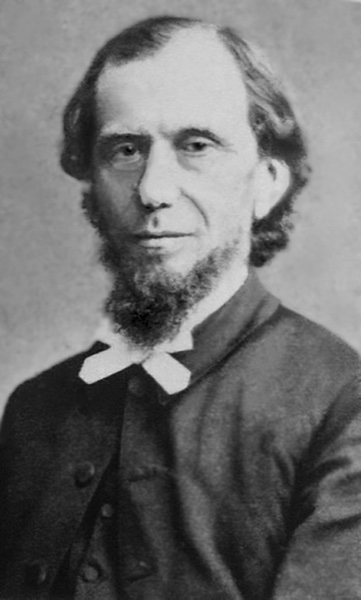
A South African pastor and one of the most beloved devotional writers of the deeper Christian life, author of many short books on prayer, humility, and abiding in Christ. Absolute Surrender gathers a series of his addresses on the theme of full consecration that ran through all his teaching.
What does Murray mean by 'absolute surrender'?
The complete giving-up of oneself to God — will, life, and all — holding nothing back. Murray teaches that this is the one thing God asks, and, wonderfully, the very thing he himself works in the willing heart. It is not a grim self-effort but a glad yielding, in which the believer lets God have his way entirely and finds that this is the path to rest and power.
Is surrender something we do or something God does?
Both, in Murray's teaching — and this is his comfort. God asks for absolute surrender, but he also supplies it; the same God who calls for the yielded life works the willingness to yield in those who ask him. So the believer who feels unable to surrender fully is invited to bring even that inability to God, and let him accomplish it.
What is the famous illustration Murray uses?
He opens with the picture of a branch abiding in the vine, wholly given up to the vine's life so that it bears fruit without anxious effort. The branch does nothing but abide and receive; so the surrendered believer yields entirely to Christ and lets his life flow through them. It sets the tone for the whole book's call to give up self and rest in God.
How does this book relate to Murray's Humility and Abide in Christ?
It belongs to the same family and presses the same heart-truth from another angle. Where Humility dwells on lowliness and Abide in Christ on remaining in him, Absolute Surrender dwells on the complete yielding of self that underlies both. All three call the believer away from self-effort into a life wholly given to and lived from God.
Who is this book for?
For any Christian who longs for a deeper, more victorious life and senses that something is being held back. Murray writes for the earnest but struggling believer, and the book has led many to the point of full surrender — and to the discovery that the God who asks for everything also gives the grace to yield it.
Where should a reader begin?
With the opening title address on absolute surrender, which sets out the whole theme, then on through the addresses that follow. The chapters were originally spoken and read easily, one at a time; taken prayerfully, they press the reader gently but persistently toward the full yielding of self that Murray means.
Read in your language
More like this
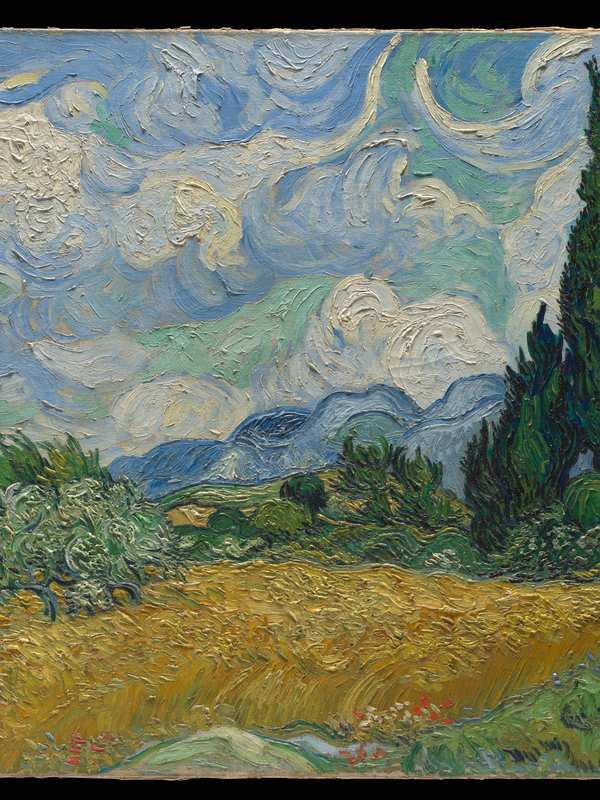
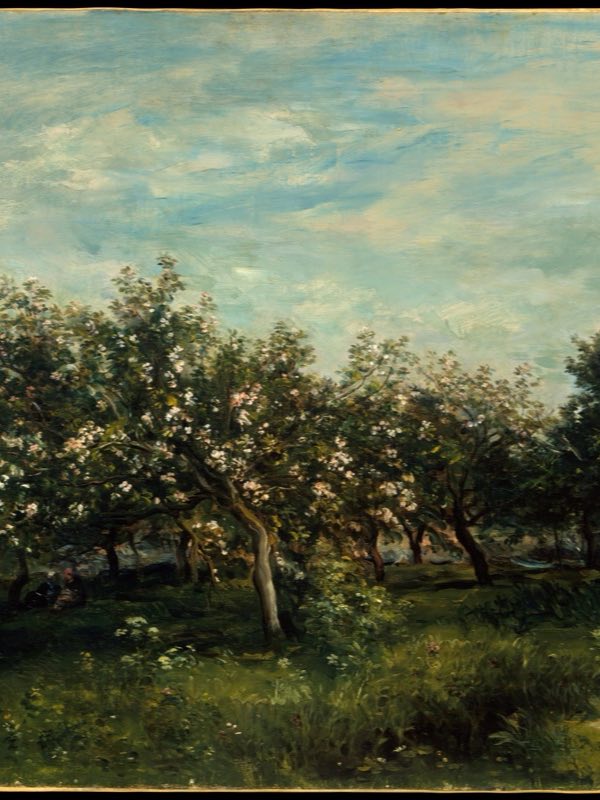
Vincent van Gogh, “Cypresses” (1889). The Metropolitan Museum of Art, Open Access.
Cite this book
Copy a citation in the style you need.
- MLA
- Murray, Andrew. Absolute Surrender. 1895. Ochorus, https://ochorus.com/books/absolute-surrender/.
- Chicago
- Murray, Andrew. Absolute Surrender. 1895. Reprint, Ochorus. https://ochorus.com/books/absolute-surrender/.
- Chicago footnote
- Andrew Murray, Absolute Surrender (1895; repr., Ochorus), https://ochorus.com/books/absolute-surrender/.
- BibTeX
- @book{murray1895absolute, author = {Murray, Andrew}, title = {{Absolute Surrender}}, year = {1895}, publisher = {Ochorus}, url = {https://ochorus.com/books/absolute-surrender/} }