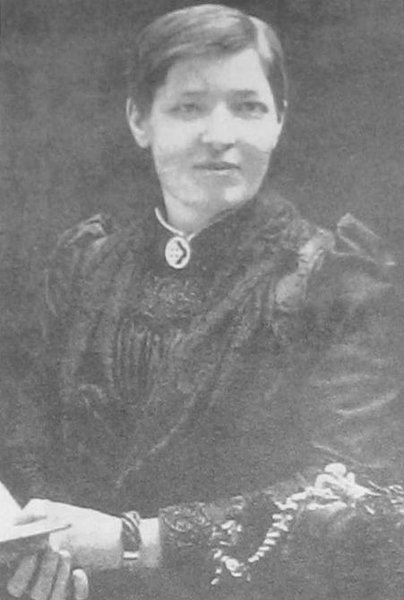
Biography
- 1848 Born
- 1876 To Calabar
- 1888 Okoyong
- 1892 Vice-consul
- 1915 Died
Heaven is now nearer to me than Britain, and no one will worry about me if I go up country.
She was a red-haired jute worker from the Dundee mills, small and plain-spoken, who had stood at a loom since she was a child. She could not have been further from the Victorian idea of a lady missionary. And yet Mary Slessor spent almost forty years in the forests of Calabar, learned to speak Efik like a woman born to it, sat as a magistrate over men who had never taken orders from a woman, and gathered up the twin babies that her neighbours had been taught to throw away. She left behind no great book. What she left was a testimony, repeated to the end of her life, that the whole of it had been carried by prayer.
A hard apprenticeship
She was born on 2 December 1848 in Aberdeen, into poverty. Her father, Robert, was a shoemaker who lost his trade to drink and ended his working life as a mill labourer; the household was held together by her mother and, before long, by the children. In 1859 the family moved to Dundee, to the jute mills that were then swallowing the labour of the poor.
Mary went into the mill young. From the age of eleven she was a “half-timer” — half the day at school, half the day at the loom — and by fourteen she was a skilled worker keeping the long shift, six in the morning until six at night, for the better part of a decade, handing her wages toward the family she was helping to feed. It was not a childhood so much as an apprenticeship in endurance. She learned to work while exhausted, to make do, to stand her ground among rough people, and to read whatever she could snatch. None of it was wasted. The woman who would later walk alone through country where armed men settled arguments with the machete had first been made hard and patient in a Scottish mill.
Her faith grew in those years, in the ordinary furniture of a working-class Presbyterian life — the Sunday school she taught, the mission work in the poor closes of the town. Then, in 1873, David Livingstone died in Africa, and the news of it moved through Scotland like weather. Slessor, already restless, felt the pull of the mission field settle into a call.
The call to Calabar
She was twenty-eight when she applied to the Foreign Mission Board of the United Presbyterian Church in 1876. She trained briefly in Edinburgh, and on 5 August 1876 she sailed for Calabar, on the south-eastern coast of what is now Nigeria — a region with a fearsome reputation among Europeans for its fevers and its violence.
From the first she did the thing that set her apart from most of her fellow missionaries: she went to live among the people rather than beside them. She learned Efik until she was fluent, until she could argue and joke and grieve in it. She ate the local food, went about barefoot, and made her home in the villages rather than the safety of the mission compound. She was not performing humility; she simply could not see the point of a Gospel preached across a fence. The distance most missionaries kept, she closed.
Heaven is now nearer to me than Britain, and no one will worry about me if I go up country.
— Mary Slessor, after the deaths of her mother and sister
Those words came after her mother and her sister died, taking with them the last people in Scotland who watched anxiously for her letters. For most people such a loss would have argued for coming home. For Slessor it cut the last rope. With no one left to worry, she was free to go where no one else would.
Okoyong
In August 1888 she pressed inland to Okoyong, a district where earlier missionaries had been killed and where no European authority reached. She went with a handful of adopted children and very little else. She settled there and stayed for years, and the people came to call her the white queen of Okoyong — a title that says a good deal about how strange her position was and how completely she had made it her own.
What she found in Okoyong she set herself to change. The killing of twins was among the hardest of it. Twins were believed to be cursed, the mark of an evil spirit; the babies were abandoned in the bush or killed, and their mother was driven out. Slessor could not abide it. She went after the abandoned children, carried them home, and raised them as her own — many of them, over the years, among them a daughter she called Janie. She filled her house with the children nobody else would touch, and by keeping them alive and well and loved in plain sight, she made the old belief harder to hold.
It would be a legend to say she abolished the practice single-handed; the killing of twins declined slowly, over decades, through many hands and much labour after hers. What is true, and enough, is that she fought it where she stood, rescued the children she could reach, and made her own household a standing argument against it.
She set herself, too, against trial by ordeal — the poison bean, fed to the accused so that survival counted as innocence and death as guilt — and against the other cruelties that settled disputes by killing. She threw herself between quarrelling parties and made herself the arbiter, and the accounts most often repeated tell of her facing down armed men and standing between armies to stop a war. Those scenes belong partly to the Victorian storytelling that grew up around her, and the plain record is quieter than the legend; but the fact underneath is not in doubt. A woman with no soldiers and no weapons made herself, by sheer nerve and long-earned trust, the peace of that country.
A magistrate in bare feet
The colonial authorities, watching this, did something unprecedented. In 1892 they made her a vice-consul in Okoyong, giving her charge of the native court — a position of real legal authority that no woman of the time was supposed to hold. She presided over disputes, gave judgment, and was obeyed. Later, in 1905, she took up a similar native-court role at Ikot Obong. In 1913 she was made an honorary associate of the Order of St John in recognition of her work.
It is worth sitting with the picture: a former mill girl, barefoot, plain in speech, ruling on the quarrels of a whole district, her verdicts standing because the people had decided over many years that they trusted her. She had no army behind her and no wealth. What she had was Efik, and courage, and the long credit of a woman who had never once put her own safety ahead of theirs.
One long record of answered prayer
Through all of it she was often gravely ill. Malaria came and went and came again; she was frequently alone, frequently worn past what her body could bear. And through all of it she kept the practice that her biographer would make the centre of her story. She prayed about everything — her health, her decisions, the dangers she walked into, the food that had to appear when there was none — and she believed, plainly and to the end, that it was answered.
My life is one long, daily, hourly record of answered prayer. For physical health, for mental overstrain, for guidance given marvellously, for errors and dangers averted, for enmity to the Gospel subdued, for food provided at the exact hour needed, for everything that goes to make up life and my poor service, I can testify, with a full and often wonder-stricken awe, that I believe God answers prayer.
— Mary Slessor
Mother of all the peoples
She died on 13 January 1915 at Use, near Itu, of the fever that had hunted her all her life. She was sixty-six. The colonial government gave her a state funeral, and she was mourned across Calabar and Scotland alike. Among the people she had lived and worked with she was Eka Kpukpru Owo — “mother of all the peoples” — a name earned one rescued child and one settled quarrel at a time. In her own country her memory was kept in the ordinary honours of a nation that had produced her: for years her face looked out from the Clydesdale Bank ten-pound note.
She wrote no famous book and founded no order. What she leaves is harder to frame and more useful. She is proof that God does his largest work through the least likely instruments — that a poor girl from a Dundee mill, given nothing but nerve and a language and a habit of prayer, can change the shape of a country. And she leaves the testimony itself, offered without decoration by a woman who had every reason to know whether it was true: that a whole life, from the loom to the forest, can be one long record of answered prayer.
Books about Mary Slessor (3)


Also appears in

Questions and Answers
Who was Mary Slessor?
Mary Slessor (1848–1915) was a Dundee mill girl who became a missionary to Calabar in what is now Nigeria. Living among the people and speaking their language, she fought the killing of twins, rescued and raised many children, and became a magistrate in the interior — remembered as "everybody's mother." She left no great book, only a testimony, repeated to the end of her life, that the whole of it had been carried by prayer.
What was her early life?
She was born on 2 December 1848 in Aberdeen into poverty; her father lost his shoemaking trade to drink, and the family moved to Dundee's jute mills in 1859. Mary went into the mill young — a "half-timer" from eleven, half the day at school and half at the loom, and by fourteen a skilled worker keeping the long shift for the better part of a decade. It was less a childhood than an apprenticeship in endurance, and none of it was wasted: the woman who would later walk alone through dangerous country was first made hard and patient in a Scottish mill.
What called her to Calabar?
Her faith grew in an ordinary working-class Presbyterian life — Sunday school, mission work in the poor closes of Dundee. Then in 1873 David Livingstone died in Africa, and the news moved through Scotland like weather; Slessor, already restless, felt the pull of the mission field settle into a call. She applied to the Foreign Mission Board in 1876, trained briefly, and on 5 August 1876 sailed for Calabar, a region with a fearsome reputation among Europeans for its fevers and its violence.
How did she live among the people?
From the first she did the thing that set her apart from most missionaries: she went to live among the people rather than beside them. She learned Efik until she was fluent — until she could argue and joke and grieve in it — ate the local food, went about barefoot, and made her home in the villages rather than the safety of the mission compound. She was not performing humility; she simply could not see the point of a Gospel preached across a fence, and closed the distance most missionaries kept.
What did she do at Okoyong?
In August 1888 she pressed inland to Okoyong, a district where earlier missionaries had been killed and no European authority reached, going with a handful of adopted children and little else. She stayed for years, and the people came to call her the white queen of Okoyong. She set herself against the cruelties that settled disputes by killing and against trial by ordeal — the poison bean fed to the accused — throwing herself between quarrelling parties and making herself, by sheer nerve and long-earned trust, the peace of that country.
How did she fight the killing of twins?
Twins were believed to be cursed, the mark of an evil spirit; the babies were abandoned in the bush or killed, and their mother driven out. Slessor could not abide it — she went after the abandoned children, carried them home, and raised many as her own, filling her house with the children nobody else would touch. By keeping them alive and well and loved in plain sight, she made the old belief harder to hold; the practice declined slowly, over decades and many hands, but she fought it where she stood.
How did she become a magistrate?
The colonial authorities, watching a woman make herself the arbiter of a whole district, did something unprecedented: in 1892 they made her a vice-consul in Okoyong, giving her charge of the native court — real legal authority no woman of the time was supposed to hold. She presided over disputes, gave judgment, and was obeyed; later, in 1905, she took up a similar role at Ikot Obong. A former mill girl, barefoot and plain in speech, ruled on the quarrels of a district because the people had decided they trusted her.
How central was prayer to her work?
It was the ground of everything. Often gravely ill with the malaria that never left her, frequently alone and worn past what her body could bear, she prayed about everything — her health, her decisions, the dangers she walked into, the food that had to appear when there was none — and rated prayer above the labour it undergirded: "Praying is harder work than doing, at least I find it so, but the dynamic lies that way to advance the Kingdom."
What was her testimony of answered prayer?
She summed up nearly forty years in one sentence: "My life is one long, daily, hourly record of answered prayer. For physical health, for mental overstrain, for guidance given marvellously... for food provided at the exact hour needed, for everything that goes to make up life and my poor service, I can testify, with a full and often wonder-stricken awe, that I believe God answers prayer." It was not a doctrine held at arm's length but the ledger of a life spent alone in dangerous country and somehow carried through it.
How is she remembered?
She died on 13 January 1915 at Use, near Itu, of the fever that had hunted her all her life, aged sixty-six; the colonial government gave her a state funeral, and she was mourned across Calabar and Scotland alike. Among the people she had lived with she was Eka Kpukpru Owo — "mother of all the peoples" — a name earned one rescued child and one settled quarrel at a time. She is proof that God does his largest work through the least likely instruments: a poor girl from a Dundee mill, given nothing but nerve, a language, and a habit of prayer.