
Sermons
Classic Christian sermons — free to read, from the writers in our library.
251 sermons · 27 preachers
Leading a study? See Ochorus for small groups or pastors and preachers
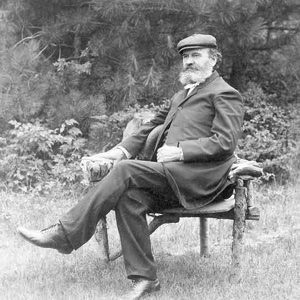 A. B. Simpson 1843–1919 · 33
sermons
A. B. Simpson 1843–1919 · 33
sermons
Canadian preacher who founded the Christian and Missionary Alliance.
Himself
Colossians 1:27Simpson's best-loved message: the deepest need of the soul is not any blessing — not healing, not sanctification, not 'the it' we chase — but Christ Himself as indwelling life. He traces his own journey from seeking experiences to receiving the Person, showing how every gift is kept only while the Giver is kept, and closes with the hymn born of this discovery: 'Once it was the blessing, now it is the Lord.'
The Power of Stillness
1 Kings 19:12From Elijah's 'still small voice,' Simpson argues that God is met in quietness rather than tumult: the sweetest blessing Christ brings is the Sabbath-rest of the soul. Practical counsel follows — stilled prayer, restrained speech, a hushed spirit under pressure and provocation — so that the life itself comes to speak with the sound of gentle stillness.
The Possibilities of Faith
Mark 9:23An ascending survey of what 'all things are possible to him that believeth' actually covers: salvation for the worst of sinners, sanctification, the healing of the body, daily provision, and the evangelization of the world. Simpson presses the staggering parallel — what is possible with God is offered to faith — and calls the reader to claim it in believing prayer.
The Joy of the Lord
Nehemiah 8:10Joy, Simpson argues, is the sharpest difference between Christianity and every other religion — and Nehemiah's word makes it the secret of strength. He distinguishes gladness that leans on circumstances from the indwelling joy of Christ, and shows that joy to be strength for service, endurance in trial, and the most winning witness a believer carries.
Filled with the Spirit
Ephesians 5:18“Be filled with the Spirit” — and Simpson fastens on the word filled, so full that no room is left empty. The filling, he shows, is not an influence or a sensation or a set of truths but a living Person; the whole essence of Christianity is the indwelling Christ. He traces its nature, its conditions, and its abiding, calling the half-filled heart to be wholly possessed, that rivers of living water may flow from the inmost being.
The Death of Self
Galatians 2:20Reading Abraham’s household as a parable, Simpson presses past the casting-out of Ishmael — the believer’s deliverance from indwelling sin — to the harder altar on Moriah, where even the sanctified self, like Isaac, must be laid down. Self, he warns, is a foe subtler than sin and far more dear. Only when the proud and wilful “I” has died can the risen Christ truly live in us, so that the life is no longer ours but “Christ liveth in me.”
The Spirit of Prayer
Romans 8:26Prayer, Simpson argues, is a high art that must be divinely taught, and the Holy Spirit is the Advocate in the heart who teaches it. He shows the Spirit revealing our need, kindling holy desire, laying on us the burden of intercession, bringing the promises that awaken faith, and finally teaching us when to stop asking and turn petition into praise.
The School of Faith
Hebrews 12:11Trial, Simpson argues, follows faith in God's order — Hebrews 11 leads into Hebrews 12. He reads chastening as "son training," the tender discipline of a parent, admits it is grievous for the present, and shows it yields righteousness and peace only for those exercised by it: not despising it, not fainting, and taking firmer hold by faith and prayer.
Practical Prayer
James 5:16Prayer, Simpson argues from James, is meant to come down to the level of everyday life. He traces its place in ordinary affairs, in trial, in joy, in sickness and in intercession, insisting nothing is too small or too hard to bring to God, and lands on Elijah's "effectual fervent prayer" — intense, pointed prayer for others that expects an answer.
The Great Secret
Philippians 4:11-12Paul's contentment, Simpson argues, rests on a learned secret: "I can do all things through Christ which strengtheneth me." The power stays in the living Christ and is shared only in union with Him, drawn moment by moment. The secret holds in hunger and in plenty — prosperity the harder test — and is grasped quickly but mastered only by practice.
The Boundless Sufficiency
Philippians 4:19Simpson sets the threadbare Christian, always "hard up," beside the overflowing life Paul knew while chained in a Roman barracks. He traces that fullness to the greatness of Paul's God — of nature, of Israel's history, of the risen and ascended Christ, of heaven — and lands on saying "my God" and letting every need become a vessel for His fullness.
The Cloud of Witnesses
Hebrews 12:1Simpson reads the closing roll of Hebrews 11 as four classes of witness: what faith can do, what it can be, what it can endure, and what it can receive. They call believers to lay aside every weight and besetting sin and run with patience, holding the "better thing" they lacked — the abiding Spirit and indwelling Christ — and looking to Jesus alone.
The Logic of Missions
Romans 10:14-15Simpson reads Paul's questions in Romans 10 as "stern, inexorable logic" that lays the world's ruin or redemption on every believer's conscience. He presents the gospel as God's righteousness in Christ, free and as near as a cry, then traces three links of responsibility: the sinner's to believe, the messenger's to go, and the church's to send.
Wholly Sanctified
1 Thessalonians 5:23Simpson argues that sanctification is God's own work, "the great obtainment of faith, not the attainment of works," resting on a settled justification. He unfolds it in three senses — separation from evil and the world, dedication to God as His possession, and filling by Christ — the last opening boundless room for growth.
The Practical Hope of the Lord's Coming
James 5:7-8Simpson makes the Lord's return "a weapon for life's warfare" rather than a theme for theologians. With James he reads greed, hoarding, luxury and oppression of laborers as signs of the last days, and calls the wronged to Christ's own patience: that day will right every wrong, pay every withheld wage, and bring in the harvest of all fragmentary work.
Simpson casts Christian service as a partnership with God. Christ pays the firm's debts, supplies unlimited capital, gives His workers the harvest, prepares the workers and the works, and shares the reward. The believer's part is to treat the work as His, to see that it depends on our co-working, and to build on His plan in His strength, not by enterprise.
Gideon, or the Strength of Weakness
1 Corinthians 1:27-29Simpson reads Gideon's story as the paradox of strength in weakness. A trembling fugitive is called a "mighty man of valor" and made one by God's word. God patiently grants the signs his weak faith asks for, then sifts his army from thirty thousand to three hundred watchful men. Simpson presses that God still tests and picks out an "out and out" people.
Jephthah, or the Faith That Leads to Faithfulness
Judges 11:30-36Simpson draws two lessons from Jephthah. God uses despised things: an outcast who might have grown bitter trusts God, names his home Tob, "good," and delivers the brothers who rejected him. And God wants men He can trust: Jephthah keeps his vow, which Simpson reads as his daughter's living consecration, not her death, a sacrifice harder than dying.
Bochim, or the Cause of Spiritual Failure
Judges 2:5Simpson treats Judges as a warning against declension after blessing. The tribes first tolerate the Canaanites, then tax them, dwell among them, marry them and serve their gods, until God makes the enemy their thorn and master. The root cause: they leaned on Joshua instead of holding God for themselves. Bochim, the place of weeping, should lead on to Beulah.
The Practical Discipline of Life
James 1:2Simpson presents James as the apostle of practical living and traces two disciplines. Temptation is not from God, but God overrules it: it reveals the heart, teaches prayer and watchfulness, finishes patience and wins a crown. Providence turns the wheel between prosperity and adversity, and Simpson urges finding victory in God in every condition.
The Christian Temper, Supernatural and Divine
Philippians 3:10-11Simpson argues that the Christian temper is supernatural, not natural. He follows Paul's progression: giving up even his own righteousness, sharing Christ's sufferings, and being made conformable to His death. The power of Christ's resurrection comes first and makes surrender joyful. He ends with the hope of the first resurrection.
The Goal of Faith
Hebrews 12:18-24Simpson presents Hebrews 12:18-24 as the goal of faith. Believers have not come to Sinai's terrors but to Sion's mercy, the heavenly city, angels, the church of the firstborn, God, the perfected saints, and Jesus the Mediator with His sprinkled blood. Greater privilege brings graver responsibility, and a coming shaking will leave only the unshakable kingdom.
Simpson reads Christ's entry into Jerusalem as a royal procession of meekness and love, a pattern of His coming to the heart, to the Church and at His return. Its keynote, "The Lord hath need of thee," becomes a claim on every believer: God made, redeemed and owns each one, and needs them just where He has placed them.
More Than Conquerors
Romans 8:37Simpson argues that being "more than conqueror" means more than surviving: winning decisive battles that stay won, turning Satan's attacks into training and spoils, pressing on to new territory for Christ, and honoring the Captain before watching heaven. All of it comes only "through Him that loved us," and ends in a crown.
Grace Abounding
Romans 5:20Simpson argues that grace does not merely repair sin's damage but, like a healed tree or a pearl around a grain of sand, brings greater good out of it. He traces this through the conversion of great sinners, sanctification, release from sin's consequences, and redemption itself, which lifts man higher than Adam stood, and calls believers to abound in return.
From Strength to Strength
Psalm 84:7Simpson traces the pilgrim's path from weakness to human strength and on to God's own strength, which comes only as our strength fails and is exchanged for His. That divine strength lifts us above trouble, carries us through daily duty, lets us stand against Satan and endure wrongs with joy, and prepares us to be filled with Christ.
Simpson sets out three ways believers and unbelievers sin against the Holy Spirit. Christians quench Him through disobedience, formal worship, proud preaching and strife; they grieve Him through distrust, half-surrender, idols and bitterness; sinners resist His conviction by distraction, delay and false refuges. He urges grasping His faintest touch.
Spiritual Growth
2 Peter 3:18Simpson argues that Christian growth starts from sanctification rather than leading to it: once Christ indwells, every grace is already provided in Him. The believer must still give all diligence, blending faith, virtue, knowledge, temperance and love into one harmony like a chorus, for only growth keeps us from falling, and it ends in an abundant entrance.
Simpson reads Zechariah's night visions as God's encouragement to the few builders of the temple: Christ interceding among the myrtles, carpenters to blunt every horn, no measuring line for Jerusalem, Joshua's filthy garments replaced, the lamp fed by olive trees, not by might, and evil removed. It ends with the crowns for Joshua, figures of Christ crowned.
The Weapons of Our Warfare
2 Corinthians 10:4Simpson reads Gideon's victory with lamps, pitchers and trumpets as the strength of weakness. The empty, broken pitcher is the yielded body through which Christ's light shines in trials; the lamp is the indwelling Christ; the trumpet is the plain gospel herald; and the cry 'God and Gideon' joins divine power with human obedience.
Our Kinsman Redeemer
Isaiah 54:5Simpson reads the Book of Ruth as a bright vignette set against the dark days of the Judges. He draws from it lessons in domestic virtue, in providence, in redemption through Boaz as the Goel who gives up his own inheritance, and in the bold faith that claims its rights. Christ is the Kinsman Redeemer who becomes the Husband of His people.
How to Abide
1 John 2:28Simpson treats abiding in Christ as practice, not feeling: lived moment by moment, built by acts of will that harden into habit, and kept through self-repression, dependence, recognizing His presence and His hand in every circumstance, guarding the senses, inward prayer and vigilance. It ends with God made real by taking Him into the things that are real.
Sinning and Repenting
Judges 2:14-19Simpson reads Judges 2 as the pattern of a people sinking into declension after high blessing, and sets Othniel and Ehud beside it. Repeated sin brings longer bondage, yet God answers every cry, and the rest He gives far outlasts the judgment. The cure is personal union with Christ, not borrowed goodness, and every task done with "a message from God."
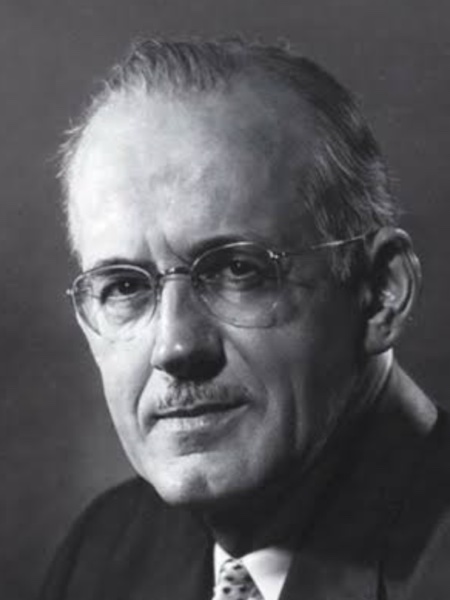 A. W. Tozer 1897–1963 · 24
sermons
A. W. Tozer 1897–1963 · 24
sermons
Self-taught Alliance pastor and author of The Pursuit of God.
The Infinite God
Psalm 147:5Tozer presses the mind toward the God who is infinite — without limit, measure, or likeness to anything in creation. Our worship shrinks, he warns, exactly as our thoughts of God shrink, and he calls the believer back to awe before the One who is like nothing we know.
God Is Our Refuge and Strength
Psalm 46:1Tozer turns from the gifts of God to God himself as the soul's refuge and strength, a very present help in trouble. He urges the frightened and hard-pressed to hide not in their circumstances but in God's own presence.
The first of Tozer's talks on worship: man was made to worship, and a church that has lost the wonder of adoration has lost its reason for being. He calls believers back from mere religious activity to worship itself.
All with One Accord
Acts 2:1On the praying church at Pentecost, gathered with one accord in one place. Tozer argues that it was this unity — not technique or numbers — that opened the way for the Spirit, and that a divided, distracted church cannot expect the same power.
A short, sharp classic: the cross of Christ is the most revolutionary thing ever to appear among men. The Roman cross made no compromise and spared no one it took, and Tozer insists the cross still means death to the old life before it means anything else.
Causes of Backsliding
Proverbs 14:14Tozer traces how a believer's heart cools and drifts — filled with its own ways — and names the quiet causes of backsliding before they harden into ruin. A searching call to self-examination and return.
Bible in hand, Tozer calls a comfortable church back to God himself — to repentance, reality, and the pursuit of holiness over religious routine.
The Bridge That Was Too Short
Acts 26From Paul's defense before Agrippa, Tozer preaches on the man who was “almost persuaded.” A bridge built most of the way across a chasm is still a bridge too short; he presses the hearer past almost to all.
An Easter message on three great days — the day Christ died, the day he lay in the tomb, and the day he rose again — and what each of them secures for the believer.
Prepare by Prayer
Matthew 26:31-46From Gethsemane, Tozer sets the praying Christ against the sleeping disciples and warns that we meet our trials as we prepared for them — or failed to prepare — in prayer.
Faith, as Confidence in God
John 14:13-14; 1 John 5:14Tozer defines faith not as a feeling but as confidence in God himself — trusting his character enough to ask, and to rest in the assurance that he hears.
God's Best Is Himself
Numbers 18:20Tozer draws on the landless priestly tribe of Levi, to whom God said "I am thy part and thine inheritance," to show that God's best gift is himself. Answered prayer, love, mercy, eternal life, holiness and power are all God imparting himself, so he must be sought for himself alone, and then everything else is added.
He Must Increase
John 3:30Tozer takes John the Baptist's words "He must increase, but I must decrease" as the secret of every true saint and sets them against a church where men promote themselves without shame. He warns that even sacrifice can serve ambition, and he calls hearers to come not to get more but to empty themselves before God.
The Seraphim's Worship
Isaiah 6:1-4Tozer looks through Isaiah 6 into the real, eternal world that presses on this one, and sees Isaiah turning from the dead king Uzziah to the living King. The seraphim worship freely, with their presence, their feet, hands and wings, their voices, their reverence and their fire, and he asks whether believers worship with the same fervency.
In Everything by Prayer
Philippians 4:6Tozer takes "in everything by prayer" from Philippians 4:6 as the church's motto, rooted in two coexisting kingdoms. The kingdom of man trusts its own sufficiency and works by money, prestige, publicity, committees and compromise; the kingdom of God admits it can do nothing and so does everything by prayer, which cannot be delegated.
How to Cultivate the Holy Spirit's Companionship
John 14:16-17Tozer insists the Holy Spirit is a person, not an it, and so cannot be known in one encounter but must be cultivated like a friendship. From Amos 3:3 he argues that walking with the Spirit needs agreement on direction, route and destination — a holy way — and he lands on oneness with the Spirit, which makes a believer meek, not famous.
I Am Crucified with Christ
Galatians 2:20Tozer takes Paul's seemingly self-contradicting testimony in Galatians 2:20 and resolves it by showing there are two I's in the believer: the natural self, which God condemns and puts to death, and the new man in whom Christ lives. The cross aims at Christlikeness, not mere escape from hell, and what is true judicially must become lived experience.
How to Grow in Grace
2 Peter 3:18Tozer reads Peter's closing charge — beware being led away, but grow in grace — as a warning sign on a dangerous road. Everyone is led by someone, and a soul left alone grows wild like an untended garden. He lands on the ordinary means of grace: Scripture, prayer, reverent worship, good books, open witness and separation from what pollutes.
Tozer argues that revival moves from the individual to the church to the community and never in reverse, because the Spirit falls on persons, not on an abstract church. Anyone may be revived even in a cold church, he says, and he gives the steps: set your face like a flint, go straight to Jesus, expose your life to Him, and take holy vows.
The Praying Church
James 5:16Tozer separates true prayer from the fashionable, selfish praying of his day and calls the gathered church to strategic prayer for two things: a restored vision of the Most High God and deliverance of the church from its Babylonian captivity to the world. Against money, publicity, committees and compromise, the church's rule is "in everything by prayer."
The Hidden Life of Faith
Exodus 33:22Tozer argues that the disciples were converted and could work miracles before Pentecost, so the Spirit's difference lies in what was new: a vivid sense of God's presence, joy, penetrating words, authority, separation from the world, delight in prayer and love for Scripture. He ends with the Moravian outpouring and its fruit.
The Sin of Murmuring
1 Corinthians 10:1-13From Paul's warning in 1 Corinthians 10, Tozer argues that murmuring, the muttered complaint, is classed with idolatry and fornication and may explain why some Christians have stopped growing. Grumbling assumes God and the world owe us something, when everything is grace. He asks where we would be with our deserts, and urges thanks instead.
The Triumph of the Resurrection
Acts 2:22-39From Peter's Pentecost sermon, Tozer argues that every religious question reduces to what we will do with Christ, whom God approved by raising him from the dead. That proof rests not on reason or evidence but on conscience, carried home by the Holy Spirit, and it calls not for merit but for belief and open identification with him.
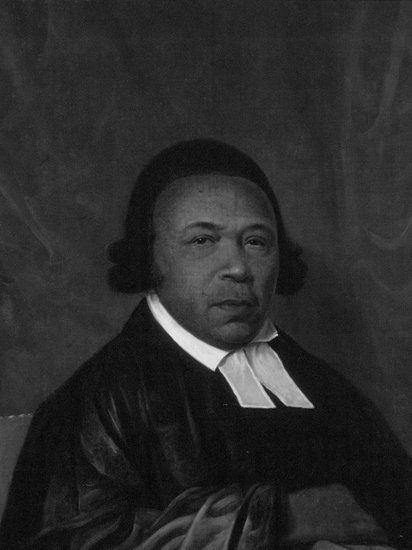 Absalom Jones 1746–1818 · 1
sermon
Absalom Jones 1746–1818 · 1
sermon
Born enslaved in Delaware, Absalom Jones (1746–1818) bought his wife’s freedom and his own, nursed Philadelphia through the 1793 yellow fever, and became founding pastor of St. Thomas’s — the first Black priest in the Episcopal Church.
Preached in St. Thomas's African Episcopal Church, Philadelphia, on 1 January 1808, the day the American ban on the African slave trade took effect. Jones reads Israel's deliverance from Egypt as a pattern of how God deals with the oppressed: the God who saw Israel's affliction has seen the slave ships, the auction blocks and the whip, and has "come down" through the laws of Parliament and Congress. He draws five duties from the mercy, among them prayer for those still enslaved and a yearly day of thanksgiving, and ends with a prayer for Africa.
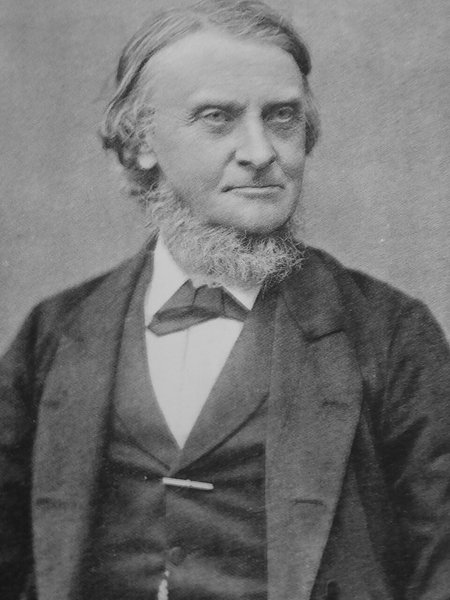 Alexander Maclaren 1826–1910 · 7
sermons
Alexander Maclaren 1826–1910 · 7
sermons
Scottish Baptist of Union Chapel, Manchester: “the prince of expository preachers.”
Grace and Truth
John 1:17“The law was given by Moses, but grace and truth came by Jesus Christ.” Maclaren dwells on John's pairing of the two words — that in Christ grace and truth arrive together, neither one softening the other, the tenderness and the reality of God met in a single Person. Where Moses gave a law that revealed the standard, he argues, Christ gives the grace that meets the failure and the truth that was only shadowed before — the whole fulness of God now come near in flesh.
The Power of Feeble Faith
Mark 5:25-28Maclaren takes the woman who crept through the crowd to touch the hem of Christ's garment and finds in her the encouragement of every weak believer: her faith was ignorant, half-superstitious, trembling and hidden — and it healed her all the same. The power, he shows, was never in the strength or the clearness of her faith but in the One she touched. A feeble hand laid on Christ draws from him as surely as a bold one, so no one need stay away for the poorness of his faith.
The Secret of Tranquillity
Psalm 37:4-7From a psalm written in the “autumnal calm” of age, Maclaren traces the cure for a fretting heart through its four quiet commands — delight thyself in the Lord, commit thy way, rest in the Lord, and wait patiently for him. Each, he shows, is a deeper stage of one surrender: desire fixed on God, the burden rolled onto him, the soul stilled, the impatience of waiting laid down. Tranquillity, he concludes, is not the absence of trouble but the presence of a trusted God.
The Dying Thief
Luke 23:42“Lord, remember me when Thou comest into Thy kingdom.” Maclaren sees in the dying thief the cross drawing men to itself, and learns that what shuts people out is less gross sin than self-righteousness. The robber’s vague prayer is over-answered — “This day” — yet one was saved on the cross “that none might despair; and only one, that none might presume.”
Sons and Heirs
Romans 8:17“If children, then heirs.” God himself is the inheritance, Maclaren says, and he traces the chain back link by link: no inheritance without sonship, no sonship without a spiritual birth, no spiritual birth without Christ, and no Christ for us without faith — the lowest round of the ladder, where anyone may set a foot.
The Joy of the Lord
Nehemiah 8:10Nehemiah tells a weeping people that “the joy of the Lord is your strength,” and Maclaren makes three claims: such joy is the natural fruit of faith, blended with a sober sorrow; it is a duty, since we choose whether to stand in the light or in the shadow; and it is strength, for no resolution or remorse ever made anyone strong.
A Pattern of Prayer
Psalm 86:1-5Earnest reiteration, Maclaren says, is not vain repetition. He reads the psalmist’s prayer in three parts — the names he calls God by, the petitions rising from “hear me” to “rejoice the soul of thy servant,” and the pleas, which end where all prayer must: “For thou, Lord, art good, and ready to forgive.”
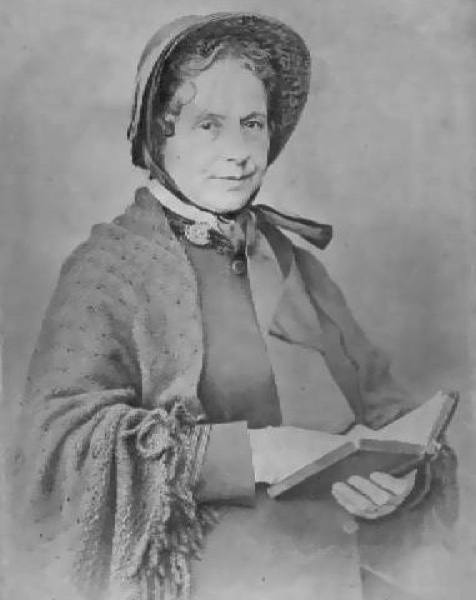 Catherine Booth 1829–1890 · 10
sermons
Catherine Booth 1829–1890 · 10
sermons
Co-founder of The Salvation Army and an early champion of women in the pulpit.
Aggressive Christianity
Mark 16:15Read the book of Acts knowing nothing of what followed, Booth says, and you would expect the world long since won — so why, after nineteen hundred years, this? Her answer is not better machinery but a baptism of love: a church willing to be laughed at in the streets, and to count that the only dignity worth having.
The World's Need
Matthew 21:28; Luke 14:23"Son, go work today in my vineyard." Booth turns from the world's need to the Church's strange reluctance to meet it, and asks why so few of Christ's people will actually go. The trouble, she argues, is not that labourers are lacking but that the willing are untrained and the trained unwilling — and she sends her hearers home to think on the wants of a dying world.
Witnessing for Christ
Acts 1:8; Acts 5:32To be a witness, Booth insists, is not to argue a case but to testify to what you have seen and felt — and a Church that has stopped witnessing has usually stopped experiencing. She presses every believer, learned or unlettered, into the same plain duty: to tell what the Lord has done for their soul.
The Holy Ghost
Luke 24:49; Acts 1:8The disciples were told to tarry until they were endued with power from on high, and Booth will not let her hearers hurry past that command. Gifts, eloquence, and organisation are worth nothing, she says, without the baptism of the Spirit — and she calls the Church to wait for it as the apostles did, and to expect it.
A True and a False Faith
Galatians 5:6From Galatians 5:6, Booth divides the living faith that works by love and saves from the dead, notional faith that leaves the heart and life unchanged.
Ranging over several passages, Booth argues that the church must adapt its methods to reach the lost — the message never changes, but the means must meet people where they actually are.
An address to parents on raising children for God — begun early, soaked in prayer, consistent, and aimed at the heart rather than mere outward behavior.
A practical address to Christian workers on guiding the anxious to Christ — meeting doubts, false hopes, and postponements with patient truth and love.
Assurance of Salvation
Romans 7:4Booth presses that a believer may and should know they are saved — a settled assurance grounded not in shifting feeling but in the word and work of God.
How to Work for God with Success
Matthew 21:28From “Son, go work today in my vineyard,” Booth lays out what makes labor for God fruitful: dependence on the Spirit, wholehearted earnestness, and going after the lost.
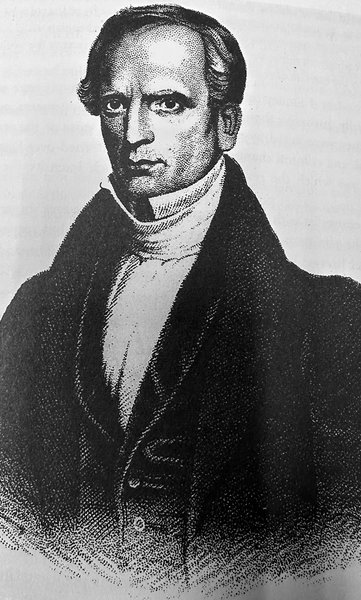 Charles G. Finney 1792–1875 · 7
sermons
Charles G. Finney 1792–1875 · 7
sermons
Lawyer turned evangelist whose preaching drove the Second Great Awakening.
God's Love for a Sinning World
John 3:16“Sin is the most expensive thing in the universe.” Finney reckons the true cost of sin against a holy law, then shows that God's love for a rebel world was great enough to meet that whole cost in the gift of His Son—and presses the sinner to accept a salvation already so dearly bought.
Prevailing Prayer
James 5:16“The effectual, fervent prayer of a righteous man availeth much.” From his Lectures on Revivals of Religion: what prevailing prayer is, why so little prayer prevails, and the marks of prayer that does — praying for a definite object, in submission to God's will, by the Spirit, in faith, with importunity. Finney at his most practical and most searching.
The Spirit of Prayer
Romans 8:26-27“The Spirit itself maketh intercession for us with groanings which cannot be uttered.” Finney on what it means for the Holy Spirit to lead a Christian in prayer — the burden for souls that comes from him, how it is grieved away, and how a church that has it cannot fail to see a revival. The companion lecture to Prevailing Prayer.
Sinners Bound to Change Their Own Hearts
Ezekiel 18:31“Make you a new heart and a new spirit, for why will ye die?” The sermon that made Finney famous, and controversial: a change of heart is a change in the choice of a supreme ruler, so God can command it, the sinner is bound to it, and the Spirit's work is to persuade, not to override. The plainest statement of his call to decide now.
What a Revival of Religion Is
Habakkuk 3:2A revival is no miracle, Finney insists, but the fruit of the right use of means, as surely as a farmer’s sowing brings a crop. Opening his Lectures on Revivals, he defines it as “the renewal of the first love of Christians,” traces the parts God, the preacher and the sinner play in it, and asks his hearers to pledge to practise whatever they learn.
Breaking Up the Fallow Ground
Hosea 10:12“Break up your fallow ground.” Feelings cannot be forced, Finney says, but they follow where attention goes. So he sets the church to work with pen and paper, listing its sins one by one, from ingratitude and neglect of the Bible to pride and slander, confessing them and setting right every wrong: “drive the plow right through them, beam deep.”
Be Filled with the Spirit
Ephesians 5:18The God who says “Do not get drunk” also says “Be filled with the Spirit.” Finney argues that to live without the Spirit is disobedience, not misfortune. He names what grieves the Spirit away (insincerity, levity, worldliness, unconfessed wrongs) and warns that the Spirit-filled will be called eccentric, yet will have peace with God and be greatly useful.
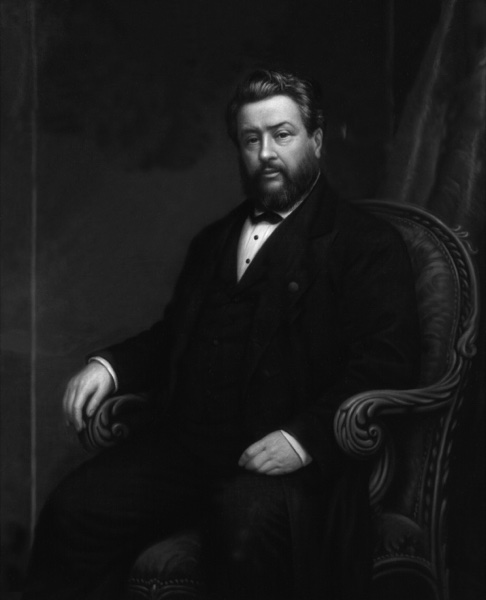 Charles H. Spurgeon 1834–1892 · 18
sermons
Charles H. Spurgeon 1834–1892 · 18
sermons
The “Prince of Preachers,” pastor of London’s Metropolitan Tabernacle.
The Immutability of God
Malachi 3:6The proper study of the Christian is God Himself, and here Spurgeon fixes on one perfection: 'I am the Lord, I change not.' Because God's nature, love, and purposes never alter, the sons of Jacob are not consumed — and the believer whose world is shaking may anchor in the one heart that cannot change.
Free Grace
Ezekiel 36:32Salvation is 'not for your sakes': Spurgeon dismantles the two sins bred in the bone — self-dependence and self-exaltation — and shows that God saves for His own name's sake, entirely of grace. Therefore the vilest sinner may come with nothing in hand, and the saved have nothing to boast of but the tender heart of God.
Christ Precious to Believers
1 Peter 2:7The text Spurgeon first preached on at sixteen, in a cottage to a handful of poor people, when he could not have spoken on any other — and he takes it as plain fact before exhortation: to those who believe, Christ simply is precious. It turns at the last into a question, and a warning for the hearer who finds they cannot answer it.
The Golden Key of Prayer
Jeremiah 33:3A promise born in prison: 'Call unto Me, and I will answer, and show you great and mighty things.' Spurgeon takes Jeremiah's word as the golden key that unlocks God's treasury — urging bold, expectant, persevering prayer, especially in affliction, where God reveals to the praying heart what study alone never could.
Order and Argument in Prayer
Job 23:3,4Job's cry is not for relief but for an audience: 'Oh that I knew where I might find him!' Spurgeon takes it as a lesson in the craft of prayer — order your cause as the priest laid out his sacrifice, and ask plainly, saying Ishmael if you mean Ishmael — then catalogues the pleas that have prevailed: God's attributes, His promises, His great name, past mercies, even our own unworthiness.
The Ravens' Cry
Psalm 147:9If God feeds the young ravens when they croak, will He refuse a soul that cries? Spurgeon presses the argument six ways, noting that Scripture names not the dove but the raven — the unclean bird nobody prizes — so that none may plead his own blackness as a disqualification. To the fear of praying badly he answers with Christ, who makes a fair copy of the ill-spelt petition and signs it Himself.
Paul's First Prayer
Acts 9:11Heaven dates Saul's first prayer to the road to Damascus — though the Pharisee had gone up to the temple twice a day for years. Spurgeon reads 'Behold, he prayeth' as both announcement and argument: the sign that sent Ananias into a persecutor's house, and a proof of sincerity no profession can counterfeit. Praying will make a man leave off sinning, or sinning will make him leave off praying.
Sweet Comfort for Feeble Saints
Matthew 12:20Fame prefers men of brass and iron and passes the rest by, Spurgeon begins — which is the ground his text stands on. The bruised reed and the smoking flax are not merely weak but worthless, of no use to anyone except the Christ who will not break or quench them. He finishes defending the faith of small children against those who think them too forward.
Comfort for the Desponding
Job 29:2Job's wish to be as in months past is the cry Spurgeon takes up for the believer who once walked in the light and cannot now find it. He treats it first as a complaint worth hearing rather than rebuking — the Shepherd's own people do cross the wilderness — before turning it toward the promise that whoever wills may still come and drink.
The Sweet Uses of Adversity
Job 10:2That God should contend with man at all astonishes Spurgeon — the Almighty taking up weapons against the insect of a day — and Job's demand to be shown why becomes a question he answers separately for the child of God and for the sinner. Affliction is read as purpose rather than accident, and the hearer is sent to picture Christ on the tree.
Consolation in the Furnace
Daniel 3:25The fourth figure walking in Nebuchadnezzar's furnace gives Spurgeon his subject, and he counts the furnaces a believer may be put into: the one men kindle, the one Satan blows with his three bellows, and the one God heats himself. Young men are told to lose everything before their integrity. He closes on the Christ who trod the glowing coals first.
Compel Them to Come In
Luke 14:23Too impatient for an introduction — the command is to compel, and Spurgeon means to obey it in the sermon itself. It moves in two parts: first finding the hearer out, naming the drunkard, the moralist and the despairing in turn, then pressing them with everything short of force. He ends by handing the outcome to his Master.
Christ Crucified
1 Corinthians 1:23-24The cross confounds the wisdom of the world: a stumbling-block to the religion of merit, foolishness to the proud intellect, yet to those who are called it is the power of God and the wisdom of God. Spurgeon defends the plain preaching of the crucified Christ against every fashionable substitute, and glories in what the world despises.
Faith
Hebrews 11:6Without faith it is impossible to please God — so Spurgeon sets out to say plainly what faith is, and finds it made of three things: knowledge, belief, and trust, the last of which is its living heart. To the trembling seeker who fears his faith too small he answers that it is not the greatness of faith but the greatness of its object that saves, and that a feeble hand may still lay hold of a mighty Christ.
Justification by Grace
Romans 3:24“The hill of comfort is the hill of Calvary.” Spurgeon takes the text word by word — justified, freely, by grace, through the redemption in Christ — to show that a sinner is set right with God not by degrees or by deserving but as a free gift, bought at the cross. He presses home that grace shuts the door on all boasting, and that the guiltiest may be justified the very moment he trusts the finished work.
The Shameful Sufferer
Hebrews 12:2Christ, “for the joy set before him, endured the cross, despising the shame.” Spurgeon lingers on the shame itself — the spitting, the mockery, the nakedness, a death kept for slaves — and asks the believer to measure the love that bore it willingly. From the once-shamed Sufferer, now set down at the right hand of God, he draws courage for any who must carry reproach for his name.
The Sinner's Friend
Matthew 11:19The enemies of Christ meant “a friend of publicans and sinners” for a slur, and unwittingly minted his dearest title. Spurgeon turns the scorned phrase into gospel: here is a Friend who chooses the friendless, who is not ashamed of the outcast, and whose friendship is sealed at the cross. He closes by pressing the sinner to close with a Friend who will never be ashamed of him — if only he is not ashamed to own that he needs one.
Songs in the Night
Job 35:10“Who gives songs in the night?” Where Elihu could only guess at the cause of Job’s grief, Spurgeon finds the mercy hidden inside it — that God alone can put a song into a suffering heart when every earthly reason for singing is gone. He gathers the night-songs a believer may sing: of remembered deliverance, of present providence, and of a hope that outlasts the dark, since the God who gives them is himself the Maker of the mourner.
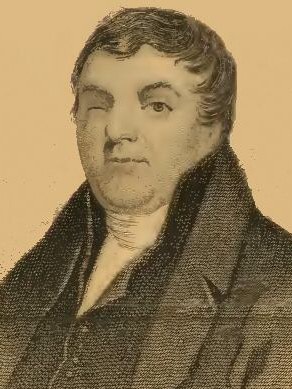 Christmas Evans 1766–1838 · 6
sermons
Christmas Evans 1766–1838 · 6
sermons
Self-taught farm labourer who became the greatest of the Welsh preachers, the “Bunyan of Wales.”
Fall and Recovery of Man
Romans 5:15Christmas Evans's most famous sermon, and the one Welshmen still quote: the whole gospel told as a single unfolding scene. Man is created in God's image, the crown of righteousness falls, and Mercy and Justice contend at the throne until the blood of Christ answers both. Preached in the open air across Wales by the great one-eyed Baptist.
The Triumph of Calvary
Isaiah 63:1"Who is this that cometh from Edom, with dyed garments from Bozrah?" Evans takes Isaiah's vision of the lone conqueror returning red from battle and reads it as Christ coming back from Calvary, having trodden the winepress alone. A sermon of one towering image, held up until the cross looks like the victory it is.
The Resurrection of Jesus
Matthew 28:6"He is not here; for he is risen." Evans stands at the empty tomb and presses what it proves — that the ransom was accepted, death is a beaten enemy, and the grave of every believer is now only a place where the Lord once lay. The angel's invitation, "Come, see the place," becomes the whole sermon's refrain.
The Smitten Rock
1 Corinthians 10:4“That rock was Christ.” Evans follows the rock at Horeb — smitten once, by the rod of God, in public, in God’s presence — to Calvary, and warns that Moses sinned by striking twice. Then he lets the waters flow: twelve streams from one fountain, maidens running with pitchers, the whole camp drinking, a picture of Pentecost and of the church’s joy.
The Song of the Angels
Luke 2:14Evans takes the angels’ anthem at Bethlehem phrase by phrase. The incarnation reveals a new glory, “the glory of mercy”; peace comes only through the blood of Jesus, which alone can quiet an accusing conscience; and good will sounds from the manger itself, as Evans imagines the Infant challenging all the powers of darkness to defeat his grace.
The Demoniac of Gadara
Luke 8:26-39In his most celebrated sermon Evans retells Luke’s story with a storyteller’s freedom: the terror of the tombs, the swineherds stammering before their master, and the healed man walking home slowly on the footpath while his frightened children bolt the door — then sitting down to tell them what great things God has done for him.
 Corrie ten Boom 1892–1983 · 6
sermons
Corrie ten Boom 1892–1983 · 6
sermons
Dutch watchmaker who hid Jews from the Nazis, survived Ravensbrück, and preached forgiveness.
Ten Boom presses the question of total surrender — not a partial, compromising commitment but the whole self handed to God — and testifies to what he does when we finally stop holding back.
Out of her own suffering, ten Boom tells of the reality of the love of Jesus Christ — a love deeper than the deepest darkness, sufficient for every enemy and every fear.
Ten Boom on prayer as real power — the believer's direct line to God, to be used boldly and without ceasing, in intercession and in the fight against darkness.
Ten Boom's signature message — how to forgive, drawn from her own struggle to forgive her Ravensbrück captors, and the discovery that forgiveness is an act of the will that God then makes real in the heart.
Ten Boom speaks of tribulation in the last days and how the child of God may stand — not in their own strength but in Christ, who has already overcome the world.
The Greatest of These Is Love
1 Corinthians 13:13Beginning with her conversion at age five, ten Boom traces a life that proves the greatest of faith, hope, and love is love — and that the love of God never fails, even in a concentration camp.
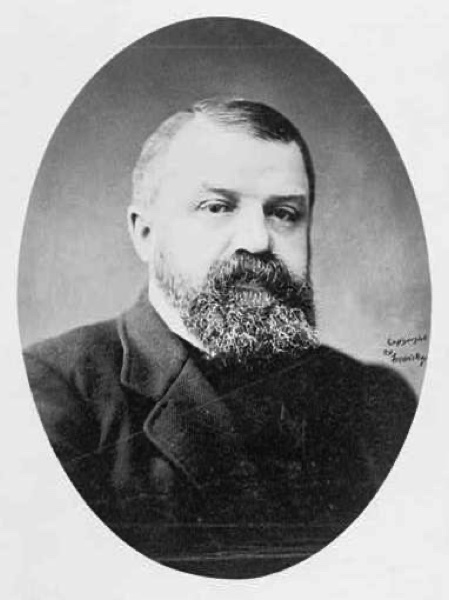 Dwight L. Moody 1837–1899 · 11
sermons
Dwight L. Moody 1837–1899 · 11
sermons
Boston shoe salesman who became the best-known evangelist of the nineteenth century.
Christ's Boundless Compassion
Matthew 14:14Christ hears that John has been beheaded, withdraws, is followed, and is moved anyway — Moody starts where Matthew does, then gathers case after case of that compassion reaching people at their least deserving: the widow's son, the man robbed and spoiled, the prodigal, the backslider who has lost his testimony, and Jerusalem, wept over as it refused him.
Christ All in All
Colossians 3:11Moody works through Colossians office by office — Saviour, Redeemer, Deliverer, Leader, Light, Teacher, Shepherd, burden-bearer — each meeting a need the one before it uncovers: to be pulled from the water is not yet to be bought back, and Israel out of Egypt still needed a way through the desert. He breaks off admitting the list could not be finished this side of eternity.
Eight "I Wills" of Christ
Matthew 11:28Moody gathers eight promises in which Christ says 'I will' — rest, a welcome for whoever comes, cleansing, confession before the Father, power to win others, comfort, resurrection, glory — and sets God's word against ours, which we break for want of will or of power. He closes by asking for a ninth, the prodigal's: 'I will arise, and go to my father.'
The Dying Thief
Luke 23:39-43The last man saved before Christ died is Moody's answer to everyone who distrusts a sudden conversion: he asks how long God needs to save a soul, then walks the thief through it — conviction, confession, an unashamed word for Christ before a jeering crowd, and the request itself. He closes with a dying soldier who asked that his mother be told he died looking up.
Rest
Matthew 11:28Asked once which of Christ's promises was the most precious, Moody found he could not choose — a father cannot name a favourite child — but keeps returning to this one, and to the two rests inside it: the rest given to whoever comes, and the rest found afterwards by whoever takes the yoke. He ends at the bedside of a sick child who wanted only to be held.
The New Birth
John 3:3Regeneration is the foundation-stone, Moody argues, and a man unsound there is unsound everywhere — so he clears away the substitutes one at a time: born to Christian parents, baptised, admitted to a church, morally respectable, full of good resolutions. None of them is birth. The change is God's work and comes at once.
The Way of Salvation
Acts 16:23-40Not a sermon at all by its own account, only an answer to the jailer's question — and the whole address turns on Moody's distinction between believing about Christ and receiving him, pressed through the figure of a marriage, where consent has to be given, and through Ruth's choice against Orpah's. It ends at the door where Christ stands knocking.
Come Thou and All Thy House into the Ark
Genesis 7:1Give up the ark, Moody says, and he would give up the whole Bible — and he reads God's word to Noah as a summons addressed to a household rather than to a man alone. The weight of it falls on parents, and on the door that God shut himself, before ending with a dying boy who promised to tell Jesus that his father had prayed for him.
Naaman the Syrian
2 Kings 5Moody makes the leprous Syrian captain a mirror for every sinner: great, honoured, capable — and yet carrying a blight no rank can cover. He follows Naaman past his pride at the plain command to wash in Jordan, past his “are not the rivers of Damascus better?”, down to the seventh dipping and the flesh come again like a little child’s — the gospel’s whole lesson that God’s cure is free and simple, and refused only by those too proud to stoop for it.
The Right Kind of Faith
Acts 16:30“What must I do to be saved?” — and the answer, “Believe,” at once raises Moody’s real question: what is it to believe? He divides the faith that merely assents to facts about Christ from the faith that trusts and rests on Christ himself, picturing the balloon-rope seized instead of the car — a hold that feels like faith and saves no one. The right kind of faith, he urges, lets go of every other rope and casts its whole weight on the Saviour.
One Word—"Gospel"
1 Corinthians 15:1Moody takes a single word for his text — “gospel” — and grieves how little it is understood in a land that hears it hourly. He unfolds its plain meaning, good tidings, and its content in Paul’s summary: Christ died for our sins, was buried, and rose again. Good news is not good advice, he insists; it is something already done, to be received rather than achieved, and glad tidings only to those who know they are lost.
 Elisabeth Elliot 1926–2015 · 6
sermons
Elisabeth Elliot 1926–2015 · 6
sermons
Missionary who lived among the Waorani who killed her husband, and wrote on suffering and obedience.
I Keep a Quiet Heart
Psalm 131:2Elliot on the discipline of a quiet heart — stilled and weaned like a child (Psalm 131), learning to trust God amid noise, hurry, and uncertainty.
Elliot on where real rest is actually found — not in control or in ease, but in surrender to a God who can be trusted with everything we cannot manage.
Elliot on the meaning of the cross — the truth Christians can never get beyond needing to remember, and the claim it lays on the whole of a life.
Hearts Set on Pilgrimage
Psalm 84:5From Psalm 84, Elliot on the blessing of those whose hearts are set on pilgrimage — who pass through the valley of weeping and find it, unexpectedly, a place of springs.
Christ Lives in Me
Galatians 2:20Elliot on the new self put on in Christ — no longer I who live, but Christ who lives in me (Galatians 2:20) — and what that daily exchange actually asks of us.
Elliot on the women who make a difference — not by the world's measure of influence, but by obedience, faithfulness, and a life quietly given over to God.
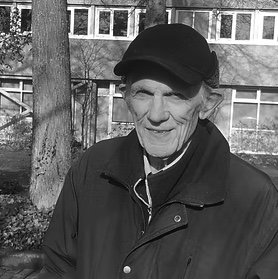 Gareth Evans b. 1938 · 11
sermons
Gareth Evans b. 1938 · 11
sermons
Welsh itinerant pastor, teacher and devotional writer who ministers to the hurting church.
Abiding in Christ
John 15:1-11Preaching from John 15:1-11, Evans reads Jesus' words about the true vine against their Old Testament background — Israel as God's fruitless vineyard — and turns the image toward personal discipleship: not merely believing in Christ, but abiding in him through pruning, obedience, and daily communion with the Father. He closes with two stories, from a Mexican orphanage and a prayer meeting that anticipated a ship bought to reach First Nations offenders, of what it means to hear God's heartbeat rather than simply ask him for things.
Broken Before the Throne
Exodus 33:18-23Preaching from Exodus 33:18-23, Gareth Evans traces Moses from the golden calf to the cleft of the rock, arguing that revival has preconditions — repentance, unity, and a hunger that will not settle for an angel in God's place. The sermon presses toward Moses' own cry, 'Show me your glory,' insisting that a people must be broken before the cross before they can be broken before the throne.
Burdens and Gifts
Exodus 25:40Preaching from Exodus 25 on the pattern God gave for carrying the tabernacle furniture, Evans works through the widow's pot of oil in 2 Kings 4 and the ark's long exile in 1 Samuel 4-6 to press one point: God gives every believer a burden to carry and a gift to carry it with, and both must be carried his way, yoked to Christ, not the world's way. He closes by calling the church to unity and inviting anyone still carrying an unaddressed burden of sin to come to Christ.
Caleb: A Different Spirit
Numbers 14:24Preaching from Numbers 14:24 on the report of the twelve spies, Evans contrasts the church's contentment with a manna-and-quail wilderness existence against Caleb's "another spirit" that wholly followed the Lord into the promised land. Turning to Caleb's plea for Hebron in Joshua 14, he traces five marks of Caleb's seed — worship, wholly following God, a different spirit, renewed youth, and the conquest of giants — illustrated by a young Chinese businessman's sudden conversion, and closes with a call to strive, now, into God's rest rather than settle for the wilderness.
Faith
Ephesians 1:15Preaching from Ephesians 1:15 on the trio of faith, hope, and love, Evans works through what faith is not — belief, presumption, hope, positive thinking — before tracing three biblical aspects of it: the gift that saves, the fruit the Spirit grows, and the gift that moves a person or a church to act. He lands on a single definition: faith as an attribute of the heart, evidenced in obedience, pictured as holding the Father's hand through both sweet shop and dentist's shop alike.
Four Reasons We Need Revival in North America
Exodus 3:1-6Preaching from Exodus 3, Evans traces his own hunger for revival to the 1904 Welsh revival and to Moses at the burning bush, then names four reasons North America needs it now — his own soul, his church, his country, and his Savior's worth. Reading from The Harbinger and 2 Chronicles 7:14, he urges believers not to bury their heads like ostriches but to lift their eyes, bend the knee, and seek God's face together in prayer.
Guard the Fire
2 Timothy 1:6-7Preaching on Pentecost Sunday from 2 Timothy 1, Evans traces the fire of God's presence from the disciples in the upper room to Moses at the burning bush and the revivals of Wales and Nunavut, then turns the history into a charge: guard the flame God has lit in you. Drawing on decades of pastoral experience and personal testimony, he presses hearers, worship leaders, and pastors alike to seek God's presence itself, not just songs or activity, and to tarry until they receive it.
Guard the Gift
Isaiah 40:28-31Preaching from Isaiah 40 and Psalm 103 on those who mount up with wings as eagles, Gareth Evans presses beyond receiving a spiritual gift to guarding, recognizing, and exercising it. Through the stories of Jackie Pullinger, Yori Richards, and ordinary church members released into ministry, he traces why so many never learn to fly — unhealed wounds, ignorance of the call, wings clipped by their own leaders — and holds up the widow's pot of oil in 2 Kings 4 as the pattern for doing it God's way.
Guard the Truth
Acts 20:17-32Preaching from Acts 20 and Paul's letters to Timothy, Gareth Evans recounts his own conversion as a teenager in Wales and traces what it means to guard the paratheke — the treasure of the gospel entrusted to every believer. He presses hard on repentance as the door into the riches Paul describes in Ephesians, and closes with stories from the streets of Victoria, urging the church to trade lukewarm entertainment for a costly, disciplined pursuit of Christ.
Mary of Bethany
John 11:32-35A short meditation on John 11, tracing Martha and Mary's different responses when Jesus finally arrives after Lazarus's death — Martha comes out to meet Him, Mary stays home, offended. Evans suggests Jesus wept not for Lazarus but because Mary was offended, and closes on obedience and trust as weightier in the Lord's service than prominence.
The Glory of His Inheritance
Ephesians 1:15-18Preaching from Paul's prayer in Ephesians 1, Evans traces the riches of the glory of God's inheritance in the saints by first asking what Christ himself inherited from the Father — a name, the keys of death and hell, a throne, a book, and a bride. He closes by turning that inheritance toward the listener: a joint heir with Christ, called to walk now in its foretaste.
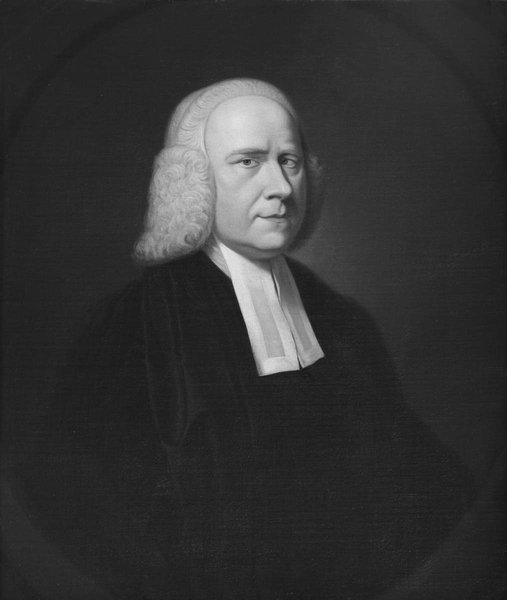 George Whitefield 1714–1770 · 6
sermons
George Whitefield 1714–1770 · 6
sermons
Open-air preacher of the Great Awakening, heard by vast crowds in Britain and colonial America.
The Method of Grace
Jeremiah 6:14Whitefield's most famous sermon, on the false prophets who cry “Peace, peace” where there is no peace. He lays out the way God actually brings a soul to peace — conviction of actual sin, of original sin, of one's own righteousness, and of unbelief — before the heart closes with Christ. A searching sermon, preached to thousands in the open air.
Marks of a True Conversion
Matthew 18:3“Except ye be converted, and become as little children.” Whitefield asks what conversion really is and gives his hearers plain marks to try themselves by — the simplicity, dependence, and teachableness of a child before its Father. Warm, direct, and meant to be answered on the spot.
Walking with God
Genesis 5:24“Enoch walked with God.” From those four words Whitefield draws a whole portrait of the Christian life: what it means to walk with God, the means of keeping step with him — prayer, the Word, the company of his people — and the end of such a walk, when God takes his friend home.
Christ the Believer's Wisdom, Righteousness, Sanctification and Redemption
1 Corinthians 1:30Whitefield calls this one of the most comprehensive verses in the Bible, and preaches it as the whole gospel in miniature: Christ made to the believer wisdom, righteousness, sanctification, and redemption — the fourfold gift, each in its order, and all of it flowing from the everlasting love of the Father.
The Lord Our Righteousness
Jeremiah 23:6Self-righteousness, Whitefield says, is the last idol rooted out of the heart. Against it he sets the doctrine that shaped his whole ministry: the righteousness of Christ imputed to the believer, so that the Lord himself is our righteousness. A sermon meant to strip a hearer of every plea but Christ.
Intercession Every Christian's Duty
1 Thessalonians 5:25Why is there so little love among Christians? Because, Whitefield answers, so few of them pray for one another. He recovers intercession as the neglected root of Christian love — whom to pray for, and how — and presses it home as a duty no believer may leave to the ministers.
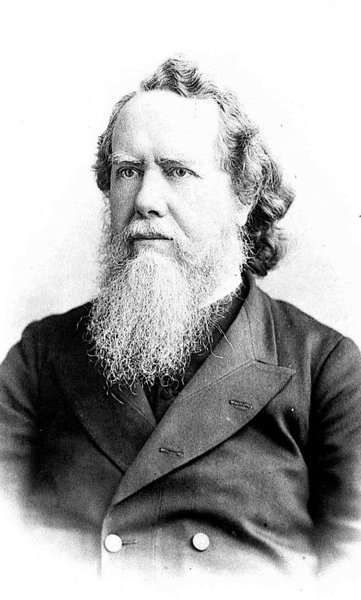 Hudson Taylor 1832–1905 · 9
sermons
Hudson Taylor 1832–1905 · 9
sermons
English missionary who founded the China Inland Mission to reach China’s unreached interior.
Unfailing Springs
John 4:14Written out of Hudson Taylor's own exhaustion in inland China, where he had begun to wonder whether he ought to stop preaching altogether. He presses Christ's promise until it yields its weight — 'shall' means shall, 'never' means never, and 'drinketh' is a habit, not a single draught — then shows the well becoming a spring, since the overflow depends not on the size of the vessel but on the supply.
Blessed Adversity
Psalm 23:6If goodness and mercy follow the believer all his days, then days of adversity are days of blessing too. Taylor reads Job's calamities as God's own doing rather than Satan's — the enemy is servant, never master — and presses the reader to take every sorrow from a Father's hand, whoever carried it.
A Ribband of Blue
Numbers 15:38-39Israel was commanded to wear a ribband of blue — heaven's own colour — on the fringe of every garment, that they might remember and do all the LORD's commandments. Taylor makes it a picture of the believer marked out for God, carrying a heavenly reminder to obedience into the ordinary detail of daily life.
Blessed Prosperity
Psalm 1Meditating on the First Psalm, Taylor sets the prosperity that comes from beneath — the fleeting success of the wicked that so perplexes God's servants — against the blessedness of the man who delights in the law of the LORD. Planted by the rivers of water, that man bears fruit in his season, and whatever he does prospers.
A Full Reward
Ruth 2:12Boaz blesses Ruth, who left father, mother and homeland to shelter under the wings of the God of Israel, with the prayer that the LORD give her a full reward. Taylor reads her as a type of the soul that forsakes all to trust God, and finds that He is no man's debtor.
Self-Denial versus Self-Assertion
Luke 9:23"If any man will come after Me, let him deny himself, and take up his cross daily." Against the self-assertion natural to us all, Taylor sets Christ's call to daily cross-bearing, and shows that the cross is not the LORD's to carry alone but the believer's constant following in His steps.
All Sufficiency
Psalm 84:11"The LORD God is a Sun and Shield… no good thing will He withhold from them that walk uprightly." Taylor unfolds the all-sufficiency of God — light and defence, grace for now and glory to come — and the single condition attached to the promise: an upright walk.
Under the Shepherd's Care
1 Peter 2:25“Ye were as sheep going astray; but are now returned unto the Shepherd and Bishop of your souls.” A short study from A Ribband of Blue: what we were, what we have been brought back to, and how blessed it is to be watched over, provided for, and led by such a Shepherd. Hudson Taylor at his most tender.
Coming to the King
1 Kings 10:13The Queen of Sheba came to Solomon with hard questions and went home with more than she asked. Hudson Taylor reads her journey as a pattern for coming to Christ, the greater than Solomon — the distance, the hard questions, the open communing, and the royal bounty given to everyone who comes.
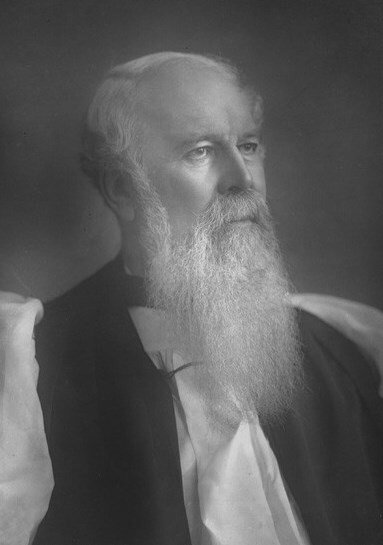 J. C. Ryle 1816–1900 · 7
sermons
J. C. Ryle 1816–1900 · 7
sermons
First Bishop of Liverpool and a plain-spoken leader of Victorian evangelicals.
Do You Pray?
Luke 18:1Ryle presses a single question home — “Do you pray?” — and calls it the surest test of a real Christian, because private prayer is the one duty no one but God can see you keep. He answers the excuses one by one, insists that a prayerless soul is a Christless soul, and urges that the gap between a thriving believer and a starved one is almost always the gap between their praying. “Diligence in prayer,” he writes, “is the secret of eminent holiness.”
Are You Born Again?
John 3:3“Except a man be born again, he cannot see the kingdom of God.” Ryle refuses to let anyone rest in “I belong to the church, and I suppose I am,” and turns instead to the plain marks of the new birth that John's first epistle lays down — a life that no longer makes sin its practice, that believes, loves, overcomes the world, and keeps itself. He holds them up not to torment but to test, so a reader may know, and not merely hope, whether he is born of God.
Ryle draws the line the anxious believer most needs drawn — between faith, which saves, and assurance, which comforts. A trembling soul may truly lay hold of Christ and still lack the settled confidence that Christ is his; the two are distinct gifts, and to confuse them is to rob weak believers of their peace. He commends assurance as a thing worth seeking, shows why so few enjoy it, and points the way to it through diligent, close walking with Christ.
Christ Is All
Colossians 3:11Three short words, Ryle says, are “the essence and substance of Christianity.” He traces Christ through God’s counsels, through every book of the Bible, through the believer’s justification, holiness, comfort and hope, and into heaven. Then he warns against a Christless religion, or Christ plus anything, and urges believers to lean on him far more.
Are You Forgiven?
1 John 2:12“Are you a pardoned soul?” Ryle presses the question home. All need forgiveness, and none comes through ministers, sacraments or tears, only through simple faith in Christ. He sets out a pardon that is full, free, present and everlasting, then names its marks: forgiven souls hate sin, love Christ, walk humbly and forgive others.
Living or Dead?
Ephesians 2:1“You hath he quickened who were dead.” Ryle insists that “dead” is the Bible’s word for every soul without Christ, and that nothing short of new birth will do: not mending, but a resurrection. Only the Spirit gives that life, and since he made Paul, Luther, Bunyan and Newton new, Ryle never despairs of anyone.
Only One Way
Acts 4:12The words come from Peter, the man who “three times over denied his Lord,” now standing before the council. Ryle, first preaching them as a lecture in Ipswich, shows that Christ is the only way to heaven, then argues that it must be so “because man is what man is,” God is what God is and the Bible is what the Bible is, and draws out what follows for the church.
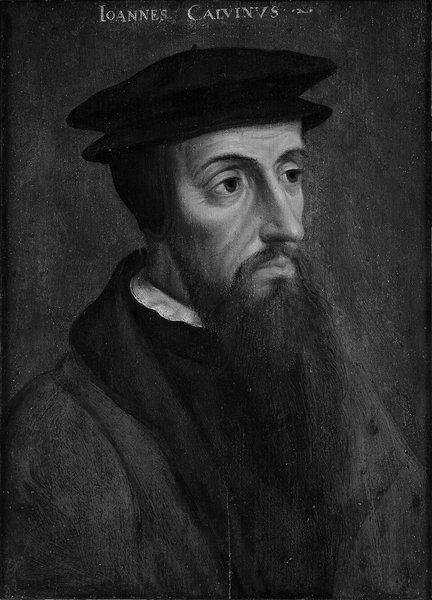 John Calvin 1509–1564 · 4
sermons
John Calvin 1509–1564 · 4
sermons
French reformer and pastor of Geneva, the leading theologian of the Reformation’s second generation.
Enduring Persecution for Christ
Hebrews 13:13Preached to a church under persecution: Calvin argues that no one suffers patiently for the gospel without first being sure of the cause, then calls believers to go out “without the camp” and bear Christ's reproach—their eyes fixed on the resurrection, where all their joy and triumph lie.
The Mystery of Godliness
1 Timothy 3:16“God was manifest in the flesh.” Calvin marvels that the Lord of glory joined himself to our wretchedness, and grieves that scarcely one in ten could explain it as well as a child. Christ must be true God to save us and true man to be our brother: two natures in one person, as two eyes join in a single gaze.
God Will Have All Men to Be Saved
1 Timothy 2:3-5Calvin reads Paul as speaking of “all sorts of men, and of all people”: the wall between Jew and Gentile is down, and the gospel is offered to every nation and condition. He defends election against those who abuse the text, yet presses his hearers to pray for all and to draw in those who seem “afar off.”
All Scripture Is Given by Inspiration
2 Timothy 3:16-17Scripture is our spiritual sword, and Calvin will not let us “pick and cull” it to suit our fancy. Because God speaks in it, it rules over every human tradition; because it is profitable, it teaches, reproves, corrects and instructs, reforming our lives rather than making us “eloquent and subtle.”
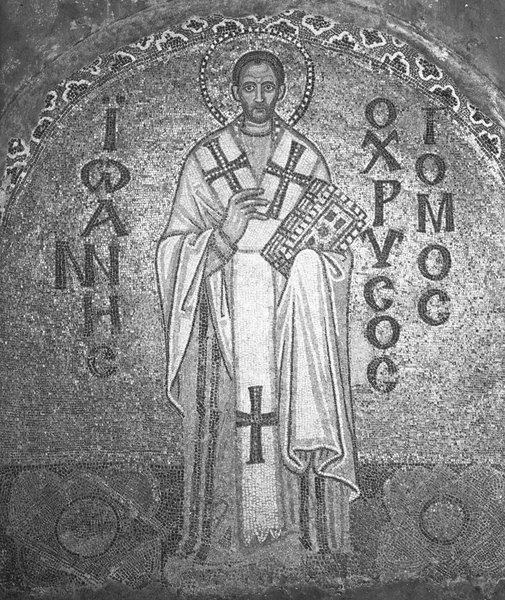 John Chrysostom 347–407 · 5
sermons
John Chrysostom 347–407 · 5
sermons
The “golden-mouthed” preacher of Antioch and Constantinople, greatest of the ancient church.
Against Eutropius
Ecclesiastes 1:2“Vanity of vanities”—preached in the cathedral at Constantinople while Eutropius, the fallen court minister who had once tried to strip the Church of its right of sanctuary, clung trembling to the very altar he had attacked. Chrysostom spares him nothing and yet pleads for him, turning the man's ruin into a sermon on the emptiness of power and the mercy that shelters even an enemy.
Written from exile, near the end of his life, Chrysostom's most consoling treatise: nothing outside a man — not loss, exile, slander, sickness, or death — can harm him; only his own sin can. He proves it from Job, Joseph, the three children in the furnace, and Paul in chains, and turns every trial into a field for virtue.
Homily II on the Statues
1 Timothy 6:17“The present season is one for tears, and not for words.” After seven days of silence in an emptied, terrified Antioch, Chrysostom mourns the city whose crowds have fled, then turns to Paul’s charge to the rich: wealth is a runaway servant that cannot save them now, while humility, almsgiving and trust in God can.
Chrysostom finds a “rich and large treasure” in the patience of the man who lay thirty-eight years by the pool, then shows he is not the paralytic let down through the roof: one was alone, the other carried by friends; one healed in body first, the other forgiven first. Christ treats each as he needs, and proves he can forgive sins as God does.
Concerning Lowliness of Mind
Philippians 1:18Humility, Chrysostom says, is the foundation without which every virtue falls, as the Pharisee was shipwrecked in the harbour. He then rescues Paul’s “whether in pretence or in sincerity” from those who use it to excuse heresy — Paul’s rivals preached sound doctrine from spite, hoping to rouse Nero against him — and ends with the Canaanite woman, whose persistence made the unworthy worthy.
 John Newton 1725–1807 · 8
sermons
John Newton 1725–1807 · 8
sermons
Slave-ship captain turned pastor who wrote “Amazing Grace” and opposed the slave trade.
Comfort Ye My People
Isaiah 40:1Newton opens his Messiah discourses where Handel's oratorio opens — with God's charge to “comfort ye my people.” He asks what warrant a minister has to speak comfort to the guilty, and finds it in the finished work the verse announces: the warfare accomplished, the iniquity pardoned, the double received at the Lord's hand. Real comfort, he insists, is not soothing words but the good news that God himself is now reconciled in Christ.
Come Unto Him
Matthew 11:28“Come unto me, all ye that labour.” Newton marvels at the invitation's mixture of majesty and grace — an earthly king would be bankrupt in a day if all the poor applied to him, but the riches of Christ are unsearchable and never fail. He presses that the only qualification named is need, that the heavy-laden are the very ones called, and that the rest offered is not a wage to be earned but a gift to be received by simply coming.
Behold the Lamb of God
John 1:29Newton sets the Baptist's cry — “Behold the Lamb of God” — against the whole visible creation, whose wonders somehow leave us unmoved. Greater than every work of God's hand, he argues, is the Lamb who takes away the sin of the world: the one object worth arresting every eye. He unfolds why the Redeemer is figured as a lamb — the innocence, the meekness, the sacrifice — and turns the announcement into a summons to look and live.
If God Be for Us
Romans 8:31Some joys are too big for words, Newton observes, and Paul's “If God be for us, who can be against us?” is one of them — a question flung out because no statement could hold the wonder. He weighs what it means to have God himself on our side: not that opposition ceases, but that none of it can finally prevail. Every accuser — sin, law, death — is answered by the God who gave his own Son, and the believer is left more than a conqueror.
Worthy Is the Lamb
Revelation 5:12Newton closes his Messiah discourses with heaven's own song, “Worthy is the Lamb that was slain.” As the queen of Sheba crossed a wilderness to see a king greater than report, he says, so faith journeys toward a greater King still — and is never disappointed. He gathers the sevenfold ascription — power, riches, wisdom, strength, honour, glory, blessing — into one theme: that the Lamb once slain is now the object of endless worship, and that to join this song below is the gospel's highest end.
Unto Us a Child Is Born
Isaiah 9:6One of Newton’s discourses on the texts of the Messiah oratorio. He notes that people may be moved by the music yet ashamed to be moved by the words, then walks through each name: Wonderful, Counsellor, the Mighty God, the Everlasting Father, the Prince of Peace. He ends by pleading with the undecided not to delay: “Why are you afraid of being happy too soon?”
He Was Despised
Isaiah 53:3Socrates guessed that a perfectly good man would be hated and put to death; Newton finds the guess fulfilled in the Messiah. He traces why Jesus was despised — his poverty, his claims, his lowly followers, his searching teaching — shows the same prejudices still at work against the gospel, and warns believers not to add their own failings to its reproach.
I Know That My Redeemer Liveth
Job 19:25-26Job’s cry opens the third part of the Messiah oratorio, and Newton takes it phrase by phrase: the Redeemer as the near kinsman who pays the ransom, the “appropriating word” my, his standing upon the earth, and Job’s hope of seeing God in his own flesh. Along the way he gives a humble account of assurance as something weak faith grows into.
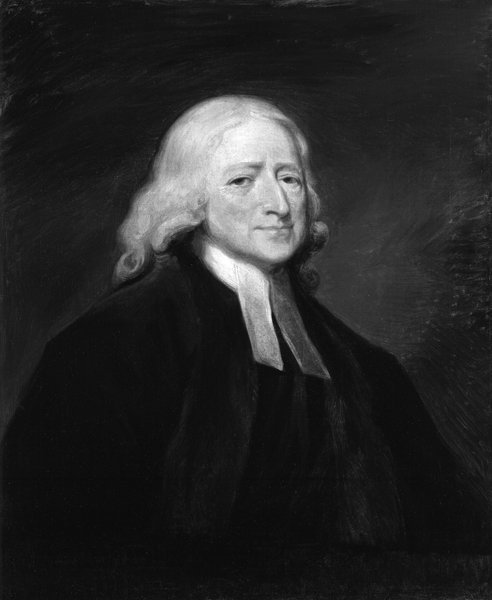 John Wesley 1703–1791 · 7
sermons
John Wesley 1703–1791 · 7
sermons
Founder of Methodism and tireless itinerant preacher of the eighteenth-century revival.
Salvation by Faith
Ephesians 2:8Not the faith of a heathen, nor of a devil, nor even what the apostles held while Christ was still on earth — Wesley clears each away in turn before saying what saving faith is: not a cold assent, a train of ideas in the head, but a disposition of the heart. Preached before the University at Oxford three weeks after Aldersgate.
The Almost Christian
Acts 26:28Wesley, who once reckoned himself one of them, maps the almost Christian with unsettling precision: the honesty, the good works, the outward religion, a real form of godliness — everything but the one thing. Then he names what the altogether Christian has that the other lacks: the love of God and neighbour, and a faith that lays hold of Christ. Preached before the University at Oxford.
The Circumcision of the Heart
Romans 2:29Wesley's earliest University sermon, and one he never disowned: true religion is not the outward mark but the circumcised heart — humility, faith, hope, and love. He traces each in turn and closes on the love that fulfils the law. Preached at Oxford five years before Aldersgate, yet already sounding his lifelong note of holiness of heart.
Catholic Spirit
2 Kings 10:15“Is thine heart right, as my heart is with thy heart? ... give me thine hand.” Wesley builds a whole doctrine of Christian love on Jehonadab's answer: a man may differ from me in opinion and in worship and yet be one with me in heart. He is careful, though, to say what a catholic spirit is not — neither indifference to truth nor a speculative muddle — before naming what it is.
The Scripture Way of Salvation
Ephesians 2:8“Ye are saved through faith.” Wesley calls salvation a present thing: it begins in justification and carries on through sanctification toward perfect love. Faith is the only condition of both, so the believer may look for full salvation by faith alone: “expect it as you are; and expect it now!”
The Use of Money
Luke 16:9Money is not to blame, Wesley says; in the hands of God’s children it is “food for the hungry, drink for the thirsty, raiment for the naked.” He gives stewards three plain rules (gain all you can, save all you can, give all you can) and bids them render to God “not a tenth, not a third, not half, but all.”
The Witness of the Spirit
Romans 8:16Wesley steers between enthusiasts who mistake their own imagination for God’s voice and cautious men who deny the gift altogether. The Spirit witnesses directly “that I am a child of God,” he argues, and our own spirit confirms it by its fruits: a humble joy, meekness and glad obedience, which the presumptuous self-deceiver can never show.
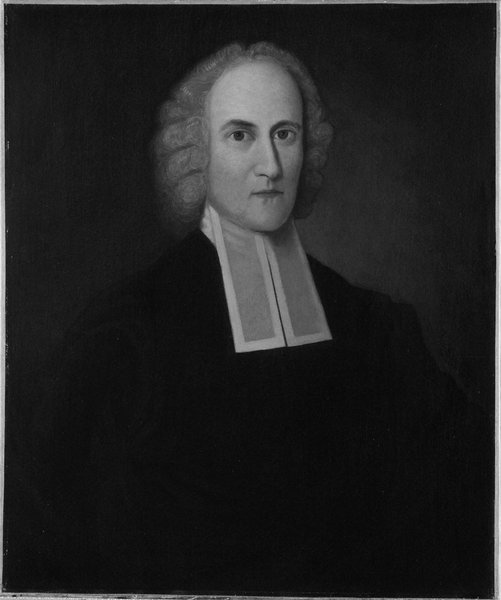 Jonathan Edwards 1703–1758 · 8
sermons
Jonathan Edwards 1703–1758 · 8
sermons
Northampton pastor and theologian at the heart of the First Great Awakening.
Sinners in the Hands of an Angry God
Deuteronomy 32:35The most famous sermon ever preached in America. At Enfield, Connecticut, in the summer of 1741, Edwards read this in a level voice while his hearers cried out and clung to the pillars: the unconverted held over the pit by nothing but the hand of a God who is under no obligation to keep holding. Its terror is in service of one appeal — that an extraordinary opportunity stands open now.
A Divine and Supernatural Light
Matthew 16:17“Flesh and blood hath not revealed it unto thee.” Edwards's clearest account of what happens in conversion: not new information, not a warmed imagination, but a light immediately imparted by the Spirit — a real sense of the excellency of divine things that the natural mind cannot produce. He shows it to be both scriptural and rational, and then asks whether the hearer has it.
God Glorified in Man's Dependence
1 Corinthians 1:29-31The first thing Edwards ever published, preached at the Boston lecture when he was twenty-seven: redemption is so arranged that man depends on God for everything — the good itself, the giving of it, and the way it comes — so that no flesh may glory in his presence. A young man's manifesto for the whole Awakening that followed.
The Excellency of Christ
Revelation 5:5-6John is told to behold a Lion, and turns to see a Lamb. Edwards takes that moment and unfolds the “admirable conjunction of diverse excellencies” in Christ — infinite majesty with infinite condescension, justice with grace, sovereignty with obedience — first in his person, then in his humiliation, then in his exaltation. His most loved sermon, and the gentlest.
Safety, Fulness, and Sweet Refreshment in Christ
Isaiah 32:2“As the shadow of a great rock in a weary land.” From Isaiah's four pictures — a hiding-place from the wind, a covert from the tempest, rivers in a dry place, the shadow of a rock — Edwards draws what Christ is to the soul that comes to him: safety, fulness, and sweet refreshment. A sermon of comfort, to be read slowly.
Pressing into the Kingdom of God
Luke 16:16Edwards preached this in Northampton during the awakening of 1734–35. To press into the kingdom, he says, takes strong desire, firm resolution and great effort that break through every hindrance. Then he pleads with the awakened and the unawakened, the old and the young, not to let this season of the Spirit pass: “if you sit still, you die.”
The Christian Pilgrim
Hebrews 11:13-14The patriarchs “confessed that they were strangers and pilgrims on the earth,” and Edwards bids us live the same way. Like a traveller who rests at an inn but never settles there, we should hold the world’s comforts loosely and climb toward heaven, where God is the sun and earthly joys are “but scattered beams.” He ends by urging Christians to travel in company.
Christian Charity
Deuteronomy 15:7-11“Thou shalt open thine hand wide unto thy brother.” Edwards presses giving to the poor as a duty as binding as prayer, reminding his hearers that their goods are only lent to them and that what they give is bread cast upon the waters. Then he answers their excuses one by one: the poor are not in extremity, they are ungrateful, the town provides.
 Martin Luther 1483–1546 · 6
sermons
Martin Luther 1483–1546 · 6
sermons
German monk whose recovery of justification by faith alone sparked the Protestant Reformation.
Paul's Praise of Christian Love
1 Corinthians 13Luther reads Paul's great chapter as a rebuke to proud teachers and preachers: tongues of men and angels, all knowledge, faith to move mountains, even a martyr's death—without love they are nothing. He sets love above every gift as the Spirit's own fruit, and the surest mark of a real Christian.
The Appearing of the Grace of God
Titus 2:11-15Luther's Christmas Eve sermon from the Church Postil of 1522, on “the grace of God that bringeth salvation hath appeared to all men.” He sets the text's two evils — ungodliness and worldly lusts — against the Christian life it teaches, and arms the hearer with the text itself. Marked in the old editions as Luther at his best.
One of Luther's most popular writings of the early Reformation (1519), a Good Friday sermon in three movements: the false ways of meditating on Christ's passion, the true way — seeing one's own sins in his wounds until the heart is terrified — and then the comfort of it, when the same wounds are seen as the love of God.
The Story of the Birth of Jesus
Luke 2:1-14Luther lingers in the stable: a poor young wife is turned from the inn, and the birth passes unnoticed in Bethlehem while heaven rejoices. Then he presses the angel’s “to you,” insisting that faith must make this birth our own. He reads the swaddling clothes as the Scriptures in which Christ lies wrapped, and sends his hearers to serve the needy beside them.
Of Christ's Resurrection
Mark 16:1-8The women go to the tomb without a thought for the stone, carried there by love. Luther turns to Paul’s “raised for our justification”: our sins, laid on Christ, could not hold him. When sin still stirs, faith and feeling are different things: “You may tie a hog ever so well, but you cannot prevent it from grunting.”
The Office of the Holy Spirit
John 14:23-31At Sinai the Law was written on stone; at Pentecost, Luther says, the Spirit writes “in fiery flame on the heart.” His office is not to make laws but to comfort the sorrowful and make Christ our own, and his peace changes “the heart, removing it from the affliction, not the affliction from the heart.” It is a work begun, never finished in this life.
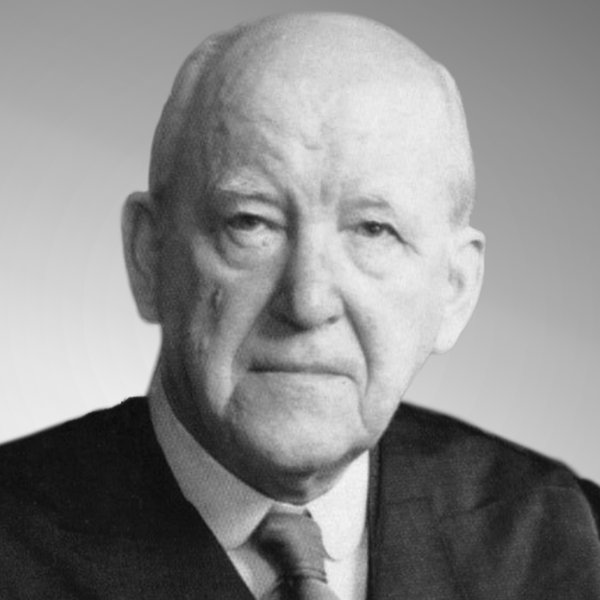 Martyn Lloyd-Jones 1899–1981 · 11
sermons
Martyn Lloyd-Jones 1899–1981 · 11
sermons
“The Doctor”: a physician who left medicine to preach at Westminster Chapel for thirty years.
The Salt of the Earth
Matthew 5:13From the Sermon on the Mount, Lloyd-Jones turns from the Christian's character to the Christian's function: to be salt in a decaying world. He warns against salt that has lost its savour and calls the church to a distinctiveness that preserves.
The Light of the World
Matthew 5:14-16Lloyd-Jones expounds one of the most astounding things ever said of a Christian — that he is the light of the world — and shows how a life lit from within cannot be hidden, but points those who see it to the Father.
God or Mammon
Matthew 6:19-24No one can serve two masters. Lloyd-Jones exposes the divided heart and the quiet pull of earthly treasure, and presses the impossibility of serving God and money at once — a warning, he notes, addressed to Christians and not to the world.
Jesus on Prayer
Matthew 6:5-8Christ's teaching on prayer — against praying to be seen and against the empty repetition of many words. Lloyd-Jones draws out the reward of secret prayer and the Father who knows our need before we ask.
The Parable of the Prodigal Son
Luke 15:11-32On the best-known of all the parables, Lloyd-Jones reads the far country, the coming to himself, and the running Father — and turns also to the elder brother, whose sin is the more respectable and, for that reason, the more dangerous.
Working Out Our Own Salvation
Philippians 2:12-13“Work out your own salvation … for it is God which worketh in you.” Lloyd-Jones holds the two halves together — human effort and divine working — against both passive quietism and anxious self-effort.
So Great Salvation
Hebrews 2:1-4How shall we escape if we neglect so great salvation? Lloyd-Jones presses the peril not of openly rejecting the gospel but of merely drifting past it, and sets out the greatness of what is neglected.
Lloyd-Jones preaches the whole compass of salvation in the crucified, risen, ascended, and returning Christ — not a half-gospel of forgiveness only, but a full salvation for the whole person.
The Wrath of God
Romans 1:18From Romans, Lloyd-Jones states the truth the modern mind most resists — that fallen man stands under the wrath of God — and insists there is no true gospel of comfort until this is faced honestly.
A Living Hope of the Hereafter
1 Peter 1:3-4On Peter's opening doxology, Lloyd-Jones sets the believer's living hope and incorruptible inheritance, kept in heaven, against the fading and perishable hopes of the world.
Lloyd-Jones defines revival as a season of unusual, God-given life and power in the church — sent down from God, not worked up by men — and distinguishes it sharply from ordinary evangelistic activity.
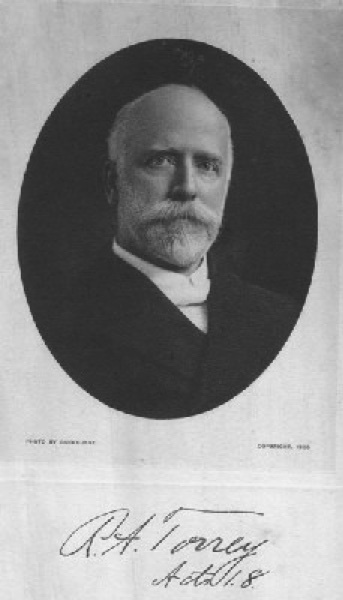 R. A. Torrey 1856–1928 · 14
sermons
R. A. Torrey 1856–1928 · 14
sermons
American evangelist and teacher, first superintendent of the Moody Bible Institute.
The Greatest Sentence That Was Ever Written
1 John 4:8Torrey takes for his subject the greatest sentence ever written — three monosyllables, “God is love” — and marvels that the Book able to say more in a line than others say in a volume should crown all its sayings with this. He weighs what it means that love is not merely something God does but what God is, and follows the sentence to its proof at Calvary, where the love that is God’s very nature gave up his Son for a world that did not love him.
Every Man's Need of a Refuge
Isaiah 32:2“A man shall be as a hiding-place from the wind, a covert from the tempest … the shadow of a great rock in a weary land.” Torrey loves the Old Testament because it is full of Christ, and here finds him foretold as the refuge every soul needs — from the storm of conviction, the tempest of judgment, the drought of a thirsty heart, the weariness of a hard road. The rock stands open; his whole appeal is that no one leave the shelter unentered.
Where Will You Spend Eternity?
John 16:5Torrey presses the one question every soul must answer — not whether there is an eternity, but where it will be spent. A direct evangelistic appeal to settle the matter now, in Christ.
Refuges of Lies
Isaiah 28:17Every man shelters somewhere. Torrey names the false refuges people hide in from God — morality, indifference, delay — and shows the hail will sweep each away, leaving Christ the only sure refuge.
Found Wanting
Daniel 5:25-27Belshazzar was weighed in the balance and found wanting. Torrey turns God's scales on the hearer, weighing a life against God's law, and points to the one who can make the wanting whole.
Excuses
Luke 14:18From the parable of the great supper, Torrey takes up one by one the excuses men make for refusing Christ's invitation, and strips each of its cover.
The Most Important Question
Matthew 27:22“What shall I do then with Jesus?” — Pilate's question, and every person's. Torrey shows it cannot be dodged: to do nothing with Christ is itself a fatal answer.
The Great Attraction: The Uplifted Christ
John 12:32“I, if I be lifted up, will draw all men unto me.” Torrey preaches the crucified and exalted Christ as the great attraction — the magnet that still draws sinners home.
The Way of Salvation Made as Plain as Day
Acts 16:30-31From the Philippian jailer's cry, Torrey makes the way of salvation as plain as day — believe on the Lord Jesus Christ — and clears away the confusions that keep seekers from simple faith.
What It Costs Not to Be a Christian
Psalm 119:59Men count the cost of following Christ; Torrey counts the far greater cost of not following him — in this life and in the next.
Three Fires
Matthew 3:11Torrey preaches three fires — the fire of the Spirit that purifies, the fire of trial that refines, and the fire of judgment that consumes — and asks which the hearer will meet.
The Day of Golden Opportunity
Hebrews 3:7“Today” is the Holy Spirit's word. Torrey urges the hearer to seize the golden opportunity of the present moment, before the door of grace closes.
Heroes and Cowards
Proverbs 29:25The fear of man is a snare. Torrey contrasts the cowardice that hides its faith with the courage that confesses Christ openly, and calls for men who will own their Lord.
The Drama of Life in Three Acts
Luke 15:11Torrey stages the prodigal's story as a drama in three acts — the folly of leaving the Father, the misery of the far country, and the joy of coming home — and presses the hearer toward the homeward road.
 Robert Murray M’Cheyne 1813–1843 · 7
sermons
Robert Murray M’Cheyne 1813–1843 · 7
sermons
Dundee minister remembered for his holiness and his still-used Bible-reading plan.
The Good Way of Coming Before the Lord
Micah 6:6-8“Wherewith shall I come before the Lord?” M'Cheyne calls it the piercing question of every awakened soul, and answers it as only he could — not with rams and rivers of oil, not with the fruit of the body, but by the good way God himself has showed: coming in Christ, with a broken heart, to do justly, love mercy, and walk humbly with our God. Ends with his own closing verse.
Why Is God a Stranger in the Land?
Jeremiah 14:8-9Jeremiah's complaint — that the hope of Israel behaves like a stranger in his own land, a wayfaring man who turns aside for a night — becomes M'Cheyne's cry for revival in Scotland. He names the reasons God withdraws from a people, and pleads for the “times of refreshing from the presence of the Lord.”
The Impressions of Natural Men
Hosea 6:4“Your goodness is as a morning cloud, and as the early dew it goeth away.” The impressions of natural men are fading, M'Cheyne warns — real, and gone by noon. A tender, searching sermon on the difference between being moved and being changed, for every hearer who has felt much and kept little.
What Have I to Do Any More with Idols?
Hosea 14:8Preached at the close of a communion Sabbath, 28 October 1840: everyone who has that day confessed Christ before men should take up Ephraim's words and mean them. M'Cheyne walks through the idols a believer is done with, and the Christ who is worth more than all of them.
Electing Love
John 15:16“Ye have not chosen me, but I have chosen you.” M’Cheyne finds the word both humbling and blessed. Christ chose his own before they sought him, for no reason but “I will have mercy on whom I will have mercy,” and chose them to bear fruit, in a golden chain from election to glory where holiness is never skipped.
A Castaway
1 Corinthians 9:26-27Long after his conversion Paul still kept his body under, “lest that by any means, when I have preached to others, I myself should be a castaway.” In the last months of his life, M’Cheyne traces what that means: cast away from God, by the Spirit, by every creature and by oneself. He ends with Christ, the “wrath-bearing Surety” who bore it all.
Our Duty to Israel
Romans 1:16Home from the Church of Scotland’s mission of inquiry to the Jews, M’Cheyne pleads “To the Jew first.” Judgment begins with Israel, God’s love for her is peculiar, the door to her stood open in land after land they visited, and converted Israel will be “as a dew from the Lord” to a dead world.
 Samson Occom 1723–1792 · 1
sermon
Samson Occom 1723–1792 · 1
sermon
Mohegan minister and writer (1723–1792), converted in the Great Awakening, ordained in 1759, who preached across Britain for Native education, wrote a landmark execution sermon and hymnbook, and helped found the Christian Indian town of Brothertown.
Preached at New Haven on 2 September 1772, at the request of Moses Paul, an Indian condemned for murder, on the day he was hanged. From Romans 6:23 Occom shows sin as the cause of every human misery and death as its wages, and eternal life as God's free gift through Jesus Christ. He pleads with the condemned man to come to the crucified Saviour even at the gallows, speaks to the ministers and the crowd, and ends with a plain warning to his own Indian kindred against drunkenness.
 William Booth 1829–1912 · 7
sermons
William Booth 1829–1912 · 7
sermons
Methodist minister who founded The Salvation Army among the poor of London’s East End.
Booth expounds the atonement — the “at-one-ment” that reunites God and sinners — as the heart of the gospel and the engine of the Salvation Army's mission to the lost.
Answering critics of the Army's urgency, Booth defends its speed and zeal: souls are perishing on every side, and this is no hour to slow down for the sake of respectability.
Booth's famous parable of a town on the flood's edge crying out for rope while the comfortable debate — a short, searing appeal to fling out the lifeline to the perishing now.
A brief evangelistic appeal built on a shipwreck rescue: the sinner's one desperate cry, and the Savior who is mighty and willing to answer it.
Speaking on holiness at Exeter Hall, Booth turns Zacharias’s horn of salvation into a conquering Christ who does not merely toss sin from corner to corner but tosses it out of the heart and annexes it as his own. Hearing is not enough, he insists; believe as Mary did, and “there shall be a performance.”
Addressing his officers in council, Booth sets the divine fire apart from its counterfeits (devilish, intellectual, sentimental) and names its marks: assurance, purity, enthusiasm and power. He wants out-and-out saints moored to God alone, and warns that one idol held back, like a mouse in the water pipe, can stop the whole supply.
Satan holds the world, Booth argues, and he will not be persuaded out of it; he must be fought out. So Booth sketches the good soldier of Jesus Christ: a good man or woman who makes war their business, learns the weapons, fights in combination and endures hardness, “the scarcest grace of all.”
 William J. Seymour 1870–1922 · 11
sermons
William J. Seymour 1870–1922 · 11
sermons
Son of formerly enslaved parents, the one-eyed holiness preacher William J. Seymour (1870–1922) led the Azusa Street revival in Los Angeles, where Black and white believers prayed side by side and the Pentecostal movement spread worldwide.
Seymour sets out what believers receive through Christ's atonement: forgiveness of sins, sanctification through His blood, healing for the body, and the baptism with the Holy Ghost on the sanctified life. He calls the messengers of this "full gospel" to preach all of it. From The Apostolic Faith (Los Angeles), September 1906.
River of Living Water
John 4:10From Jesus' meeting with the woman at the well, Seymour preaches Christ as the well of salvation and the baptism with the Holy Ghost as the river of living water that flows out to thirsty hearts. Salvation, he says, is not in buildings, creeds or human fathers but in God, and the gospel must be given freely. From The Apostolic Faith (Los Angeles), November 1906.
Against teachers who told every believer to sell all they had, Seymour argues that the Holy Spirit, not a preacher, must lead each person's giving. Believers must still provide for their families and pay their debts, yet hold their property as stewards ready to give freely when God speaks. From The Apostolic Faith (Los Angeles), November 1906.
Wherever the real work of God appears, Seymour warns, the counterfeit appears too, as with Ananias and Sapphira and Pharaoh's magicians. He tells how imitations of the baptism and of tongues were exposed in the Azusa meetings, and how the Holy Spirit's power swallows up the counterfeit as Aaron's rod swallowed the magicians' rods. From The Apostolic Faith (Los Angeles), December 1906.
Behold the Bridegroom Cometh!
Matthew 25:1-13An exposition of the parable of the ten virgins, read as a call to be ready for Christ's return. The oil is the Holy Ghost: Seymour urges sanctified believers to seek the baptism with the Spirit now, because no one can borrow another's oil when the cry is made. He closes with the hope of the millennial reign with Christ. From The Apostolic Faith (Los Angeles), January 1907.
Receive Ye the Holy Ghost
John 20:22Seymour lays out the steps to the baptism with the Holy Ghost as Azusa Street taught them: a clear knowledge of the new birth, then of sanctification, and then waiting for the promise of the Father. He ends by urging seekers to kneel and ask the Spirit to come in. From The Apostolic Faith (Los Angeles), January 1907.
Gifts of the Spirit
1 Corinthians 12:1Working through 1 Corinthians 14, Seymour answers those who dismissed tongues as the least gift. Every gift God gives is good, he says, but prophecy builds up the church most, and tongues should be interpreted and used in order. Believers should use their gifts for God's glory, not worship them. From The Apostolic Faith (Los Angeles), January 1907.
Rebecca: Type of the Bride of Christ
Genesis 24Seymour reads Genesis 24 as a picture of the Holy Spirit seeking a bride for Christ. Eliezer stands for the Spirit and Isaac for Christ, and Rebecca's readiness to water the camels and go at once is the pattern for believers seeking the baptism with the Holy Ghost. From The Apostolic Faith (Los Angeles), February–March 1907.
Seymour teaches that the Holy Spirit, sent by Christ, presides over the church. Wealth, fine buildings and trained choirs cannot bring power, he says; only the Spirit, installed as "chairman" of every assembly, gives ministers their real credentials and brings sinners to new birth. From The Apostolic Faith (Los Angeles), June–September 1907.
Letter to One Seeking the Holy Ghost
Matthew 5:6A pastoral letter of encouragement to a believer seeking the baptism with the Holy Spirit. Seymour rests on Christ's promise that the hungry shall be filled, walks through justification and sanctification, and urges the seeker to keep praying and tarrying until filled. From The Apostolic Faith (Los Angeles), June–September 1907.
Christ's Messages to the Church
Revelation 1:5-7; Revelation 2:1-7Seymour expounds John's vision of the glorified Christ walking among the golden candlesticks and the letter to the church at Ephesus. Christ is still in His church, he says, searching out sin and impure doctrine. Churches that have left their first love must repent and do the first works, and only overcomers will reign with Him. From The Apostolic Faith (Los Angeles), October 1907–January 1908.