- 20 chapters
- 2 hr 54 min read
- Accessible Reading difficulty
Free to read·No account needed
The Promises of God
Taking books where there’s no signal? See Ochorus for missionaries or chaplains
Reader’s guide
About this book
A harvest of short readings gathered from Spurgeon’s sermons and writings — brief, vivid meditations on the Christian life. The original gleanings are gathered here under twenty themes, from the promises of God and the comfort of affliction to communion with Christ, the joy of salvation, and the hope of heaven — a page of Spurgeon for any moment or need.
The promises of God are to the believer an inexhaustible mine of wealth. Happy is it for him if he knows how to search out their secret veins, and enrich himself with their hid treasures. They are an armory, containing all manner of offensive and defensive weapons.
Contents
- 1 The Promises of God 8 min
- 2 Faith and Assurance 10 min
- 3 In Sorrow and Affliction 17 min
- 4 The Christian Warfare 14 min
- 5 Strength in Weakness 4 min
- 6 Communion with Christ 5 min
- 7 The Love of Christ 9 min
- 8 Grace and Salvation 11 min
- 9 Looking unto Jesus 10 min
- 10 The Joy of the Christian Life 21 min
- 11 Prayer 4 min
- 12 Holiness and the New Life 11 min
- 13 Humility and Self-Examination 9 min
- 14 Providence and the Care of God 11 min
- 15 Peace and Rest 4 min
- 16 Heaven and the Life to Come 11 min
- 17 The Word of God 1 min
- 18 Good Works and Diligence 8 min
- 19 The Holy Spirit 3 min
- 20 The Church and the World 5 min
Questions and Answers
What is Gleanings Among the Sheaves about?
It is a harvest of short readings gathered from Charles Spurgeon's sermons and writings — brief, vivid meditations on the Christian life. Arranged under twenty themes, from the promises of God to the character of the believer, the 'gleanings' offer bite-sized portions of Spurgeon's warm, quotable wisdom, ideal for reflection a little at a time.
Who was Charles Spurgeon?
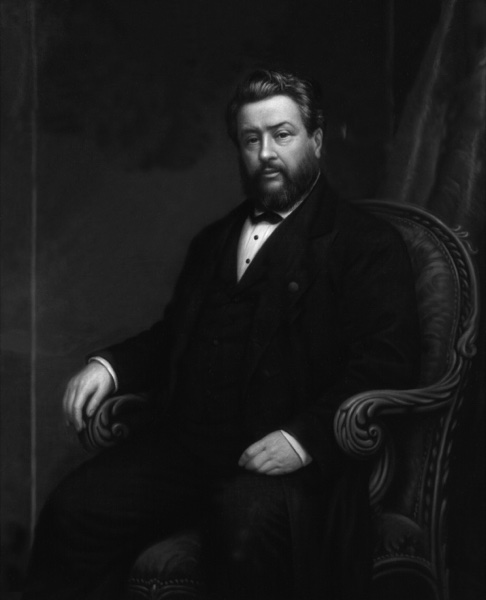
Charles Haddon Spurgeon was the most famous English preacher of the nineteenth century, the 'Prince of Preachers,' who addressed thousands weekly in London and wrote prolifically. His rich, memorable style made even his shortest sayings quotable, and collections like this one preserve the choicest of them for daily reflection.
What does the title mean?
It draws on the biblical image of gleaning — gathering the leftover grain after the harvest, as Ruth did in Boaz's fields. Spurgeon offers these short readings as gleanings gathered among the sheaves of his fuller writings: small but nourishing portions of truth, collected for the reader to gather up and feed on.
How is the book arranged?
Under twenty themes of the Christian life — such as the promises of God, the believer's comfort, affliction, and grace — with a cluster of short readings under each. This thematic arrangement lets a reader turn to a subject they need, or simply move through the themes in order, gathering brief meditations as they go.
What are the readings like?
Short, vivid, and warm — the kind of pointed, image-rich sentences for which Spurgeon was famous. Each gleaning distils a truth into a few memorable lines, comforting, challenging, or encouraging, so that even a moment's reading yields something to carry through the day. They are meditations to be tasted rather than studied.
Who is this book for?
For any Christian wanting short, rich readings for busy days, or a book to dip into for a moment's encouragement. Its brief, thematic pieces suit both the hurried and the reflective, and readers who love Spurgeon's style will find in it a treasury of his most quotable and comforting thoughts.
How does it differ from Spurgeon's daily devotionals?
Unlike Morning and Evening, it is not arranged by calendar date but by theme, so it is meant to be dipped into rather than read one dated entry per day. It offers the same warmth in even smaller compass, gathered by subject, making it a flexible companion for reflection whenever and wherever a reader opens it.
Where should a reader begin?
Anywhere — with a theme that meets a present need, or simply at the first, since the readings are short and self-contained. The book is made for gathering a little at a time, so a reader can open it at any point, take up a gleaning or two, and find something to nourish the soul.
Read in your language
About the author
Charles H. Spurgeon
Gleanings Among the Sheaves · 1869
More like this
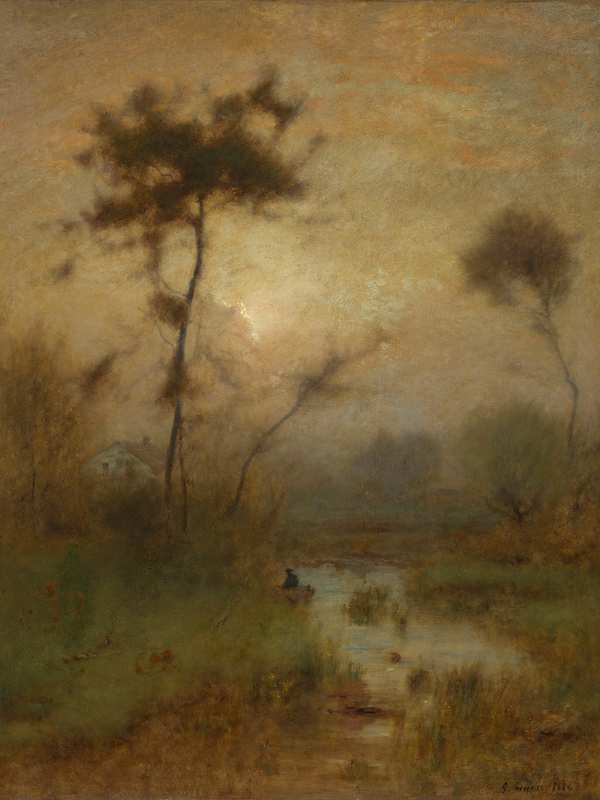



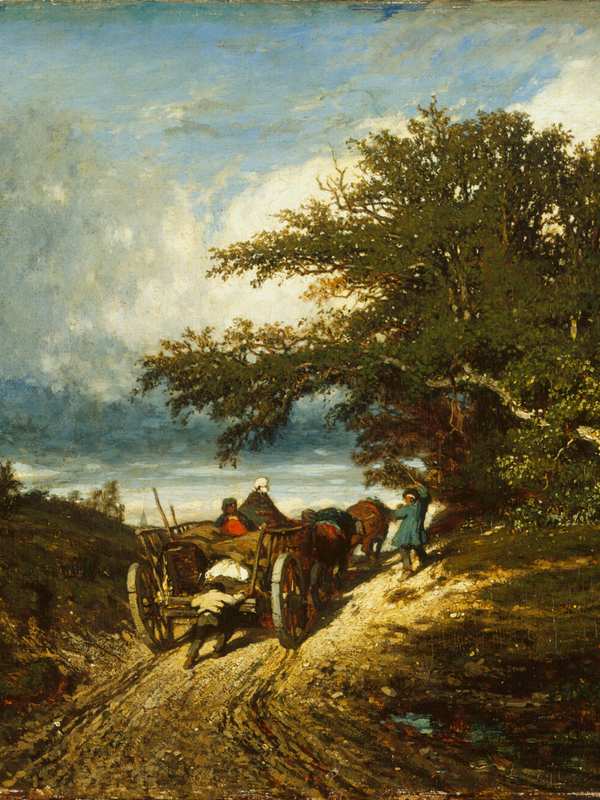
Public domain. Source text from the original edition.
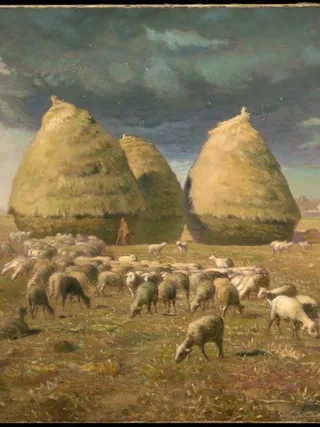
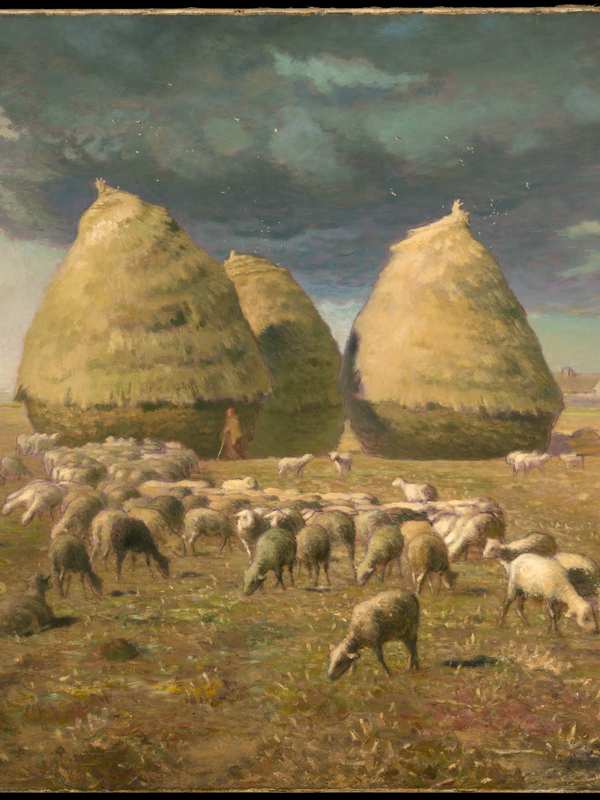
Jean-François Millet, “Haystacks: Autumn” (ca. 1874). The Metropolitan Museum of Art, Open Access.
Cite this book
Copy a citation in the style you need.
- MLA
- Spurgeon, Charles H. Gleanings Among the Sheaves. 1869. Ochorus, https://ochorus.com/books/gleanings-among-the-sheaves/.
- Chicago
- Spurgeon, Charles H. Gleanings Among the Sheaves. 1869. Reprint, Ochorus. https://ochorus.com/books/gleanings-among-the-sheaves/.
- Chicago footnote
- Charles H. Spurgeon, Gleanings Among the Sheaves (1869; repr., Ochorus), https://ochorus.com/books/gleanings-among-the-sheaves/.
- BibTeX
- @book{spurgeon1869gleanings, author = {Spurgeon, Charles H.}, title = {{Gleanings Among the Sheaves}}, year = {1869}, publisher = {Ochorus}, url = {https://ochorus.com/books/gleanings-among-the-sheaves/} }