Book
Union and Communion
Thoughts on the Song of Solomon
Other titles: Union and Communion; or, Thoughts on the Song of Solomon
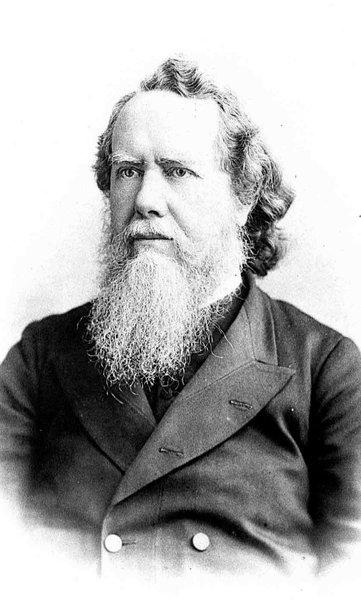
Hudson Taylor · 1832–1905
- 10 chapters
- 1 hr 26 min read
- Accessible Reading difficulty
Free to read·No account needed
Foreword
Taking books where there’s no signal? See Ochorus for missionaries or chaplains
About this book
Hudson Taylor’s meditations on the Song of Solomon, tracing the soul’s progress from first communion with Christ into deep and unbroken union with Him. Written by the founder of the China Inland Mission, it is a brief but searching guide to intimacy with the Lord.
“The Song of Songs, which is Solomon’s.” Well may this book be called the Song of Songs! There is no song like it. Read aright, it brings a gladness to the heart which is as far beyond the joy of earthly things as heaven is higher than the earth.
Contents
Questions and Answers
What is Union and Communion about?
It is Hudson Taylor's brief, searching meditation on the Song of Solomon, read as a picture of the believer's love-relationship with Christ. Taylor traces the soul's progress from first communion with the Lord into deep and unbroken union with him, drawing from the bride's words a portrait of growing intimacy, occasional coldness, restoration, and settled fellowship with Christ the Bridegroom.
Who was Hudson Taylor?
James Hudson Taylor was the founder of the China Inland Mission and one of the most influential missionaries of the nineteenth century, who gave his life to reaching inland China with the gospel. Alongside his missionary labours he was a man of deep devotion, and Union and Communion opens a window onto the inner life that sustained his extraordinary work.
How does Taylor read the Song of Solomon?
As a portrait of the love between Christ and the believing soul. Following a long Christian tradition, he takes the bride's longing, the seasons of nearness and distance, and the final settled union as figures of the Christian's own experience of Christ — the awakening of love, the pain of coldness and separation, the joy of restoration, and the deepening of fellowship into unbroken communion.
What is the difference between 'union' and 'communion' in the title?
Union is the settled, unbreakable joining of the believer to Christ — a fact established by grace. Communion is the felt, enjoyed fellowship that flows from that union, which can be interrupted by coldness or sin and then restored. Taylor's concern is to lead the reader from merely being united to Christ into the warm, conscious, daily communion with him that the Song describes.
What does the book teach about coldness and restoration?
Taylor does not hide the seasons when love grows cool and the sense of Christ's presence is lost — he sees them in the bride's own story. But he reads them as occasions for return and deeper fellowship, showing how the Lord seeks out the wandering heart and restores communion. The book is honest about spiritual ups and downs and hopeful about their remedy.
Is this a missionary book?
Not in subject, but it comes from the heart of a missionary. It is a devotional work about intimacy with Christ, and it reveals the source of Taylor's own strength — a personal communion with the Lord that underlay his life of faith and sacrifice. Readers often value it as a glimpse of the inner spring behind the outward mission.
Who will find this book helpful?
Any Christian who longs for a warmer, closer walk with Christ, and who is drawn to the language of love and intimacy in the Song of Solomon. It is a book for the heart more than the head — brief, tender, and searching — and it speaks especially to those who sense the difference between knowing they belong to Christ and actually enjoying him.
Where should a reader begin?
At the beginning, following Taylor's path through the Song from first love to settled union. Because it traces a progress of communion, it rewards being read in order and slowly, as a devotional guide to deeper intimacy with Christ rather than a study to be finished quickly.
Read in your language
More like this



Charles-François Daubigny, “Apple Blossoms” (1873). The Metropolitan Museum of Art, Open Access.
Cite this book
Copy a citation in the style you need.
- MLA
- Taylor, Hudson. Union and Communion. Ochorus, https://ochorus.com/books/union-and-communion/.
- Chicago
- Taylor, Hudson. Union and Communion. Ochorus. https://ochorus.com/books/union-and-communion/.
- Chicago footnote
- Hudson Taylor, Union and Communion (Ochorus), https://ochorus.com/books/union-and-communion/.
- BibTeX
- @book{taylorunion, author = {Taylor, Hudson}, title = {{Union and Communion}}, publisher = {Ochorus}, url = {https://ochorus.com/books/union-and-communion/} }