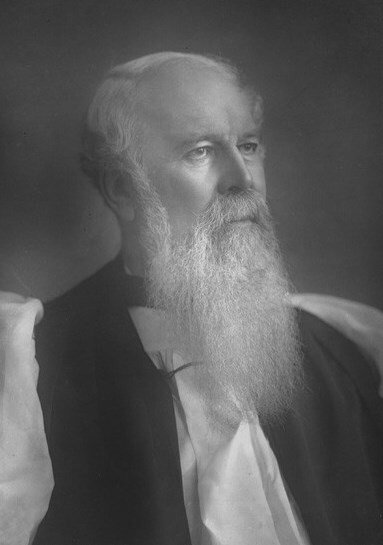

New to J. C. Ryle? Start with
Holiness
All works · 62 hr 14 min read
Biography
- 1816 Born
- 1841 Ordained
- 1880 Bishop
- 1900 Died
Diligence in prayer is the secret of eminent holiness.
John Charles Ryle was born on 10 May 1816 at Macclesfield, in Cheshire, into wealth and expectation. His father was a private banker and Member of Parliament, and the family fortune, drawn from the silk mills of the Industrial Revolution, made the Ryles one of the leading houses of the county. The boy grew up with every earthly advantage: an estate, a name, and the settled assumption that he would one day take his place among the great men of England. He went to Eton, and then to Christ Church, Oxford, where he was as much an athlete as a scholar — he captained the cricket eleven and took ten wickets in the University match at Lord's — and where he crowned it all with a first-class degree in Classics in 1837. A college fellowship was offered him. A seat in Parliament seemed only a matter of time.
Then two things happened that turned the whole course of his life.
Grace, and ruin
The first was his conversion. It came, so far as he could ever fix it, in 1837, in the middle of his Oxford years and a season of serious illness. The account he told in later life fastened on a single Sunday. He had wandered into a parish church where the second lesson was being read from the second chapter of Ephesians, and the reader — a stranger whose name Ryle never learned, in a church he could never afterwards name — came to the eighth verse and read it slowly, with deliberate, emphatic pauses: “For by grace — are ye saved — through faith — and that not of yourselves — it is the gift of God.” The words went home and stayed. Ryle would say he could remember neither the church, nor the man, nor a word of any sermon — only that verse, broken into pieces and pressed one clause at a time upon his heart. Whether it was one dramatic morning or, as his careful biographers reckon, a work spread across that whole year of reading and counsel, the text and the truth were the same: salvation is a gift, and he had received it. From that grace he never moved for the rest of his long life.
The second thing was ruin. In 1841 his father's bank failed, catastrophically and without warning, and the family fortune was swept away in a day. Ryle never softened the memory of it. “We got up one summer's morning with all the world before us as usual,” he wrote, “and went to bed that night completely and entirely ruined.” He called it the blackest chapter of his life. The estate, the wealth, the expected career in politics — all of it was gone, and a young man raised to command found every door shut but one. He was ordained that same year, and he said so with disarming honesty: “I became a clergyman because I felt shut up to do it, and saw no other course of life open to me.”
It is one of the quiet ironies of his story that the disaster which looked like the end of everything was the making of him. Had the bank held, England might have gained another wealthy politician and lost one of the plainest gospel preachers it ever produced.
A country parson's plain words
The ordained man went not to a cathedral but to obscurity — a curacy at Exbury in Hampshire, then the rectory of St Thomas's, Winchester, then Helmingham, and for nearly twenty years the vicarage of Stradbroke in rural Suffolk. These were years of private grief as well as country labour. He married and was widowed, married again and was widowed again; his third wife, Henrietta, was a long invalid whom he nursed for years before her own death in 1889. The man who wrote so plainly about comfort in affliction had earned the right to: he had lost his fortune, buried wives, and learned in a village parsonage what the great world never taught him. And in those country parishes he discovered the gift that would outlast him: he could speak to ordinary people in words they could not fail to understand. He set himself to write plain gospel tracts — short, direct, unadorned, aimed at the farm labourer and the shopkeeper as much as the squire — and they went out by the million, translated into a dozen languages and more, carrying the same clear message he had found in Ephesians 2. He had learned that a truth stated simply is not a truth made shallow, and that the labourer at the back of the church deserved to understand as well as the gentleman in the front pew. His Expository Thoughts on the Gospels, written for household reading, did for the family and the fireside what his tracts did for the tract-rack: it made the plain sense of Scripture plainly available, verse by verse, to anyone who could read at all.
He had no patience with vagueness in religion, and none with the notion that a man might drift into heaven on the strength of a respectable life. His most famous tract asked the reader a single searching question and would not let it go — Do you pray? — for he was convinced that private prayer, which no one but God can see a man keep, is the truest test there is of a living faith.
Diligence in prayer is the secret of eminent holiness.
— J. C. Ryle
Nor would he let his readers rest in a vague hope of heaven while unprepared for it. He preached holiness as the necessary companion of forgiveness — not the ground of salvation, but its fruit and its evidence — and he put it in words no one could mistake.
We must be saints before we die, if we are to be saints afterwards in glory.
— J. C. Ryle, Holiness
The Bishop of Liverpool
In 1880, at the age of sixty-four — an age when most men are thinking of rest — Ryle was named the first Bishop of the newly created diocese of Liverpool, on the recommendation of the Prime Minister, Benjamin Disraeli. It was a hard field: a great industrial city of more than a million souls, with slums and poverty on a scale that would have daunted a younger man. Ryle threw himself into it for twenty years. He made a characteristic decision at the outset: rather than pour money into a grand cathedral, he would first see his clergy properly paid and pensioned, and the working districts reached. He set up a fund to pension his worn-out clergy, multiplied the ranks of lay Scripture-readers who could go where a surpliced curate never would, and drove the building of scores of new churches and mission halls in the districts the respectable church had forgotten. The plain gospel he had preached in a Suffolk village was carried into the courts and alleys of a dockland city. Through it all he wrote on, pouring out the same clear tracts, unmoved by fashion or criticism; and though a great and controversial figure now, mitred and titled, he remained to the end exactly what the ruined young curate had become — an evangelical of the old school, unfashionable, immovable, and clear.
He resigned early in 1900, in his eighty-fourth year, worn out at last, and died within a few months. On his gravestone they carved the verse that had arrested him more than sixty years before, the whole of his theology and the whole of his story in a single line: By grace are ye saved through faith.
The legacy of a plain man
Ryle wrote as he preached, and he preached as he believed — that the deepest truths are best served in the simplest words, and that a gospel a ploughman cannot understand is of little use to a ploughman. More than a century after his death his tracts are still in print and still doing their old work, asking their old questions of new readers. He never dazzled and never meant to. He aimed only to be understood, and to send men and women to the same grace that had once been read out to him, clause by clause, in a church whose name he could not recall. His whole ministry was an extended commentary on the verse on his grave: that we are saved not by our wealth or our works or our will, but freely, by grace, through faith — and that it is the gift of God.
Books by J. C. Ryle (4)



Sermons by J. C. Ryle (7)
Questions and Answers
Who was J. C. Ryle?
John Charles Ryle (1816–1900) was one of the most influential evangelical leaders of the Victorian Church of England and, from 1880, the first Bishop of Liverpool. Born into a wealthy Cheshire banking family, he was known above all for plain, direct gospel writing, and his tracts were distributed by the million in his lifetime and translated into many languages.
What was Ryle's early life like before he entered the ministry?
Ryle was born on 10 May 1816 at Macclesfield, the son of a private banker and Member of Parliament, and grew up with every earthly advantage and the expectation of a great public career. He went to Eton and then to Christ Church, Oxford, where he was as much an athlete as a scholar — he captained the university cricket eleven and famously took a haul of wickets in the Varsity match at Lord's — and crowned it with a first-class degree in Classics in 1837. A college fellowship and, it seemed, a seat in Parliament lay open before him.
How did Ryle become a Christian?
His conversion came around 1837, during his Oxford years and a season of serious illness that had first turned him back to the Bible and prayer. He often traced it to a single Sunday when he arrived at church in time to hear the second chapter of Ephesians read aloud, and the words "For by grace are ye saved through faith … it is the gift of God" went home and stayed. From that grace, he said, he never afterward moved.
Is it true that a bank collapse changed the whole course of his life?
Yes. In June 1841 his father's bank failed catastrophically and the family fortune was swept away in a day; Ryle wrote that they "got up one summer's morning with all the world before us as usual, and went to bed that night completely and entirely ruined." The disaster shut the door on his hoped-for career in politics, and he was ordained that same year, admitting he became a clergyman "because I felt shut up to do it, and saw no other course of life open to me." He later judged it all for the best, saying that had he not been ruined he would never have preached a sermon or written a tract or book.
Where did Ryle serve as a parish minister?
He served not in a cathedral but in obscurity — a curacy at Exbury in Hampshire, then Winchester, then Helmingham, and for nearly twenty years the vicarage of Stradbroke in rural Suffolk. It was in these country parishes, ministering to farm labourers and shopkeepers as much as to the squire, that he discovered his gift for making the gospel plain to ordinary people.
Why are Ryle's writings so well known?
Ryle set himself to write short, direct, unadorned gospel tracts aimed at ordinary readers, and they went out by the million, translated into many languages. He was convinced that a truth stated simply is not a truth made shallow, and that the labourer at the back of the church deserved to understand as clearly as the gentleman in the front pew. More than a century after his death, his tracts remain in print.
What are Ryle's most important books?
He is best remembered for Holiness, in which he pressed home that holiness is the necessary fruit and evidence of salvation rather than its ground, and for Practical Religion, which applied the faith to everyday Christian living. His multi-volume Expository Thoughts on the Gospels, written for household reading, walked verse by verse through Matthew, Mark, Luke and John and remains widely read today.
What did Ryle believe, and did he ever soften his convictions?
Ryle was a firmly evangelical, Protestant churchman who held to the plain authority of Scripture, salvation by grace through faith, and the necessity of personal holiness and private prayer. He remained unmoved by fashion or criticism throughout his life, and even as a mitred and titled bishop he stayed exactly what the ruined young curate had become — an evangelical of the old school, unfashionable, immovable, and clear.
How did Ryle come to be Bishop of Liverpool, and what did he do there?
In 1880, at the age of sixty-four, he was named the first bishop of the newly created diocese of Liverpool, on the recommendation of Prime Minister Benjamin Disraeli. Rather than pour money into a grand cathedral, he chose first to see his clergy properly paid and pensioned and the poor industrial districts reached, multiplying lay Scripture-readers and driving the building of scores of new churches and mission halls. He gave the great dockland city twenty years of labour.
What sorrows did Ryle bear, and how did his life end?
Ryle married three times and was widowed three times, burying wives while raising his children and carrying on his ministry, and he wrote of comfort in affliction as a man who had earned the right to. He resigned his see early in 1900, worn out at last in his eighties, and died within a few months. On his gravestone was carved the verse that had arrested him more than sixty years before — "By grace are ye saved through faith" — the whole of his theology in a single line.