New to A. W. Tozer? Start with
The Pursuit of God
All works · 14 hr 10 min read
Biography
- 1897 Born
- 1919 Ministry
- 1928 Chicago
- 1948 Pursuit of God
- 1963 Died
What comes into our minds when we think about God is the most important thing about us.
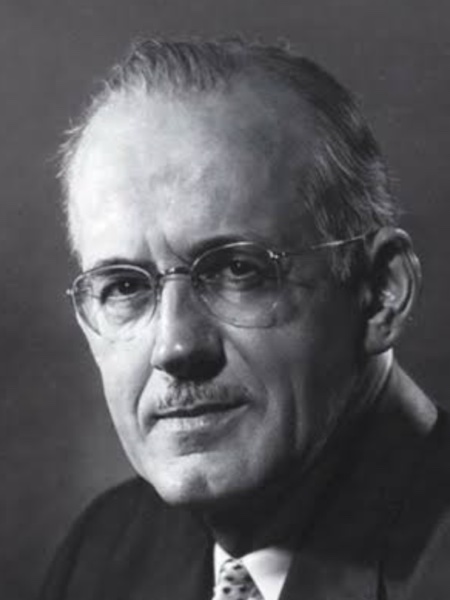
Most pastors are trained for the work before they do it. Aiden Wilson Tozer was not. He never sat in a high school classroom, never took a college course, never spent a day in a seminary. He came off a poor Pennsylvania farm with almost nothing behind him but a habit of reading, and he ended his life regarded across the English-speaking church as a kind of prophet — a pastor who spent more than forty years telling comfortable Christians that they had settled for far less of God than He was offering. The strange thing about Tozer is not that a self-taught farm boy became one of the most quoted devotional writers of his century. It is that a man so hungry for the presence of God could be, at home, so hard to live with.
A farm boy who taught himself
He was born on 21 April 1897, near La Jose — in the Newburg area of Clearfield County, in the rural farm country of western Pennsylvania. There was poverty and there was very little schooling. What there was, instead, was a boy who read everything he could reach. The family later moved to Akron, Ohio, and it was in libraries and second-hand bookshops, not lecture halls, that Tozer got his education. He remained, all his life, entirely self-taught — and the fact is worth resting on, because everything he later became was built on it. The learning that fills his books was gathered by a man who was never given it and went and took it.
The turn came when he was about seventeen. Walking home in Akron, he overheard a street preacher urging his listeners to call on God for mercy. Tozer went home, climbed up to the attic, and there gave his life to Christ. There was no institution in it, no ceremony, no teacher — a sentence heard in the street and a boy alone in an attic. It set the pattern for the whole life: the decisive things would happen between him and God, in private, with the door shut.
In 1918 he married Ada Cecelia Pfautz. They would be married about forty-five years, until his death, and would have seven children. Two years later, in 1920, he was ordained in the Christian and Missionary Alliance — without a single formal credential to his name. He simply began to preach, and the denomination recognised what it was hearing.
The pastor at Southside
The pastorates came in order. Toledo, Ohio, in the early 1920s. Indianapolis for about five years after that. And then, in 1928, the church that would hold him for thirty-one years: Southside Alliance Church in Chicago. It was there that Tozer became Tozer. He preached, he wrote, he read; and from 1950 he also edited the denominational magazine, The Alliance Weekly — renamed The Alliance Witness in 1958 — keeping that editorship until he died. He served a term as a vice-president of the C&MA in the late 1940s as well. In 1959 he left Chicago for Avenue Road Church in Toronto, where he spent his last years.
What people remembered was not the administration. It was the message, which almost never changed. Tozer preached against a Christianity gone shallow and worldly — against entertainment dressed up as worship, against a comfortable, self-satisfied faith that had stopped wanting God Himself. He called believers back to the one thing he thought they had quietly abandoned: the pursuit of God, not for what God gives, but for God. That is why he is so often called a prophet to the church. He tended a flock the way a shepherd does who is more worried about where the sheep are wandering than about being liked by them.
What comes into our minds when we think about God is the most important thing about us.
— A.W. Tozer, The Knowledge of the Holy (1961)
That single sentence, the opening line of The Knowledge of the Holy, holds his whole ministry in miniature. He was convinced that the church's troubles were not, at root, moral or organisational but that they came from having too small a thought of God — and that the cure was not a program but a right and reverent vision of who God is.
Face-down on the floor
Behind the preaching was a prayer life that those around him found almost unaccountable. Tozer would arrive at his study early, change out of his suit into old trousers so as not to wrinkle it, and begin to pray on the couch — and then slide down onto the floor, face in the carpet, and stay there. He prayed prostrate, flat on the ground, sometimes for hours. It was worship more than petition. He was not, most of the time, asking God for things. He was gazing at Him.
This was the engine of everything. The most famous of his books, The Pursuit of God, came out of that same absorbed hunger. According to his biographers, he reportedly drafted much of it in a single night on a train journey to Texas, writing through the dark hours. It was published in 1948, and it is still the book most people mean when they say the name Tozer. Its closing prayers read like the overflow of those hours on the carpet.
O God, I have tasted Thy goodness, and it has both satisfied me and made me thirsty for more.
— A.W. Tozer, The Pursuit of God (1948)
He wrote roughly nine books in his lifetime — among them The Root of the Righteous and The Knowledge of the Holy. Much of the large catalogue that now bears his name is posthumous, compiled from his sermons and editorials by others. He was, in the end, a preacher who happened to write, and his sharpest sentences have the compression of a man who spent his life saying the same thing until it fit on a single line.
The cost at home
It would be dishonest to leave the portrait there. The devotion that made Tozer great in the pulpit was expensive at home, and the ones who paid were his wife and children. He is widely and credibly reported to have been emotionally distant from Ada and the family, absorbed in God and study and writing in a way that left little of himself for them. He handled money so as to keep them poor — giving away or refusing much of the income and royalties that came to him. A biography as sympathetic as Lyle Dorsett's does not hide it. The man who wrote so movingly about longing for God could be, to the people who shared his house, a locked door.
The counterweight is a single sentence, and it belongs here because it is the truth. After Tozer died, Ada in time married again — a man named Leonard Odam. As his biographer Lyle Dorsett recounts, when friends asked whether she was happy, she is reported to have said that she had never been happier in her life: Aiden loved Jesus Christ, but Leonard Odam loves me. It is not a bitter line. It is a quiet, devastating one, and it says something no eulogy would. A man can pursue God with his whole heart and still fail the people nearest him — and both halves of that are real, and neither cancels the other.
One correction is worth making plainly, because it is often got wrong. Tozer is sometimes said to have refused honorary doctorates. He did not. He accepted two — from Wheaton College in 1950 and from Houghton College in 1952 — despite having no earned degree of any kind. What is traditionally said, and fits the man, is that he was uncomfortable with titles and is said to have disliked being called Dr. But he took the degrees. The self-taught farm boy was honoured, in the end, by the schools he never attended.
A man of God
He died on 12 May 1963, of a heart attack, in Toronto, still pastoring Avenue Road Church. He was buried first near Chicago, and his remains were later moved to Ellet Cemetery in Akron, Ohio, back near where he had grown up. The grave is a simple flat marker, and the epitaph on it is as short as one of his own sentences.
A.W. Tozer — A Man of God.
— his gravestone, Ellet Cemetery, Akron, Ohio
It is the right words on the right stone, and it is also, quietly, the harder verdict — for the man under it knew better than anyone what it costs to be that and nothing else. Tozer was a true shepherd, and he tended souls the only way he knew: by chasing after God so hard that his people could not help seeing there was Someone worth chasing. He taught himself everything except the one thing he most had, which was a thirst for the living God that a lifetime never filled. He wrote that self is the veil that hides the face of God from us. He spent his own life trying to get that veil out of the way — succeeding, gloriously, in public, and struggling, honestly, at home. Both are true. That is why the witness holds.
Books by A. W. Tozer (2)

Sermons by A. W. Tozer (24)
Books about A. W. Tozer (1)

Also appears in
Questions and Answers
Where did A. W. Tozer come from, and what kind of schooling did he have?
Aiden Wilson Tozer was born on 21 April 1897 in the poor farm country of Clearfield County, in western Pennsylvania, into a family of little means. There was hardship and there was very little schooling; he never attended high school, never took a college course, and never spent a day in a seminary. What he had instead was a boy's hunger for books, and the education that fills his writing was one he gathered for himself rather than one he was ever given.
How did Tozer become a Christian?
The turn came when he was about seventeen. Walking home in Akron, Ohio, where the family had moved, he overheard a street preacher urging his hearers to call on God for mercy — to pray, "Lord, be merciful to me, a sinner." Tozer went home, climbed to the attic, and there gave his life to Christ. There was no institution in it and no ceremony, only a sentence heard in the street and a boy alone with God, and it set the pattern for a life in which the decisive things happened in private.
If he had no formal training, how did he become a pastor?
He was largely self-taught, and it never held him back. He married Ada Cecelia Pfautz, began preaching without a single academic credential to his name, and was ordained in the Christian and Missionary Alliance around 1920. The denomination simply recognized what it was hearing. He went on to serve that fellowship for more than forty years as a pastor, and the learning in his books is the fruit of a man who was never handed an education and went and took one for himself.
Where did Tozer spend most of his ministry?
After early pastorates he came in 1928 to Southside Alliance Church in Chicago, where he stayed for about thirty-one years — the long middle of his life and the place where he became the Tozer people remember. In 1959 he left Chicago for Avenue Road Church in Toronto, where he spent his final years. From 1950 he also edited his denomination's magazine, The Alliance Weekly, later renamed The Alliance Witness, holding that editorship until his death.
What was Tozer's prayer life like?
It was the engine of everything else, and those around him found it almost unaccountable. He would come to his study early, change out of his good suit so as not to wrinkle it, and pray — often sliding from the couch down onto the floor to lie prostrate, face to the ground, sometimes for hours. It was worship more than petition; he was not so much asking God for things as gazing at Him. This is the man behind the books: not a scholar assembling arguments, but someone face-down on a study floor, unwilling to leave the presence of God.
What are his best-known books?
The most famous is The Pursuit of God, published in 1948. By the accounts of those close to him, he drafted much of it in a single night aboard a train bound for Texas, writing through the dark hours with the words coming almost as fast as he could set them down. His other enduring work is The Knowledge of the Holy (1961), a meditation on the attributes of God. Much of the large catalogue that now carries his name is posthumous, gathered from his sermons and editorials, for he was in the end a preacher who happened to write.
What was the heart of his message?
Tozer preached against a Christianity gone shallow and worldly — against entertainment dressed up as worship, and against a comfortable faith that had quietly stopped wanting God Himself. He called believers back to the pursuit of God, not for what God gives but for God. He was convinced the church's deepest trouble was that it had come to hold too small a thought of God, and the whole of his ministry is caught in the opening line of The Knowledge of the Holy: "What comes into our minds when we think about God is the most important thing about us."
What was his home life like, and how did he treat money and status?
It was plain to the point of austerity. Tozer refused to let money or reputation take hold of him, giving away or declining much of the income and royalties that came to him and keeping his household poor by choice. Honest accounts, including his biographers', also record that the devotion which made him great in the pulpit was costly at home, where he could be distant from Ada and their children. He accepted honorary doctorates from Wheaton and Houghton despite having no earned degree, yet is said to have been uncomfortable with titles and to have disliked being called "Doctor."
How is A. W. Tozer remembered?
He died of a heart attack on 12 May 1963 in Toronto, still pastoring, and was later buried at Ellet Cemetery in Akron, Ohio, near where he had grown up. The grave is a simple flat marker, and the epitaph on it is as short as one of his own sentences: "A. W. Tozer — A Man of God." It is the right words on the right stone for a man who spent his life chasing after God so hard that his people could not help seeing there was Someone worth chasing.