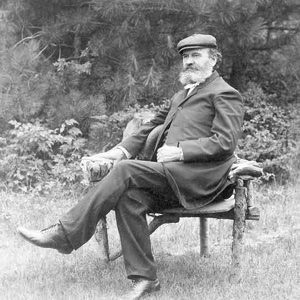
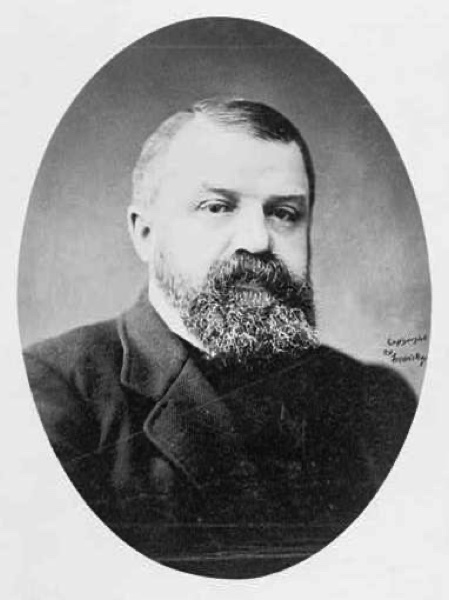
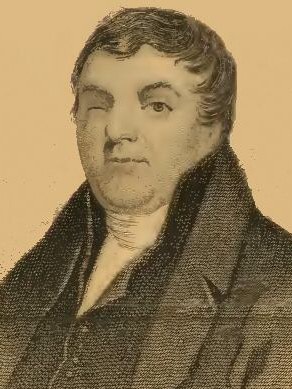
Canadian-born preacher and founder of the Christian and Missionary Alliance, whose "Fourfold Gospel" — Christ as Saviour, Sanctifier, Healer, and Coming King — called readers past every blessing to Christ Himself.
Read full biography → Amanda Berry Smith (1837–1915) was an African-American holiness evangelist who was born into slavery in Maryland and freed when her father bought his family's liberty. A washerwoman by trade, she became one of the most widely traveled preachers of the Wesleyan-Holiness movement, ministering across the United States, Britain, India, and for eight years in West Africa as an independent missionary. Widowed twice and having buried four of her five children, she later founded one of Illinois's first orphanages for Black children and died in Sebring, Florida.
Amy Beatrice Carmichael, born in 1867 in Millisle, Ireland, was a Protestant missionary in India. She served for 55 years without furlough, founding the Dohnavur Fellowship to rescue children from temple prostitution. Known for her deep devotion and writings on prayer, she authored 35 books and remained in India until her death in 1951. Her work continues through the ongoing ministry she established. Carmichael's life demonstrated radical obedience to Christ's call and cultural adaptation.
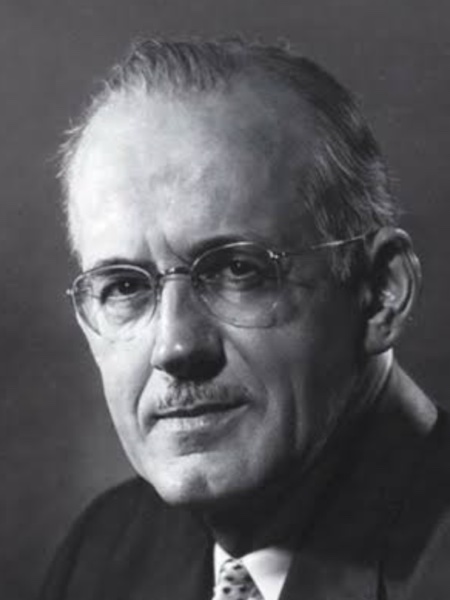
Read full biography → Andrew Murray Jr., born in 1828 in South Africa, served as a minister and theologian, influencing many through his teachings on prayer. He established educational institutions, authored over 240 works, and profoundly impacted Christian thought until his death in 1917. His books on deeper spiritual life continue to guide believers worldwide. Murray emphasized humility, absolute surrender to God, and the indwelling Christ. His classic works remain essential reading for Christians seeking deeper spiritual maturity.
Read full biography → Augustine of Hippo (354–430) was born in Roman North Africa to a pagan father and a praying Christian mother, Monica, whose tears followed him through years of ambition, pleasure, and the Manichaean religion. In a Milan garden in 386 he heard a child chanting "take up and read," opened Paul's letters, and was undone. Baptised by Ambrose, he returned to Africa and served some thirty-five years as bishop of Hippo, writing the Confessions and The City of God and contending for grace against the Donatists and Pelagians. He died in 430 as the Vandals besieged his city.
Catherine Booth, born in 1829 in Ashbourne, Derbyshire, England, was co-founder of The Salvation Army alongside her husband William Booth. A powerful preacher and advocate for women's rights, she challenged Victorian conventions by preaching publicly and advocating for women's ministry. Catherine authored "Female Ministry: Women's Right to Preach" and was instrumental in shaping The Salvation Army's theology and social programs. Her passionate preaching and compassionate heart for the poor made her a beloved figure.
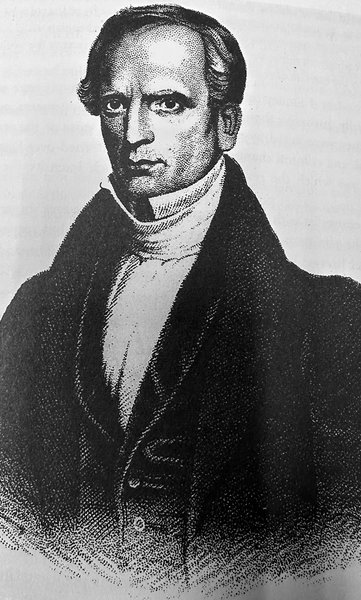
Read full biography → Charles Grandison Finney (1792–1875) was a lawyer turned evangelist whose preaching helped drive the Second Great Awakening across upstate New York and beyond. Convinced that revival was not a miracle to be waited for but the right use of God-given means, he pioneered the “new measures” of protracted meetings and direct appeal, saw whole towns transformed, and later became president of Oberlin College. His Lectures on Revivals of Religion has shaped how the English-speaking church has thought about revival ever since.
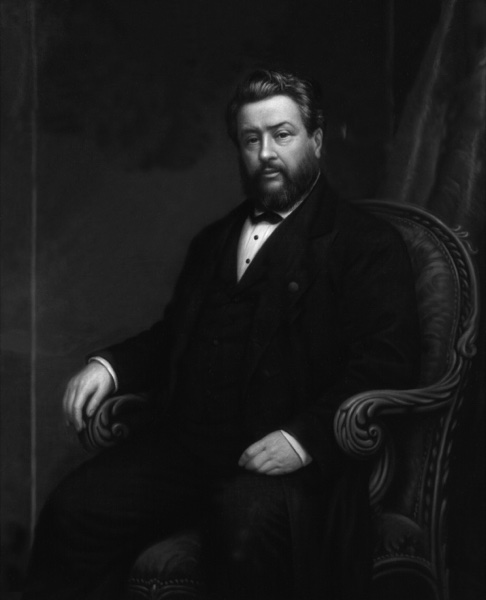
Read full biography → Charles Haddon Spurgeon, born in 1834 in Kelvedon, Essex, England, became known as the "Prince of Preachers." Converted at age 15, he began preaching at 16 and by age 20 became pastor of London's New Park Street Chapel, later the Metropolitan Tabernacle. Spurgeon authored over 3,500 sermons, numerous books, and founded a pastors' college, orphanage, and various Christian ministries. Despite battling depression and illness, he maintained a prolific ministry until his death in 1892. His biblical expository preaching and literary works continue to influence Christians worldwide.
Read full biography → Charlotte Akankwasa is a contemporary contributor to the Ochorus library. She is the author of How to Manage a Library, a practical guide for building and caring for a collection of good books.
Read full biography → David Brainerd (1718–1747) was a young missionary to the Native American peoples of colonial New Jersey and Pennsylvania. Expelled from Yale for his zeal, he gave his brief life to prayer and itinerant preaching among the Delaware and others, seeing a remarkable awakening shortly before dying of tuberculosis at twenty-nine. The diary he kept — published after his death by Jonathan Edwards — became one of the most influential missionary memoirs ever written, stirring generations that followed, from William Carey to Henry Martyn.
Read full biography → Dwight Lyman Moody, born in 1837 in Northfield, Massachusetts, rose from a fatherless farm boyhood and a Boston shoe store to become the best-known evangelist of the nineteenth century, preaching to as many as a hundred million people across America and Britain. Never ordained and barely schooled, he founded the Northfield schools, the Moody Bible Institute, and a colportage work that put good Christian books within everyone's reach. His plain, warm gospel addresses — marked by the love of God and an urgent call to decide for Christ — are still read around the world.
Read full biography → Festo Kivengere (1919–1988) was a Ugandan Anglican bishop and evangelist of the East African Revival, often called “the Billy Graham of Africa.” Converted from nominal faith during the 1941 revival, he became Bishop of Kigezi in 1972 and a leader of African Evangelistic Enterprise. After Archbishop Janani Luwum's murder in 1977 he fled Amin's Uganda over the mountains into Rwanda, then wrote the celebrated book I Love Idi Amin, a testimony to forgiving the tyrant who had driven him into exile.
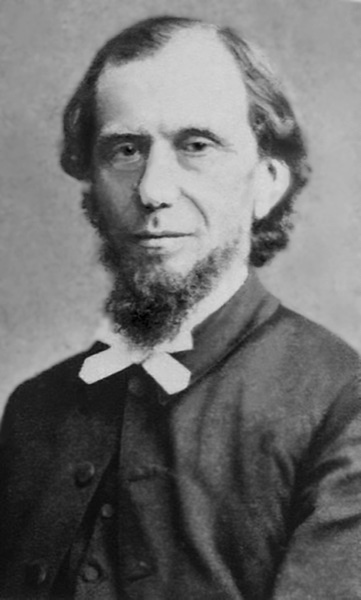
Frederick Brotherton Meyer was born on April 8, 1847, in Clapham, London, to Frederick Meyer, a business owner, and his wife, Ann. Raised in a deeply religious household that cherished the authority of Scripture, Meyer became a prominent Baptist pastor, teacher, and evangelist, based primarily in London. He was known for his expository preaching and devotional writings. Meyer pastored several prominent churches including Christ Church in London and Melbourne's Collins Street Baptist Church.
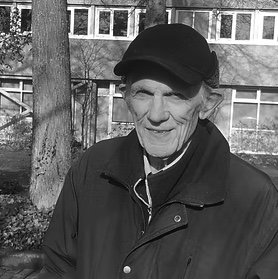
Read full biography → Gareth Evans, born in 1938 in Merthyr Tydfil, is an itinerant pastor, teacher, and author. He studied physics, taught globally, authored devotionals, and now ministers to the hurting church through his website. Gareth, married to Anne, has three daughters, eight grand children, and fourteen great-grand children. His teachings emphasize practical faith and biblical wisdom. With a unique blend of scientific background and spiritual insight, Evans brings clarity to complex theological concepts.
Read full biography → George Müller (1805–1898) was a Prussian-born evangelist who, after a dissolute youth that included theft and a spell in prison, was converted at a prayer meeting in Halle in 1825 and gave his life to living by faith. Settling in Bristol, he founded the Ashley Down orphanages, where he housed and fed more than ten thousand orphans over his lifetime without ever once asking a human being for money — relying on prayer alone and keeping meticulous records of the answers. His aim was to leave the world a visible proof that God still hears prayer; he preached across forty-two countries into his eighties and died at his orphanage in 1898.
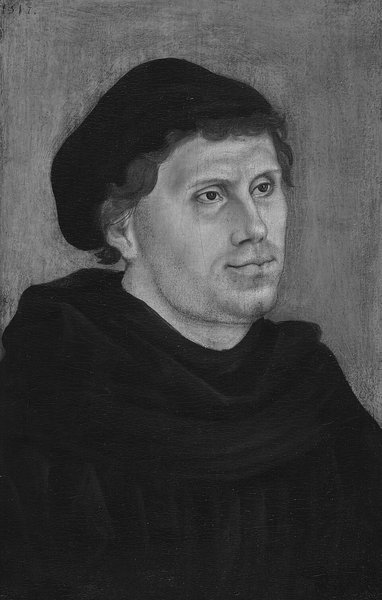
Read full biography → English Anglican cleric and one of the founders of Methodism and the evangelical revival. A famed open-air preacher, he toured Britain and colonial America and became a leading figure of the Great Awakening.
Read full biography → Hannah Buyinza is a contemporary contributor to the Ochorus library. She is the author of Prayer – The Pulse of Life, a devotional reflection on the place of prayer in the everyday Christian life.
Read full biography → Hannah Whitall Smith, born in 1832 in Philadelphia, was a prominent Quaker speaker and writer during the Holiness movement. Her influential book "The Christian's Secret of a Happy Life" became a classic of Christian devotional literature. Despite personal tragedies, she maintained a vibrant faith that influenced generations of believers until her death in 1911. Her teachings emphasized the victorious Christian life through faith. Smith's message of consecration revolutionized Christian thinking, presenting sanctification as resting in Christ's completed work.
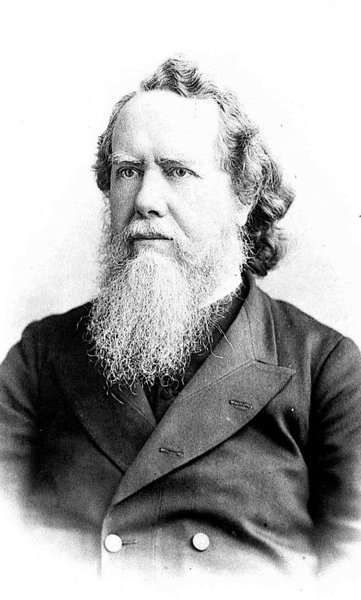
Read full biography → James Hudson Taylor (1832–1905) was an English missionary to China and founder of the China Inland Mission. Converted at seventeen while his mother prayed for him miles away, he gave his life to reaching China's unreached inland provinces, pioneering a faith-mission that took no debt and solicited no funds but told every need to God in prayer. Through immense fruit and immense loss — the deaths of his children, both wives, and dozens of his missionaries in the 1900 Boxer Uprising — he became a byword for trusting God absolutely, and his mission continues today as OMF International.
Read full biography → Jeanne Guyon, born in 1648 in Montargis, France, became a leading voice of Christian mysticism. Drawn early to deep prayer, she dedicated her life to interior surrender and spiritual renewal. Her teachings stirred both devotion and controversy, eventually leading to imprisonment. She died in 1717, but her writings still influence Christian spirituality today. Her autobiography remains a classic of spiritual literature. Guyon's emphasis on pure love and abandonment to God challenged formal religion.
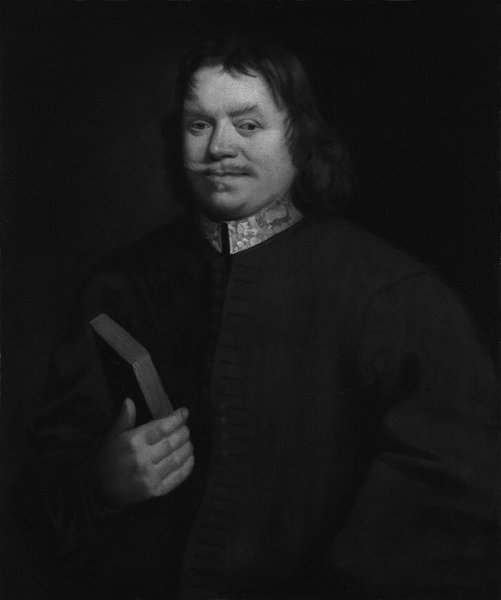
English writer and Puritan preacher, a Bedford tinker by trade who was imprisoned for more than a decade for preaching without a licence. During that confinement he wrote The Pilgrim's Progress, one of the most published allegories in the English language.
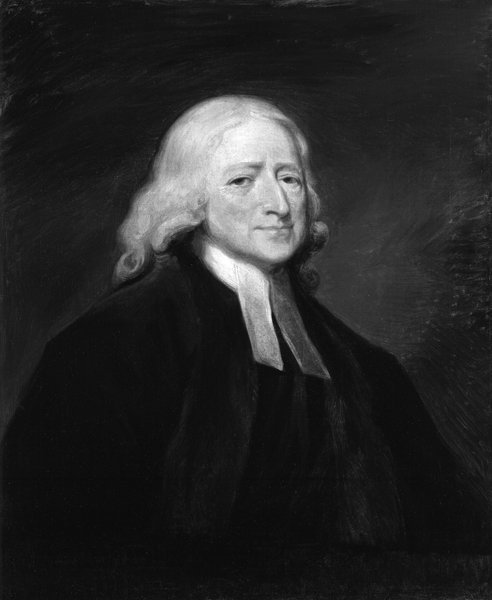
Read full biography → English Anglican cleric and evangelist who founded Methodism. A tireless itinerant preacher and organiser, he was a central figure of the 18th-century evangelical revival.
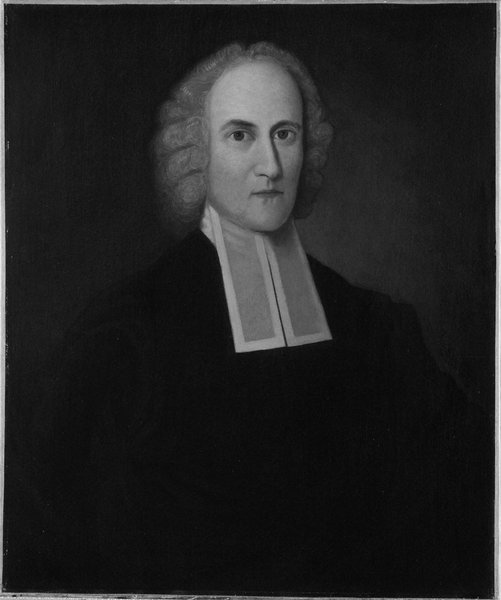
Read full biography → American Congregationalist preacher and theologian, a central figure of the First Great Awakening. He pastored in Northampton, Massachusetts, and briefly served as president of the College of New Jersey (later Princeton).
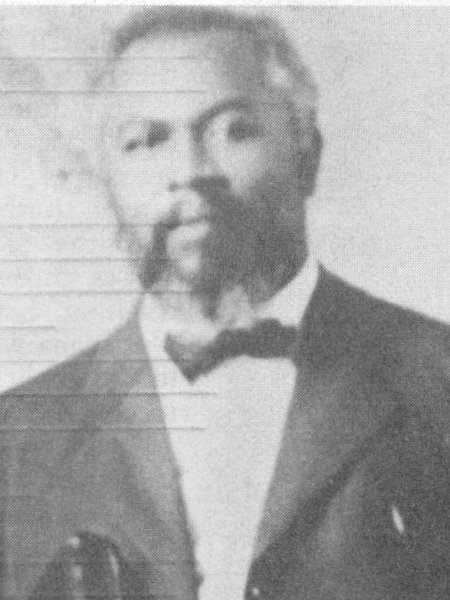
Read full biography → Abandoned as an infant and indentured until he was twenty-one, Lemuel Haynes (1753–1833) taught himself Scripture, Latin, and Greek by firelight. He served as a Minuteman and marched to Ticonderoga, and in 1785 became the first Black man ordained by a mainstream Protestant denomination in America. He pastored mostly white congregations for nearly fifty years — thirty of them at West Rutland, Vermont — and wrote the early antislavery essay “Liberty Further Extended.” Dismissed in old age, he preached to the end, asking only that his gravestone call him a sinner trusting wholly in Christ.
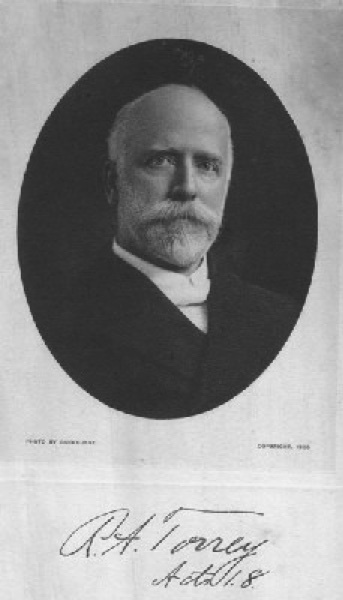
Reuben Archer Torrey (1856–1928) was an American evangelist, pastor and teacher who came to faith at Yale on a night he had resolved to take his own life. D. L. Moody made him the first superintendent of the Moody Bible Institute and he pastored the Chicago Avenue Church, later serving as first dean of the Bible Institute of Los Angeles. With Charles Alexander he preached to millions across Australia, Asia and the British Isles between 1902 and 1905 — a tour he attributed to a Saturday-night prayer meeting. He wrote more than forty books, chiefly on prayer and the Holy Spirit.
Read full biography → Richard Allen (1760–1831) was born into slavery in Philadelphia, sold as a boy to a Delaware farmer, and converted to Christ as a teenager under Methodist preaching. After his master was himself converted and let him buy his freedom, Allen became a pioneering itinerant preacher; the humiliation of segregated seating at St. George's Methodist Church led him to found an independent Black church, Mother Bethel, in Philadelphia. In 1816 he organized and was consecrated first bishop of the African Methodist Episcopal Church, the first fully independent Black denomination in America.
English Puritan church leader and pastor at Kidderminster, ejected from the Church of England in 1662. A prolific author of practical divinity whose pastoral and devotional works became enduring Christian classics.
Read full biography → Samuel Ajayi Crowther (c. 1809–1891) was a Yoruba boy from Osogun captured in a slave raid in 1821, rescued by the Royal Navy from a slave ship and landed at Freetown, Sierra Leone, where he was baptized in 1825. Educated by the Church Missionary Society, he became the first African ordained in the Anglican Church (priest, 1843) and, in 1864, its first African bishop. He translated the entire Bible and the Book of Common Prayer into Yoruba, and bore with humility the undermining of his mission by younger European missionaries in his last years. He died at Lagos on 31 December 1891.
Simeon Nsibambi (1897–1978) was an educated, prosperous Muganda health officer in Kampala whose spiritual hunger drove a pivotal September 1929 meeting with the missionary doctor Joe Church at Namirembe. Their weekend of Bible study and prayer over the fullness of the Spirit helped ignite the East African Revival (the Balokole, “saved ones”). Nsibambi gave up his government post for a life of prayer and personal evangelism, becoming, in many accounts, a father of a movement that reshaped East African Christianity and produced leaders like Festo Kivengere and Janani Luwum.
Susanna Wesley, born in 1669 in London, England, was the mother of John and Charles Wesley, founders of Methodism. A devout Anglican and mother of nineteen children (ten survived to adulthood), she provided rigorous religious education to her children, establishing daily routines of prayer and Scripture study. Despite financial hardships and her husband's absences, she maintained a strong spiritual household. Susanna's theological letters and writings influenced her sons' ministry and the development of Methodist doctrine.
Read full biography → Thomas à Kempis (c. 1380–1471) was a German-born Dutch monk who spent roughly seventy years in a single monastery outside Zwolle, copying manuscripts, keeping his community's chronicle, and teaching its novices. Formed at Deventer among the Brethren of the Common Life, he wrote for those young men four small booklets of counsel that became The Imitation of Christ — after the Bible, the most widely read Christian book ever written. Long circulated anonymously and long disputed, it is now credited to him. His was a hidden, unhurried life, and that hiddenness is the soil the book grew in.
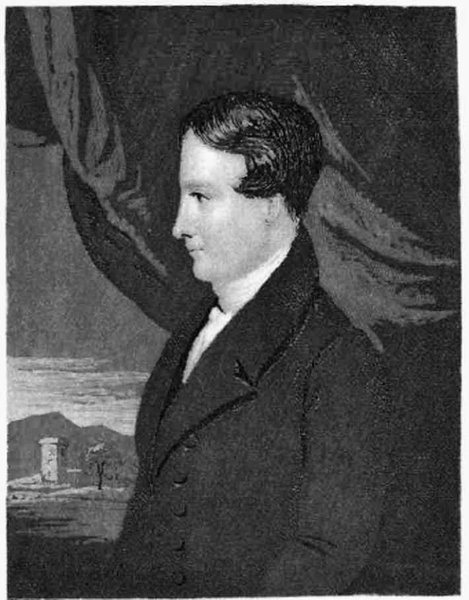
Read full biography → English Nonconformist Puritan preacher and rector of St Stephen Walbrook in London, ejected from his living in 1662. He is remembered for warm, vivid, and remarkably accessible devotional writing.
Read full biography → Watchman Nee, born in 1903 in Foochow, China, was a prominent figure in 20th-century Christianity and Chinese church leadership. He embraced Christianity at 17, dedicated his life to ministry, and authored numerous influential works like "The Normal Christian Life." Persecuted for his faith, he died in 1972 while imprisoned at 69. His legacy continues through the Local Church movement worldwide. Nee's teachings emphasized the spiritual realities of the church and the believer's position in Christ.
William Booth, born in 1829 in Nottingham, England, was the founder of The Salvation Army. Originally a Methodist minister, he felt called to serve the urban poor and began his ministry in London's East End. In 1865, he established the Christian Mission, which later became The Salvation Army in 1878. Booth and his wife Catherine pioneered innovative approaches to evangelism and social welfare, establishing shelters, rehabilitation centers, and soup kitchens.
Read full biography → William Law (1686–1761) was an English priest whose refusal to swear allegiance to George I cost him his Cambridge fellowship and any career in the established church. Barred from preferment, he wrote instead — and A Serious Call to a Devout and Holy Life (1729) became one of the most influential devotional books in English, shaping John Wesley, George Whitefield, and Samuel Johnson. His later turn to the mysticism of Jacob Boehme divided his admirers and ended his friendship with Wesley. He spent his last twenty years at King's Cliffe in fixed hours of prayer, plain living, and open-handed charity, giving away nearly all he had.