Biographies

Christian writers from Britain and Ireland 1516–2016

37 authors · 46 books

Pastors, poets, missionaries and evangelists from England, Scotland, Wales and Ireland. Between them they wrote many of the best-loved Christian books and hymns in the English language.

The writers

JF

John Foxe 1516–1587

1 book in the library

John Foxe (c. 1516–1587) was an English Protestant historian and preacher who gave up his Oxford fellowship for conscience, fled Queen Mary's persecution, and in exile and after gathered the records of those who died for the Reformed faith into Actes and Monuments (1563), known ever since as Foxe's Book of Martyrs. In old age he pleaded with Queen Elizabeth to spare even the heretics he opposed from the fire.
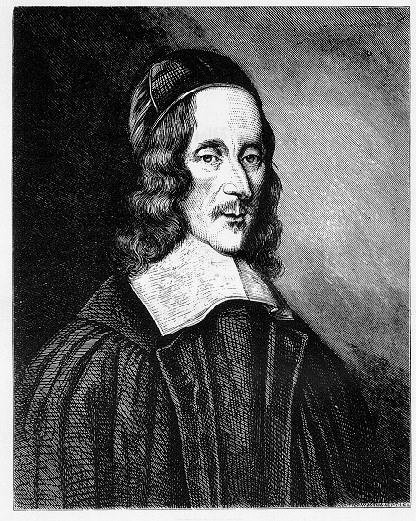
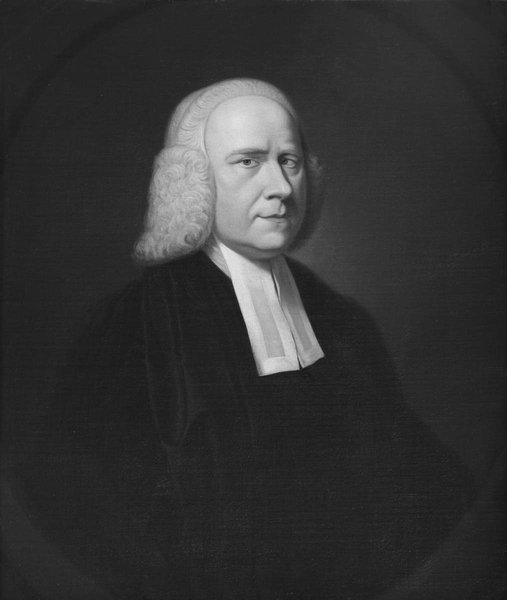
Portrait of George Herbert

George Herbert 1593–1633

Read full biography

George Herbert (1593–1633) was a Welsh-born English poet and Anglican priest who left an aristocrat’s path to court to become a humble country parson at Bemerton. His devotional poems, published after his death as The Temple, and his pastoral manual The Country Parson made him a model of the devout parish priest.

Portrait of John Owen

John Owen 1616–1683

1 book in the library

John Owen (1616–1683) was the foremost theologian of English Puritanism — chaplain to Cromwell, Dean of Christ Church and Vice-Chancellor of Oxford, and after 1662 a dissenting minister barred from the universities he had led. He is famous for the density of his prose and for an unusually exact understanding of how sin actually works on a person, which is why The Mortification of Sin has outlived almost everything else written in its century on the subject.

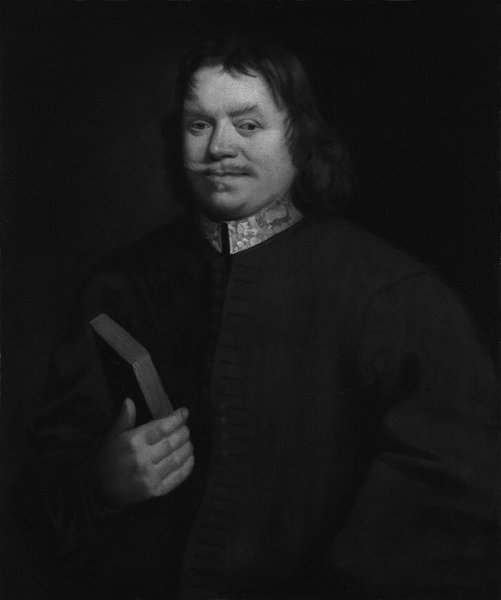
Portrait of John Bunyan

John Bunyan 1628–1688

5 books in the library

English writer and Puritan preacher, a Bedford tinker by trade who was imprisoned for more than a decade for preaching without a licence. During that confinement he wrote The Pilgrim's Progress, one of the most published allegories in the English language.

Portrait of Susanna Wesley

Susanna Wesley 1669–1742

1 book in the library

Susanna Wesley, born in 1669 in London, England, was the mother of John and Charles Wesley, founders of Methodism. A devout Anglican and mother of nineteen children (ten survived to adulthood), she provided rigorous religious education to her children, establishing daily routines of prayer and Scripture study. Despite financial hardships and her husband's absences, she maintained a strong spiritual household.

IW

Isaac Watts 1674–1748

1 book in the library

The father of English hymnody: a frail Dissenting minister who taught the church to sing the gospel in its own words, giving it “When I Survey the Wondrous Cross,” “Our God, Our Help in Ages Past” and “Joy to the World.” Laid aside by illness for years and sheltered for thirty-six by the Abney family, he also wrote Divine Songs (1715), the songs generations of children learned by heart.

Portrait of William Law

William Law 1686–1761

1 book in the library

William Law (1686–1761) was an English priest whose refusal to swear allegiance to George I cost him his Cambridge fellowship and any career in the established church. Barred from preferment, he wrote instead — and A Serious Call to a Devout and Holy Life (1729) became one of the most influential devotional books in English, shaping John Wesley, George Whitefield, and Samuel Johnson.

Portrait of John Newton

John Newton 1725–1807

8 sermons

John Newton (1725–1807) was a slave-ship captain who, after a gradual conversion begun in a 1748 Atlantic storm, became an Anglican pastor at Olney, wrote “Amazing Grace,” and — late in life — a leading voice against the slave trade he had once plied, mentoring William Wilberforce.

Portrait of William Carey

William Carey 1761–1834

Read full biography

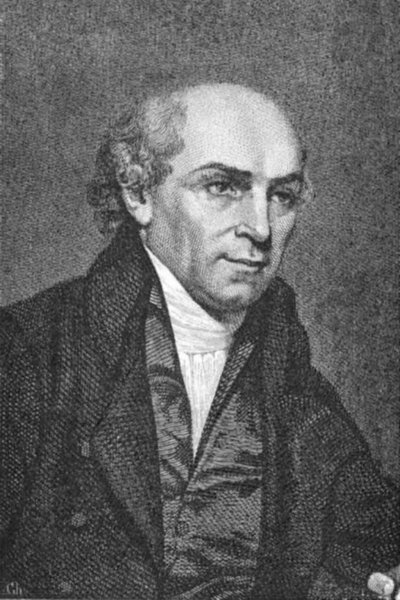
William Carey (1761–1834) was an English cobbler and self-taught linguist whose 1792 call to missions helped launch the modern missionary movement. He gave forty years to India at Serampore, translating the Bible into six Indian languages and campaigning against sati, and is remembered as the “father of modern missions.”

Portrait of Christmas Evans

Christmas Evans 1766–1838

6 sermons

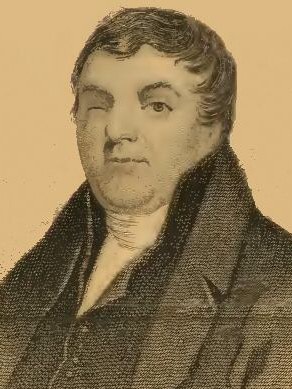
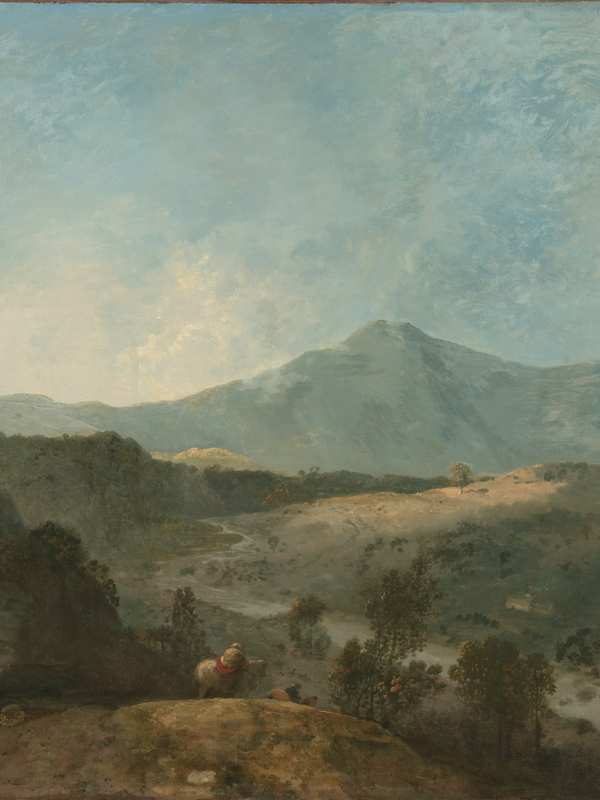
Christmas Evans (1766–1838) was the greatest of the Welsh preachers — a poor, self-taught farm laborer, blinded in one eye by an assault in his youth, who became known as the “Bunyan of Wales.” For more than thirty years he oversaw the scattered Baptist churches of Anglesey on a stipend of £17 a year, preaching to thousands in vivid, dramatic open-air sermons. His ministry was revived after a famous covenant with God below Cadair Idris.

Portrait of David Livingstone

David Livingstone 1813–1873

Read full biography

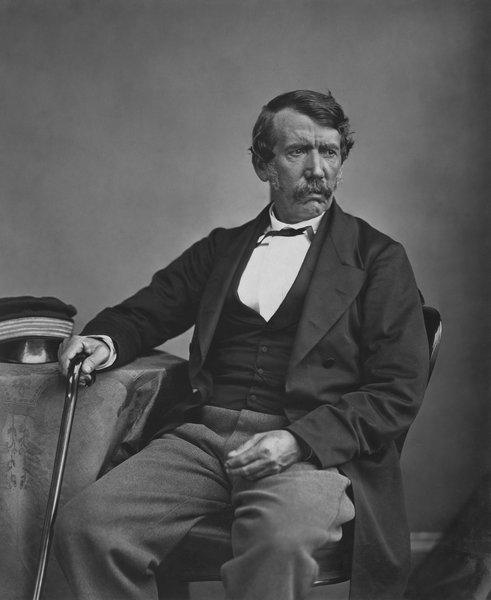
David Livingstone (1813–1873) was a Scottish mill boy turned missionary-explorer of Africa who crossed the continent, exposed the East African slave trade as “the open sore of the world,” and died on his knees in what is now Zambia. Famous as an explorer, he counted almost no converts — and that honest tension is part of what makes his devotion so striking.

Portrait of Robert Murray M’Cheyne

Robert Murray M’Cheyne 1813–1843

7 sermons

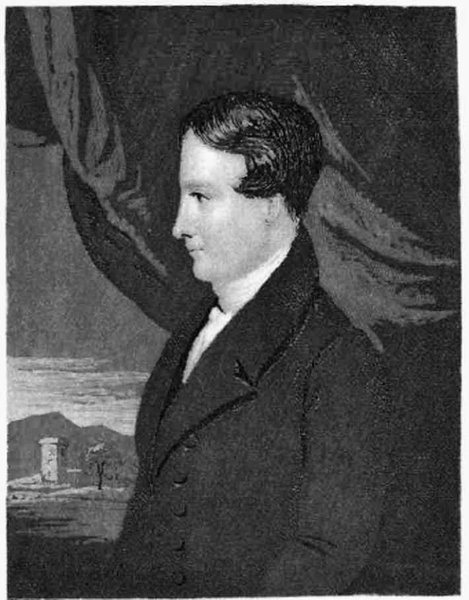
Robert Murray M’Cheyne (1813–1843) was the minister of St Peter’s, Dundee, remembered for his pursuit of personal holiness and tender pastoral care. He drew up a still-used Bible-reading calendar, joined the 1839 mission of inquiry to the Jews, and died of typhus at 29, mourned by a whole city.
Portrait of J. C. Ryle

J. C. Ryle 1816–1900

7 sermons

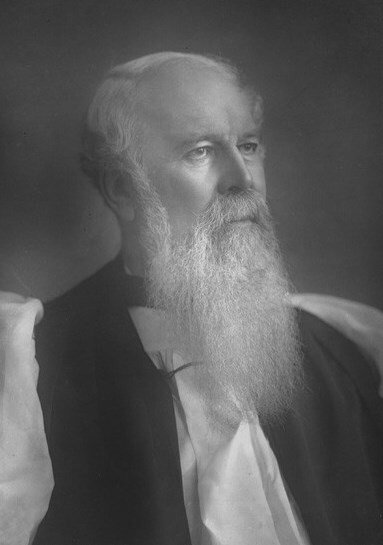
John Charles Ryle (1816–1900) was the first Bishop of Liverpool and a leading evangelical of the Victorian church — a wealthy young man ruined by his family's bank collapse, redirected into the ministry, and famed for plain-spoken gospel tracts distributed by the million.

Portrait of Alexander Maclaren

Alexander Maclaren 1826–1910

7 sermons

Alexander Maclaren (1826–1910) was a Scottish Baptist preacher who served Union Chapel, Manchester, for forty-five years — “the prince of expository preachers,” whose lifelong daily reading of the Greek and Hebrew Scriptures fed the sermons gathered in his Expositions of Holy Scripture.
Portrait of Catherine Booth

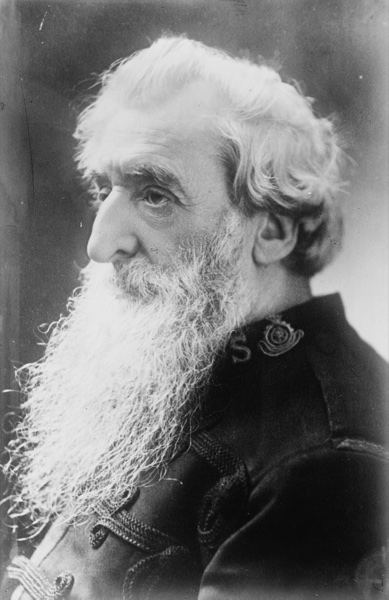
Catherine Booth 1829–1890

1 book in the library · 10 sermons

Catherine Booth, born in 1829 in Ashbourne, Derbyshire, England, was co-founder of The Salvation Army alongside her husband William Booth. A powerful preacher and advocate for women's rights, she challenged Victorian conventions by preaching publicly and advocating for women's ministry. Catherine authored "Female Ministry: Women's Right to Preach" and was instrumental in shaping The Salvation Army's theology and social programs.
Portrait of William Booth

William Booth 1829–1912

1 book in the library · 7 sermons

William Booth, born in 1829 in Nottingham, England, was the founder of The Salvation Army. Originally a Methodist minister, he felt called to serve the urban poor and began his ministry in London's East End. In 1865, he established the Christian Mission, which later became The Salvation Army in 1878. Booth and his wife Catherine pioneered innovative approaches to evangelism and social welfare, establishing shelters, rehabilitation centers, and soup kitchens.

Portrait of Hudson Taylor

Hudson Taylor 1832–1905

5 books in the library · 9 sermons

James Hudson Taylor (1832–1905) was an English missionary to China and founder of the China Inland Mission. Converted at seventeen while his mother prayed for him miles away, he gave his life to reaching China's unreached inland provinces, pioneering a faith-mission that took no debt and solicited no funds but told every need to God in prayer.

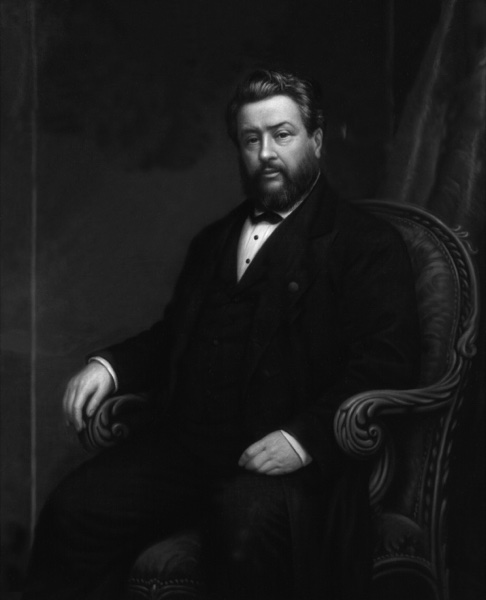
Portrait of Charles H. Spurgeon

Charles H. Spurgeon 1834–1892

11 books in the library · 18 sermons

Charles Haddon Spurgeon, born in 1834 in Kelvedon, Essex, England, became known as the "Prince of Preachers." Converted at age 15, he began preaching at 16 and by age 20 became pastor of London's New Park Street Chapel, later the Metropolitan Tabernacle. Spurgeon authored over 3,500 sermons, numerous books, and founded a pastors' college, orphanage, and various Christian ministries.

Portrait of F. B. Meyer

F. B. Meyer 1847–1929

3 books in the library

Frederick Brotherton Meyer was born on April 8, 1847, in Clapham, London, to Frederick Meyer, a business owner, and his wife, Ann. Raised in a deeply religious household that cherished the authority of Scripture, Meyer became a prominent Baptist pastor, teacher, and evangelist, based primarily in London. He was known for his expository preaching and devotional writings. Meyer pastored several prominent churches including Christ Church in London and Melbourne Hall in Leicester.

Portrait of Mary Slessor

Mary Slessor 1848–1915

Read full biography

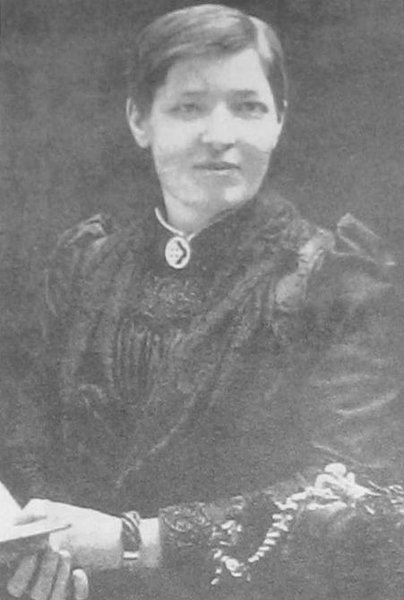
Mary Slessor (1848–1915) was a Dundee mill girl who became a missionary to Calabar in what is now Nigeria. Living among the people and speaking their language, she fought the killing of twins, rescued and raised many children, and became a magistrate in the interior — remembered as “everybody’s mother.”

Portrait of Smith Wigglesworth

Smith Wigglesworth 1859–1947

1 book in the library

Smith Wigglesworth (1859–1947) was a Yorkshire plumber who could not read as a boy, worked in a woollen mill from the age of seven, and became one of the best-known evangelists of early Pentecostalism. With his wife Polly he led the Bowland Street Mission in Bradford for many years; after receiving the baptism in the Holy Spirit at Sunderland in 1907 he preached faith and divine healing across Europe, America, Australasia, India and Africa, and his sermons were gathered in Ever Increasing Faith and Faith That Prevails.

Portrait of C. T. Studd

C. T. Studd 1860–1931

Read full biography

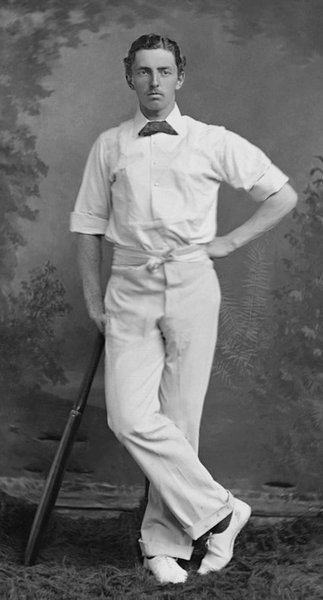
C. T. Studd (1860–1931) was an England cricketer who, after his conversion, gave away a fortune and joined the “Cambridge Seven” as a missionary — serving in China, India, and finally the Congo, where he founded what became WEC. A man of fierce, uncompromising, and at times difficult zeal, he lived by the conviction that no sacrifice could be too great for Christ.

Portrait of Amy Carmichael

Amy Carmichael 1867–1951

1 book in the library

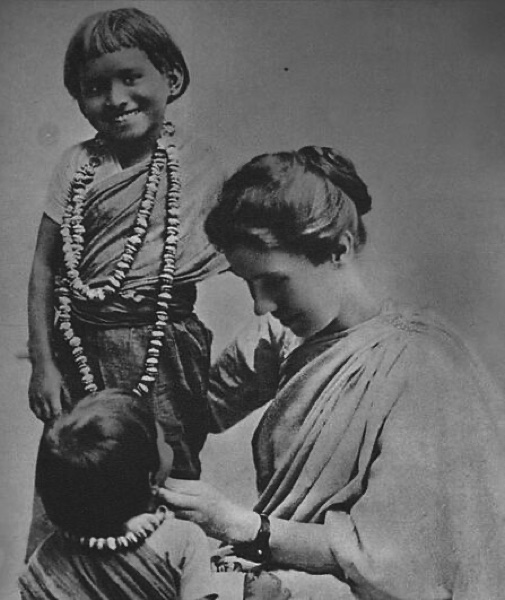
Amy Beatrice Carmichael, born in 1867 in Millisle, Ireland, was a Protestant missionary in India. She served for 55 years without furlough, founding the Dohnavur Fellowship to rescue children from temple prostitution. Known for her deep devotion and writings on prayer, she authored 35 books and remained in India until her death in 1951. Her work continues through the ongoing ministry she established. Carmichael's life demonstrated radical obedience to Christ's call and cultural adaptation.

RH

Rees Howells 1879–1950

Read full biography

Rees Howells (1879–1950) was a Welsh coal miner turned intercessor whose life of costly, sacrificial prayer became the pattern taught in his biography by Norman Grubb. He founded the Bible College of Wales at Swansea in 1924, running it without fees or fundraising appeals, and led its community in sustained wartime intercession for Britain.

CS

Charles S. Price 1887–1947

Read full biography

Charles S. Price (1887–1947) was an English-born Pentecostal evangelist who, as a liberal Congregational pastor in Lodi, California, went to Aimee Semple McPherson’s 1921 San Jose meetings to expose them and was converted instead. His healing campaigns across North America drew huge crowds, notably in Victoria and Vancouver in 1923, and his book The Real Faith (1940) taught that true faith is not worked up but imparted by God.

JC

Joe Church 1899–1989

Read full biography

Dr Joe E. Church (1899–1989) was an English CMS missionary doctor at Gahini Hospital in Rwanda whose two days of Bible study and prayer with the Ugandan layman Simeoni Nsibambi on Namirembe Hill in September 1929 are remembered as the spark of the East African Revival. He served in Africa for over three decades and always insisted the Revival was God’s work, not his own.

ML

Martyn Lloyd-Jones 1899–1981

11 sermons

David Martyn Lloyd-Jones (1899–1981), known as “the Doctor,” was a brilliant young London physician — assistant to the King's doctor, Sir Thomas Horder — who left medicine for the ministry, convinced that humanity's deepest disease is spiritual. After eleven years pastoring working people at Sandfields in industrial South Wales, he preached expositionally at Westminster Chapel, London, for thirty years and became a central figure in the twentieth-century recovery of Reformed preaching.

Portrait of Gladys Aylward

Gladys Aylward 1902–1970

Read full biography

Gladys Aylward (1902–1970) was an English parlourmaid, rejected by the missionary society, who spent her savings to travel overland alone to China in 1930. She ran an inn that told Bible stories and led about a hundred children over the mountains to safety during the Japanese invasion — insisting she was not God’s first choice, only a willing one.

Portrait of John Stott

John Stott 1921–2011

Read full biography

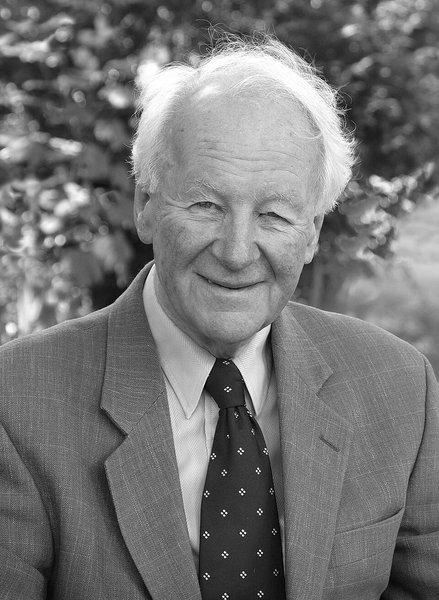
John Stott (1921–2011) was rector of All Souls, Langham Place, for his whole ministry and one of the principal architects of modern world evangelicalism — chief framer of the Lausanne Covenant and founder of the Langham Partnership. A clear Bible teacher, lifelong single, and disciplined man of prayer, he gave away his royalties to train pastors across the world.

Portrait of Helen Roseveare

Helen Roseveare 1925–2016

Read full biography

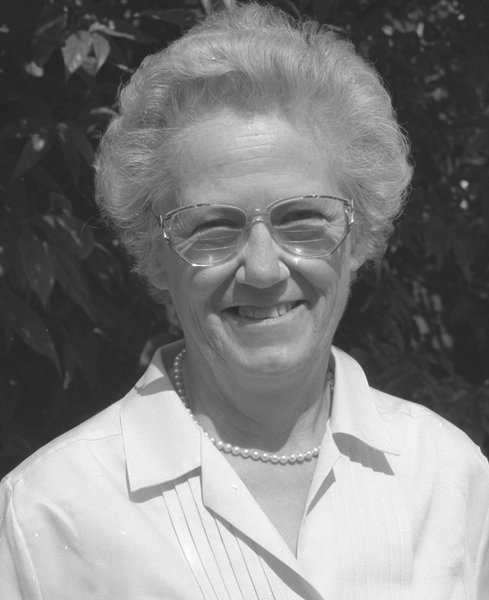
Helen Roseveare (1925–2016) was a British missionary doctor who built hospitals and trained African medical workers in the Congo. Beaten and raped during the 1964 Simba rebellion, she spoke of it as being “trusted” by God with suffering, returned to Congo to rebuild, and taught for the rest of her life that the cost is swallowed up in the privilege of knowing Christ.

Portrait of Gareth Evans

Gareth Evans b. 1938

5 books in the library · 11 sermons

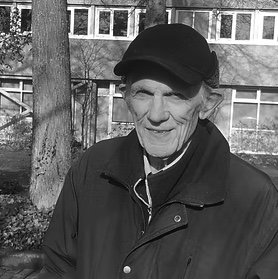
Gareth Evans, born in 1938 in Merthyr Tydfil, is an itinerant pastor, teacher, and author. He studied physics, taught globally, authored devotionals, and now ministers to the hurting church through his website. Gareth, married to Anne, has three daughters, eight grand children, and fourteen great-grand children. His teachings emphasize practical faith and biblical wisdom. With a unique blend of scientific background and spiritual insight, Evans brings clarity to complex theological concepts.

LB

Lawrence Barham

Read full biography

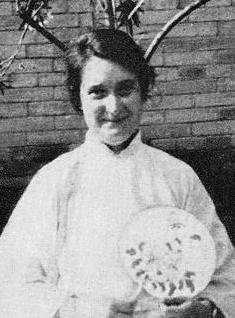
Lawrence Barham was a British Anglican clergyman and CMS Ruanda Mission missionary who, turned away from China, sailed to central Africa in 1928 and gave his life to Kigezi and Burundi. A front-rank European figure of the East African Revival, he founded the Kabale Bible school that became Bishop Barham University College; his closeness to the Revival cost him a bishopric in 1946, which he finally received in 1964.

Where to start reading

Questions and Answers

Why did so many classic Christian books come from Britain?

The English Reformation, the Puritans, the evangelical revival and the missionary movement all flourished in Britain, and printing made their sermons and books widely available. Many of those books have been read ever since.

Which British Christian book is most widely read?

John Bunyan's The Pilgrim's Progress, written in the 1670s, has been translated into more languages than almost any book besides the Bible.

Are Welsh and Scottish writers listed separately?

Yes. England, Scotland and Wales each have a page of their own, and this page gathers them all together with writers from Ireland.