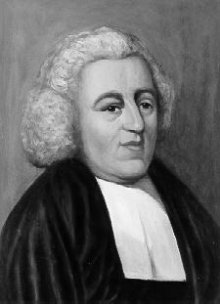
Biography
- 1725 Born
- 1732 Mother died
- 1748 Converted
- 1764 Olney
- 1807 Died
Whenever he left the vessel, I was locked upon deck, with a pint of rice for my day’s allowance.
Almost everyone has sung his most famous line without knowing whose life it describes. “Amazing grace! how sweet the sound, that saved a wretch like me” is not a poet reaching for a strong word. It is a plain report. The man who wrote it had been an infidel, a runaway, a servant of slaves on the African coast, and — this is the part the hymn does not let us skip — a captain of slave ships, carrying human beings chained below his own deck while he kept a pious routine above it. He knew exactly what he meant by a wretch. That is why the line has never worn out.
A mother’s Scripture, and the sea
John Newton was born in London, in the riverside district of Wapping, on 24 July 1725. His mother, Elizabeth, was a devout Dissenter who filled his early childhood with Scripture and hymns and hoped he would grow up to be a minister. She died of consumption in July 1732, when he was not quite seven. It is the first of the losses that shaped him, and the seed she planted lay buried a long time before it grew.
He went to sea at about eleven, sailing with his father, a merchant-ship commander. The boy raised on his mother’s hymns became, over the next years, a hard and profane young man. Around 1743 he was press-ganged into the Royal Navy aboard HMS Harwich. His father’s influence made him a midshipman; his own recklessness undid it. He attempted to desert, was caught, publicly flogged, and reduced to the rank of common seaman — a humiliation in front of the whole ship.
He then got himself transferred into the service of a slave trader, and the descent continued. From about 1745 he lived on the Sierra Leone coast, on the Plantain Islands, in destitution and something close to bondage under a slave-dealer and his African wife. Sick, half-starved, and mistreated, the man who would one day command slave ships was for a season treated almost as a slave himself. He remembered the degradation plainly.
Whenever he left the vessel, I was locked upon deck, with a pint of rice for my day’s allowance.
— John Newton, An Authentic Narrative
This is where his own story becomes useful rather than merely dramatic. Newton did not fall from a great height. He was already at the bottom — mocked, hungry, and by his own later account an enemy of God — when grace began, slowly, to reach him.
The storm off Donegal
The turning point came at sea. On 10 March 1748 — by the old-style calendar he kept all his life — Newton was aboard the merchant ship Greyhound, returning across the Atlantic, when a violent storm struck off the coast of Donegal in Ireland. The ship was nearly torn apart. A sailor was washed overboard and lost. Water poured in faster than the crew could work, and Newton, lashed to the pump through the long hours, did something he had spent years mocking other men for doing. He cried out to God for mercy.
The Greyhound did not sink. Newton lived, and he never treated his survival as luck. He kept the anniversary as his spiritual birthday for the rest of his life, and he set it down in his own words.
The 10th (that is in the present style the 21st) of March, is the day much to be remembered by me.
— John Newton, An Authentic Narrative
It would be neat to end the conversion there, and many retellings do. Newton himself was more honest. He always insisted his conversion was gradual, not instantaneous. The storm woke him; deeper conviction came slowly, over years, and one uncomfortable fact stands in the middle of that slow work and refuses to be tidied away.
The captain who kept praying
Newton’s cry for mercy in 1748 did not end his slaving. This is the hard centre of his life, and to soften it is to lose the point of everything he later became. After the storm he continued in the trade — as a mate, and then as captain of slave ships. He commanded the Duke of Argyle in 1750 and the African from 1752 to 1754. On those voyages he kept a devout shipboard routine, holding to religious observance on deck while the cargo he was paid to carry lay chained below. He was, by then, a praying man and a trafficker in human beings at the same time, and he stayed that way for years.
He left the sea around 1754, after a seizure that ended his fitness for such command, and even then he did not immediately renounce the trade — for a time he still had money invested in it. The awakening of his conscience about slavery itself, like his conversion, came gradually and late.
An honest reader has to sit with this rather than explain it away. It is precisely because Newton was not made instantly good that his witness to grace carries such weight. He is not a trophy of a clean rescue. He is evidence that God works on a real person over real time, and that the light can dawn in a heart while great sin still darkens the hands. When he finally understood what he had done, he did not plead that he had meant no harm. He called himself what he had been.
Olney, Cowper, and Amazing Grace
Grace made a minister of him, though the door opened slowly. Newton became tide surveyor at the Port of Liverpool in 1755, and in his spare hours taught himself Greek, Hebrew, and theology. He sought ordination and was at first refused. At last, on 29 April 1764, he was ordained deacon in the Church of England, and priest that June, and sent as curate to the small town of Olney in Buckinghamshire, where he served for some sixteen years.
At Olney he formed one of the great friendships of English letters, with the poet William Cowper. Cowper suffered from severe recurring melancholia and seasons of suicidal despair, and Newton became his close pastor and friend, drawing him into the writing of hymns partly as a kind of therapy for a mind that tormented itself. The two were seldom apart.
I believe … we were not seven hours without being together.
— John Newton, on his friendship with William Cowper
Out of that partnership came the Olney Hymns of 1779, to which Newton contributed around 280 hymns and Cowper about 68 — among them Cowper’s “God moves in a mysterious way.” Newton’s own most enduring hymn had first been sung a few years earlier. He wrote it for a New Year’s Day service on 1 January 1773, to accompany a sermon on King David’s prayer of wonder in 1 Chronicles. He called it “Faith’s Review and Expectation.” The world came to know it by its first two words.
Amazing grace! how sweet the sound, that saved a wretch like me! I once was lost, but now am found, was blind, but now I see.
— John Newton, “Amazing Grace,” 1779
Speaking against the trade he had plied
In 1780 Newton became rector of St Mary Woolnoth in the City of London, where he preached until near the end of his life. The previous year he had published Cardiphonia; or, The Utterance of the Heart — a celebrated volume of his spiritual letters that carried his warm, searching pastoral voice far beyond any one pulpit.
It was from this later ministry that he did the work for which the world owes him most, apart from the hymn. In 1788 he published Thoughts upon the African Slave Trade, a public confession and eyewitness indictment of the traffic he had once captained. Coming from a former slave-ship commander, it carried a weight no abolitionist theorist could match; he had seen with his own eyes what he now testified against, and he did not spare himself in the telling. That same year he gave evidence before the Privy Council committee examining the trade.
He also shaped the campaign through the men he counselled. When the young, newly-converted William Wilberforce considered leaving politics for the ministry in 1785, it was Newton who urged him to stay in public life. That counsel helped keep Wilberforce in the House of Commons, where he would lead the long parliamentary fight against the trade. The old man mentored the young one, and lived just long enough to see the fruit. The Slave Trade Act abolishing the British slave trade passed in 1807, only months before Newton died.
Two things he remembered
Newton’s wife, Mary Catlett Newton, died in 1790, and he outlived her by seventeen years. He died in London on 21 December 1807, aged eighty-two. He had directed that no other monument mark him but the words he wrote for himself, and they remain the truest summary of his life — a confession and a thanksgiving in one breath.
John Newton, Clerk, once an infidel and libertine, a servant of slaves in Africa, was, by the rich mercy of our Lord and Saviour Jesus Christ, preserved, restored, pardoned, and appointed to preach the faith he had long laboured to destroy.
— John Newton’s self-written epitaph, St Mary Woolnoth
Two sayings cling to his memory from his final years, and honesty requires a word about them. Newton is remembered as saying, “I am not what I ought to be, but by the grace of God I am what I am” — a line true to everything he taught, though it comes down to us through later collections rather than anything he is known to have published. And those who attended him near the end reported a simpler word still, offered when his memory was failing: that he was a great sinner, and Christ a great Saviour. Whether or not the phrasing is exact, no summary of the man could be more faithful.
That is finally why his hymn endures where grander ones have faded. Newton never let anyone, least of all himself, forget what he had been. He did not present a cleaned-up conversion or a hero’s progress. He put “a wretch like me” into the mouth of every singer, and meant it first about the man who had chained others below his own praying deck. The grace he sang about was amazing because he had measured, exactly, how far it reached to find him.
Sermons by John Newton (8)
Also appears in

Questions and Answers
What is John Newton best known for?
He wrote “Amazing Grace,” whose opening line — “Amazing grace! how sweet the sound, that saved a wretch like me” — is one of the most sung phrases in the English language. For Newton the word “wretch” was not poetic exaggeration but plain autobiography, since he had been a runaway, a blasphemer, and a captain of slave ships before grace found him. He is remembered, too, as the Anglican pastor and letter-writer who late in life became an outspoken witness against the very slave trade he had once plied.
Was John Newton really a slave trader?
Yes, and honesty requires facing it squarely. After a wretched season on the African coast — where he was himself half-starved and treated almost as a slave — he rose in the trade, commanding the slave ships Duke of Argyle in 1750 and the African from 1752 to 1754, carrying chained human beings below the same deck on which he kept a devout routine. Troublingly, this continued for years after the 1748 storm that began his conversion; his conscience about slavery itself awakened only gradually and late, which is exactly why his later repentance carried such weight.
How did John Newton's conversion begin?
On 10 March 1748, aboard the merchant ship Greyhound returning across the Atlantic, Newton was caught in a violent storm off the coast of Donegal that nearly tore the vessel apart. Lashed to the pump through the long hours as water poured in, the man who had made a sport of mocking religion cried out to God for mercy for the first time in earnest. The ship survived, and he kept that date as his spiritual birthday for the rest of his life, writing, “The 10th (that is in the present style the 21st) of March, is the day much to be remembered by me.”
Did John Newton become a Christian all at once during that storm?
No, and he was careful never to let anyone think so. Newton always insisted his conversion was gradual rather than instantaneous — the storm woke him, but deeper conviction came slowly over years, even as he went on captaining slave ships. He is not a story of a clean, immediate rescue but evidence that God can work on a real person over real time, with the light dawning in a heart while great sin still darkens the hands.
How did a former sailor end up a pastor at Olney?
After a seizure ended his fitness for command around 1754, Newton became tide surveyor at the Port of Liverpool and taught himself Greek, Hebrew, and theology in his spare hours. He sought ordination in the Church of England and was at first refused, but on 29 April 1764 he was ordained deacon and that June a priest, then sent as curate to the small Buckinghamshire town of Olney, where he served for some sixteen years. In 1780 he moved to become rector of St Mary Woolnoth in the City of London, where he preached until near the end of his life.
When and why did Newton write “Amazing Grace”?
He wrote it for a New Year's Day service at Olney on 1 January 1773, to accompany a sermon on King David's prayer of wonder in 1 Chronicles. He gave it the title “Faith's Review and Expectation,” and only later did the world come to know it by its first two words. It appeared in print in the Olney Hymns of 1779, the collection to which Newton contributed around 280 hymns.
What was Newton's friendship with the poet William Cowper like?
At Olney, Newton became close pastor and friend to the poet William Cowper, who suffered from severe recurring melancholia and seasons of suicidal despair. The two were seldom apart — Newton once recalled that “I believe … we were not seven hours without being together” — and he drew Cowper into writing hymns partly as therapy for a tormented mind. Their partnership produced the Olney Hymns of 1779, to which Cowper contributed some sixty-eight, including “God moves in a mysterious way.”
Did Newton ever speak out against the slave trade he had once profited from?
He did, and with a weight no theorist could match. In 1788 he published Thoughts upon the African Slave Trade, a public confession and eyewitness indictment of the traffic he had once captained, and that same year he gave evidence before the Privy Council committee examining the trade. Having seen the horror with his own eyes, he testified against it without sparing himself.
What was Newton's role in William Wilberforce's fight against slavery?
When the young, newly converted William Wilberforce considered leaving politics for the ministry in 1785, it was Newton who urged him to remain in public life. That counsel helped keep Wilberforce in the House of Commons, where he led the long parliamentary campaign against the trade. Newton lived just long enough to see its fruit: the Slave Trade Act abolishing the British slave trade passed in 1807, only months before he died.
What was Newton's marriage to Mary like, and how did his life end?
Newton's devotion to his wife, Mary Catlett — whom he called Polly — ran through his whole life, and her death in 1790 left him to outlive her by seventeen years. He died in London on 21 December 1807, aged eighty-two, having directed that no monument mark him but the words he wrote for himself: an epitaph naming him “once an infidel and libertine, a servant of slaves in Africa,” who was “by the rich mercy of our Lord and Saviour Jesus Christ, preserved, restored, pardoned, and appointed to preach the faith he had long laboured to destroy.” Those near him at the end reported a simpler word still — that he was a great sinner, and Christ a great Saviour.