
Book
Sermons on Several Occasions
Selected Standard Sermons
Other titles: Wesley's Standard Sermons · The Standard Sermons of John Wesley
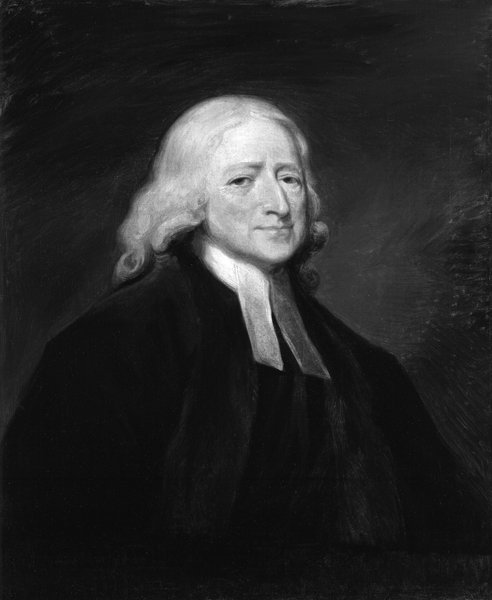
John Wesley · 1703–1791
- 142 chapters
- 54 hr 58 min read
- Moderate Reading difficulty
Free to read·No account needed
Preface
Taking books where there’s no signal? See Ochorus for missionaries or chaplains
Reader’s guide
About this book
The sermons John Wesley chose as the doctrinal standard of Methodism — what its preachers were bound to teach. Salvation by faith, the witness of the Spirit, the almost Christian, the use of money: the working theology of a movement, set out in the plain words Wesley insisted on.
“By grace are ye saved through faith.” 1. All the blessings which God hath bestowed upon man are of his mere grace, bounty, or favour; his free, undeserved favour; favour altogether undeserved; man having no claim to the least of his mercies.
Contents
- 1 Preface 13 min
- 2 Salvation by Faith 21 min
- 3 The Almost Christian 17 min
- 4 Awake, Thou That Sleepest 25 min
- 5 Scriptural Christianity 35 min
- 6 Justification by Faith 25 min
- 7 The Righteousness of Faith 25 min
- 8 The Way to the Kingdom 22 min
- 9 The First Fruits of the Spirit 24 min
- 10 The Spirit of Bondage and of Adoption 30 min
- 11 Discourse I 26 min
- 12 Discourse II 24 min
- 13 The Witness of our own Spirit 21 min
- 14 On Sin in Believers 26 min
- 15 The Repentance of Believers 31 min
- 16 [I.e., the Last Judgment — GL] 39 min
- 17 The Means of Grace 36 min
- 18 The Circumcision of the Heart 23 min
- 19 The Marks of the New Birth 25 min
- 20 The Great Privilege of those that are Born of God 22 min
- 21 The Lord our Righteousness 26 min
- 22 Discourse 1 33 min
- 23 Discourse 2 34 min
- 24 Discourse 3 36 min
- 25 Discourse 4 34 min
- 26 Discourse 5 38 min
- 27 Discourse 6 35 min
- 28 Discourse 7 36 min
- 29 Discourse 8 37 min
- 30 Discourse 9 33 min
- 31 Discourse 10 25 min
- 32 Discourse 11 18 min
- 33 Discourse 12 20 min
- 34 Discourse 13 23 min
- 35 The Original, Nature, Property, and Use of the Law 30 min
- 36 Discourse I 23 min
- 37 Discourse 2 20 min
- 38 The Nature of Enthusiasm 26 min
- 39 A Caution against Bigotry 29 min
- 40 Catholic Spirit 28 min
- 41 Christian Perfection 47 min
- 42 Wandering Thoughts 20 min
- 43 Satan’s Devices 25 min
- 44 The Scripture Way of Salvation 24 min
- 45 Original Sin 24 min
- 46 The New Birth 27 min
- 47 The Wilderness State 31 min
- 48 Heaviness through Manifold Temptations 25 min
- 49 Self-denial 24 min
- 50 The Cure of Evil-speaking 22 min
- 51 The Use of Money 26 min
- 52 The Good Steward 28 min
- 53 Sermon 52 39 min
- 54 Preached at the Chapel in Tottenham-Court Road and at the Tabernacle, near Moorfields, on Sunday, November 18, 1770 33 min
- 55 On Eternity 20 min
- 56 On the Trinity 15 min
- 57 God’s Approbation of His Works 18 min
- 58 On the Fall of Man 21 min
- 59 On Predestination 13 min
- 60 God’s Love to Fallen Man 21 min
- 61 The General Deliverance 25 min
- 62 The Mystery of Iniquity 30 min
- 63 The End of Christ’s Coming 21 min
- 64 The General Spread of the Gospel 24 min
- 65 The New Creation 16 min
- 66 The Duty of Reproving our Neighbour 17 min
- 67 The Signs of the Times 20 min
- 68 On Divine Providence 26 min
- 69 The Wisdom of God’s Counsels 26 min
- 70 The Imperfection of Human Knowledge 29 min
- 71 The Case of Reason Impartially Considered 22 min
- 72 Of Good Angels 19 min
- 73 Of Evil Angels 22 min
- 74 Of Hell 23 min
- 75 Of the Church 20 min
- 76 On Schism 20 min
- 77 On Perfection 30 min
- 78 Spiritual Worship 22 min
- 79 Spiritual Idolatry 19 min
- 80 On Dissipation 17 min
- 81 On Friendship with the World 25 min
- 82 In What Sense we are to Leave the World 25 min
- 83 On Temptation 20 min
- 84 On Patience 18 min
- 85 The Important Question 27 min
- 86 On Working out our own Salvation 17 min
- 87 A Call to Backsliders 29 min
- 88 The Danger of Riches 30 min
- 89 On Dress 23 min
- 90 The More Excellent Way 24 min
- 91 An Israelite Indeed 17 min
- 92 On Charity 25 min
- 93 On Zeal 21 min
- 94 On Redeeming the Time 19 min
- 95 On Family Religion 22 min
- 96 On the Education of Children 27 min
- 97 On Obedience to Parents 21 min
- 98 On Obedience to Pastors 19 min
- 99 On Visiting the Sick 23 min
- 100 Preached before the Humane Society 23 min
- 101 On Pleasing all Men 17 min
- 102 The Duty of Constant Communion 23 min
- 103 Of Former Times 20 min
- 104 What is Man? 15 min
- 105 On Attending the Church Service 24 min
- 106 On Conscience 19 min
- 107 On Faith 16 min
- 108 On God’s Vineyard 24 min
- 109 On Riches 18 min
- 110 What is Man? 13 min
- 111 On the Discoveries of Faith 16 min
- 112 On the Omnipresence of God 13 min
- 113 The Rich Man and Lazarus 25 min
- 114 The Difference Between Walking by Sight, and Walking by Faith 18 min
- 115 The Unity of the Divine Being 19 min
- 116 The Ministerial Office 18 min
- 117 Causes of the Inefficacy of Christianity 20 min
- 118 On Knowing Christ after the Flesh 13 min
- 119 On a Single Eye 18 min
- 120 On Worldly Folly 12 min
- 121 On the Wedding Garment 14 min
- 122 Human Life a Dream 16 min
- 123 On Faith 19 min
- 124 The Deceitfulness of the Human Heart 17 min
- 125 The Heavenly Treasure in Earthen Vessels 10 min
- 126 On Living Without God 12 min
- 127 On the Danger of Increasing Riches 18 min
- 128 The Trouble and Rest of Good Men 18 min
- 129 Free Grace 30 min
- 130 The Cause and Cure of Earthquakes 28 min
- 131 National Sins and Miseries 19 min
- 132 The Late Work of God in North America 22 min
- 133 Preached on Monday, April 21, 1777 24 min
- 134 Preached on Occasion of the Death of the Rev. Mr. John Fletcher, Vicar of Madeley, Shropshire 40 min
- 135 True Christianity Defended 23 min
- 136 On Mourning for the Dead 12 min
- 137 On Corrupting the Word of God 12 min
- 138 On the Resurrection of the Dead 26 min
- 139 On Grieving the Holy Spirit 16 min
- 140 On Love 16 min
- 141 On Public Diversions 18 min
- 142 On the Holy Spirit 27 min
Questions and Answers
What is Sermons on Several Occasions about?
It is the collection of sermons John Wesley chose as the doctrinal standard of Methodism — the teaching its preachers were bound to hold and proclaim. Covering salvation by faith, the witness of the Spirit, the 'almost Christian,' the use of money, and much more, they set out the working theology of the Methodist movement in Wesley's own plain and practical preaching.
Who was John Wesley?
John Wesley was the eighteenth-century founder of Methodism, an Anglican clergyman whose tireless preaching and organizing helped spark a great revival in Britain. He selected these sermons as the standard of Methodist doctrine, so that they define, in his own words, the theology he meant his movement to teach and live by.
Why are these sermons the 'doctrinal standard' of Methodism?
Because Wesley designated them, together with his Notes on the New Testament, as the norm his preachers were bound to teach — the touchstone of Methodist doctrine. They were not casual addresses but a deliberate summary of the essential truths Wesley wanted proclaimed, so that Methodism could be held to a settled body of teaching drawn from his own preaching.
What subjects do the sermons cover?
The great practical doctrines of the Christian life: salvation by faith, justification, the new birth, the witness of the Spirit, Christian perfection, the dangers of being 'almost' a Christian, the right use of money, and the marks of real religion. Wesley's concern throughout is not abstract theology but the truths that shape a genuinely converted and holy life.
What is 'The Almost Christian' about?
It is one of Wesley's most famous sermons, distinguishing the 'almost Christian' — who has the form of religion, outward morality, and even sincerity of a kind — from the 'altogether Christian,' who has living faith and the love of God in the heart. Wesley presses his hearers not to rest in a respectable, partial religion but to seek the real, inward change.
Are these sermons practical or theological?
Both, held together in Wesley's characteristic way. He grounds his preaching in doctrine but always drives it toward the heart and life, pressing his hearers to examine themselves and to seek real faith, assurance, and holiness. The theology is never abstract; it is aimed at producing a genuinely converted and transformed people.
Who should read this book?
Anyone wanting to understand Methodism and Wesley's theology at their source, and any Christian interested in clear, practical preaching on the essentials of salvation and holy living. Because Wesley made these sermons the standard of Methodist teaching, they are essential for grasping the movement, and rewarding for any reader seeking heart-searching gospel preaching.
Where should a reader begin?
With whichever sermon draws them — each is complete in itself — though 'Salvation by Faith' (Wesley's programmatic first sermon) and 'The Almost Christian' are natural and searching places to start. Read a few at a time and reflectively, they were meant to convert and to edify, and they still press their questions home to the reader.
Read in your language
More like this


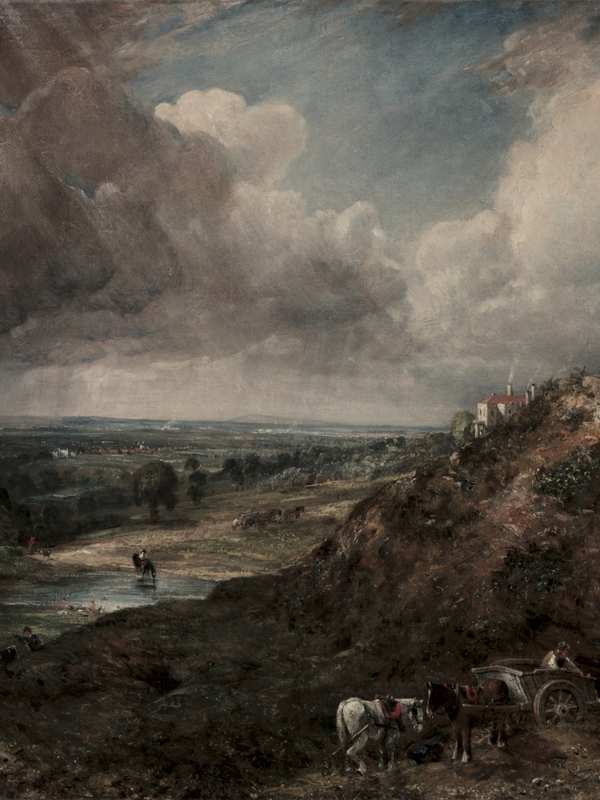
John Constable, “Branch Hill Pond, Hampstead” (1828). The Cleveland Museum of Art, CC0.
Cite this book
Copy a citation in the style you need.
- MLA
- Wesley, John. Sermons on Several Occasions. 1746. Ochorus, https://ochorus.com/books/sermons-on-several-occasions/.
- Chicago
- Wesley, John. Sermons on Several Occasions. 1746. Reprint, Ochorus. https://ochorus.com/books/sermons-on-several-occasions/.
- Chicago footnote
- John Wesley, Sermons on Several Occasions (1746; repr., Ochorus), https://ochorus.com/books/sermons-on-several-occasions/.
- BibTeX
- @book{wesley1746sermons, author = {Wesley, John}, title = {{Sermons on Several Occasions}}, year = {1746}, publisher = {Ochorus}, url = {https://ochorus.com/books/sermons-on-several-occasions/} }