Book
A Call to the Unconverted
To Turn and Live
Other titles: A Call to the Unconverted to Turn and Live
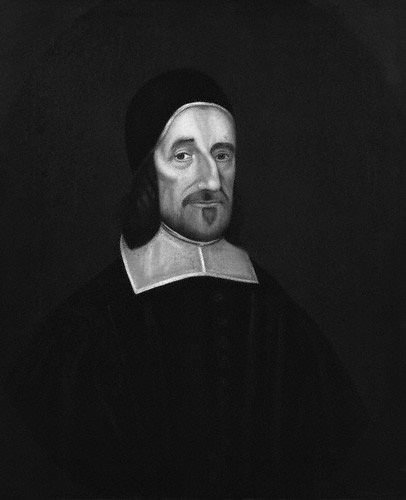
Richard Baxter · 1615–1691
- 6 chapters
- 4 hr 15 min read
- Moderate Reading difficulty
Free to read·No account needed
A Short Account of the Author and the Great Success Which Attended the Call When First Published
Taking books where there’s no signal? See Ochorus for missionaries or chaplains
Reader’s guide
About this book
Richard Baxter's plea to anyone who has not yet turned to Christ, built on God's oath in Ezekiel 33:11 — “why will ye die?” It reasons, answers objections and refuses to let a reader stay undecided. Written by a pastor who expected to give an account for every soul in his parish, it became one of the most widely circulated evangelistic books in English.
Ezek. xxxiii. 11. Say to them, As I live, saith the Lord God, I have no pleasure in the death of the wicked, but that the wicked turn from his way and live. Turn ye, turn ye, from your evil ways, for, why will ye die, O house of Israel?
Contents
Questions and Answers
What is A Call to the Unconverted about?
It is Richard Baxter's earnest plea to anyone who has not yet turned to Christ. Built on God's oath in Ezekiel 33:11 — 'As I live, saith the Lord God, I have no pleasure in the death of the wicked… why will ye die?' — it reasons, answers objections, and refuses to let the reader remain undecided, pressing the unconverted to turn and live before it is too late.
Who was Richard Baxter?
Richard Baxter was a seventeenth-century English Puritan pastor, one of the most influential of his age, remembered for his tireless ministry at Kidderminster and for classics like The Reformed Pastor and The Saints' Everlasting Rest. A Call to the Unconverted is his best-known evangelistic work, written to bring sinners to Christ.
What is the text at the heart of the book?
Ezekiel 33:11, in which God swears that he takes no pleasure in the death of the wicked but desires that they turn and live, and pleads, 'why will ye die?' Baxter builds his whole appeal on this divine oath, using it to assure the reader of God's willingness to save and to press the urgent question of why anyone would refuse life and choose death.
Whom is the book addressed to?
The unconverted — those who have not yet truly turned from sin to God, however outwardly religious they may be. Baxter writes directly to such readers, refusing to let them hide behind excuses or delay, and pleading with them personally, as a pastor who longed for their salvation, to turn to Christ while there is still time.
What objections does Baxter answer?
The familiar ones sinners raise to put off conversion: that they will repent later, that they are not so bad, that turning is too hard, that God's demands are unreasonable. Baxter takes them up one by one and answers them plainly, stripping away every excuse and leaving the reader face to face with the choice of life or death set before them.
Why is the tone so urgent?
Because Baxter wrote as a pastor who expected to give an account for souls and believed eternity hung on the reader's response. He could not treat conversion as a matter for leisurely consideration; he pleads, argues, and presses because he loved the people he wrote to and dreaded their ruin. The urgency is that of a physician warning of a mortal danger.
Is this book only for non-Christians?
It is aimed at the unconverted, but Christians have long valued it too — for their own self-examination, and as a model of earnest, loving evangelistic appeal. Baxter's reasoning and pleading show how to press the gospel on others with both clarity and compassion, so the book instructs the believer even as it calls the sinner.
Where should a reader begin?
At the beginning, letting Baxter set out God's oath in Ezekiel and his own earnest plea, then follow him through the reasons and the answers to objections. It is a short, closely argued appeal meant to be read straight through and taken personally, so its power is felt most by the reader who lets it question them directly.
Read in your language
More like this
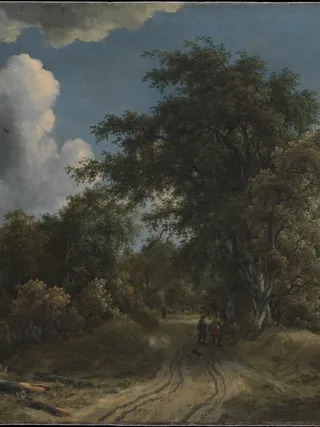
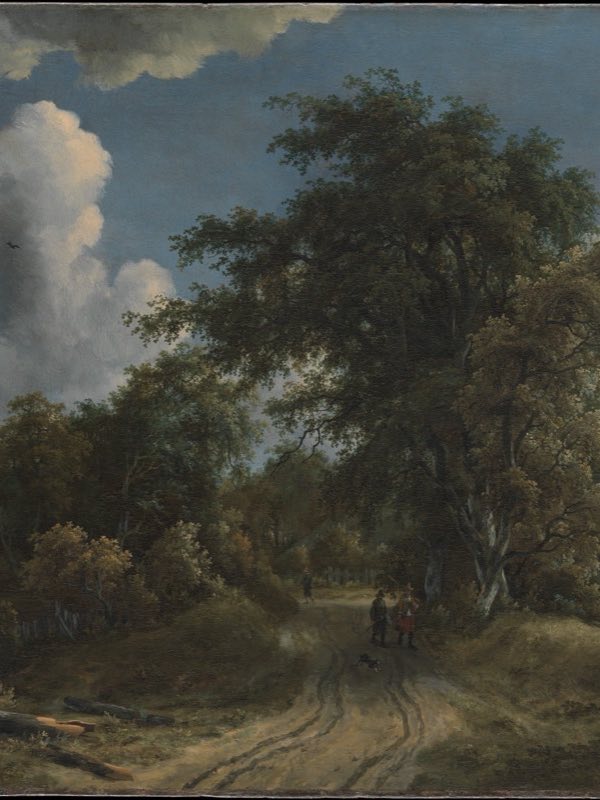
Meyndert Hobbema, “Woodland Road” (ca. 1670). The Metropolitan Museum of Art, Open Access.
Cite this book
Copy a citation in the style you need.
- MLA
- Baxter, Richard. A Call to the Unconverted. 1658. Ochorus, https://ochorus.com/books/a-call-to-the-unconverted/.
- Chicago
- Baxter, Richard. A Call to the Unconverted. 1658. Reprint, Ochorus. https://ochorus.com/books/a-call-to-the-unconverted/.
- Chicago footnote
- Richard Baxter, A Call to the Unconverted (1658; repr., Ochorus), https://ochorus.com/books/a-call-to-the-unconverted/.
- BibTeX
- @book{baxter1658call, author = {Baxter, Richard}, title = {{A Call to the Unconverted}}, year = {1658}, publisher = {Ochorus}, url = {https://ochorus.com/books/a-call-to-the-unconverted/} }