New to Susanna Wesley? Start with
Susanna Wesley
All works · 5 hr 53 min read
Biography
- 1669 Born
- 1688 Married
- 1701 The dispute
- 1709 Rectory fire
- 1732 Letter to John
- 1742 Died
In order to form the minds of children, the first thing to be done is to conquer their will and bring them to an obedient temper. To inform the understanding is a work of time, and must with children proceed by slow d…
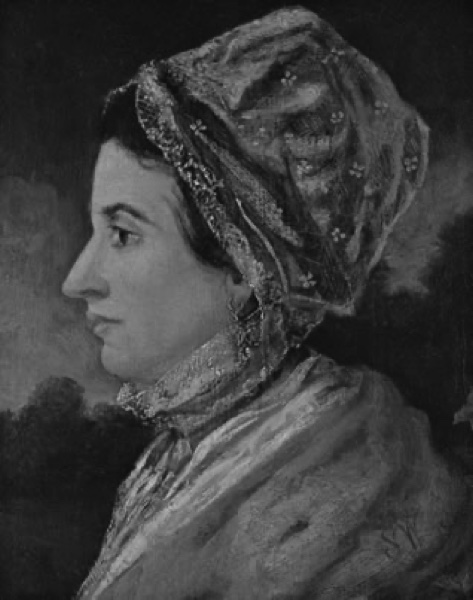
Susanna Wesley never preached a sermon, never published a book, and never founded a church. She spent her life within the walls of a country rectory in the flat Lincolnshire fenland, bearing children and burying them, teaching them their letters and their prayers, keeping a household together through poverty, fire, and estrangement. Yet from that ordinary kitchen came two of the most consequential lives in Christian history, and a whole movement learned to call her its mother. Hers is a story of grace hidden in the daily round, of a faith that met real sorrow without flinching, and of prayer so woven into the hours that it became the very architecture of a home.
A Dissenter's daughter
She was born Susanna Annesley in London on 20 January 1669, the youngest of some twenty-five children of Dr. Samuel Annesley, a leading Dissenting minister. She grew up in a home of learning and rigorous conviction. Her father's house was a gathering place for ministers, scholars, and Christian thinkers, and the serious theological conversation that filled its rooms became the air the youngest Annesley breathed. Though girls of seventeenth-century England rarely received any formal academic education, Susanna had the run of her father's books, and her education, largely self-directed, was extensive: theology, philosophy, and above all the deep and careful study of Scripture. By the age of thirteen she had, remarkably, thought her way through the controversies of her day and chosen for herself the Church of England over her father's Nonconformity. That early habit of examined, independent belief never left her. In 1688, at nineteen, she married Samuel Wesley, an ambitious and difficult clergyman, and in time settled with him at the rectory of Epworth, where she would spend the rest of her days.
Theirs was not an easy marriage, and Susanna never pretended otherwise. Money was always short; Samuel was imprisoned for debt; his temper and hers could clash. In 1701 the two fell into a bitter dispute when Susanna, out of conscience, refused to say “Amen” to her husband's prayer for King William, whom she did not regard as England's rightful king. Samuel vowed not to live with her until she relented, and for some months he left the household altogether. It was a painful, public rupture, and it reveals a woman who would not surrender her conscience even to the husband she was bound to honour. The estrangement ended, and the son born after their reconciliation was John; but Susanna carried her convictions unbowed to the end of her life.
A house of many children, and many graves
Of the nineteen children she bore, nine died in infancy, including two sets of twins, and one was accidentally smothered by a weary nursemaid. Ten lived to adulthood. It is impossible to read her life without reckoning with that weight of buried children, and Susanna did not hide it behind piety. She grieved, and she went on, and she poured herself into the ones who remained. She resolved to educate every child herself, convinced that education must shape both the mind and the character, and she did so with a discipline that became legendary. School began on a child's fifth birthday; the alphabet was learned in a day; each morning and evening opened and closed with the reading of psalms and Scripture. She held that the first task of a Christian parent was to teach a child obedience, and she wrote of it plainly.
In order to form the minds of children, the first thing to be done is to conquer their will and bring them to an obedient temper. To inform the understanding is a work of time, and must with children proceed by slow degrees; but the subjecting the will is a thing that must be done at once, and the sooner the better.
— Susanna Wesley, letter to John Wesley, 1732
To modern ears this can sound severe, and it was strict; but her aim was never mere control. She wanted each child free from the tyranny of self-will so that reason and religion could take root. And she matched severity with astonishing tenderness of attention. In the great household she set aside a fixed evening every week to be alone with each child in turn, to talk with them about their souls one at a time. Years later, when her grown son John asked her to write down her method, she did, and the letter she sent him in 1732 became one of the most treasured documents of Christian parenting. Behind the method lay a conviction about what a child truly was.
I cannot but look upon every soul you leave under my care as a talent committed to me under trust by the great Lord.
— Susanna Wesley
A brand plucked from the burning
That sense of sacred trust was fired white-hot by the event that came to define her family's story. In February 1709 the Epworth rectory caught fire in the night. The household fled into the darkness, and only when they had gathered outside did they realise that one child, five-year-old John, was still trapped at an upper window. Neighbours formed a human ladder and pulled him out moments before the roof fell in. Susanna received her son back as one raised from the dead, and she never forgot it. John himself would speak of being “a brand plucked from the burning” for the rest of his life. In her private papers his mother wrote a resolution about the boy she had almost lost.
I do intend to be more particularly careful of the soul of this child, that Thou hast so mercifully provided for, than ever I have been, that I may do my endeavour to instil into his mind the principles of Thy true religion and virtue. Lord, give me grace to do it sincerely and prudently, and bless my attempts with good success.
— Susanna Wesley, private meditation
Under the apron
Prayer was not, for Susanna Wesley, an occasional refuge; it was the discipline that ordered everything else. Amid the noise and press of a house full of children, she set apart time every day to be alone with God, and she guarded it fiercely. When she could not leave the room, she would simply draw her long apron up over her head, and every child in the house knew that when Mother was under her apron she was with God and must not be disturbed except in the direst need. Beneath that homespun tent she read her Bible, examined her conscience, and interceded for her household by name.
The answer to those prayers came in ways she could see. The child snatched from the flames grew up to be John Wesley, and after him Charles, and between them they carried a gospel of the new birth across Britain and the American colonies, kindling the great evangelical revival and founding the Methodist movement that today numbers in the tens of millions. Susanna's fingerprints are everywhere upon it: in its “method,” born of her ordered rectory; in its love of hymn and psalm; in its insistence that religion is a matter of the heart made new.
A preacher in the kitchen
There is one more scene from Epworth that belongs to this story. During a long absence of her husband, Susanna began holding Sunday evening devotions in the rectory kitchen for her own children, reading a sermon and singing a psalm. Servants asked to come, then neighbours, until the little gathering swelled to two hundred souls, more than filled the parish church. When word reached Samuel and he objected that it was unseemly for a woman, she answered that she could not in conscience abandon so plain a good, and that if he truly wished it stopped he must command her expressly and answer for it before God. He did not. In an age that gave women no pulpit, Susanna Wesley had, without ever intending it, become a preacher of sorts to her village.
Letters to her sons
Susanna's schoolroom never really closed. When her sons left Epworth for university and then for ministries of their own, her teaching simply followed them by post, in long, closely reasoned letters on prayer, obedience, moral discipline, and the nature of true Christian devotion. She published nothing in her lifetime, yet these letters, together with her private meditations, have become treasured by generations of Christians in their own right, and they show a theological mind of real depth at work at the kitchen table. The most famous sentence she ever wrote was her counsel to John on how to recognise sin where Scripture names no rule, a definition he would carry with him all his life.
Whatever weakens your reason, impairs the tenderness of your conscience, obscures your sense of God… that thing is sin to you.
— Susanna Wesley, letter to John Wesley
It is Susanna in miniature: not a list of prohibitions, but a summons to honest self-examination before God. The great themes of her teaching run through all her correspondence, that discipline is essential to spiritual growth, that every believer must answer personally to God for the state of his own soul, and that parents bear a sacred duty for the faith of their children. The movement her sons built, with its class meetings, its self-examination, and its ordered devotion, bears the marks of all three convictions.
Sing a psalm of praise
Her last years were quieter and, at the end, marked by a peace she had long sought. Samuel died in 1735, and the widowed Susanna eventually left Epworth for London, where she spent her final years near her children and watched, with quiet gladness, the first stirrings of the Methodist revival her sons were leading. She died on 23 July 1742, aged seventy-three, with several of her grown children gathered at her bedside. Before her speech failed she gave them a final charge that gathered up her whole life into a single sentence.
Children, as soon as I am released, sing a psalm of praise to God.
— Susanna Wesley, her last words
And when she was gone they did. John Wesley, who preached at her burial in Bunhill Fields to what he called one of the most solemn assemblies he had ever seen, recorded the moment in his Journal: “without any struggle, or sign, or groan, the soul was set at liberty.” She was laid to rest among the Dissenters and the saints of that famous burying ground, a fitting home for a Dissenter's daughter who had crossed into the Church and given it two of its brightest lights.
Susanna Wesley left no grand monument of her own making. She left something rarer: a household so ordered by love and prayer that God built a revival out of it. She reminds every ordinary believer, and especially every weary parent, that the kingdom of God most often comes not through platforms and crowds but through faithfulness in small rooms, through a mother under her apron lifting her children by name before the throne of grace. Her sons changed the world; but she taught them to pray, and she taught them to sing, and that was enough.
Books by Susanna Wesley (1)
Also appears in
Questions and Answers
Who was Susanna Wesley, and why is she called the Mother of Methodism?
Susanna Wesley (1669–1742) never preached from a pulpit, founded no church, and published nothing in her lifetime, yet she raised two of the most consequential figures in Christian history, John and Charles Wesley. From her ordered rectory kitchen in Lincolnshire came the habits of prayer, method, and self-examination that would mark the Methodist movement. She is remembered less for anything she built than for the household she shaped, out of which a worldwide revival grew.
What kind of home did she grow up in, and how did she come to the Church of England?
She was born Susanna Annesley in London in 1669, the youngest child of Dr. Samuel Annesley, a leading Dissenting minister whose house was a gathering place for scholars and ministers. Though girls of her day rarely received formal schooling, she had the run of her father's books and taught herself theology, philosophy, and Scripture. Remarkably, before she was thirteen she had thought her way through the religious controversies of the age and chosen the Church of England over her father's Nonconformity, a habit of examined, independent belief that never left her.
What was her marriage to Samuel Wesley like?
In 1688 she married Samuel Wesley, an ambitious and difficult clergyman, and settled with him at the rectory of Epworth, where she spent the rest of her life. It was not an easy marriage: money was always short, Samuel was once imprisoned for debt, and in 1701 the two fell into a bitter dispute when Susanna, out of conscience, refused to say 'Amen' to his prayer for King William, whom she did not regard as England's rightful king. Samuel left the household for a time over it, but they reconciled, and their son John was born afterward. She would not surrender her conscience even to the husband she was bound to honour.
How many children did she have, and how many did she lose?
Susanna bore nineteen children over her years at Epworth, of whom nine died in infancy, including two sets of twins, and one was accidentally smothered by an exhausted nursemaid. Ten lived to adulthood, among them John and Charles Wesley. She did not hide that weight of buried children behind piety; she grieved openly and poured herself into the ones who remained.
What happened in the Epworth rectory fire of 1709?
One night in February 1709 the rectory caught fire, and the household fled into the darkness before realizing that five-year-old John was still trapped at an upper window. Neighbours formed a human ladder and pulled him out moments before the roof collapsed. Susanna received the boy back as one raised from the dead, and John spoke of himself as 'a brand plucked from the burning' for the rest of his life. In her private papers she resolved to be 'more particularly careful of the soul of this child' whom God had so mercifully spared.
How did she educate her children, and how did her method shape Methodism?
Susanna resolved to teach every child herself with a discipline that became legendary: school began on a child's fifth birthday, the alphabet was learned in a day, and each day opened and closed with the reading of psalms and Scripture. She held that a Christian parent's first task was to conquer a child's self-will so that reason and religion could take root, writing that 'the subjecting the will is a thing that must be done at once.' When John later asked her to write down her method, the 1732 letter she sent became a treasured document of Christian parenting, and the class meetings, ordered devotion, and 'method' of the movement her sons built bear its clear marks.
Did she really give each child her personal attention despite so large a household?
She did. In the press of a house full of children, she set apart a fixed evening every week to be alone with each child in turn, to talk with them one at a time about the state of their souls. Behind this lay her conviction that she must 'look upon every soul you leave under my care as a talent committed to me under trust by the great Lord.' She matched her strictness with an astonishing tenderness of individual attention.
Is it true she led kitchen services that outdrew the parish curate?
Yes. During a long absence of her husband, Susanna began holding Sunday evening devotions in the rectory kitchen for her own children, reading a sermon and singing a psalm; servants asked to join, then neighbours, until the gathering swelled to some two hundred, more than filled the parish church. When Samuel objected that it was unseemly for a woman, she answered that she could not in conscience abandon so plain a good, and that if he truly wished it stopped he must command her expressly and answer for it before God. He did not, and in an age that gave women no pulpit she had, without ever intending it, become a preacher of sorts to her village.
What was her life of prayer like?
Prayer was not an occasional refuge for Susanna but the discipline that ordered everything else, and by her own account she set apart roughly two hours of every day for private devotion. Unable to find a quiet room in so crowded a house, she would draw her long apron up over her head, and every child knew that when Mother was under her apron she was with God and must not be disturbed except in the direst need. Beneath that homespun tent she read her Bible, examined her conscience, and interceded for her household by name.
How did Susanna Wesley die, and what were her last words?
Widowed after Samuel's death in 1735, she left Epworth for London and spent her final years near her children, watching the first stirrings of the revival her sons were leading. She died on 23 July 1742, aged seventy-three, with several of her grown children gathered at her bedside. Before her speech failed she gave them a final charge that gathered up her whole life: 'Children, as soon as I am released, sing a psalm of praise to God.' John, who preached at her burial in Bunhill Fields, recorded that 'without any struggle, or sign, or groan, the soul was set at liberty.'