Biography
- 1766 Born
- 1791 Anglesey
- 1838 Died
Having begun in the name of Jesus, I soon felt as it were the fetters loosening, and the old hardness of heart softening, and, as I thought, mountains of frost and snow dissolving and melting within me.
Christmas Evans was born on Christmas Day, the 25th of December, 1766, in a low thatched cottage at Esgair-wen, near Llandysul in Cardiganshire, Wales. The day gave him his name. It gave him almost nothing else. His parents, Samuel and Joanna Evans, were poor — his father a shoemaker — and when Christmas was nine years old his father died, and the boy was passed to the keeping of an uncle who worked him hard and taught him nothing. He grew up a farm servant, moved from place to place, exposed to rough company and rougher habits, and at seventeen he still could not read a single word, in Welsh or in English. Few lives that God would one day fill to overflowing began so empty.
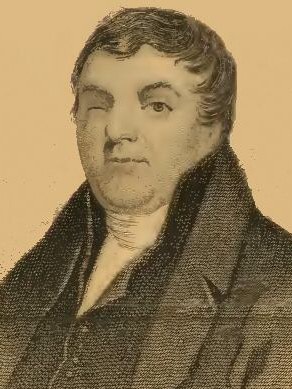
The filling began in a revival. Somewhere about his seventeenth year the young laborer was drawn into the congregation of David Davies, a Presbyterian minister at Llwynrhydowen, and there, under plain and searching preaching, he was converted. Hungry now to read the Book that had wakened him, he learned his letters as a grown youth, borrowing what light and what pages he could, and made such astonishing progress that within a year or two he was reading Welsh and English and reaching after more. A single eye did all this labor. For while he was still young, a band of youths who bore him a grudge set upon him on the road at night and beat him until he lay senseless; one of them struck him a blow on the left eye that destroyed its sight for the rest of his life. Wales would come to know him as "the one-eyed preacher," and the scarred, half-blind face became one of the most loved in the land.
He never stopped teaching himself, and the wonder of it grew with the years. Books were scarce and dear, and Evans gathered his learning piecemeal, late, and against every disadvantage, yet he pressed at last into the original languages of Scripture. "I was about forty years old," he wrote, "when I learned to read the Hebrew Bible and the Greek Testament, and use Parkhurst's Lexicons in both languages." What he took in he gave out again in the one tongue his hearers loved; the pulpit, never the study, was where all his learning caught fire.
He could not keep the gospel to himself. Coming to Baptist convictions, he was baptized and began to preach, and after early labors in the wild peninsula of Lleyn he crossed, in 1791, to the island of Anglesey. There he settled for more than thirty years as the overseer of its scattered Baptist churches — a bishop in all but stipend, for the pay was a pittance and the roads were long, and he walked or rode them in every weather to preach. It was here that his extraordinary gift came to its height. He preached in the open air to thousands, in the surging, singing cadence the Welsh call the hwyl, and he preached in pictures: whole sermons built as one unfolding scene. His most famous, The Fall and Recovery of Man, tells the entire gospel as a single drama of ruin and rescue, and it earned him a title he has never lost — the Bunyan of Wales.
The secret of it, all who heard him agreed, was an imagination of rare power harnessed wholly to the truth. He did not decorate his sermons with images; he thought in them, until doctrine became landscape and the hearer found himself standing inside the scene. Under such preaching whole congregations were, in the words of his own journals, melted down in tenderness — weeping and crying out together, so that one might suppose the entire assembly, male and female, was dissolved by the gospel, as the word of God became to them "a sharp two-edged sword."
But the gift did not exempt him from the winter of the soul. In the early years of the new century a bitter controversy — the cold, hair-splitting spirit its opponents called Sandemanianism — crept into the Welsh churches and into Evans himself. His congregations were divided and thinned; worse, his own heart went dead. He described the season in a single unforgettable phrase: he was "as dry as Gilboa," barren in the pulpit, in the study, and in secret prayer. For a man whose whole power lay in a burning heart, it was a kind of death.
The thaw came on a lonely mountain road, and it came through prayer. Riding from Dolgelley toward Machynlleth and climbing up toward the great peak of Cadair Idris, Evans judged that he ought to pray, however hard and worldly he felt — and he began, in the name of Jesus, without waiting to feel better first.
What happened on that ascent he never forgot, and it is his own account, from his journal, that gives the scene its power: the fetters loosening, the hardness softening, the very mountains of frost and snow melting within him.
Having begun in the name of Jesus, I soon felt as it were the fetters loosening, and the old hardness of heart softening, and, as I thought, mountains of frost and snow dissolving and melting within me.
— Christmas Evans
He came down from Cadair Idris a thawed man, and there and then he bound himself to God in a solemn written covenant — thirteen articles, each signed with his initials, giving himself, soul and body, to Christ and pleading for his churches. The first of them set the tone of all the rest.
I give my soul and body unto thee, Jesus, the true God, and everlasting life — deliver me from sin, and from eternal death, and bring me into life everlasting.
— Christmas Evans, from his covenant with God
The later road was not smooth. His wife Catherine, who had shared the poverty and the endless journeys, died in 1823; he married again in his later years. Troubles and misunderstandings at last drew him away from Anglesey, and the aging preacher — who might have been left to rest — took up new charges instead: at Caerphilly, then at Cardiff, and finally at Caernarvon, still preaching, still traveling, still renewing his covenant with God upon his knees. He had entered the ministry with nothing, and he left it with little; but the churches he had watered were many, and the Welsh nation had taken his sermons into its very memory.
Through it all he remained a poor man, and a humble one. His salary on Anglesey was seventeen pounds a year, and for twenty years he never asked for more, having learned with the apostle that "having food and raiment" a servant of Christ may therewith be content. Yet the little he had he gave away — the sight of want, it was said, always opened his purse — and those who had wronged him found him quick to forgive. Cheerful, self-forgetful, and tender toward every kind of distress, he wore his greatness so lightly that a stranger meeting the shabby, one-eyed traveler on a mountain road would never have guessed he had passed the most powerful preacher in Wales.
In the summer of 1838 he was on a preaching tour in South Wales, an old man of seventy-one, when his last illness overtook him at Swansea. Death held no terror for the one-eyed preacher who had so long proclaimed a risen Christ. At the end he repeated a Welsh verse of trust in his Redeemer, and then, as though the journey were merely changing horses, spoke his last words in English.
Good-bye! Drive on!
— Christmas Evans, his last words, 19 July 1838
With that he turned over as if to sleep, and was gone. He was buried at Swansea. He had come into the world with a pauper's portion and no letters at all, and he went out of it as the greatest preacher Wales had produced — a man whose one eye had seen, and had made a whole people see, the glory of the crucified and risen Lord. Long after his death the Welsh still spoke of his sermons as of scenes they had witnessed rather than words they had heard, and they gathered and translated them so that readers who never knew the hwyl might feel a little of its heat. Those printed sermons remain, and in them the mountain-road fire still burns.
Sermons by Christmas Evans (6)
Questions and Answers
Who was Christmas Evans?
Christmas Evans (1766–1838) was the greatest of the Welsh preachers — a poor, self-taught farm laborer, blinded in one eye by an assault in his youth, who became known as the "Bunyan of Wales." For more than thirty years he oversaw the scattered Baptist churches of Anglesey on a stipend of seventeen pounds a year, preaching to thousands in vivid, dramatic open-air sermons. His ministry was revived after a famous covenant with God below Cadair Idris.
What was his childhood like?
He was born on Christmas Day 1766 in a low thatched cottage near Llandysul in Cardiganshire — the day gave him his name and almost nothing else. His father, a shoemaker, died when Christmas was nine, and the boy was passed to an uncle who worked him hard and taught him nothing. He grew up a farm servant, moved from place to place among rough company, and at seventeen still could not read a single word in Welsh or English. Few lives that God would one day fill to overflowing began so empty.
How was he converted, and how did he learn to read?
About his seventeenth year he was drawn into the congregation of David Davies, a Presbyterian minister at Llwynrhydowen, and under plain, searching preaching he was converted. Hungry now to read the Book that had wakened him, he learned his letters as a grown youth, borrowing what light and pages he could, and made such astonishing progress that within a year or two he was reading Welsh and English — and by about forty he had taught himself to read the Hebrew Bible and the Greek Testament.
How did he lose the sight of his eye?
While he was still young, a band of youths who bore him a grudge set upon him on the road at night and beat him senseless; one struck a blow on his left eye that destroyed its sight for the rest of his life. Wales would come to know him as "the one-eyed preacher," and the scarred, half-blind face became one of the most loved in the land.
What was his preaching like?
Coming to Baptist convictions, he crossed in 1791 to the island of Anglesey and settled for more than thirty years as overseer of its scattered Baptist churches, walking or riding the long roads in every weather. He preached in the open air to thousands, in the surging cadence the Welsh call the hwyl, and he preached in pictures — whole sermons built as one unfolding scene. His most famous, "The Fall and Recovery of Man," tells the whole gospel as a single drama, and earned him the title the Bunyan of Wales.
What was the secret of his power?
All who heard him agreed it was an imagination of rare power harnessed wholly to the truth. He did not decorate his sermons with images; he thought in them, until doctrine became landscape and the hearer found himself standing inside the scene. Under such preaching whole congregations were, in his own words, "melted down in tenderness" — weeping and crying out together, as the word of God became to them a sharp two-edged sword.
What was his season of spiritual deadness?
In the early years of the new century a cold, hair-splitting spirit its opponents called Sandemanianism crept into the Welsh churches and into Evans himself. His congregations were divided and thinned, and worse, his own heart went dead; he described himself as "as dry as Gilboa," barren in the pulpit, the study, and secret prayer. For a man whose whole power lay in a burning heart, it was a kind of death.
What happened on the road to Cadair Idris?
The thaw came on a lonely mountain road, and through prayer. Climbing toward the great peak of Cadair Idris with a cold and reluctant heart, Evans resolved to pray anyway, "however hard I felt my heart," and spent hours in secret wrestling with God, naming his churches one by one, until the numbness broke: "I soon felt as it were the fetters loosening, and the old hardness of heart softening, and... mountains of frost and snow dissolving and melting within me."
What was his covenant with God?
He came down from Cadair Idris a thawed man and there bound himself to God in a solemn written covenant — thirteen articles, each signed with his initials, giving himself, soul and body, to Christ and pleading for his churches. The first set the tone: "I give my soul and body unto thee, Jesus... deliver me from sin, and from eternal death, and bring me into life everlasting." The prayer on the mountain was answered as "a remarkable refreshing from the presence of the Lord"; within two years his ten preaching stations on Anglesey had grown to twenty.
How did he live and die?
He remained a poor man and a humble one: his salary on Anglesey was seventeen pounds a year, and for twenty years he never asked for more, giving away even the little he had. Cheerful, self-forgetful and quick to forgive, he wore his greatness so lightly a stranger would never have guessed it. In the summer of 1838, an old man of seventy-one on a preaching tour, his last illness overtook him at Swansea; he repeated a Welsh verse of trust, then spoke his last words in English — "Good-bye! Drive on!" — and was gone.