Biographies

Puritans & Reformers 1480–1699

The lives behind the books — preachers, missionaries, and writers whose words still speak.

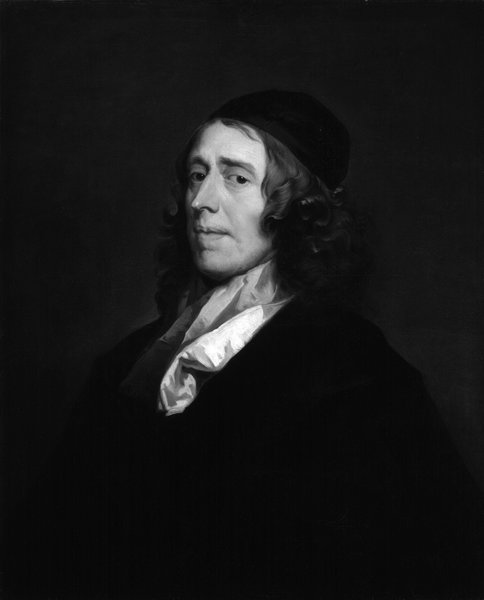
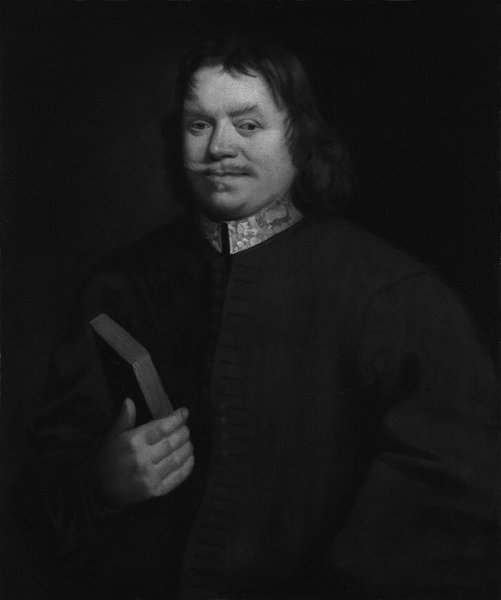
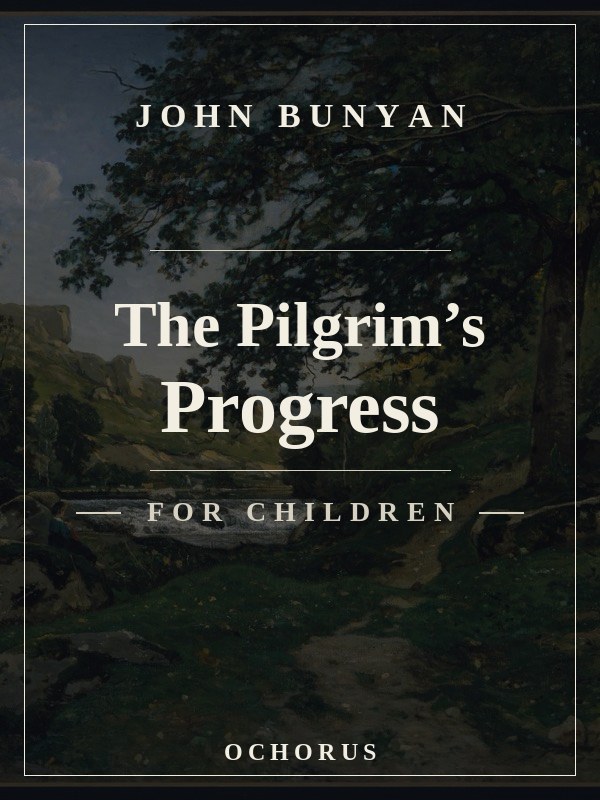
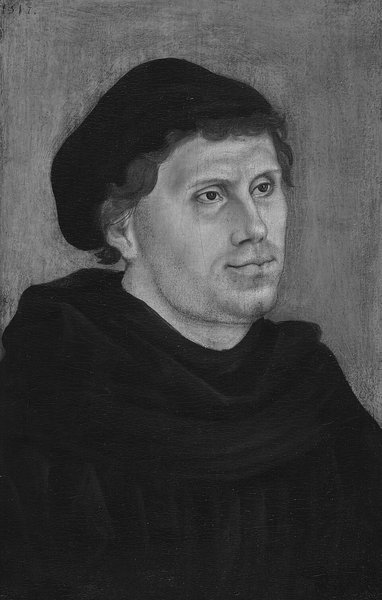
English writer and Puritan preacher, a Bedford tinker by trade who was imprisoned for more than a decade for preaching without a licence. During that confinement he wrote The Pilgrim's Progress, one of the most published allegories in the English language.

Read full biography →
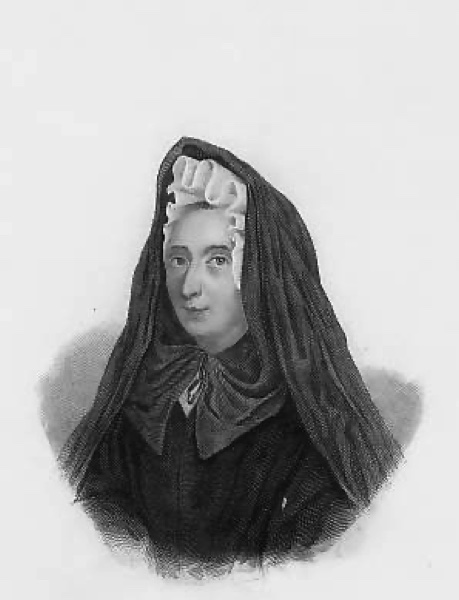
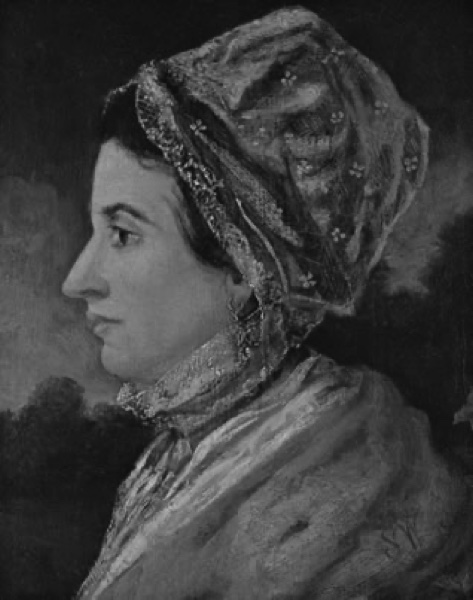
Portrait of Jeanne Guyon

Jeanne Guyon 1648–1717 Full life

View biography →

Jeanne Guyon, born in 1648 in Montargis, France, became a leading voice of Christian mysticism. Drawn early to deep prayer, she dedicated her life to interior surrender and spiritual renewal. Her teachings stirred both devotion and controversy, eventually leading to imprisonment. She died in 1717, but her writings still influence Christian spirituality today. Her autobiography remains a classic of spiritual literature. Guyon's emphasis on pure love and abandonment to God challenged formal religion.

Susanna Wesley, born in 1669 in London, England, was the mother of John and Charles Wesley, founders of Methodism. A devout Anglican and mother of nineteen children (ten survived to adulthood), she provided rigorous religious education to her children, establishing daily routines of prayer and Scripture study. Despite financial hardships and her husband's absences, she maintained a strong spiritual household. Susanna's theological letters and writings influenced her sons' ministry and the development of Methodist doctrine.

Read full biography →
WL

William Law 1686–1761 Full life

View biography →

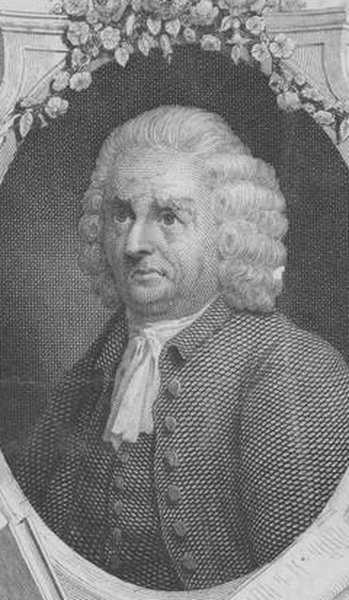
William Law (1686–1761) was an English priest whose refusal to swear allegiance to George I cost him his Cambridge fellowship and any career in the established church. Barred from preferment, he wrote instead — and A Serious Call to a Devout and Holy Life (1729) became one of the most influential devotional books in English, shaping John Wesley, George Whitefield, and Samuel Johnson. His later turn to the mysticism of Jacob Boehme divided his admirers and ended his friendship with Wesley. He spent his last twenty years at King's Cliffe in fixed hours of prayer, plain living, and open-handed charity, giving away nearly all he had.