
- 13 chapters
- 32 min read
- Accessible Reading difficulty
Free to read·No account needed
The Genius Who Met Fire
Taking books where there’s no signal? See Ochorus for missionaries or chaplains
Grow with the story
About this book
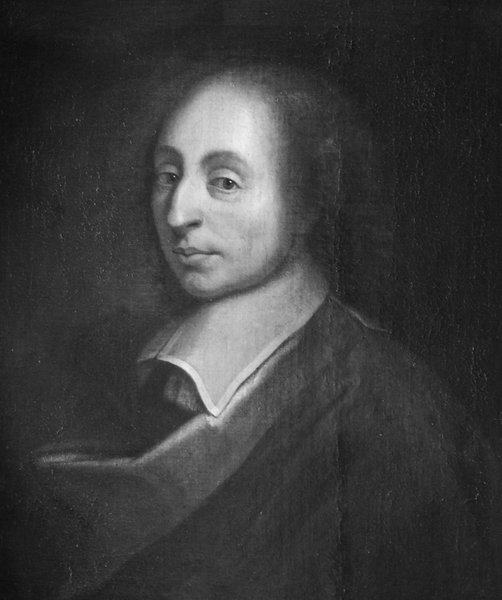
Blaise Pascal invented a calculating machine at nineteen, helped found the mathematics of chance, and then, one night in 1654, met God. He spent his last years writing notes for a book defending the Christian faith, and died before he could finish it. Those notes, the Pensées (“thoughts”), are still read everywhere. This teen edition retells his biggest ideas in plain words: why we can’t sit still, why we are always getting ready to live, the thinking reed, the heart’s reasons, the famous wager, and the God who is found by those who seek him. Pascal’s own sentences are kept where they say it best.
Imagine a boy who teaches himself geometry before anyone gets round to teaching him. Blaise Pascal was born in 1623 in Clermont, in central France. His mother died when he was small, and his father, a clever and careful man, taught him at home in Paris.
Contents
- 1 The Genius Who Met Fire 3 min
- 2 Why We Can’t Sit Still 3 min
- 3 Always Getting Ready to Live 2 min
- 4 Wanting Fans 2 min
- 5 The Thinking Reed 2 min
- 6 Great and Messed Up 3 min
- 7 The Hole Only God Can Fill 2 min
- 8 The Heart Has Its Reasons 2 min
- 9 The Wager 2 min
- 10 Seekers 2 min
- 11 What We Say to Ourselves 2 min
- 12 Knowing God Through Jesus 2 min
- 13 I Thought of You 2 min
Questions and Answers
Who was Blaise Pascal?
A French mathematician, scientist and Christian thinker, born in 1623 in Clermont. As a teenager he wrote on geometry and built a calculating machine; his experiments showed that the air has weight, and his letters with Fermat founded the mathematics of probability. After meeting God on the night of 23 November 1654, he gave his gifts to defending the Christian faith. He died in Paris in 1662, aged thirty-nine.
What does “Pensées” mean?
It is French for “thoughts”. Pascal was gathering notes for a big book defending Christianity, but illness stopped him finishing it. After his death his friends published the notes, some long and some only a line, under that title.
What is Pascal’s wager?
Pascal’s argument that everyone has to bet their life either that God is or that he is not, because not choosing is also a choice. If you bet on God and are right, you gain everything; if you are wrong, you lose very little. Pascal did not think the wager could make anyone believe. He used it to wake people up, and then pointed them to seek God honestly.
What did Pascal mean by “The heart has its reasons, which reason does not know”?
Not that feelings beat facts. Pascal loved reason and used it brilliantly. He meant that we know some of the deepest things, including God, not only by working them out but by a knowing deeper than argument, which he called the heart. Faith uses both.
Pascal says a lot about human misery. Is this book depressing?
No. Pascal is honest about how restless and messed up people are, but only so that we will see how great we are too, and how much we need Jesus. He says knowing our misery without God leads to despair, and knowing God without our misery leads to pride; Jesus shows us both and heals us. If you are feeling low most days, please talk to a trusted adult.
Was Pascal Catholic or Protestant?
He was a Roman Catholic, close to a strict renewal group centred on the convent of Port-Royal near Paris. Christians of every tradition have read and loved the Pensées, and this retelling keeps to the parts all of them share.
Is this the full text?
No. It is a retelling for teenagers in plain modern words, drawn from across the Pensées and keeping Pascal’s own sentences where they say it best. The full Pensées is also available.
Read in your language
More like this

Cite this book
Copy a citation in the style you need.
- MLA
- Pascal, Blaise. Pensées (For Teens). Ochorus, https://ochorus.com/books/pensees-teens/.
- Chicago
- Pascal, Blaise. Pensées (For Teens). Ochorus. https://ochorus.com/books/pensees-teens/.
- Chicago footnote
- Blaise Pascal, Pensées (For Teens) (Ochorus), https://ochorus.com/books/pensees-teens/.
- BibTeX
- @book{pascalpensees, author = {Pascal, Blaise}, title = {{Pensées (For Teens)}}, publisher = {Ochorus}, url = {https://ochorus.com/books/pensees-teens/} }