Biographies

The Middle Ages 600–1479

The lives behind the books — preachers, missionaries, and writers whose words still speak.

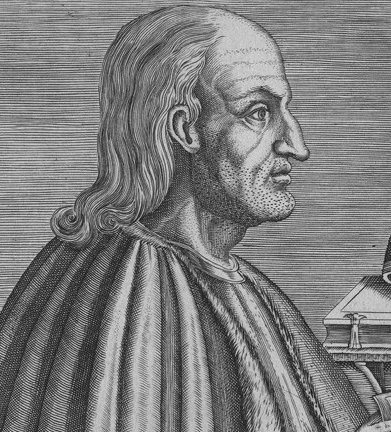
Portrait of Anselm of Canterbury

Anselm of Canterbury 1033–1109

Read full biography

Anselm of Canterbury (1033–1109) was a monk of Bec who became an unwilling archbishop and was exiled twice for refusing to treat the church's offices as the king's property. He is remembered for the argument at the heart of the Proslogion, but that book is a prayer from first line to last, written by a man who said he did not seek to understand in order to believe, but believed in order to understand. His private prayers changed how the medieval West prayed.
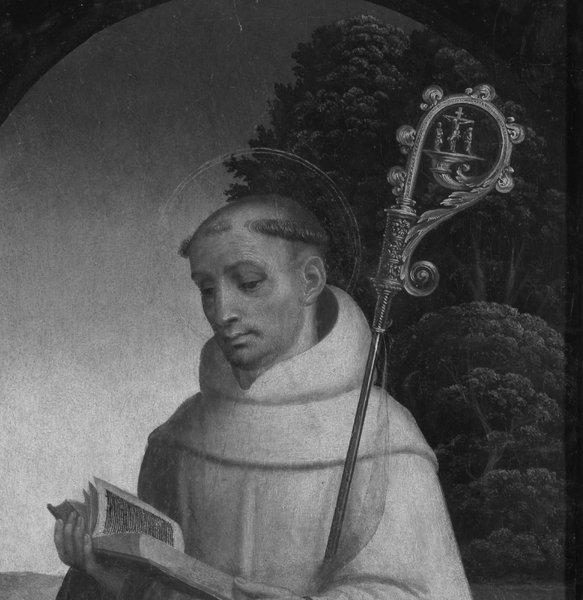
Portrait of Bernard of Clairvaux

Bernard of Clairvaux 1090–1153

1 book in the library

Bernard of Clairvaux (1090–1153) entered a struggling new monastery at twenty-two bringing thirty companions with him, and was an abbot at twenty-five for the remaining thirty-eight years of his life. He made a pope, pursued Abelard to condemnation, preached a crusade that failed catastrophically, and in the same years wrote On Loving God and eighty-six sermons on the Song of Songs. His answer to how much God should be loved was that there is no measure.

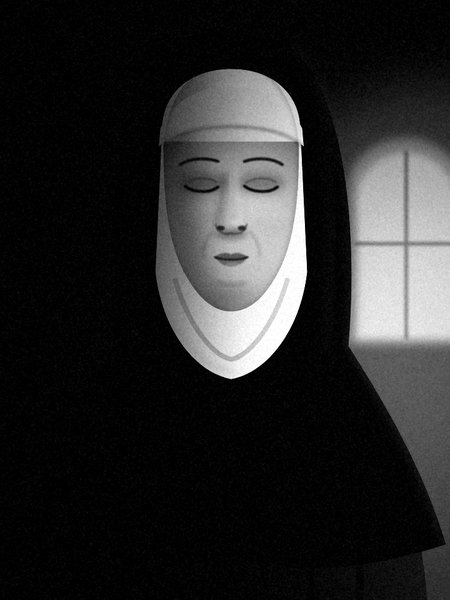
Portrait of Julian of Norwich

Julian of Norwich b. 1343

1 book in the library

Julian of Norwich (1343 – after 1416) was an English anchoress whose Revelations of Divine Love, written after sixteen “shewings” she received in May 1373 when she was thought to be dying, is the first book in English known to have been written by a woman. Enclosed in a cell at St Julian’s church in Norwich, she spent twenty years pondering what she had seen, and came to one answer: love was his meaning, and all shall be well.

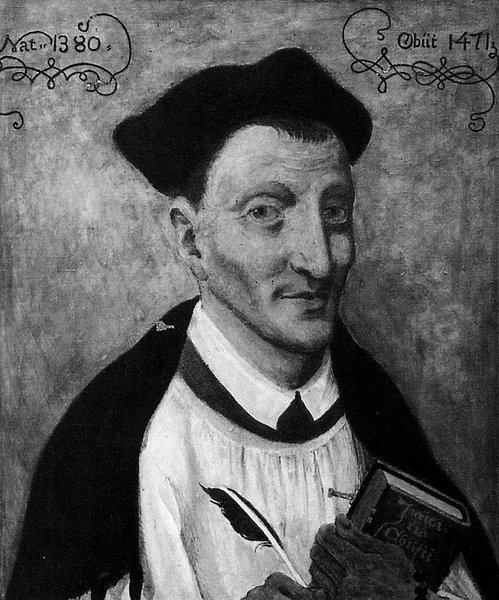
Portrait of Thomas à Kempis

Thomas à Kempis 1380–1471

2 books in the library

Thomas à Kempis (c. 1380–1471) was a German-born Dutch monk who spent roughly seventy years in a single monastery outside Zwolle, copying manuscripts, keeping his community's chronicle, and teaching its novices. Formed at Deventer among the Brethren of the Common Life, he wrote for those young men four small booklets of counsel that became The Imitation of Christ — after the Bible, the most widely read Christian book ever written.