Biographies

Evangelists and revival preachers 1714–2018

7 authors · 11 books

Preachers who called crowds to faith in Christ, in fields, tents, tabernacles and stadiums. Their lives run from the eighteenth-century awakenings to the great crusades of the twentieth century.

The writers

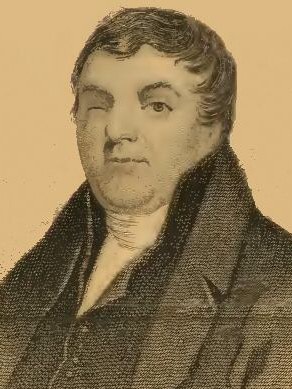
Portrait of Christmas Evans

Christmas Evans 1766–1838

6 sermons

Christmas Evans (1766–1838) was the greatest of the Welsh preachers — a poor, self-taught farm laborer, blinded in one eye by an assault in his youth, who became known as the “Bunyan of Wales.” For more than thirty years he oversaw the scattered Baptist churches of Anglesey on a stipend of £17 a year, preaching to thousands in vivid, dramatic open-air sermons. His ministry was revived after a famous covenant with God below Cadair Idris.

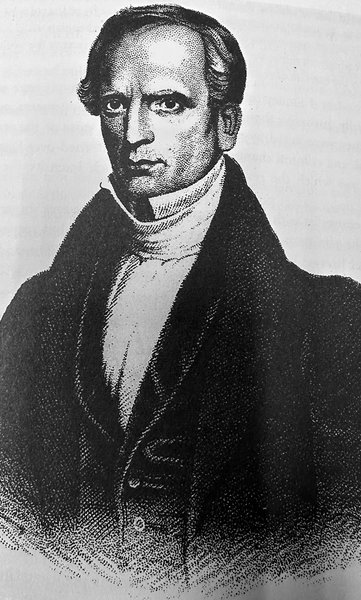
Portrait of Charles G. Finney

Charles G. Finney 1792–1875

2 books in the library · 7 sermons

Charles Grandison Finney (1792–1875) was a lawyer turned evangelist whose preaching helped drive the Second Great Awakening across upstate New York and beyond. Convinced that revival was not a miracle to be waited for but the right use of God-given means, he pioneered the “new measures” of protracted meetings and direct appeal, saw whole towns transformed, and later became president of Oberlin College.

Portrait of Dwight L. Moody

Dwight L. Moody 1837–1899

3 books in the library · 11 sermons

Dwight Lyman Moody, born in 1837 in Northfield, Massachusetts, rose from a fatherless farm boyhood and a Boston shoe store to become the best-known evangelist of the nineteenth century, preaching to as many as a hundred million people across America and Britain. Never ordained and barely schooled, he founded the Northfield schools, the Moody Bible Institute, and a colportage work that put good Christian books within everyone's reach.

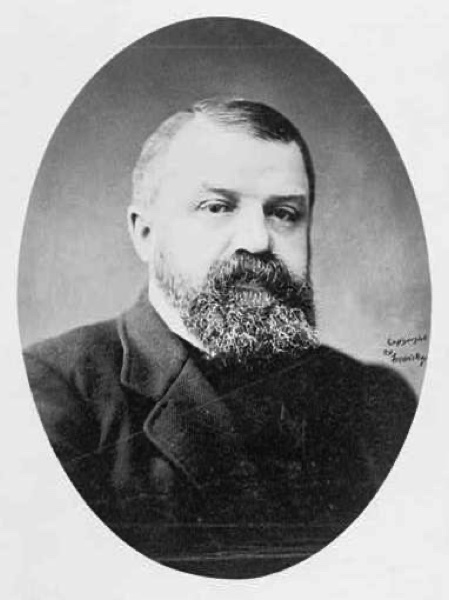
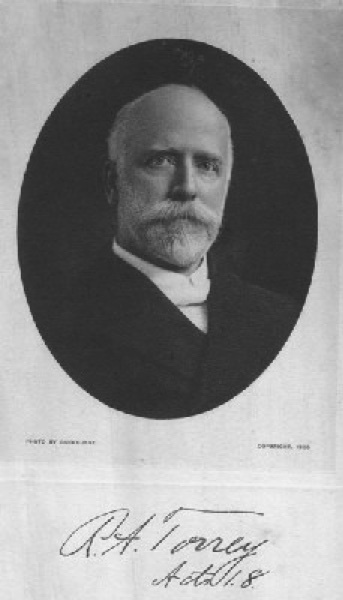
Portrait of R. A. Torrey

R. A. Torrey 1856–1928

5 books in the library · 14 sermons

Reuben Archer Torrey (1856–1928) was an American evangelist, pastor and teacher who came to faith at Yale on a night he had resolved to take his own life. D. L. Moody made him the first superintendent of the Moody Bible Institute and he pastored the Chicago Avenue Church, later serving as first dean of the Bible Institute of Los Angeles. He wrote more than forty books, chiefly on prayer and the Holy Spirit.

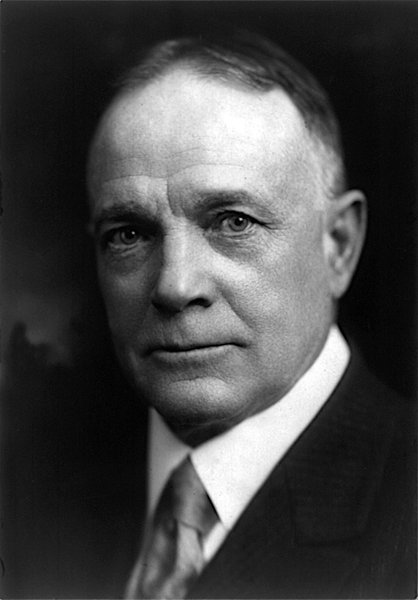
Portrait of Billy Sunday

Billy Sunday 1862–1935

Read full biography

Billy Sunday (1862–1935) was an American baseball player turned evangelist, a Chicago White Stockings outfielder converted outside the Pacific Garden Mission who became the most famous revivalist of the early twentieth century. Preaching in wooden tabernacles to vast crowds, he called hundreds of thousands to “hit the sawdust trail” for Christ and was a leading voice in the campaign for Prohibition.

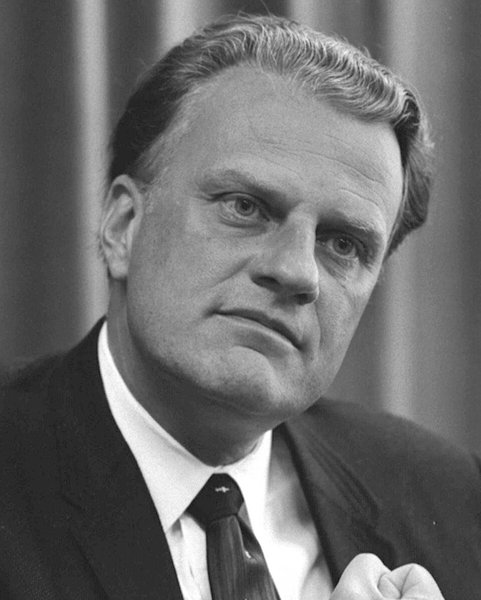
Portrait of Billy Graham

Billy Graham 1918–2018

Read full biography

Billy Graham (1918–2018) was an American evangelist and Southern Baptist minister who, by his organization's count, preached the gospel in person to some 215 million people across more than 185 countries, closing each crusade with the hymn “Just As I Am.” He founded the Billy Graham Evangelistic Association and set the 1948 Modesto integrity safeguards that kept his ministry free of scandal.

Where to start reading

Questions and Answers

What is a revival?

A revival is a season when many people turn to God at once and the church is renewed in prayer and holiness. The Great Awakening in Britain and America and the campaigns of Moody and Finney in the nineteenth century are well-known examples.

Who preached to the largest crowds?

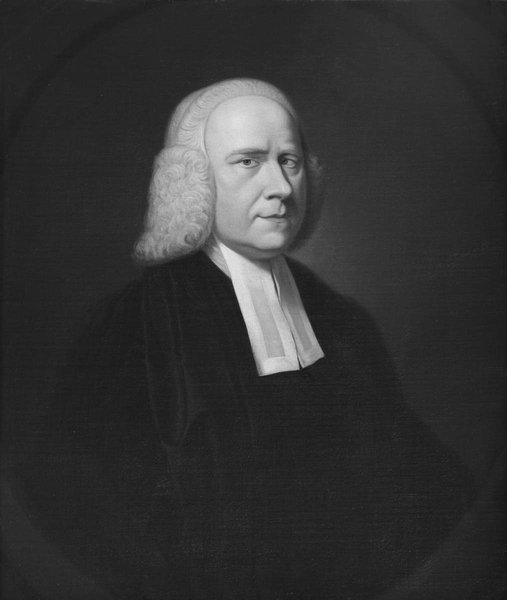
Billy Graham preached in person to more people than any preacher before him, through crusades on every continent. George Whitefield drew some of the largest crowds of the eighteenth century by preaching in the open air.

Why read evangelists today?

Their sermons are short, direct and meant to be understood by anyone. They show the gospel preached plainly, with an urgent call to respond.