Biographies

Christian writers from continental Europe 35–1983

14 authors · 12 books

Popes and monks, Reformers and mystics, a mathematician and a Dutch watchmaker. The writers of continental Europe span nearly two thousand years of the church's history.

The writers

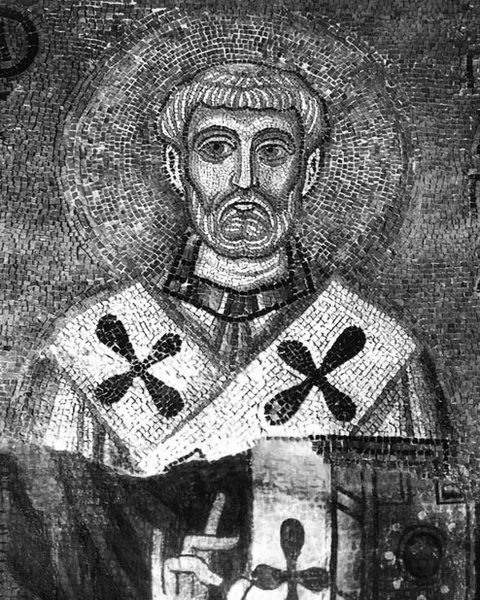
Portrait of Clement of Rome

Clement of Rome 35–99

1 book in the library

Clement of Rome (c. 35 – c. 99) led the church at Rome in the generation after the apostles and wrote the earliest Christian document to survive outside the New Testament. His one surviving letter was sent to Corinth around AD 96, where a faction had deposed the church's elders, and it argues from Scripture for humility, order and love before closing in prayer for the sick, the imprisoned and the emperor. Three generations later it was still being read aloud in Corinthian worship.
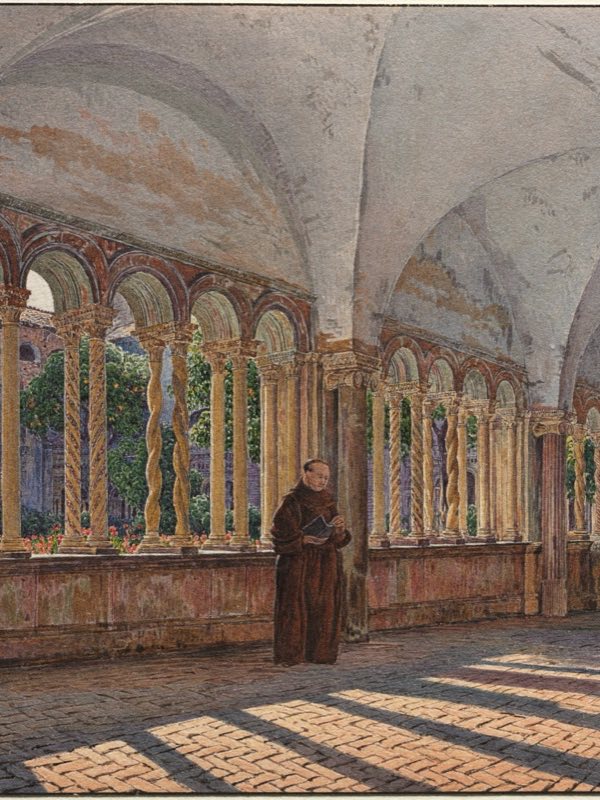
Portrait of John Cassian

John Cassian 360–435

Read full biography

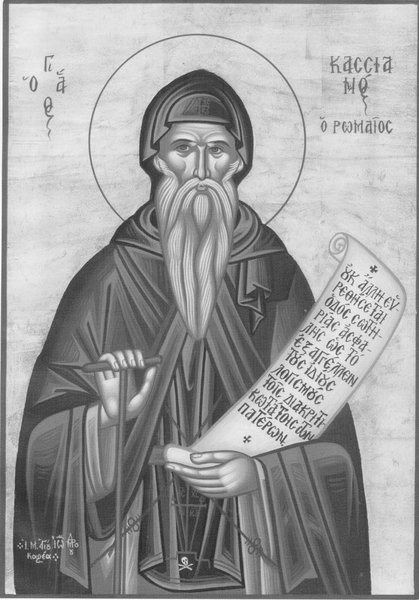
John Cassian (c. 360–435) spent some fifteen years among the desert fathers of Egypt asking them how to pray, and the rest of his life writing down their answers in Latin for monks in southern France. His Institutes and Conferences carried the whole desert tradition into the Western church; Benedict told his monks to read the Conferences aloud every evening. Ordained deacon by John Chrysostom, he later carried the appeal of Chrysostom's supporters to Rome.

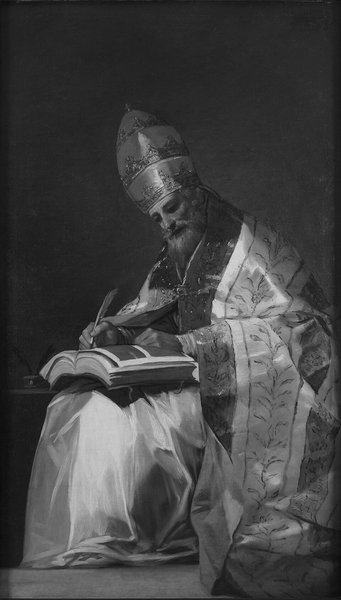
Portrait of Gregory the Great

Gregory the Great 540–604

Read full biography

Gregory the Great (c.540–604) was Prefect of Rome who renounced the city’s highest civil office to become a monk, and the reluctant pope who wrote the West’s most influential manual of pastoral ministry, the Pastoral Rule. He fed Rome through famine and plague, ransomed captives, and sent the mission that converted the English.

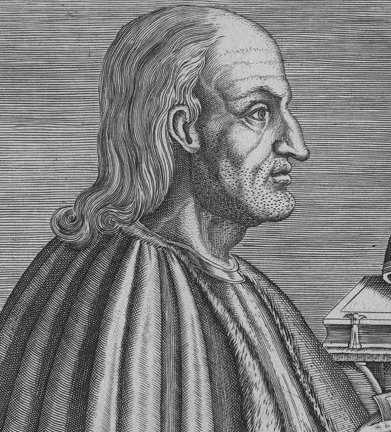
Portrait of Anselm of Canterbury

Anselm of Canterbury 1033–1109

Read full biography

Anselm of Canterbury (1033–1109) was a monk of Bec who became an unwilling archbishop and was exiled twice for refusing to treat the church's offices as the king's property. He is remembered for the argument at the heart of the Proslogion, but that book is a prayer from first line to last, written by a man who said he did not seek to understand in order to believe, but believed in order to understand. His private prayers changed how the medieval West prayed.

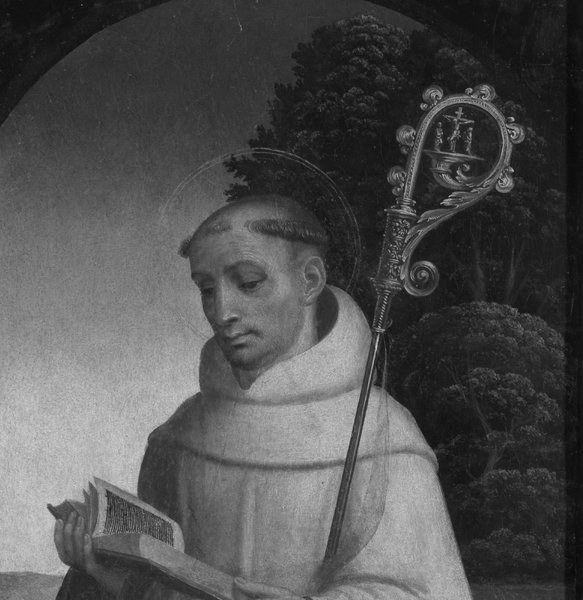
Portrait of Bernard of Clairvaux

Bernard of Clairvaux 1090–1153

1 book in the library

Bernard of Clairvaux (1090–1153) entered a struggling new monastery at twenty-two bringing thirty companions with him, and was an abbot at twenty-five for the remaining thirty-eight years of his life. He made a pope, pursued Abelard to condemnation, preached a crusade that failed catastrophically, and in the same years wrote On Loving God and eighty-six sermons on the Song of Songs. His answer to how much God should be loved was that there is no measure.

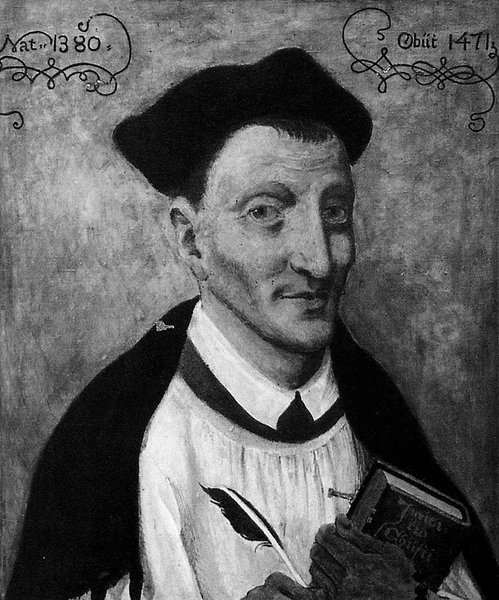
Portrait of Thomas à Kempis

Thomas à Kempis 1380–1471

1 book in the library

Thomas à Kempis (c. 1380–1471) was a German-born Dutch monk who spent roughly seventy years in a single monastery outside Zwolle, copying manuscripts, keeping his community's chronicle, and teaching its novices. Formed at Deventer among the Brethren of the Common Life, he wrote for those young men four small booklets of counsel that became The Imitation of Christ — after the Bible, the most widely read Christian book ever written.

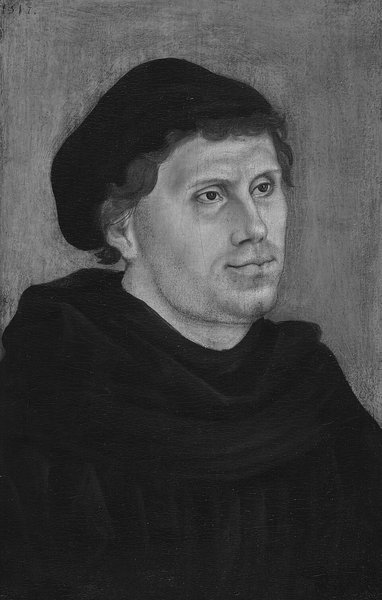
Portrait of Martin Luther

Martin Luther 1483–1546

6 sermons

Martin Luther (1483–1546) was the German monk whose recovery of justification by faith alone sparked the Protestant Reformation. Driven into a monastery by terror in a thunderstorm and then into peace by a verse in Romans, he posted his Ninety-Five Theses in 1517, defied pope and emperor at the Diet of Worms, translated the New Testament into German at the Wartburg, and gave the church its hymns and catechisms. His last written words were, “We are beggars. This is true.”

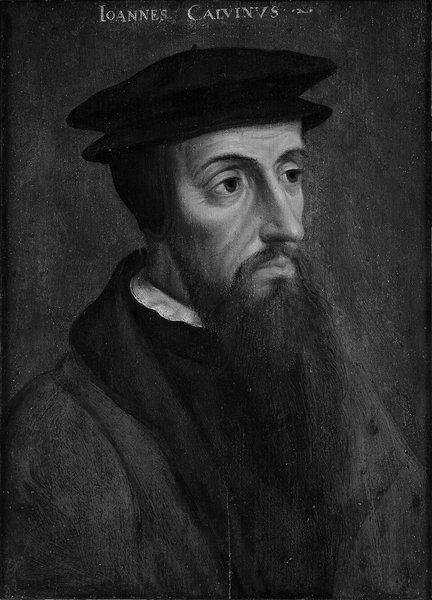
Portrait of John Calvin

John Calvin 1509–1564

4 sermons

John Calvin (1509–1564) was the leading theologian of the second generation of the Reformation and the pastor of Geneva for over twenty years. A French lawyer and humanist turned reformer after a “sudden conversion,” he wrote the Institutes of the Christian Religion — the fullest statement of Reformed faith — and shaped Protestantism across Europe through his preaching, his commentaries on nearly the whole of Scripture, and the Academy of Geneva.

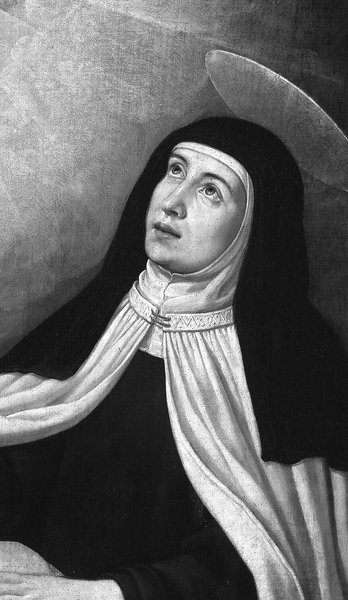
Portrait of Teresa of Ávila

Teresa of Ávila 1515–1582

Read full biography

Teresa of Ávila (1515–1582) was a Spanish Carmelite nun, mystic and reformer who taught that prayer is “an intimate sharing between friends.” She founded the reformed Discalced Carmelites, wrote The Interior Castle, and in 1970 became the first woman named a Doctor of the Church.

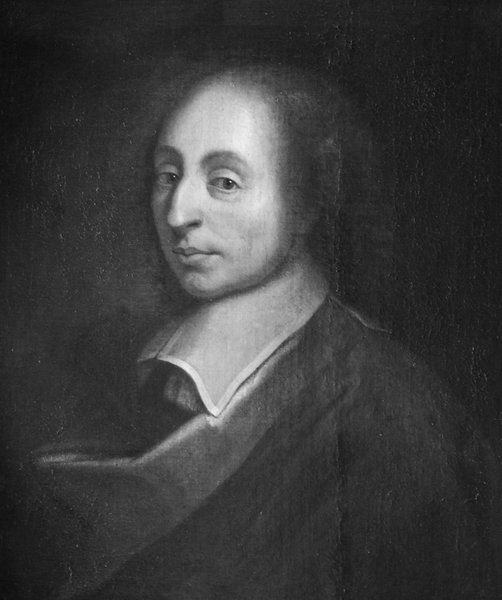
Portrait of Blaise Pascal

Blaise Pascal 1623–1662

4 books in the library

Blaise Pascal (1623–1662) was a French mathematician, physicist and Christian thinker whose experiments on the vacuum and work on probability made him famous across Europe. On the night of 23 November 1654 he met the living God in an experience he recorded in his Memorial and carried sewn into his coat for the rest of his life. His Provincial Letters and the unfinished defence of the faith published after his death as the Pensées remain among the most searching Christian writings ever composed.

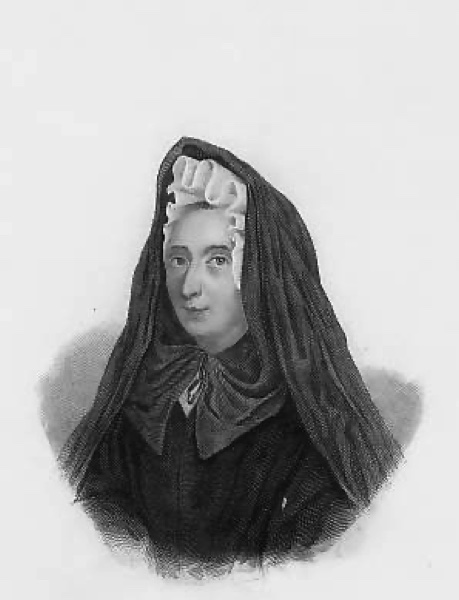
Portrait of Jeanne Guyon

Jeanne Guyon 1648–1717

1 book in the library

Jeanne Guyon, born in 1648 in Montargis, France, became a leading voice of Christian mysticism. Drawn early to deep prayer, she dedicated her life to interior surrender and spiritual renewal. Her teachings stirred both devotion and controversy, eventually leading to imprisonment. She died in 1717, but her writings still influence Christian spirituality today. Her autobiography remains a classic of spiritual literature. Guyon's emphasis on pure love and abandonment to God challenged formal religion.

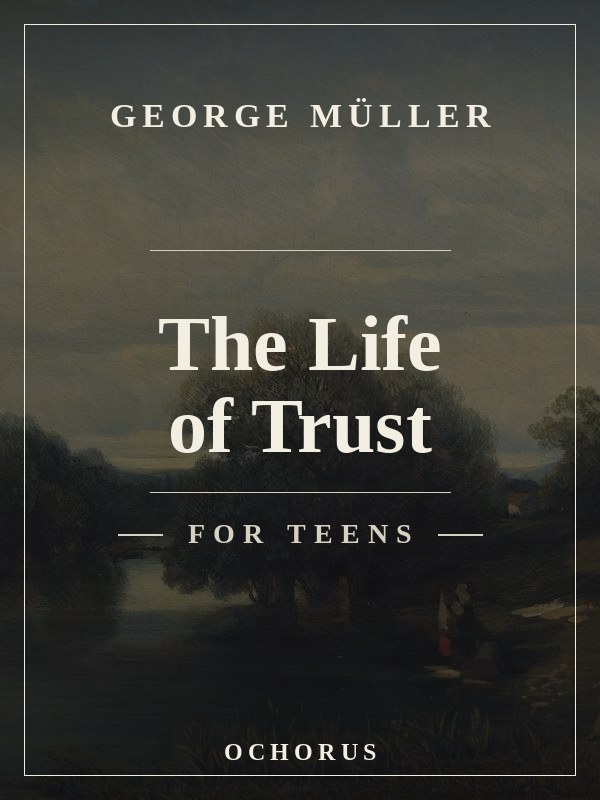
Portrait of George Müller

George Müller 1805–1898

4 books in the library

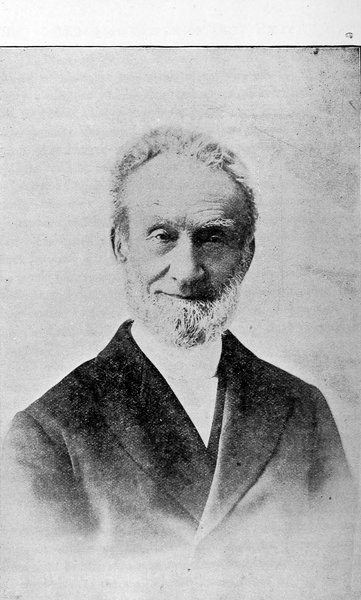
George Müller (1805–1898) was a Prussian-born evangelist who, after a dissolute youth that included theft and a spell in prison, was converted at a prayer meeting in Halle in 1825 and gave his life to living by faith. Settling in Bristol, he founded the Ashley Down orphanages, where he housed and fed more than ten thousand orphans over his lifetime without ever once asking a human being for money — relying on prayer alone and keeping meticulous records of the answers.

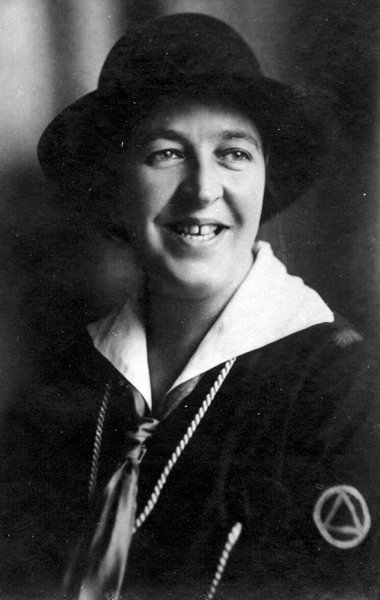
Portrait of Corrie ten Boom

Corrie ten Boom 1892–1983

6 sermons

Corrie ten Boom (1892–1983) was a Dutch watchmaker who, with her family, hid Jews from the Nazis in a secret room in their Haarlem home. Arrested and imprisoned in Ravensbrück, where her sister Betsie died, she survived to travel the world for decades preaching God’s forgiveness — even to a former guard of the camp.

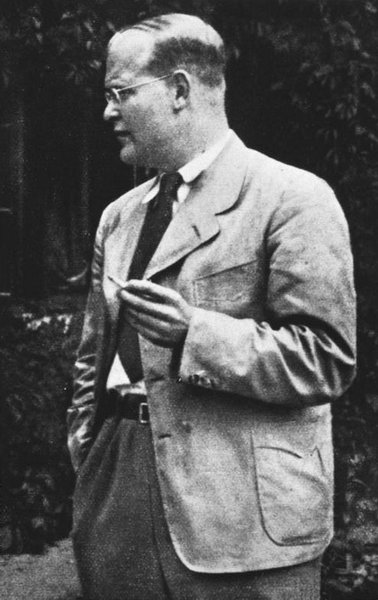
Portrait of Dietrich Bonhoeffer

Dietrich Bonhoeffer 1906–1945

Read full biography

Dietrich Bonhoeffer (1906–1945) was a German Lutheran pastor and theologian who opposed Hitler from the first days of the regime, led the Confessing Church's illegal seminary at Finkenwalde, and wrote The Cost of Discipleship with its contrast of cheap and costly grace. Drawn into the resistance conspiracy against Hitler, he was arrested in 1943 and hanged at Flossenbürg concentration camp on 9 April 1945, six days before its liberation.

Where to start reading

Questions and Answers

Who were the great Christian writers of Europe?

They include Gregory the Great and Bernard of Clairvaux in the Middle Ages, Martin Luther and John Calvin at the Reformation, Blaise Pascal and Teresa of Ávila, and Dietrich Bonhoeffer and Corrie ten Boom in the twentieth century.

Which European Christian book is most widely read?

The Imitation of Christ by Thomas à Kempis, written in the fifteenth century, has been one of the most widely read Christian books in the world.

Are France and Germany listed separately?

Yes. France and Germany each have a page of their own, and this page gathers them together with writers from Italy, Spain, the Netherlands and elsewhere.