Biographies

Monks, mystics and contemplatives 1033–1761

6 authors · 4 books

Writers who sought God in silence, prayer and a surrendered will. From the cloisters of medieval France to a French noblewoman's prison cell, their books have taught generations of readers to pray.

The writers

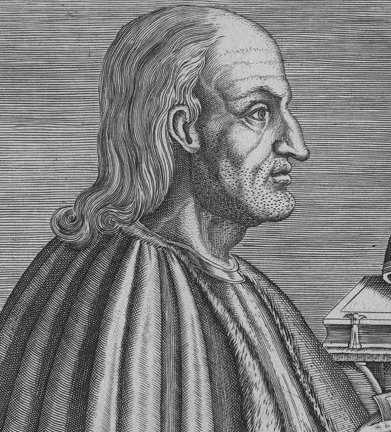
Portrait of Anselm of Canterbury

Anselm of Canterbury 1033–1109

Read full biography

Anselm of Canterbury (1033–1109) was a monk of Bec who became an unwilling archbishop and was exiled twice for refusing to treat the church's offices as the king's property. He is remembered for the argument at the heart of the Proslogion, but that book is a prayer from first line to last, written by a man who said he did not seek to understand in order to believe, but believed in order to understand. His private prayers changed how the medieval West prayed.
Portrait of Bernard of Clairvaux

Bernard of Clairvaux 1090–1153

1 book in the library

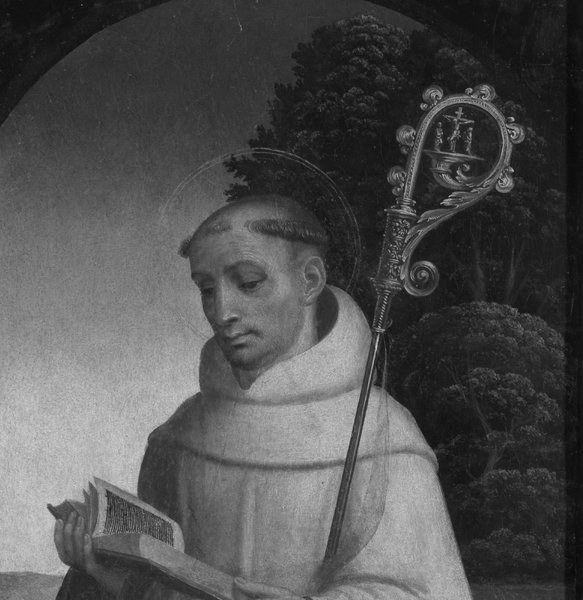
Bernard of Clairvaux (1090–1153) entered a struggling new monastery at twenty-two bringing thirty companions with him, and was an abbot at twenty-five for the remaining thirty-eight years of his life. He made a pope, pursued Abelard to condemnation, preached a crusade that failed catastrophically, and in the same years wrote On Loving God and eighty-six sermons on the Song of Songs. His answer to how much God should be loved was that there is no measure.

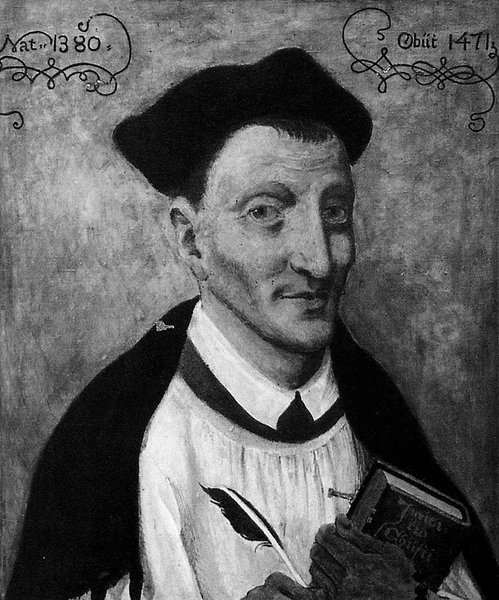
Portrait of Thomas à Kempis

Thomas à Kempis 1380–1471

1 book in the library

Thomas à Kempis (c. 1380–1471) was a German-born Dutch monk who spent roughly seventy years in a single monastery outside Zwolle, copying manuscripts, keeping his community's chronicle, and teaching its novices. Formed at Deventer among the Brethren of the Common Life, he wrote for those young men four small booklets of counsel that became The Imitation of Christ — after the Bible, the most widely read Christian book ever written.

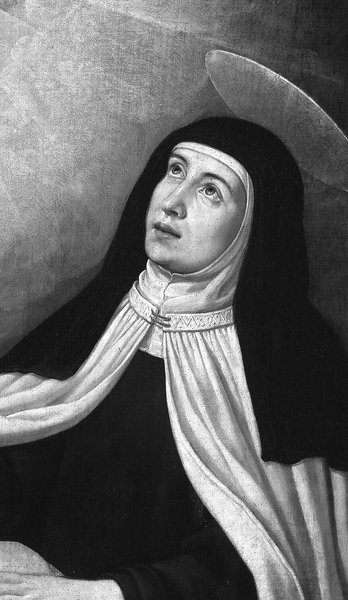
Portrait of Teresa of Ávila

Teresa of Ávila 1515–1582

Read full biography

Teresa of Ávila (1515–1582) was a Spanish Carmelite nun, mystic and reformer who taught that prayer is “an intimate sharing between friends.” She founded the reformed Discalced Carmelites, wrote The Interior Castle, and in 1970 became the first woman named a Doctor of the Church.

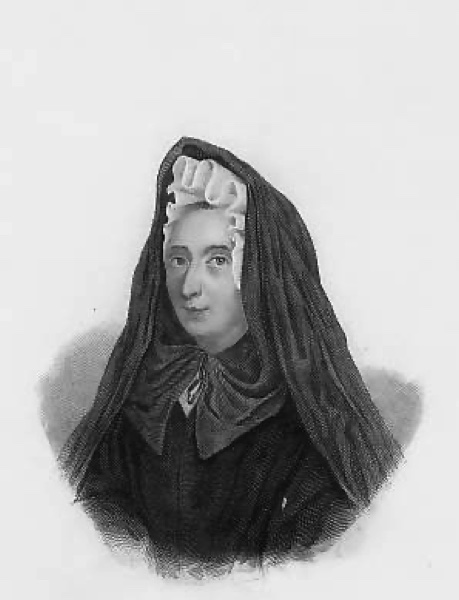
Portrait of Jeanne Guyon

Jeanne Guyon 1648–1717

1 book in the library

Jeanne Guyon, born in 1648 in Montargis, France, became a leading voice of Christian mysticism. Drawn early to deep prayer, she dedicated her life to interior surrender and spiritual renewal. Her teachings stirred both devotion and controversy, eventually leading to imprisonment. She died in 1717, but her writings still influence Christian spirituality today. Her autobiography remains a classic of spiritual literature. Guyon's emphasis on pure love and abandonment to God challenged formal religion.

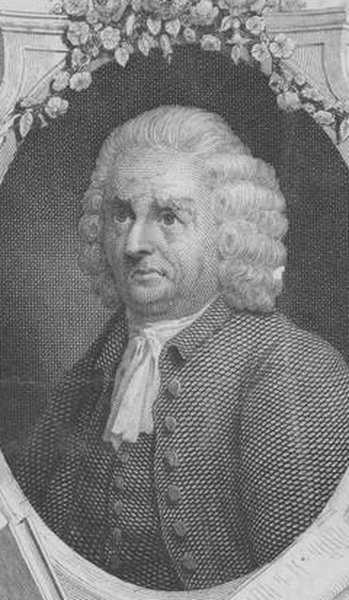
Portrait of William Law

William Law 1686–1761

1 book in the library

William Law (1686–1761) was an English priest whose refusal to swear allegiance to George I cost him his Cambridge fellowship and any career in the established church. Barred from preferment, he wrote instead — and A Serious Call to a Devout and Holy Life (1729) became one of the most influential devotional books in English, shaping John Wesley, George Whitefield, and Samuel Johnson.

Where to start reading

Questions and Answers

What is Christian mysticism?

Christian mysticism is the tradition of seeking a direct, loving knowledge of God through prayer, contemplation and surrender. Its writers describe the soul's inward journey toward union with God rather than setting out doctrine.

Which book should I read first?

The Imitation of Christ by Thomas à Kempis has been read more widely than almost any Christian book besides the Bible. Its short chapters on humility, patience and communion with Christ can be read one at a time.

Were these writers Catholic or Protestant?

Most were Catholic monks and nuns, like Bernard of Clairvaux and Teresa of Ávila. William Law was an Anglican priest, and Protestant readers such as John Wesley found Jeanne Guyon and Thomas à Kempis deeply formative.