Biographies

The Early Church & Middle Ages –1479

The lives behind the books — preachers, missionaries, and writers whose words still speak.

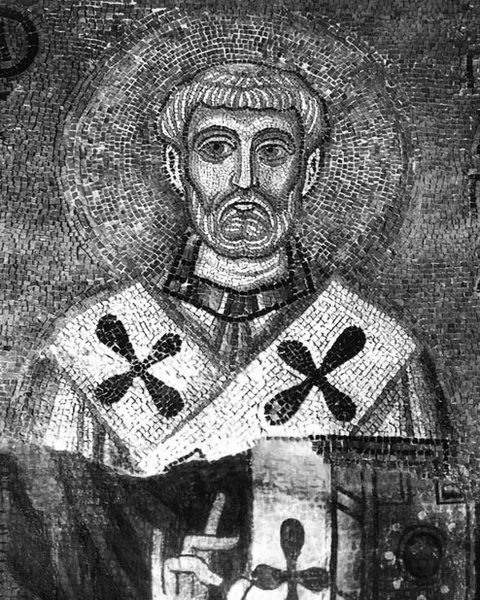
Portrait of Clement of Rome

Clement of Rome 35–99

1 book in the library

Clement of Rome (c. 35 – c. 99) led the church at Rome in the generation after the apostles and wrote the earliest Christian document to survive outside the New Testament. His one surviving letter was sent to Corinth around AD 96, where a faction had deposed the church's elders, and it argues from Scripture for humility, order and love before closing in prayer for the sick, the imprisoned and the emperor. Three generations later it was still being read aloud in Corinthian worship.
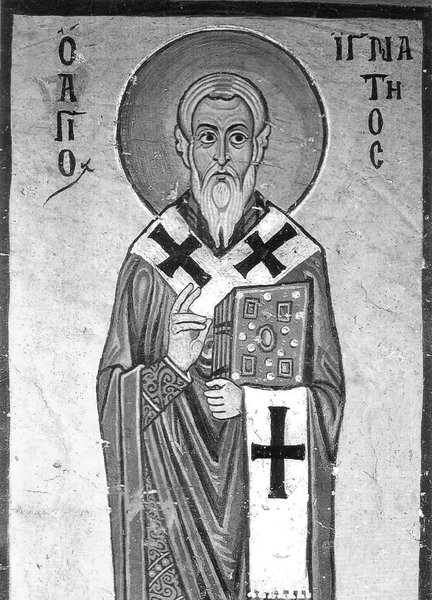
Portrait of Ignatius of Antioch

Ignatius of Antioch 35–108

1 book in the library

Ignatius of Antioch (c. 35 – c. 108) was bishop of Antioch in Syria and wrote seven short letters while being marched under guard across Asia Minor to be killed in the arena at Rome. Written in snatched hours by a man with weeks to live, they are almost entirely about other people: the unity of the churches he was leaving, the reality of Christ's suffering, and the congregation in Syria he asked everyone to pray for. They are among the most urgent documents in Christian literature.

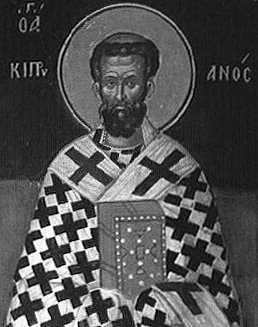
Portrait of Cyprian of Carthage

Cyprian of Carthage 200–258

1 book in the library

Cyprian of Carthage (c. 200–258) was a celebrated North African rhetorician who was converted in middle age, gave away his fortune, and was made bishop within two years. In twelve crowded years he led his church through the Decian persecution and the great plague that still bears his name, organising relief for the pagans who had wanted him dead, and wrote the first Latin commentary on the Lord's Prayer. He was beheaded at Carthage on 14 September 258.

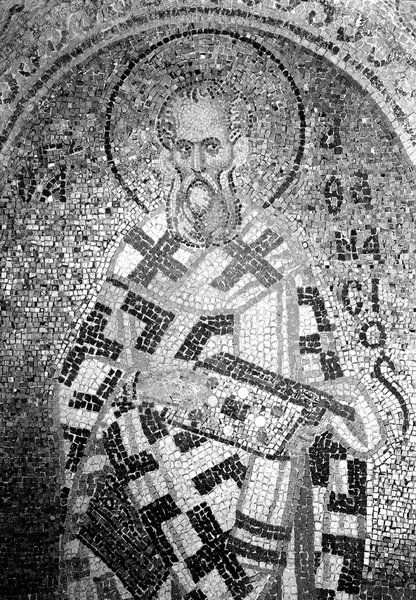
Portrait of Athanasius of Alexandria

Athanasius of Alexandria 296–373

2 books in the library

Athanasius of Alexandria (c. 296–373) was bishop of Alexandria for forty-five years and spent seventeen of them in exile, driven from his city five times by four emperors for refusing to concede that the Son of God was a creature. He wrote On the Incarnation and the Life of Antony, which carried the monastic ideal into the West, and his festal letter of 367 is the earliest surviving list of exactly the twenty-seven books of the New Testament.

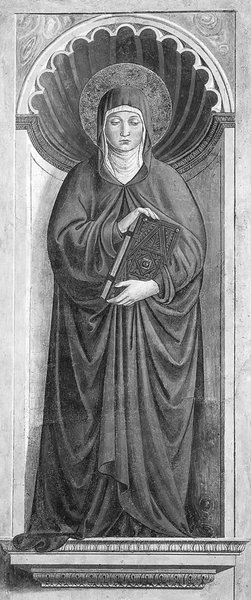
Portrait of Monica of Hippo

Monica of Hippo 331–387

Read full biography

Monica of Hippo (c.331–387) was the mother of Augustine, remembered as the great example of a praying mother. For some seventeen years she wept and prayed for her wayward son’s conversion; a bishop assured her that “the son of these tears shall not perish,” and she lived to see him baptized before she died at Ostia.

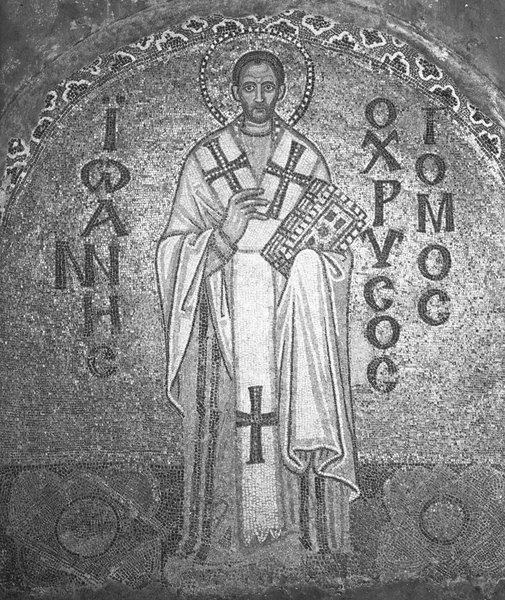
Portrait of John Chrysostom

John Chrysostom 347–407

1 book in the library · 5 sermons

John Chrysostom (c. 347–407) was the greatest preacher of the ancient church, named golden-mouthed by later generations for the sermons that filled churches in Antioch and Constantinople. A lawyer who abandoned the courts, he preached verse by verse through whole books of the Bible and unsparingly against wealth and luxury, which cost him his see. He died in 407 on a forced march into exile, with the doxology that had been his motto on his lips: Glory be to God for all things.

Portrait of Augustine of Hippo

Augustine of Hippo 354–430

2 books in the library

Augustine of Hippo (354–430) was born in Roman North Africa to a pagan father and a praying Christian mother, Monica, whose tears followed him through years of ambition, pleasure, and the Manichaean religion. Baptised by Ambrose, he returned to Africa and served some thirty-five years as bishop of Hippo, writing the Confessions and The City of God and contending for grace against the Donatists and Pelagians.

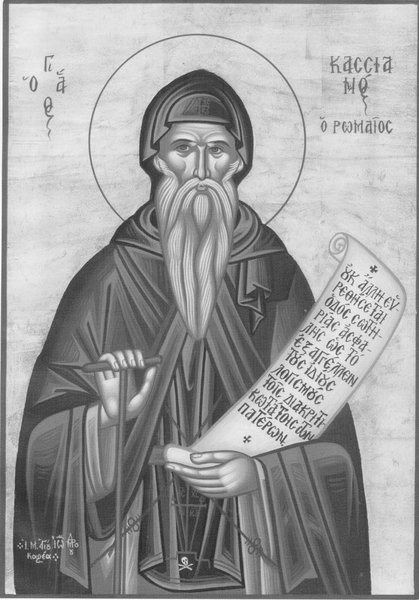
Portrait of John Cassian

John Cassian 360–435

Read full biography

John Cassian (c. 360–435) spent some fifteen years among the desert fathers of Egypt asking them how to pray, and the rest of his life writing down their answers in Latin for monks in southern France. His Institutes and Conferences carried the whole desert tradition into the Western church; Benedict told his monks to read the Conferences aloud every evening. Ordained deacon by John Chrysostom, he later carried the appeal of Chrysostom's supporters to Rome.

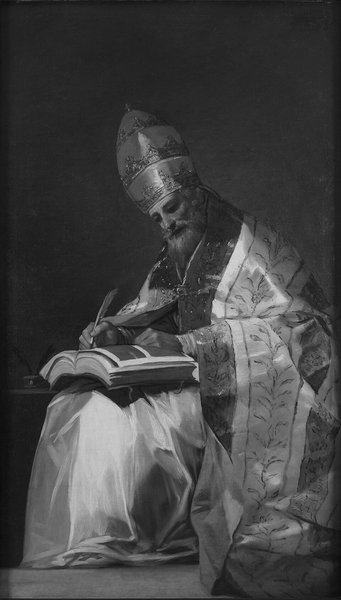
Portrait of Gregory the Great

Gregory the Great 540–604

Read full biography

Gregory the Great (c.540–604) was Prefect of Rome who renounced the city’s highest civil office to become a monk, and the reluctant pope who wrote the West’s most influential manual of pastoral ministry, the Pastoral Rule. He fed Rome through famine and plague, ransomed captives, and sent the mission that converted the English.

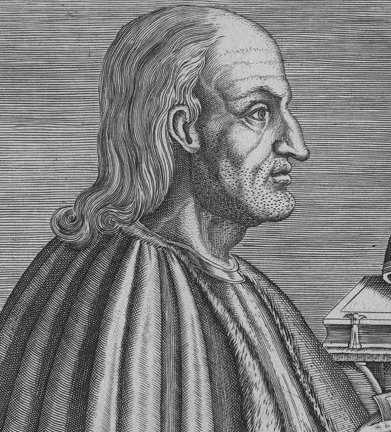
Portrait of Anselm of Canterbury

Anselm of Canterbury 1033–1109

Read full biography

Anselm of Canterbury (1033–1109) was a monk of Bec who became an unwilling archbishop and was exiled twice for refusing to treat the church's offices as the king's property. He is remembered for the argument at the heart of the Proslogion, but that book is a prayer from first line to last, written by a man who said he did not seek to understand in order to believe, but believed in order to understand. His private prayers changed how the medieval West prayed.

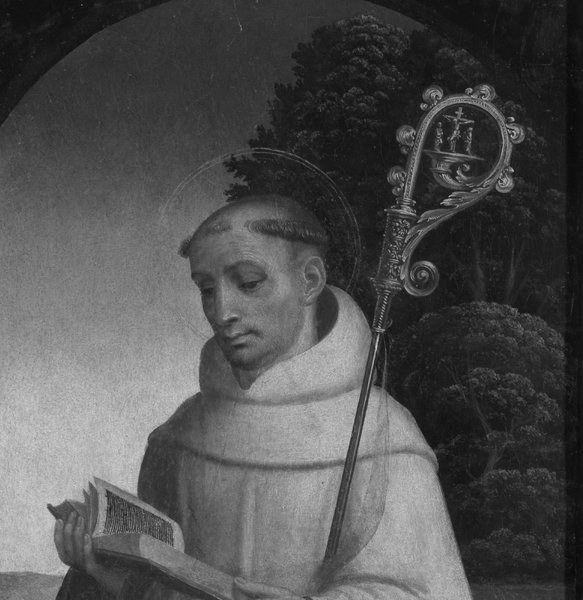
Portrait of Bernard of Clairvaux

Bernard of Clairvaux 1090–1153

1 book in the library

Bernard of Clairvaux (1090–1153) entered a struggling new monastery at twenty-two bringing thirty companions with him, and was an abbot at twenty-five for the remaining thirty-eight years of his life. He made a pope, pursued Abelard to condemnation, preached a crusade that failed catastrophically, and in the same years wrote On Loving God and eighty-six sermons on the Song of Songs. His answer to how much God should be loved was that there is no measure.

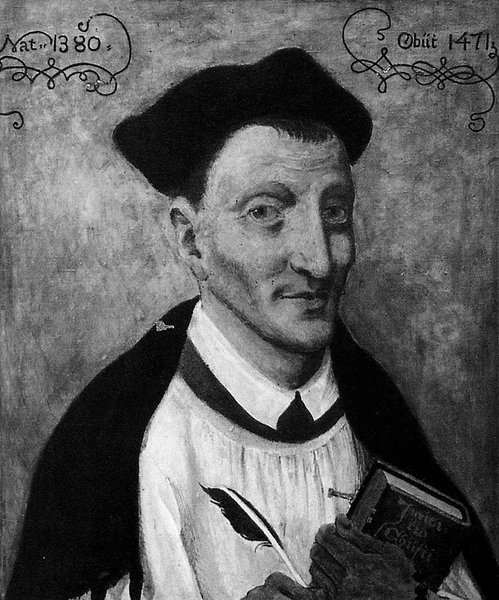
Portrait of Thomas à Kempis

Thomas à Kempis 1380–1471

1 book in the library

Thomas à Kempis (c. 1380–1471) was a German-born Dutch monk who spent roughly seventy years in a single monastery outside Zwolle, copying manuscripts, keeping his community's chronicle, and teaching its novices. Formed at Deventer among the Brethren of the Common Life, he wrote for those young men four small booklets of counsel that became The Imitation of Christ — after the Bible, the most widely read Christian book ever written.