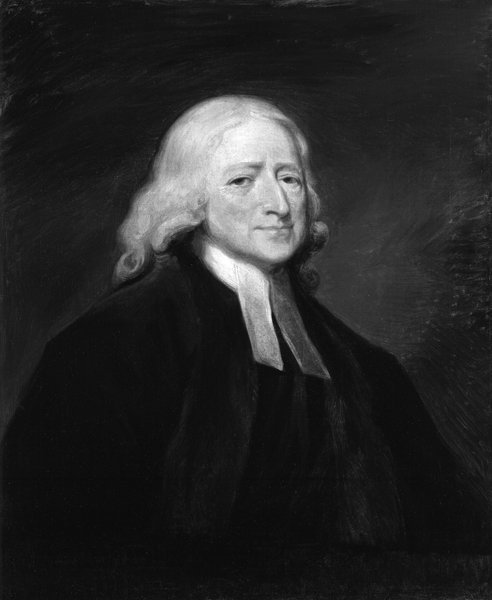
John Wesley 1703–1791
2 books in the library · 7 sermonsEnglish Anglican cleric and evangelist who founded Methodism. A tireless itinerant preacher and organiser, he was a central figure of the 18th-century evangelical revival.
Biographies
The lives behind the books — preachers, missionaries, and writers whose words still speak.
English Anglican cleric and evangelist who founded Methodism. A tireless itinerant preacher and organiser, he was a central figure of the 18th-century evangelical revival.
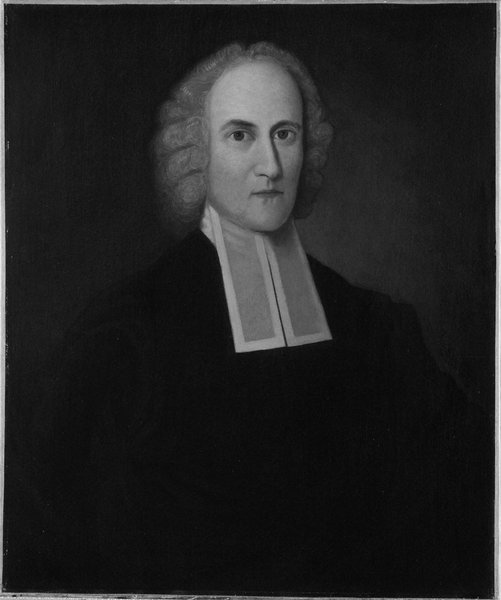
American Congregationalist preacher and theologian, a central figure of the First Great Awakening. He pastored in Northampton, Massachusetts, and briefly served as president of the College of New Jersey (later Princeton).
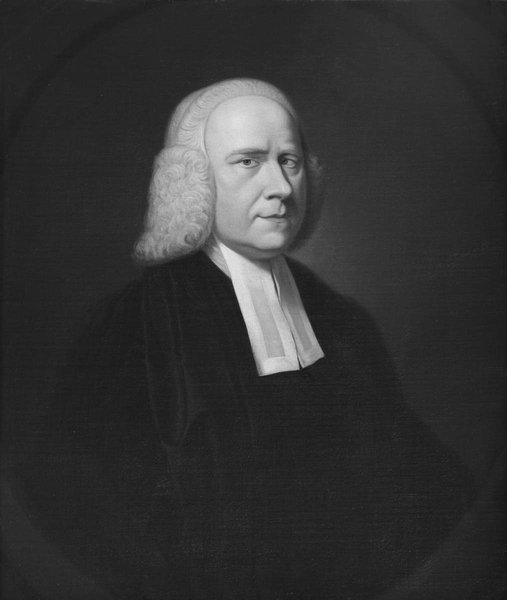
English Anglican cleric and one of the founders of Methodism and the evangelical revival. A famed open-air preacher, he toured Britain and colonial America and became a leading figure of the Great Awakening.
David Brainerd (1718–1747) was a young missionary to the Native American peoples of colonial New Jersey and Pennsylvania. Expelled from Yale for his zeal, he gave his brief life to prayer and itinerant preaching among the Delaware and others, seeing a remarkable awakening shortly before dying of tuberculosis at twenty-nine. His diary, published by Jonathan Edwards, became one of the most influential missionary memoirs ever written.
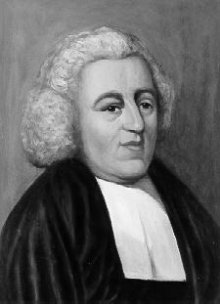
John Newton (1725–1807) was a slave-ship captain who, after a gradual conversion begun in a 1748 Atlantic storm, became an Anglican pastor at Olney, wrote “Amazing Grace,” and — late in life — a leading voice against the slave trade he had once plied, mentoring William Wilberforce.
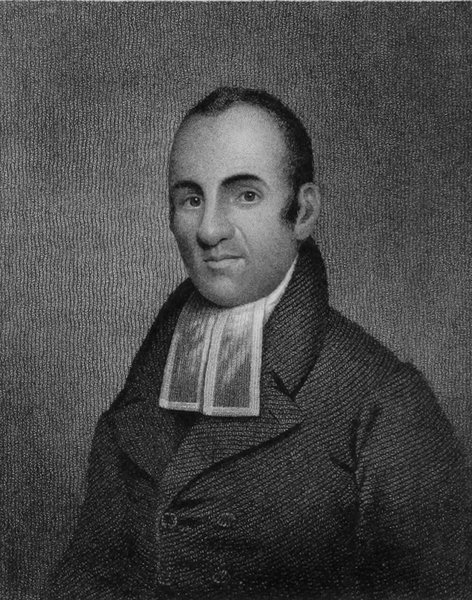
Abandoned as an infant and indentured until he was twenty-one, Lemuel Haynes (1753–1833) taught himself Scripture, Latin, and Greek by firelight. He served as a Minuteman and marched to Ticonderoga, and in 1785 became the first Black man ordained by a mainstream Protestant denomination in America.
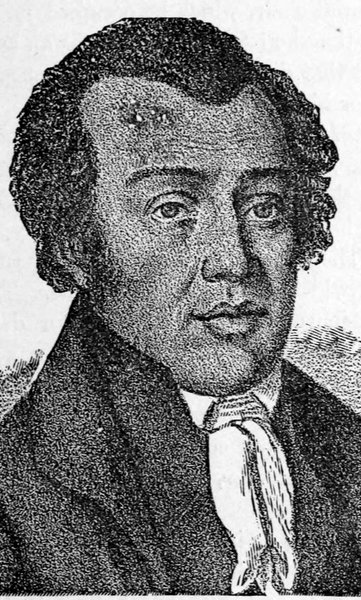
Richard Allen (1760–1831) was born into slavery in Philadelphia, sold as a boy to a Delaware farmer, and converted to Christ as a teenager under Methodist preaching. After his master was himself converted and let him buy his freedom, Allen became a pioneering itinerant preacher; the humiliation of segregated seating at St. George's Methodist Church led him to found an independent Black church, Mother Bethel, in Philadelphia.
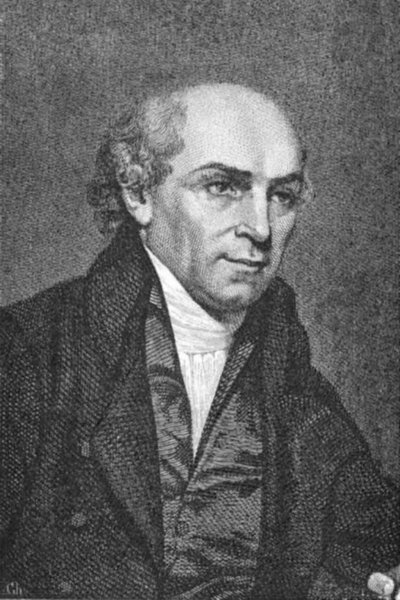
William Carey (1761–1834) was an English cobbler and self-taught linguist whose 1792 call to missions helped launch the modern missionary movement. He gave forty years to India at Serampore, translating the Bible into six Indian languages and campaigning against sati, and is remembered as the “father of modern missions.”
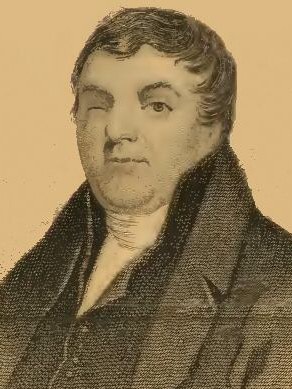
Christmas Evans (1766–1838) was the greatest of the Welsh preachers — a poor, self-taught farm laborer, blinded in one eye by an assault in his youth, who became known as the “Bunyan of Wales.” For more than thirty years he oversaw the scattered Baptist churches of Anglesey on a stipend of £17 a year, preaching to thousands in vivid, dramatic open-air sermons. His ministry was revived after a famous covenant with God below Cadair Idris.
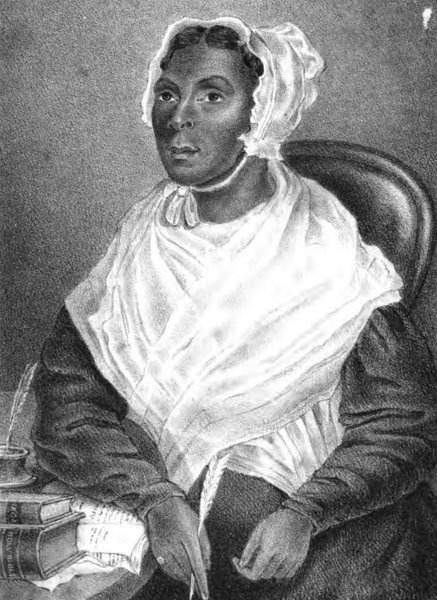
Born free in New Jersey, Jarena Lee was converted under Richard Allen and became the first woman authorized to preach in the African Methodist Episcopal Church, travelling thousands of miles to proclaim the gospel.
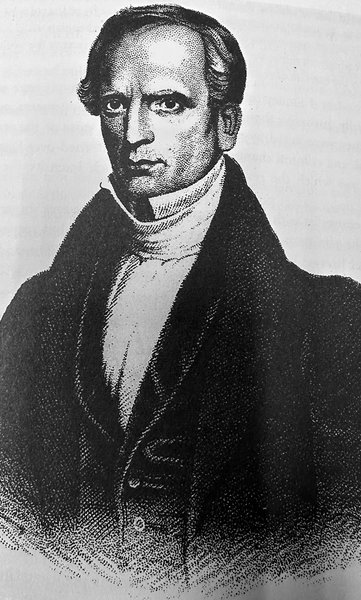
Charles Grandison Finney (1792–1875) was a lawyer turned evangelist whose preaching helped drive the Second Great Awakening across upstate New York and beyond. Convinced that revival was not a miracle to be waited for but the right use of God-given means, he pioneered the “new measures” of protracted meetings and direct appeal, saw whole towns transformed, and later became president of Oberlin College.