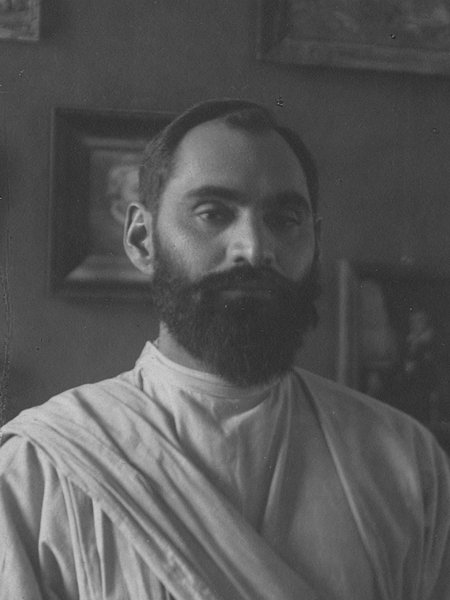
Biographies

Christian writers from Asia and the Middle East 35–1972

11 authors · 6 books

From Antioch, where the disciples were first called Christians, to India and China. These writers span the ancient church of Syria and the modern churches of Asia.

The writers

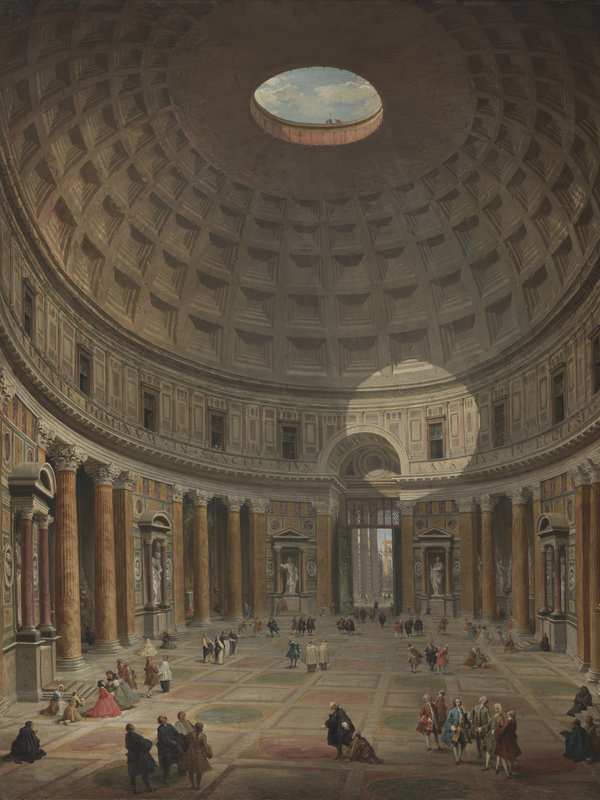
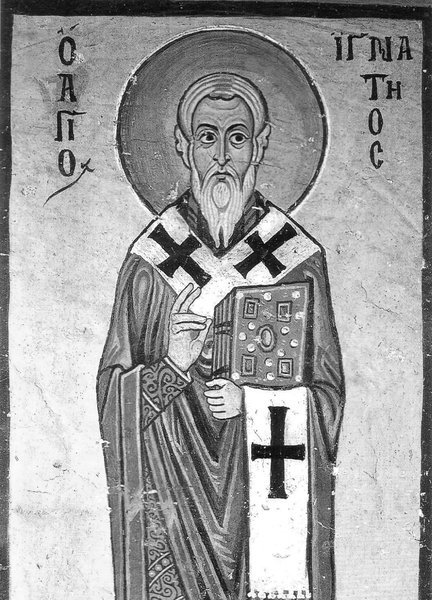
Portrait of Ignatius of Antioch

Ignatius of Antioch 35–108

1 book in the library

Ignatius of Antioch (c. 35 – c. 108) was bishop of Antioch in Syria and wrote seven short letters while being marched under guard across Asia Minor to be killed in the arena at Rome. Written in snatched hours by a man with weeks to live, they are almost entirely about other people: the unity of the churches he was leaving, the reality of Christ's suffering, and the congregation in Syria he asked everyone to pray for. They are among the most urgent documents in Christian literature.
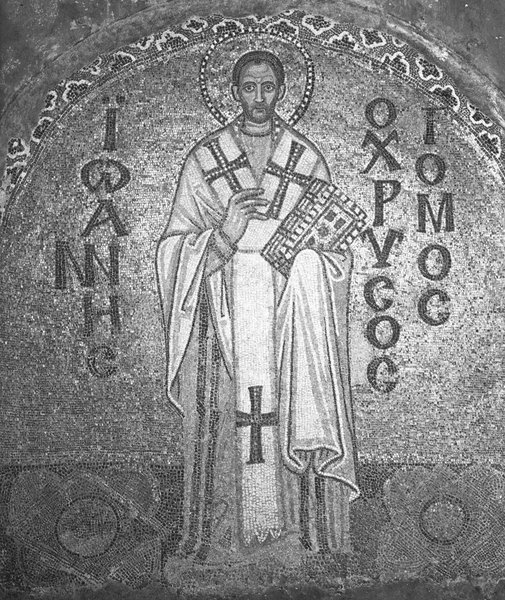
Portrait of John Chrysostom

John Chrysostom 347–407

1 book in the library · 5 sermons

John Chrysostom (c. 347–407) was the greatest preacher of the ancient church, named golden-mouthed by later generations for the sermons that filled churches in Antioch and Constantinople. A lawyer who abandoned the courts, he preached verse by verse through whole books of the Bible and unsparingly against wealth and luxury, which cost him his see. He died in 407 on a forced march into exile, with the doxology that had been his motto on his lips: Glory be to God for all things.

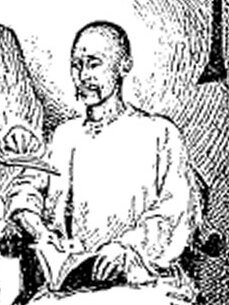
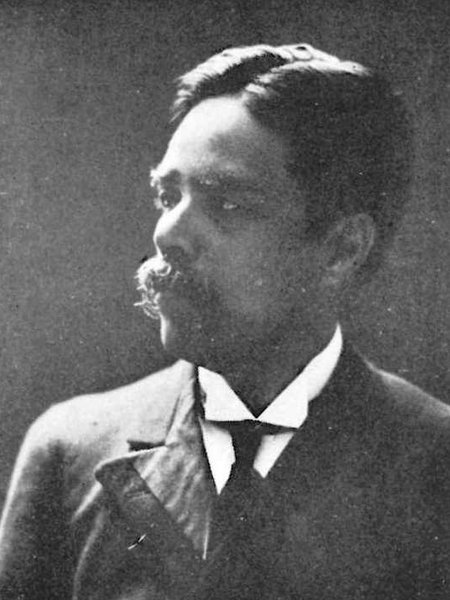
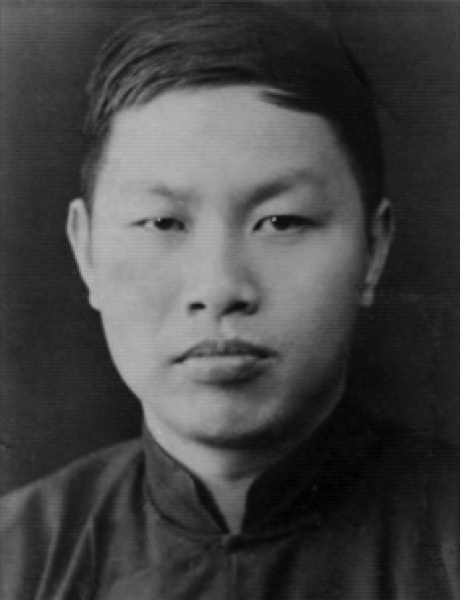
Portrait of Pastor Hsi (Xi Shengmo)

Pastor Hsi (Xi Shengmo) 1836–1896

Read full biography

Confucian scholar and opium addict converted through David Hill in 1879, Pastor Hsi (Xi Shengmo, c. 1836–1896) took the name “Overcomer of Demons” and founded self-supporting opium refuges across Shanxi, China.

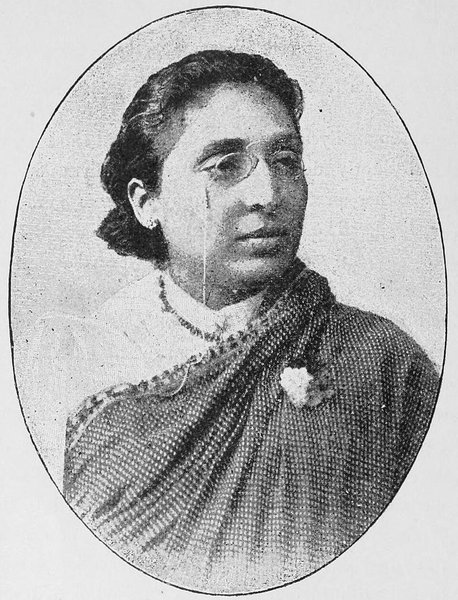
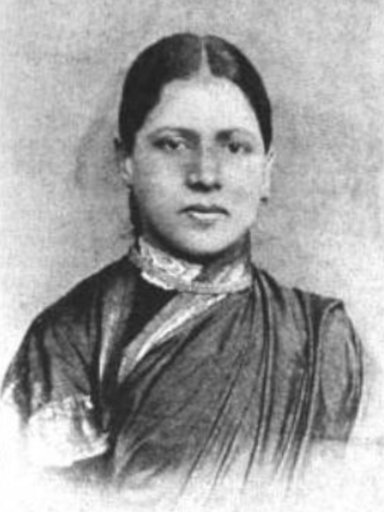
Portrait of Soonderbai Powar

Soonderbai Powar 1856–1921

Read full biography

Soonderbai Powar (1856–1921) was an Indian Christian evangelist and teacher, Pandita Ramabai’s trusted helper at the Sharada Sadan, a voice in London against the opium trade, and founder of the Zenana Training Home for Bible-women in Poona.

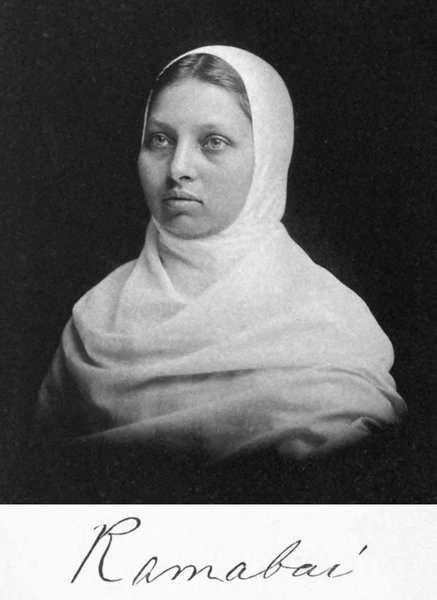
Portrait of Pandita Ramabai

Pandita Ramabai 1858–1922

Read full biography

Pandita Ramabai (1858–1922) was a Sanskrit scholar of Brahmin birth, orphaned by famine, who became a Christian and gave her life to India’s abandoned women. Her faith-supported Mukti Mission sheltered and educated thousands of child-widows and orphans, and she translated the whole Bible into Marathi from the original languages.

Portrait of Krupabai Satthianadhan

Krupabai Satthianadhan 1862–1894

Read full biography

Indian Christian writer (1862–1894), daughter of Brahmin converts, among the first women at Madras Medical College and one of the first Indian women novelists in English, author of Saguna and Kamala.

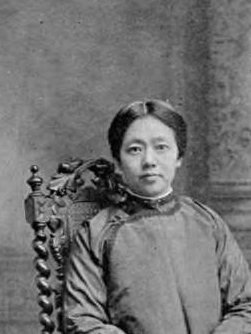
Portrait of Dora Yu

Dora Yu 1873–1931

Read full biography

Chinese evangelist and revival preacher (1873–1931). A trained doctor who gave up medicine to preach by faith, she founded a Bible school in Shanghai and led the 1920 Fuzhou meetings at which Watchman Nee and his mother came to Christ.

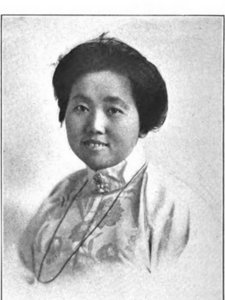
Portrait of Mary Stone (Shi Meiyu)

Mary Stone (Shi Meiyu) 1873–1954

Read full biography

Chinese Christian physician (1873–1954), one of the first Chinese women to earn a US medical degree, who ran the Danforth Memorial Hospital in Jiujiang, trained China’s nurses, and co-founded the Bethel Mission in Shanghai.

Portrait of Watchman Nee

Watchman Nee 1903–1972

Read full biography

Watchman Nee, born in 1903 in Foochow, China, was a prominent figure in 20th-century Christianity and Chinese church leadership. He embraced Christianity at 17, dedicated his life to ministry, and authored numerous influential works like "The Normal Christian Life." Persecuted for his faith, he died in 1972 while imprisoned at 69. His legacy continues through the Local Church movement worldwide. Nee's teachings emphasized the spiritual realities of the church and the believer's position in Christ.

Where to start reading

Questions and Answers

Who was Watchman Nee?

Watchman Nee was a Chinese preacher and church planter of the twentieth century who spent the last twenty years of his life in prison for his faith. His book The Normal Christian Life is widely read.

Who was Pandita Ramabai?

Pandita Ramabai was an Indian Sanskrit scholar and social reformer who became a Christian and founded the Mukti Mission for widows and orphaned girls near Pune.

Why is Antioch important in church history?

Antioch in Syria is where the followers of Jesus were first called Christians (Acts 11:26). Ignatius was its bishop in the early second century, and John Chrysostom preached there before becoming archbishop of Constantinople.