Biographies

Evangelical Anglicans 1725–2011

6 authors

Clergy and bishops of the Church of England and its sister churches who held the gospel of grace at the centre. They range from a converted slave-ship captain to archbishops of the Church of Uganda.

The writers

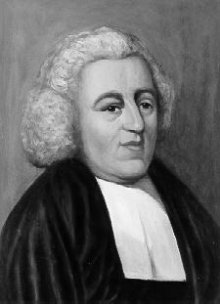
Portrait of John Newton

John Newton 1725–1807

8 sermons

John Newton (1725–1807) was a slave-ship captain who, after a gradual conversion begun in a 1748 Atlantic storm, became an Anglican pastor at Olney, wrote “Amazing Grace,” and — late in life — a leading voice against the slave trade he had once plied, mentoring William Wilberforce.
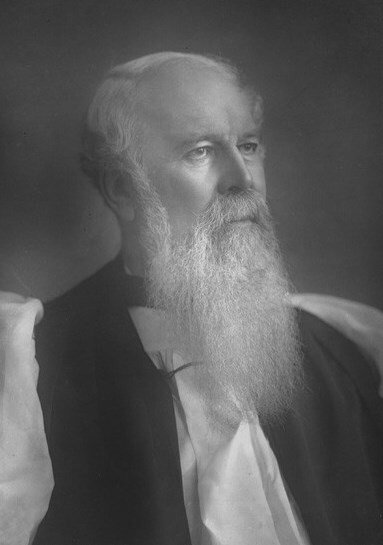
Portrait of J. C. Ryle

J. C. Ryle 1816–1900

7 sermons

John Charles Ryle (1816–1900) was the first Bishop of Liverpool and a leading evangelical of the Victorian church — a wealthy young man ruined by his family's bank collapse, redirected into the ministry, and famed for plain-spoken gospel tracts distributed by the million.

ES

Erica Sabiti 1903–1988

Read full biography

Erica Sabiti (1903–1988) was the first African Archbishop of the Church of Uganda. Ordained in 1933, he met the balokole of the East African Revival in 1939 while travelling with his bishop in Rwanda and Burundi, and became one of the movement's leaders. His election as archbishop in 1966 was opposed on ethnic grounds and the division was healed only when the province's nine diocesan bishops confessed their own part in it and united behind him.

Portrait of Festo Kivengere

Festo Kivengere 1919–1988

Read full biography

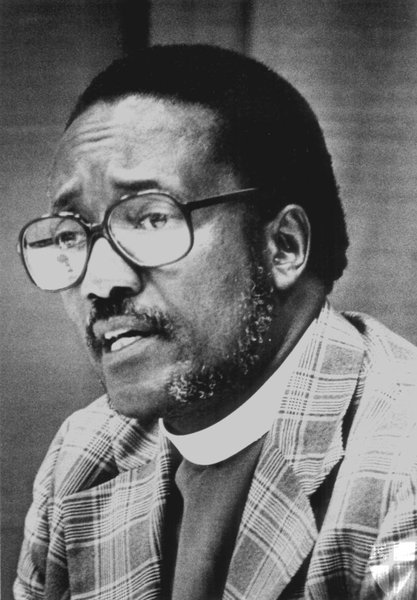
Festo Kivengere (1919–1988) was a Ugandan Anglican bishop and evangelist of the East African Revival, often called “the Billy Graham of Africa.” Converted from nominal faith during the 1941 revival, he became Bishop of Kigezi in 1972 and a leader of African Evangelistic Enterprise. After Archbishop Janani Luwum's murder in 1977 he fled Amin's Uganda over the mountains into Rwanda, then wrote the celebrated book I Love Idi Amin, a testimony to forgiving the tyrant who had driven him into exile.

Portrait of John Stott

John Stott 1921–2011

Read full biography

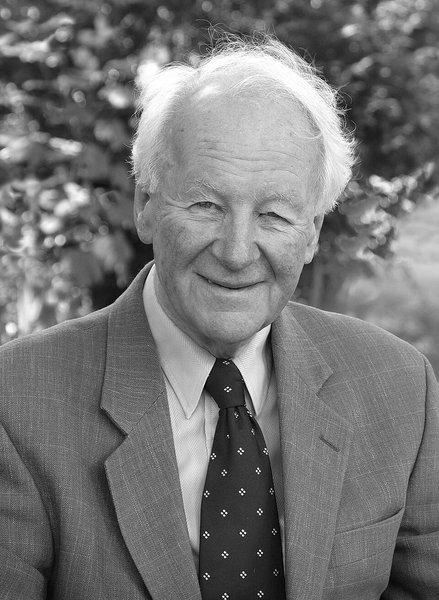
John Stott (1921–2011) was rector of All Souls, Langham Place, for his whole ministry and one of the principal architects of modern world evangelicalism — chief framer of the Lausanne Covenant and founder of the Langham Partnership. A clear Bible teacher, lifelong single, and disciplined man of prayer, he gave away his royalties to train pastors across the world.

JL

Janani Luwum 1922–1977

Read full biography

Janani Luwum (c.1922–1977) rose from a herdsboy in northern Uganda to Archbishop of the Church of Uganda, Rwanda, Burundi and Boga-Zaire. Converted in the East African Revival in 1948, he preached fearlessly and, after leading the bishops’ protest against Idi Amin’s killings, was murdered on 17 February 1977. He is honoured as one of the ten twentieth-century martyrs whose statues stand over the Great West Door of Westminster Abbey.

Questions and Answers

What is an evangelical Anglican?

An evangelical Anglican belongs to the Church of England or a church of the Anglican Communion and stresses conversion, the authority of the Bible and the cross of Christ. John Newton, J. C. Ryle and John Stott are three of the tradition's best-known voices.

How did the Anglican church grow in East Africa?

Missionaries of the Church Missionary Society planted the Anglican church in Uganda in the late nineteenth century. In the twentieth century African leaders such as Erica Sabiti, Festo Kivengere and Janani Luwum led it through revival and persecution.

Who wrote Amazing Grace?

John Newton, a former slave-ship captain who became an Anglican clergyman, wrote the hymn Amazing Grace for his parish at Olney.