Biographies

Reformed and Presbyterian writers 1509–2023

7 authors · 4 books

Heirs of the Reformation in Geneva and Scotland, who taught the sovereignty of God's grace. From John Calvin to a Welsh physician turned preacher, they joined careful theology to warm devotion.

The writers

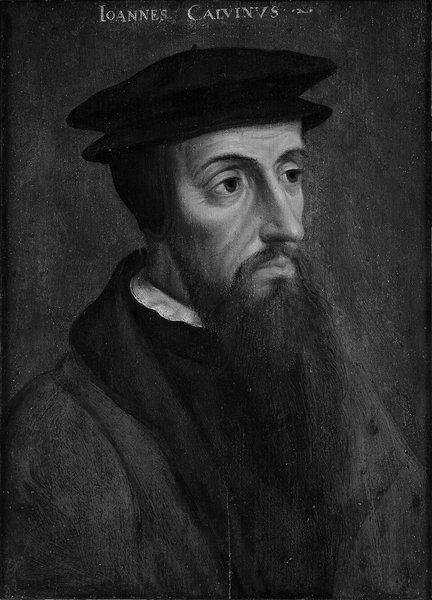
Portrait of John Calvin

John Calvin 1509–1564

4 sermons

John Calvin (1509–1564) was the leading theologian of the second generation of the Reformation and the pastor of Geneva for over twenty years. A French lawyer and humanist turned reformer after a “sudden conversion,” he wrote the Institutes of the Christian Religion — the fullest statement of Reformed faith — and shaped Protestantism across Europe through his preaching, his commentaries on nearly the whole of Scripture, and the Academy of Geneva.
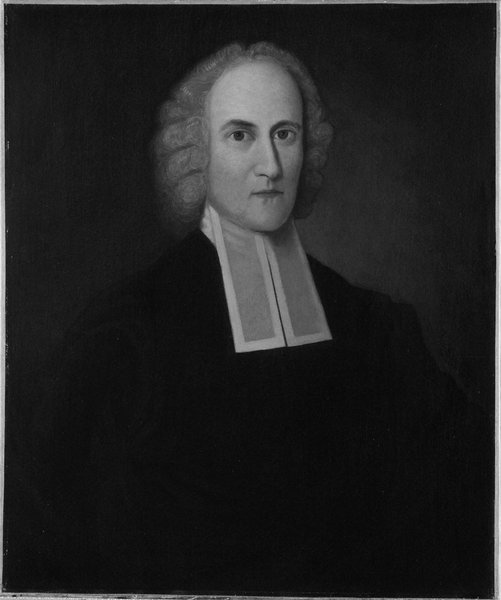
Portrait of Jonathan Edwards

Jonathan Edwards 1703–1758

3 books in the library · 8 sermons

American Congregationalist preacher and theologian, a central figure of the First Great Awakening. He pastored in Northampton, Massachusetts, and briefly served as president of the College of New Jersey (later Princeton).

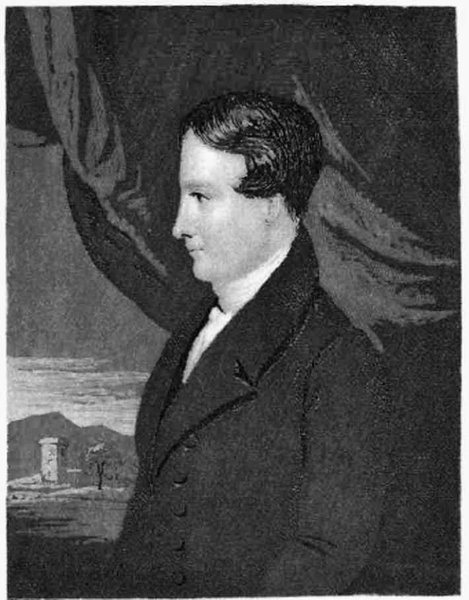
Portrait of Robert Murray M’Cheyne

Robert Murray M’Cheyne 1813–1843

7 sermons

Robert Murray M’Cheyne (1813–1843) was the minister of St Peter’s, Dundee, remembered for his pursuit of personal holiness and tender pastoral care. He drew up a still-used Bible-reading calendar, joined the 1839 mission of inquiry to the Jews, and died of typhus at 29, mourned by a whole city.

AT

Arthur T. Pierson 1837–1911

1 book in the library

Arthur Tappan Pierson (1837–1911) was an American Presbyterian pastor and missions statesman whose 1886 address at Mount Hermon helped launch the Student Volunteer Movement, and who filled Spurgeon's pulpit in London from 1891 to 1893. A close friend of George Müller, he wrote George Müller of Bristol (1899), the authorized memoir of Müller's life of prayer and faith.

JH

John Hyde 1865–1912

Read full biography

John “Praying” Hyde (1865–1912) was an American Presbyterian missionary to the Punjab, remembered above all as a man of prayer — a leading figure of the Sialkot Convention from its first year and one of the moving spirits of the Punjab Prayer Union, remembered as a man who asked God for a soul a day. Much of his vivid reputation comes from Francis McGaw’s 1923 devotional book “Praying Hyde,” written after his death.

ML

Martyn Lloyd-Jones 1899–1981

11 sermons

David Martyn Lloyd-Jones (1899–1981), known as “the Doctor,” was a brilliant young London physician — assistant to the King's doctor, Sir Thomas Horder — who left medicine for the ministry, convinced that humanity's deepest disease is spiritual. After eleven years pastoring working people at Sandfields in industrial South Wales, he preached expositionally at Westminster Chapel, London, for thirty years and became a central figure in the twentieth-century recovery of Reformed preaching.

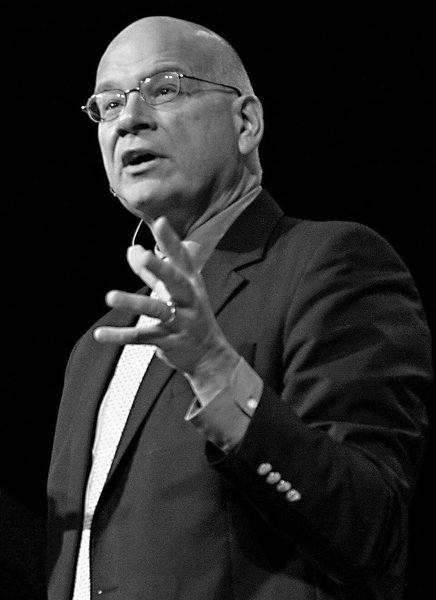
Portrait of Timothy Keller

Timothy Keller 1950–2023

Read full biography

Timothy Keller (1950–2023) was a Presbyterian pastor who founded Redeemer Presbyterian Church in secular Manhattan in 1989 and wrote widely read books including The Reason for God and Prayer: Experiencing Awe and Intimacy with God. A brush with thyroid cancer drove him to rebuild his prayer life, and facing pancreatic cancer at the end he wrote movingly of the nearness of God and the deepening of prayer.

Where to start reading

Questions and Answers

What does Reformed mean?

Reformed churches descend from the Swiss Reformation led by Zwingli and John Calvin. They emphasise the sovereignty of God in salvation, the authority of Scripture and a church governed by elders.

Is Presbyterian the same as Reformed?

Presbyterian churches are Reformed churches governed by elders (presbyters), a pattern that took root especially in Scotland. Robert Murray M'Cheyne ministered in the Church of Scotland; Jonathan Edwards, though a Congregationalist, held the same Reformed theology.

Which of these writers should I read first?

Jonathan Edwards is the classic Reformed writer on revival and the religious affections. Martyn Lloyd-Jones brought the same tradition to twentieth-century London in plain, direct preaching.