Biographies

Methodist and Wesleyan writers 1669–1955

10 authors · 19 books

The revival that began with John and Charles Wesley in eighteenth-century England, and the churches that grew from it on both sides of the Atlantic. Its writers preached a heart-warming faith, a holy life and a gospel for the poor.

The writers

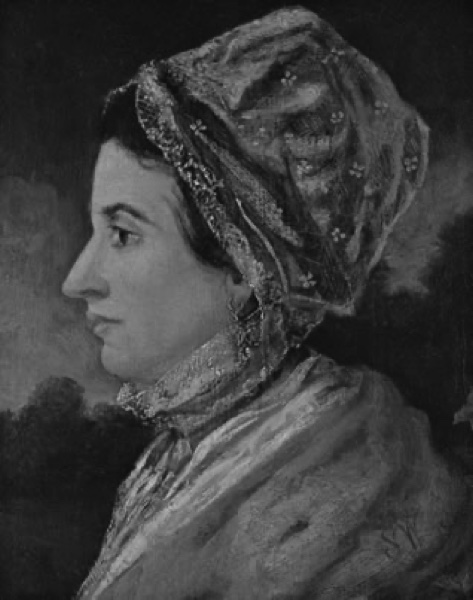
Portrait of Susanna Wesley

Susanna Wesley 1669–1742

1 book in the library

Susanna Wesley, born in 1669 in London, England, was the mother of John and Charles Wesley, founders of Methodism. A devout Anglican and mother of nineteen children (ten survived to adulthood), she provided rigorous religious education to her children, establishing daily routines of prayer and Scripture study. Despite financial hardships and her husband's absences, she maintained a strong spiritual household.
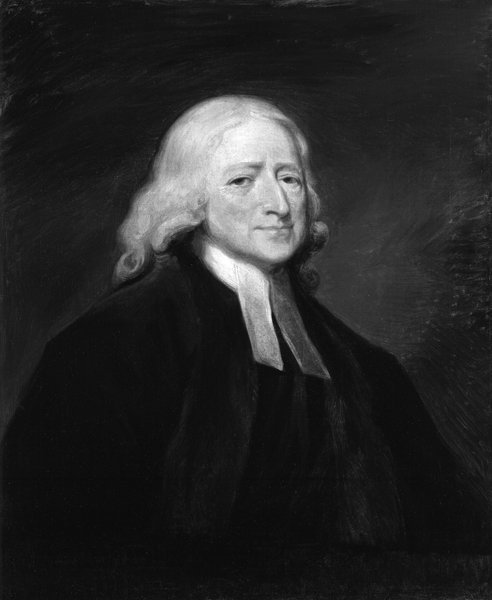
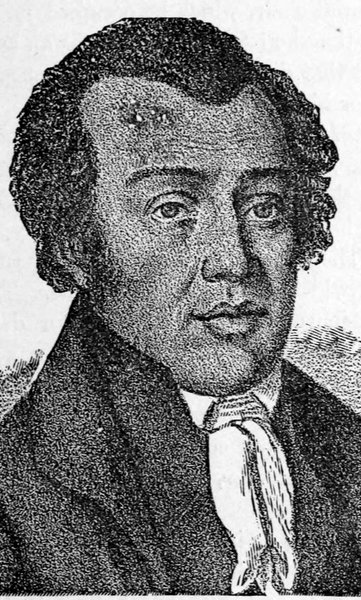
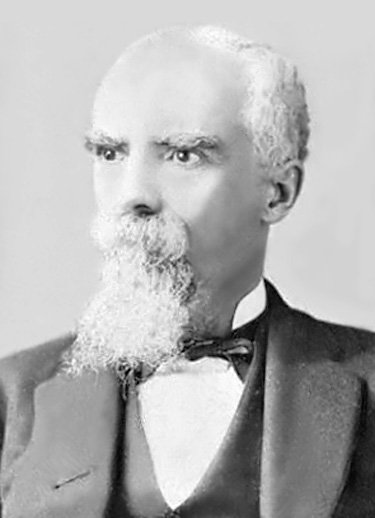
Portrait of Richard Allen

Richard Allen 1760–1831

1 book in the library

Richard Allen (1760–1831) was born into slavery in Philadelphia, sold as a boy to a Delaware farmer, and converted to Christ as a teenager under Methodist preaching. After his master was himself converted and let him buy his freedom, Allen became a pioneering itinerant preacher; the humiliation of segregated seating at St. George's Methodist Church led him to found an independent Black church, Mother Bethel, in Philadelphia.

Portrait of E. M. Bounds

E. M. Bounds 1835–1913

7 books in the library

American Methodist pastor, Civil War chaplain and former attorney who gave the last years of his life to rising at four in the morning to pray. Only one of his eight books on prayer, Power Through Prayer, appeared in his lifetime; the other seven were published after his death.

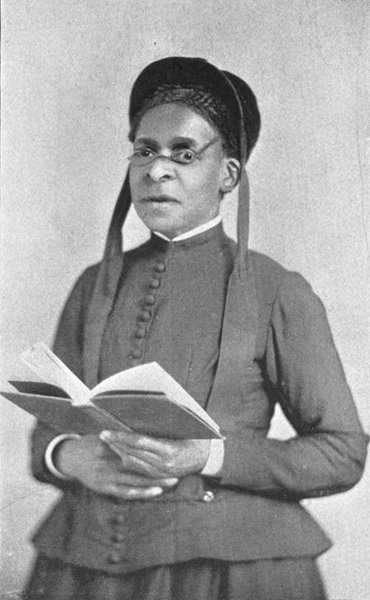
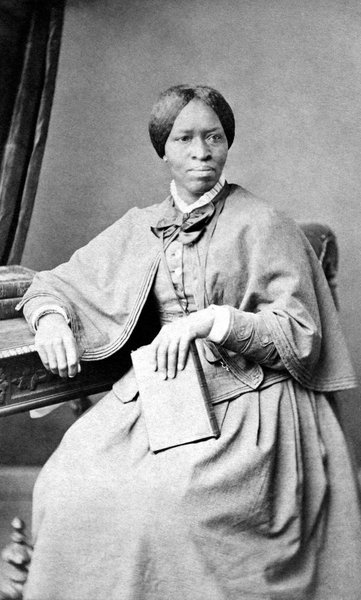
Portrait of Amanda Berry Smith

Amanda Berry Smith 1837–1915

3 books in the library

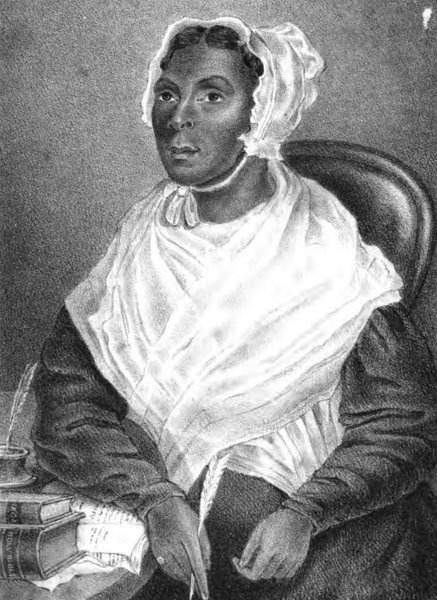
Amanda Berry Smith (1837–1915) was an African-American holiness evangelist who was born into slavery in Maryland and freed when her father bought his family's liberty. A washerwoman by trade, she became one of the most widely traveled preachers of the Wesleyan-Holiness movement, ministering across the United States, Britain, India, and for eight years in West Africa as an independent missionary.

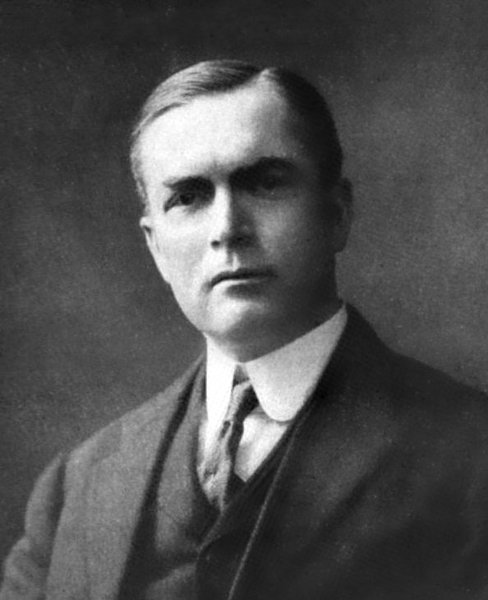
JL

Jesse Lyman Hurlbut 1843–1930

1 book in the library

Jesse Lyman Hurlbut (1843–1930) was an American Methodist minister who spent over fifty years training Bible teachers through the Sunday school and the Chautauqua movement. His Story of the Bible (1904) and Life of Christ (1915) retold Scripture plainly and faithfully, adding nothing, so that young readers would be led straight to the Bible itself.

Portrait of John R. Mott

John R. Mott 1865–1955

1 book in the library

John R. Mott (1865–1955) was an American Methodist layman who gave his life to “the evangelization of the world in this generation.” Converted to lifelong service as a Cornell student, he led the Student Volunteer Movement, founded the World’s Student Christian Federation, chaired the 1910 Edinburgh Missionary Conference, and shared the 1946 Nobel Peace Prize. A tireless traveller and a man of the “morning watch,” he helped lay the foundations of the International Missionary Council and the World Council of Churches.

Where to start reading

Questions and Answers

How did Methodism begin?

Methodism began as a movement for disciplined, practical holiness led by John Wesley and his brother Charles in the Church of England in the 1730s and 1740s. Its open-air preaching and small class meetings spread the revival across Britain and America.

Who founded the African Methodist Episcopal Church?

Richard Allen, a formerly enslaved preacher in Philadelphia, led Black Methodists out of a segregated congregation and founded the African Methodist Episcopal Church in 1816. Jarena Lee and Julia Foote preached within that tradition.

What did the Methodists mean by holiness?

Wesley taught that the Christian life is meant to grow in perfect love for God and neighbour, not merely in forgiveness. That teaching shaped the later holiness movement and writers such as Amanda Berry Smith.