Biographies

The East African Revival 1897–1989

10 authors

A revival that began in Rwanda and Uganda in the 1930s and spread across East Africa for decades. Its "brethren" walked in the light with one another, confessed their sins openly and preached Jesus through persecution and martyrdom.

The writers

SN

Simeon Nsibambi 1897–1978

Read full biography

Simeon Nsibambi (1897–1978) was an educated, prosperous Muganda health officer in Kampala whose spiritual hunger drove a pivotal September 1929 meeting with the missionary doctor Joe Church at Namirembe. Their weekend of Bible study and prayer over the fullness of the Spirit helped ignite the East African Revival (the Balokole, “saved ones”).
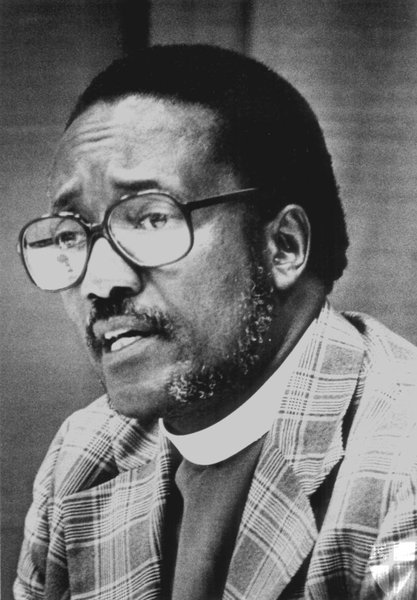
JC

Joe Church 1899–1989

Read full biography

Dr Joe E. Church (1899–1989) was an English CMS missionary doctor at Gahini Hospital in Rwanda whose two days of Bible study and prayer with the Ugandan layman Simeoni Nsibambi on Namirembe Hill in September 1929 are remembered as the spark of the East African Revival. He served in Africa for over three decades and always insisted the Revival was God’s work, not his own.

ES

Erica Sabiti 1903–1988

Read full biography

Erica Sabiti (1903–1988) was the first African Archbishop of the Church of Uganda. Ordained in 1933, he met the balokole of the East African Revival in 1939 while travelling with his bishop in Rwanda and Burundi, and became one of the movement's leaders. His election as archbishop in 1966 was opposed on ethnic grounds and the division was healed only when the province's nine diocesan bishops confessed their own part in it and united behind him.

YK

Yosiya Kinuka 1905–1981

Read full biography

Yosiya Kinuka (c.1905–1981) was a hospital anaesthetist at Gahini in Rwanda who first led the medical staff’s resistance to Dr Joe Church, then — sent to Simeoni Nsibambi in 1931 — returned “an absolutely changed life” and became one of the earliest African leaders of the East African Revival. With Blasio Kigozi he formed the first Bible team around Gahini and stood at the heart of the 1933 convention often named as the Revival’s beginning.

BK

Blasio Kigozi 1909–1936

Read full biography

Blasio Kigozi (c.1909–1936) was a Ugandan schoolmaster and evangelist, younger brother of the revival co-founder Simeoni Nsibambi, who preached repentance across the villages around Gahini and died of tick fever in January 1936 while carrying his “Zukuka” (“Awake”) call to the Church of Uganda synod. Remembered as the “John the Baptist of the East African Revival,” he was buried at Namirembe beneath a tombstone bearing the single word “Zukuka.”

WN

William Nagenda 1912–1973

Read full biography

William Nagenda (c.1912–1973) was a Ugandan lay evangelist and the most prominent preacher of the East African Revival. Expelled from theological college in 1941, he chose lifelong lay evangelism over ordination, carrying the revival’s message of brokenness at the Cross across Europe, the Americas, India and East Africa.

Portrait of Festo Kivengere

Festo Kivengere 1919–1988

Read full biography

Festo Kivengere (1919–1988) was a Ugandan Anglican bishop and evangelist of the East African Revival, often called “the Billy Graham of Africa.” Converted from nominal faith during the 1941 revival, he became Bishop of Kigezi in 1972 and a leader of African Evangelistic Enterprise. After Archbishop Janani Luwum's murder in 1977 he fled Amin's Uganda over the mountains into Rwanda, then wrote the celebrated book I Love Idi Amin, a testimony to forgiving the tyrant who had driven him into exile.

JL

Janani Luwum 1922–1977

Read full biography

Janani Luwum (c.1922–1977) rose from a herdsboy in northern Uganda to Archbishop of the Church of Uganda, Rwanda, Burundi and Boga-Zaire. Converted in the East African Revival in 1948, he preached fearlessly and, after leading the bishops’ protest against Idi Amin’s killings, was murdered on 17 February 1977. He is honoured as one of the ten twentieth-century martyrs whose statues stand over the Great West Door of Westminster Abbey.

LB

Lawrence Barham

Read full biography

Lawrence Barham was a British Anglican clergyman and CMS Ruanda Mission missionary who, turned away from China, sailed to central Africa in 1928 and gave his life to Kigezi and Burundi. A front-rank European figure of the East African Revival, he founded the Kabale Bible school that became Bishop Barham University College; his closeness to the Revival cost him a bishopric in 1946, which he finally received in 1964.

YK

Yona Kanamuzeyi

Read full biography

Yona Kanamuzeyi (died 1964) was a Rwandan Anglican deacon of the East African Revival who sheltered Tutsi refugees during the violence of the early 1960s. Arrested by soldiers on the night of 23 January 1964 and led away to be shot, he wrote “We are going to heaven” in his diary and sang a hymn as he walked to his death; his name was later inscribed in the roll of modern martyrs at St Paul’s Cathedral, London.

Questions and Answers

What was the East African Revival?

The East African Revival was a movement of repentance and renewal within the Anglican churches of Rwanda, Uganda, Kenya and Tanzania, beginning in the early 1930s. It is remembered for open confession of sin, fellowship across tribes and races, and joyful public testimony.

Who began the East African Revival?

It is usually traced to the fellowship of Simeon Nsibambi, a Ugandan health officer, and Joe Church, an English missionary doctor, who met at Kampala in 1929. Yosiya Kinuka at Gahini hospital in Rwanda and Blasio Kigozi soon joined them.

Who was Janani Luwum?

Janani Luwum was Archbishop of the Church of Uganda, converted in the revival, who was killed under Idi Amin's regime in 1977 after protesting its violence.