The Enduring Classics
The books that have walked with pilgrims for centuries — Augustine's confession, Bunyan's dream, the counsel of à Kempis — the old paths, still good.
Stand ye in the ways, and see, and ask for the old paths, where is the good way, and walk therein, and ye shall find rest for your souls.
Books









Articles







Authors
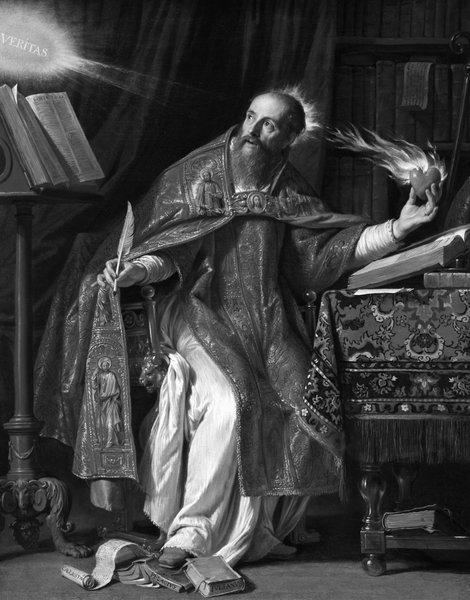 Augustine of Hippo 354–430
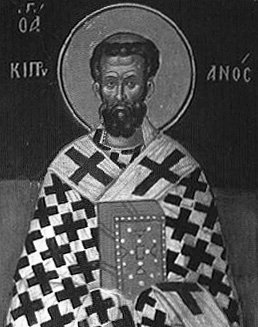 Cyprian of Carthage 200–258
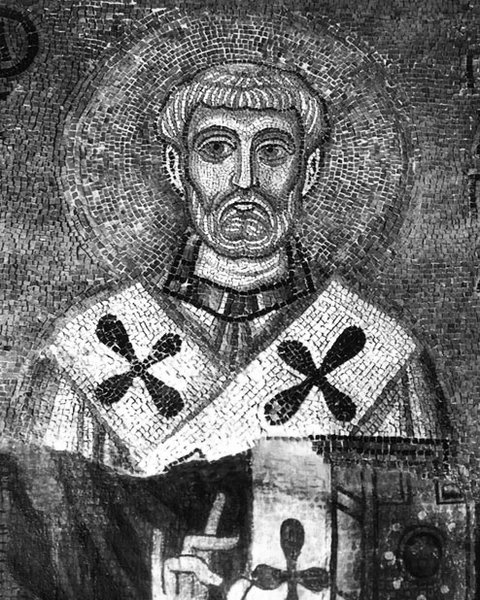 Clement of Rome 35–99
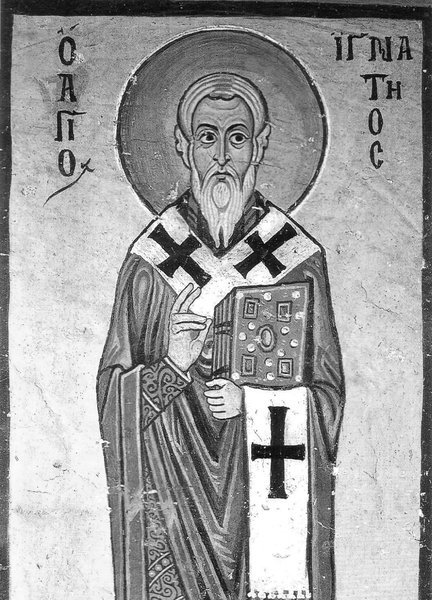 Ignatius of Antioch 35–108
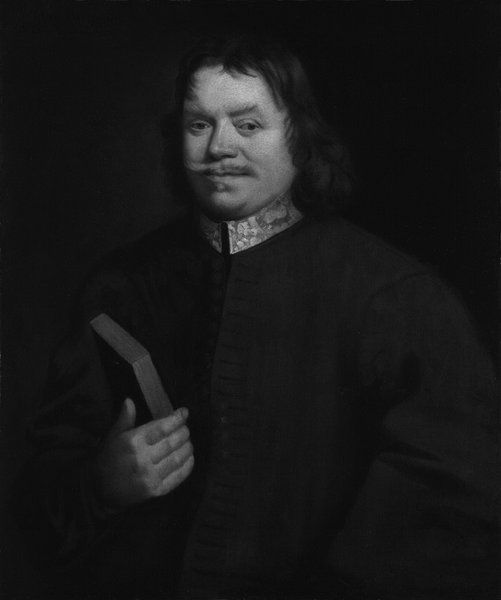 John Bunyan 1628–1688
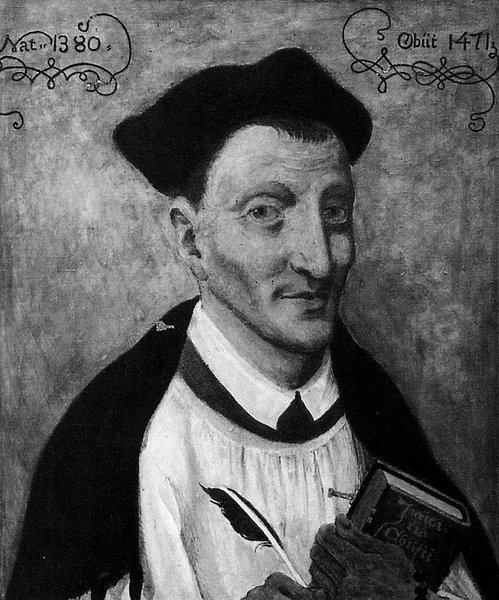 Thomas à Kempis 1380–1471
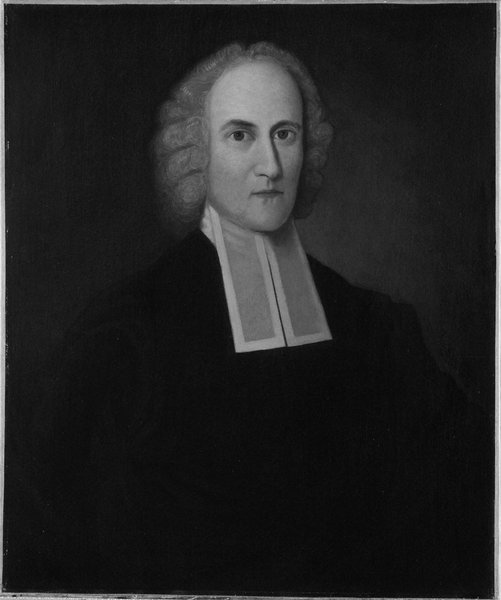 Jonathan Edwards 1703–1758
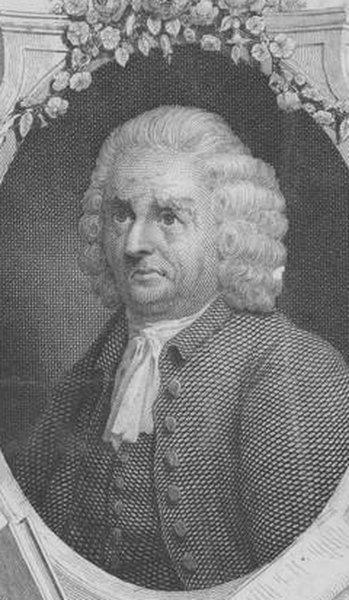 William Law 1686–1761
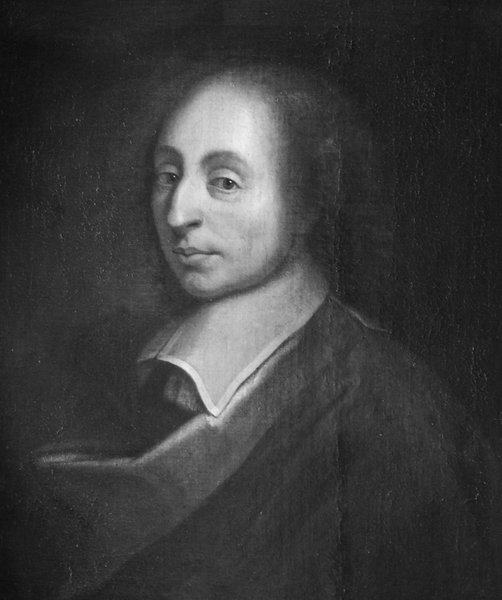 Blaise Pascal 1623–1662
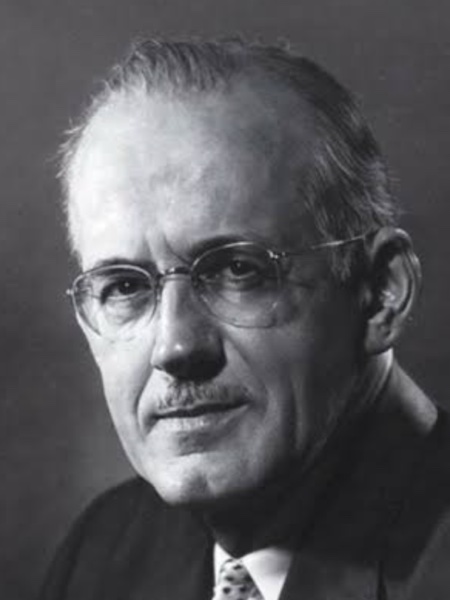 A. W. Tozer 1897–1963
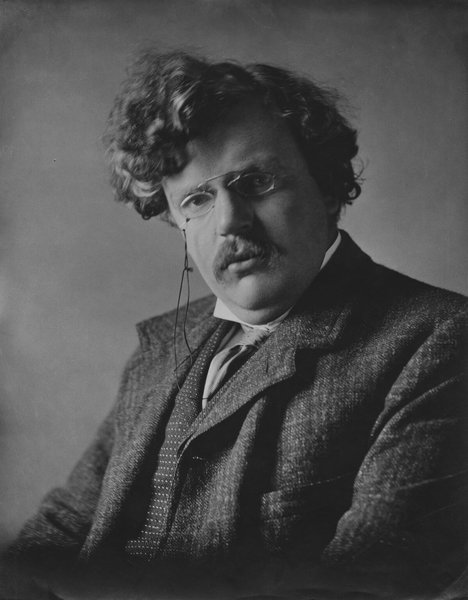 G. K. Chesterton 1874–1936
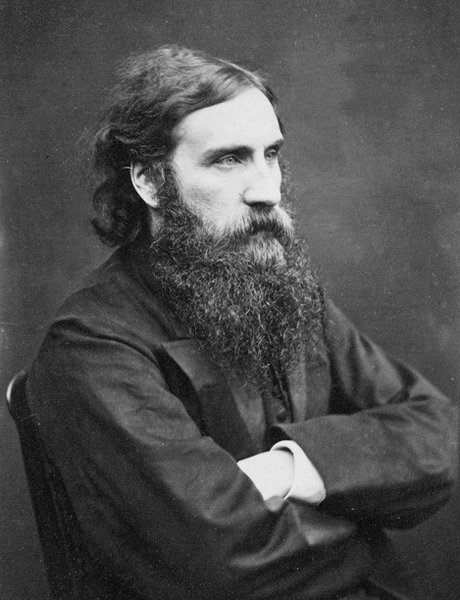 George MacDonald 1824–1905
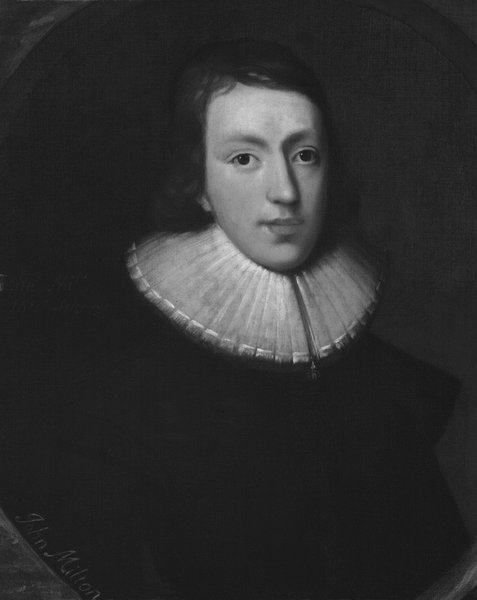 John Milton 1608–1674
 Julian of Norwich b. 1343
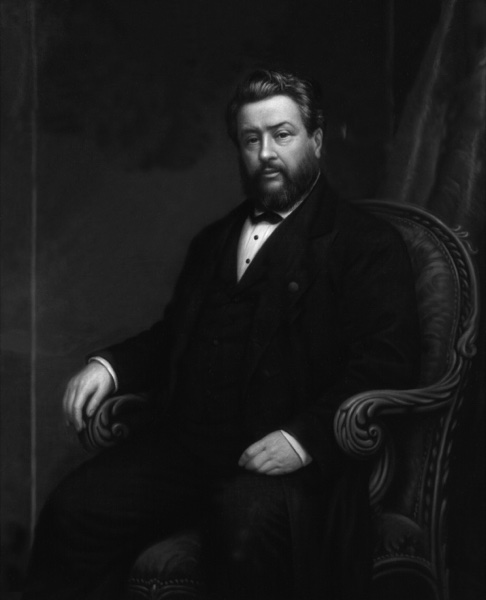 Charles H. Spurgeon 1834–1892
Questions and Answers
What is The Enduring Classics collection about?
It gathers the books that have walked with pilgrims for centuries — Augustine's confession, Bunyan's dream, the counsel of Thomas à Kempis — the old paths that are still good. Its keynote is Jeremiah 6:16, "ask for the old paths, where is the good way, and walk therein, and ye shall find rest for your souls": the shelf commends the tested and time-worn over the merely new.
Which works are included?
Among them are Augustine's "Confessions," the treatises of Cyprian, the first epistle of Clement, the epistles of Ignatius, Bunyan's "The Pilgrim's Progress," Thomas à Kempis's "The Imitation of Christ," Jonathan Edwards's "Freedom of the Will," and William Law's "A Serious Call" — a span from the early church to the eighteenth century.
What does Jeremiah 6:16 mean for the shelf?
"Stand ye in the ways, and see, and ask for the old paths, where is the good way, and walk therein" is the collection's whole argument — that wisdom is more often found by returning to the tested roads than by chasing novelty. It sets these classics not as museum pieces but as the good way still worth walking, promising rest to the soul that does.
What is Augustine's Confessions?
Written around 397, it is the first true autobiography in Western literature and still the most searching — Augustine telling his own story back to God as one long prayer, from a boyhood theft to the garden in Milan where his life turned. Its opening line has never been improved upon: that our heart is restless until it rests in God, which is the note the whole shelf sounds.
What is The Imitation of Christ?
Written in the 1420s and, after the Bible, the most widely read Christian book ever, Thomas à Kempis's four short books of counsel call the reader away from the noise of opinion and ambition into the inner life — humility, patience, silence, and a friendship with Christ that outlasts every consolation. It is a classic precisely because its sentences still read as though written this morning.
What voices from the early church are here?
The collection reaches back to the first Christian centuries with Clement of Rome's letter to Corinth (the earliest Christian writing outside the New Testament), the seven urgent letters Ignatius of Antioch wrote on his way to the arena, and the treatises of Cyprian of Carthage — the church, in its earliest generations, learning to live out the gospel and pass it on.
Where should a reader begin?
Bunyan's "The Pilgrim's Progress" is the most accessible entry, carrying the whole of Christian experience in story form; Augustine's "Confessions" rewards the reader who suspects their own motives; and "The Imitation of Christ" is best taken slowly, a short chapter at a time, as it was written to be.
Why read these old books today?
Because a book that has fed pilgrims for centuries has been tested in a way no new book can be, and these have not lost their power to search and steady the reader. Jeremiah's counsel holds: the old paths are still the good way, and the soul that walks them finds rest that novelty cannot give.