Book
The Imitation of Christ
Four Books of Counsel for the Inner Life
Other titles: De Imitatione Christi · Of the Imitation of Christ
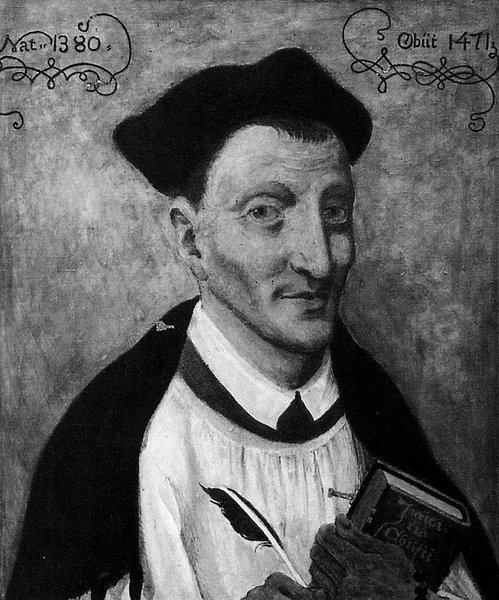
Thomas à Kempis · 1380–1471
- 115 chapters
- 4 hr 44 min read
- Moderate Reading difficulty
Free to read·No account needed
Foreword
Taking books where there’s no signal? See Ochorus for missionaries or chaplains
Grow with the story

Reader’s guide
About this book
Four short books of counsel on the inner life, written in a style closer to a notebook than a treatise: brief chapters, numbered paragraphs, sentences you can carry around for a day. Its single subject is the gap between knowing about God and following him — “I would rather feel contrition than know how to define it” is the whole book in a line.
It came out of the Devotio Moderna, a movement of communities in the Low Countries who thought the intellectual religion of the universities had lost its way and set about recovering a plain, practical devotion instead. That setting explains its suspicion of learning for its own sake, and its preoccupation with obedience, silence and small duties. Thomas à Kempis spent some seventy years in one house of the movement, copying manuscripts.
The fourth book is often a surprise: it leaves counsel behind and becomes a sustained meditation on the sacrament, in a dialogue between Christ and the soul. Readers who come for the aphorisms of book one sometimes stop before it; readers who go on find that the earlier counsel was pointed at it all along.
It has been read by more people, and more different kinds of people, than almost any Christian book outside the Bible — by monks, by soldiers, by Wesley, and by a good many who were not sure they believed any of it. It is also not a book to read straight through: it was assembled as material for meditation, a chapter at a time, and it goes flat when hurried.
HE WHO follows Me, walks not in darkness,” says the Lord (John 8:12). By these words of Christ we are advised to imitate His life and habits, if we wish to be truly enlightened and free from all blindness of heart. Let our chief effort, therefore, be to study the life of Jesus Christ.
Contents
- 1 Foreword 2 min
- 2 Imitating Christ and Despising All Vanities on Earth 2 min
- 3 Having a Humble Opinion of Self 2 min
- 4 The Doctrine of Truth 3 min
- 5 Prudence in Action 1 min
- 6 Reading the Holy Scripture 1 min
- 7 Unbridled Affections 1 min
- 8 Avoiding False Hope and Pride 1 min
- 9 Shunning Over-Familiarity 1 min
- 10 Obedience and Subjection 1 min
- 11 Avoiding Idle Talk 1 min
- 12 Acquiring Peace and Zeal for Perfection 3 min
- 13 The Value of Adversity 1 min
- 14 Resisting Temptation 3 min
- 15 Avoiding Rash Judgment 1 min
- 16 Works Done in Charity 1 min
- 17 Bearing with the Faults of Others 2 min
- 18 Monastic Life 1 min
- 19 The Example Set Us by the Holy Fathers 3 min
- 20 The Practices of a Good Religious 4 min
- 21 The Love of Solitude and Silence 4 min
- 22 Sorrow of Heart 3 min
- 23 Thoughts on the Misery of Man 4 min
- 24 Thoughts on Death 4 min
- 25 Judgment and the Punishment of Sin 4 min
- 26 Zeal in Amending our Lives 6 min
- 27 Meditation 4 min
- 28 Humility 1 min
- 29 Goodness and Peace in Man 2 min
- 30 Purity of Mind and Unity of Purpose 1 min
- 31 Ourselves 2 min
- 32 The Joy of a Good Conscience 2 min
- 33 Loving Jesus Above All Things 2 min
- 34 The Intimate Friendship of Jesus 3 min
- 35 Wanting No Share in Comfort 4 min
- 36 Appreciating God's Grace 3 min
- 37 Few Love the Cross of Jesus 2 min
- 38 The Royal Road of the Holy Cross 8 min
- 39 The Inward Conversation of Christ with the Faithful Soul 1 min
- 40 Truth Speaks Inwardly Without the Sound of Words 2 min
- 41 Listen Humbly to the Words of God. Many Do Not Heed Them 4 min
- 42 We Must Walk Before God in Humility and Truth 2 min
- 43 The Wonderful Effect of Divine Love 4 min
- 44 The Proving of a True Lover 3 min
- 45 Grace Must Be Hidden Under the Mantle of Humility 3 min
- 46 Self-Abasement in the Sight of God 2 min
- 47 All Things should be Referred to God as their Last End 1 min
- 48 To Despise the World and Serve God is Sweet 3 min
- 49 The Longings of our Hearts Must be Examined and Moderated 2 min
- 50 Acquiring Patience in the Fight Against Concupiscence 2 min
- 51 The Obedience of One Humbly Subject to the Example of Jesus Christ 2 min
- 52 Consider the Hidden Judgments of God Lest You Become Proud of Your Own Good Deeds 2 min
- 53 How One Should Feel and Speak on Every Desirable Thing 2 min
- 54 True Comfort Is to Be Sought in God Alone 1 min
- 55 All Our Care is to Be Placed in God 1 min
- 56 Temporal Sufferings Should Be Borne Patiently, After the Example of Christ 2 min
- 57 True Patience in Suffering 2 min
- 58 Confessing Our Weakness in the Miseries of Life 3 min
- 59 Above All Goods and All Gifts We Must Rest in God 4 min
- 60 Remember the Innumerable Gifts of God 3 min
- 61 Four Things Which Bring Great Peace 3 min
- 62 Avoiding Curious Inquiry About the Lives of Others 1 min
- 63 The Basis of Firm Peace of Heart and True Progress 2 min
- 64 The Excellence of a Free Mind, Gained Through Prayer Rather Than by Study 2 min
- 65 Self-Love is the Greatest Hindrance to the Highest Good 2 min
- 66 Strength Against Slander 1 min
- 67 How We Must Call upon and Bless the Lord When Trouble Presses 1 min
- 68 The Quest of Divine Help and Confidence in Regaining Grace 3 min
- 69 To Find the Creator, Forsake All Creatures 3 min
- 70 Self-Denial and the Renunciation of Evil Appetites 2 min
- 71 Restlessness of Soul—Directing Our Final Intention Toward God 1 min
- 72 God is Sweet Above All Things and in All Things to Those Who Love Him 2 min
- 73 There is No Security from Temptation in This Life 2 min
- 74 The Vain Judgments of Men 2 min
- 75 Pure and Entire Resignation of Self to Obtain Freedom of Heart 2 min
- 76 The Right Ordering of External Affairs; Recourse to God in Dangers 1 min
- 77 A Man Should Not Be Unduly Solicitous About His Affairs 1 min
- 78 Man Has No Good in Himself and Can Glory in Nothing 3 min
- 79 Contempt for All Earthly Honor 1 min
- 80 Peace is Not to Be Placed in Men 1 min
- 81 Beware Vain and Worldly Knowledge 2 min
- 82 Do Not Be Concerned About Outward Things 1 min
- 83 All Men Are Not to Be Believed, for It Is Easy to Err in Speech 3 min
- 84 Trust in God Against Slander 3 min
- 85 Every Trial Must Be Borne for the Sake of Eternal Life 2 min
- 86 The Day of Eternity and the Distresses of This Life 4 min
- 87 The Desire of Eternal Life; the Great Rewards Promised to Those Who Struggle 5 min
- 88 How a Desolate Person Ought to Commit Himself into the Hands of God 5 min
- 89 When We Cannot Attain to the Highest, We Must Practice the Humble Works 1 min
- 90 A Man Ought Not to Consider Himself Worthy of Consolation, But Rather Deserving of Chastisement 2 min
- 91 God's Grace Is Not Given to the Earthly Minded 2 min
- 92 The Different Motions of Nature and Grace 5 min
- 93 The Corruption of Nature and the Efficacy of Divine Grace 4 min
- 94 We Ought to Deny Ourselves and Imitate Christ Through Bearing the Cross 3 min
- 95 A Man Should Not Be Too Downcast When He Falls into Defects 2 min
- 96 High Matters and the Hidden Judgments of God Are Not to Be Scrutinized 6 min
- 97 All Hope and Trust Are to Be Fixed in God Alone 3 min
- 98 The Great Reverence with Which We Should Receive Christ 7 min
- 99 God's Great Goodness and Love is Shown to Man in This Sacrament 4 min
- 100 It Is Profitable to Receive Communion Often 3 min
- 101 Many Blessings Are Given Those Who Receive Communion Worthily 4 min
- 102 The Dignity of the Sacrament and of the Priesthood 2 min
- 103 An Inquiry on the Proper Thing to Do Before Communion 1 min
- 104 The Examination of Conscience and the Resolution to Amend 3 min
- 105 The Offering of Christ on the Cross; Our Offering 1 min
- 106 We Should Offer Ourselves and All That We Have to God, Praying for All 3 min
- 107 Do Not Lightly Forego Holy Communion 4 min
- 108 The Body of Christ and Sacred Scripture Are Most Necessary to a Faithful Soul 5 min
- 109 The communicant Should Prepare Himself for Christ with Great Care 2 min
- 110 With All Her Heart the Devout Soul Should Desire Union with Christ in the Sacrament 2 min
- 111 The Ardent Longing of Devout Men for the Body of Christ 2 min
- 112 The Grace of Devotion is Acquired Through Humility and Self-Denial 2 min
- 113 We Should Show Our Needs to Christ and Ask His Grace 2 min
- 114 The Burning Love and Strong Desire to Receive Christ 3 min
- 115 Man Should Not Scrutinize This Sacrament in Curiosity, But Humbly Imitate Christ and Submit Reason to Holy Faith 2 min
Questions and Answers
What is The Imitation of Christ?
It is four short books of counsel on the inner life, written in the 1420s for young monks at Mount St Agnes and circulated at first without a name on it. After the Bible it became the most widely read Christian book ever written. The style is closer to a notebook than a treatise — brief chapters, numbered paragraphs, and sentences plain enough to carry around for a day.
What is the book's single subject?
Its one theme is the gap between knowing about God and actually following him. One line holds the whole book: "I would rather feel contrition than know how to define it." Thomas à Kempis is suspicious of learning pursued for its own sake, and turns the reader again and again away from opinion and ambition toward humility, obedience, silence, and the small duties of an ordinary day.
What movement produced it?
It came out of the Devotio Moderna, a movement of communities in the Low Countries who believed the intellectual religion of the universities had lost its way and set about recovering a plain, practical devotion instead. That setting explains the book's distrust of cleverness and its preoccupation with obedience, silence, and faithfulness in small things — devotion meant to be practised, not merely discussed.
Who was Thomas à Kempis?
Thomas à Kempis spent some seventy years in a single house of the Devotio Moderna, copying manuscripts. His life was almost entirely hidden and uneventful by worldly measure, which is fitting for a book that prizes obscurity and inwardness over reputation. That long, quiet fidelity in one place is itself an argument for the way of life the book commends.
What is different about Book III?
Book III turns from counsel into a dialogue in which Christ speaks and the disciple answers. The change of form draws the reader from reading about the inner life into something nearer to prayer, as the soul is addressed directly and given words to reply. It is the longest of the four books and, for many readers, the heart of the work.
What is Book IV about?
Book IV leaves general counsel behind and becomes a sustained meditation on the sacrament of the Lord's Table, again in a dialogue between Christ and the soul. Readers who come only for the aphorisms of the first book sometimes stop before it; those who go on find that the earlier counsel was pointed toward it all along, as preparation for that meeting.
Who has read The Imitation of Christ?
It has been read by more people, and more different kinds of people, than almost any Christian book outside the Bible — by monks and by soldiers, by John Wesley, and by a great many who were not sure they believed any of it. Its plainness lets it cross the lines of era, station and even conviction that stop most devotional books.
How is the book best read?
Not straight through. It was assembled as material for meditation, a chapter at a time, and it goes flat when hurried. The reward comes from taking a short chapter slowly and letting a single sentence stay with you through the day — the pace the book was built for, and the reason its lines still read as though written this morning.
Read in your language
More like this





Jakob Alt, “View of the Cloister of San Giovanni in Laterano, Rome” (1836). The Cleveland Museum of Art, CC0.
Cite this book
Copy a citation in the style you need.
- MLA
- Thomas à Kempis. The Imitation of Christ. Ochorus, https://ochorus.com/books/the-imitation-of-christ/.
- Chicago
- Thomas à Kempis. The Imitation of Christ. Ochorus. https://ochorus.com/books/the-imitation-of-christ/.
- Chicago footnote
- Thomas à Kempis, The Imitation of Christ (Ochorus), https://ochorus.com/books/the-imitation-of-christ/.
- BibTeX
- @book{thomasakempisimitation, author = {Thomas à Kempis}, title = {{The Imitation of Christ}}, publisher = {Ochorus}, url = {https://ochorus.com/books/the-imitation-of-christ/} }