Voices of the Early Church
The faith of the first centuries in its own words — Augustine's heart laid bare, Athanasius on the Word made flesh, and the letters of martyrs and shepherds.
Leading others through this? See Ochorus for Bible colleges
We also are compassed about with so great a cloud of witnesses.
Books


Authors
Questions and Answers
What is the Voices of the Early Church collection about?
It gathers the faith of the first centuries in its own words — Augustine's heart laid bare, Athanasius on the Word made flesh, and the letters of martyrs and shepherds. Its keynote is Hebrews 12:1, "We also are compassed about with so great a cloud of witnesses": the shelf lets the reader hear the church's earliest generations speak for themselves, as witnesses whose testimony still surrounds and steadies those who come after.
Which works are included?
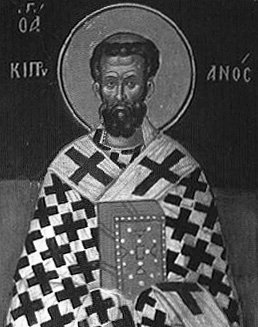
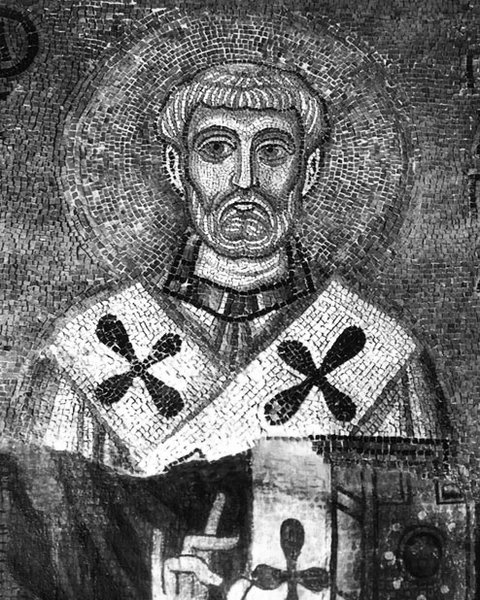
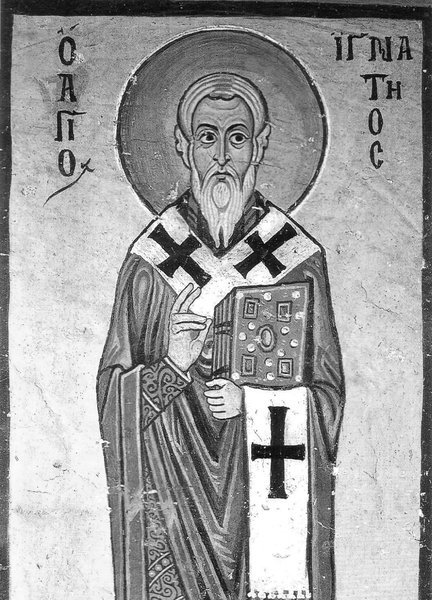
Among them are Augustine's "Confessions" and "Enchiridion," Athanasius's "On the Incarnation," Athanasius's "Life of Antony," John Chrysostom's "On the Priesthood," the treatises of Cyprian of Carthage, the first epistle of Clement of Rome, and the epistles of Ignatius of Antioch — a span from the apostolic age to the great fourth-century fathers.
What does Athanasius's On the Incarnation teach?
Written by Athanasius as a young man, it sets out why God became man, in the line the Greek church has never stopped quoting: "He was made man that we might be made God" — meaning that God came the whole way down, took a real body, and died a real death so that creatures might share the life of God. It brings to the shelf the church's foundational confession that Jesus Christ is truly God.
What early letters are preserved here?
The earliest voices of all: Clement of Rome's letter to Corinth — the earliest Christian writing outside the New Testament — and the seven urgent letters Ignatius of Antioch wrote on his way to be killed in the arena at Rome. They let the reader hear a pastor in the generation after the apostles, and a bishop weeks from martyrdom, speaking to churches they loved.
What does Hebrews 12:1 mean for the shelf?
"We also are compassed about with so great a cloud of witnesses" frames the whole collection — the early Christians not as distant historical figures but as witnesses whose faith surrounds the reader and calls him on. It sets these ancient texts as living testimony, part of the great company whose example encourages those still running the race.
What does the shelf preserve of the desert and the pulpit?
Athanasius's "Life of Antony" carries the monastic ideal of the Egyptian desert — the book that reached a garden in Milan and helped turn Augustine; and Chrysostom's "On the Priesthood" is the early church's most searching book on pastoral ministry. Together with Cyprian's treatises, they show the early church at prayer, in the desert, and in the care of souls.
Where should a reader begin?
Augustine's "Confessions" is the most accessible and moving entry, a soul's story told back to God; Athanasius's "On the Incarnation" is short and foundational; and Clement's and Ignatius's letters give the plain voice of the very first generations. Together they open the world of the early church from the inside.
Why read these ancient voices today?
Because a faith that has been believed for two thousand years is best understood by hearing its earliest witnesses, and these writers faced the same questions — about Christ, the church, suffering, and prayer — with a directness later ages rarely match. Hebrews' image holds: they are a cloud of witnesses, and their testimony still surrounds and strengthens the reader.