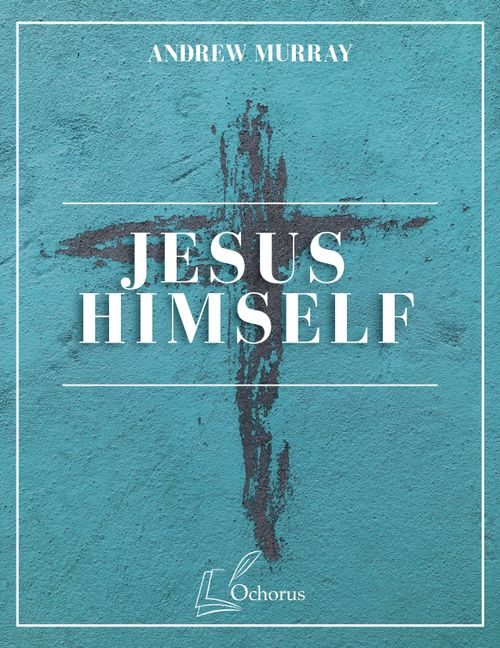
If you have ever prayed and heard only silence, or set out to seek God and found your own restlessness getting in the way, Andrew Murray wrote Waiting on God for you. It is a small book with a single, steadying claim: that the deepest need of the Christian life is not more effort but more of God, and that the way we come to have more of God is by learning, day after day, simply to wait on Him. This study guide walks through what the book is, how it is built, the themes that run under all thirty-one readings, who will be helped by it, and how to read it well today. The full text is free to read here on Ochorus, so treat this as a companion to open alongside Waiting on God itself.
What the book is, and Murray’s aim
Waiting on God is a set of thirty-one short daily meditations, one for each day of a month, each built on a single verse of Scripture and each closing with the same whispered refrain: “My soul, wait thou only upon God!” Andrew Murray, the South African pastor and author of more than two hundred books on the deeper Christian life, did not sit down to write a treatise. He wrote these readings after discovering, in his own praying and in conversation with others, how deeply the one thought — that in all our religion, personal and public, we simply need more of God — met an answering hunger in the people around him.
His aim is pastoral, not academic. He wants to cure a particular disease of the soul: the tendency to be busy for God while starving of God, to seek His gifts while forgetting to seek Himself. Waiting, in Murray’s hands, is not passivity and not merely biding time until an answer arrives. It is the active, humble, expectant turning of the whole person toward God as the one source of every good — the posture the Psalmist takes when he says, “My soul waiteth only upon God; from Him cometh my salvation” (Psalm 62:1). Murray’s whole burden is to make that posture a daily habit rather than an occasional crisis.
How the book is structured
The shape is simple and deliberate. There are thirty-one numbered readings, one a day, so that a reader can move through the entire book in a single month and then, Murray hopes, begin again. Each day follows the same pattern: a verse of Scripture at the head, a few pages of unhurried reflection on one facet of waiting, and then the recurring closing prayer that gathers the day’s thought back into worship.
What keeps the repetition from growing stale is that each day takes a different angle on the one theme. Murray waits for supplies, for instruction, and for God’s counsel; he waits patiently, quietly, continually, and in holy expectancy; he learns to wait in times of darkness, in humble fear and hope, and even upon “the God that waits on us.” The early readings lay the foundation — the God of our salvation, waiting as the keynote of life, the true place of the creature before its Creator — and the later ones turn from the individual soul outward to the whole Church, to redemption, and to the coming of Christ. Because every reading is self-contained, the book carries no burden of remembering an argument from one chapter to the next; you can miss a day and lose nothing.
The central themes
Underneath the thirty-one variations, a few great convictions hold the book together.
Dependence is the creature’s true place
Murray’s foundation is that waiting on God is not a special spiritual technique but the most natural thing in creation. Reflecting on Psalm 104, where the birds and beasts all look to God for their food in due season, he draws out the pattern for us:
‘These all wait upon Thee, that thou mayest give.’ It is God who gives all: let this faith enter deeply into our hearts… waiting on God, unceasing and entire dependence upon Him, is, in heaven and earth, the one only true religion, the one unalterable and all-comprehensive expression for the true relationship to the ever-blessed One in whom we live.
Andrew Murray
To wait, then, is simply to take our proper place — the place of a creature who has nothing in itself and receives everything from the hand of God.
Seek the Giver, not only the gift
A second theme runs through nearly every reading: the danger of wanting God’s help while overlooking God Himself. Murray keeps pressing us past our list of requests toward the Person behind them. Waiting, for him, is where prayer is purified of its self-interest.
Seek not only the help, the gift, you need; seek Himself; wait for Him. Give God His glory by resting in Him, by trusting him fully, by waiting patiently for Him. This patience honors Him greatly; it leaves Him, as God on the throne, to do His work; it yields self wholly into His hands. It lets God be God.
Andrew Murray
This is the quiet correction the book keeps administering. We come to God with a need and a deadline; Murray gently turns us around until the answer we are most eager for is God Himself. The gift, when it comes, is then received from a heart already at rest in the Giver.
Patience, quietness, and stillness
Because we are impatient creatures, Murray gives whole days to the slow graces. He rests his day on patience in Psalm 37:7 — “Rest in the Lord, and wait patiently for Him” — reminding us that God bears long with our slowness as a farmer waits for ripening fruit. He devotes another day to quietness, drawing on Lamentations 3:26, “It is good that a man should both hope and quietly wait for the salvation of the Lord,” and on the awe of Habakkuk 2:20, “The Lord is in His holy temple; let all the earth keep silence before Him.” The point is not that God is slow, but that our hurry blinds us to what He is already doing.
Waiting in the dark
Murray does not pretend the life of faith is always sunlit. One of the book’s most tender readings takes up Isaiah 8:17 — “I will wait upon the Lord, that hideth His face from the house of Jacob; and I will look for Him” — and teaches the reader to keep waiting even when God seems hidden. And he balances every demand on us with the astonishing promise of Isaiah 30:18, that God Himself waits to be gracious, so that our waiting on God is only the answer to His prior waiting on us. For Murray this reverses the whole mood of the discipline: waiting is not a lonely vigil in which we hope to wear God down, but a keeping of company with a God who is already leaning toward us in mercy.
Who should read it
This book meets several kinds of readers where they are. It is for the weary and the busy — those who sense that their activity for God has outrun their fellowship with Him, and who need permission to stop striving and start receiving. It is for the discouraged in prayer, who have asked and waited and wondered whether God hears; Murray reframes the waiting itself as the answer God is working out. It is for anyone new to a devotional habit, because the month-long, one-page-a-day design is about as gentle an on-ramp to daily meditation as exists. And it is for seasoned believers who want their prayer life deepened rather than merely maintained — readers who already pray but suspect they have been seeking gifts more than the Giver.
Because it dwells so much in the Psalms and prophets, it also rewards anyone who wants to pray the Scriptures rather than merely read them. Murray hands you a verse each day and shows you how to turn it into worship.
How to read it today
The book was engineered for a particular way of reading, and it repays honoring that design. A few suggestions:
- Take one reading a day, and no more. The temptation is to read several at once because each is short. Resist it. The repetition of the closing prayer — “My soul, wait thou only upon God!” — is meant to be said thirty-one times across a month, until it becomes your own reflex.
- Begin with the verse, not with Murray. Read the day’s Scripture first, slowly, before reading the meditation. Let the text land before the commentary shapes it.
- End where Murray ends — in prayer. Do not close the book at the last paragraph. Pray the closing line back to God, and stay quiet a moment. Murray himself, in his silent years, prayed the final lines of his meditations aloud before writing them down; the readings were born in prayer and are meant to end there.
- Read it as a month you can repeat. Murray designed thirty-one readings on purpose. Many readers find the second and third passes through the month more fruitful than the first, as the habit of waiting slowly displaces the habit of hurry.
- Let the whole day carry it. One reading closes with Hosea 12:6, “wait on thy God continually,” and Murray insists this is possible even amid the duties of ordinary life. Carry the morning’s verse into the day’s work and return to it.
If the book stirs a hunger for more, it opens naturally onto Murray’s other writings on the same theme. His The Inner Chamber takes up the secret place of prayer that Waiting on God assumes, and Absolute Surrender presses the note of full dependence that sounds through every reading here. You can find these and the rest on the Andrew Murray author page.
For reflection
Whether you are reading alone or with a group, these questions can turn the book from information into practice:
- Murray warns against seeking God’s gifts more than God Himself. Where in your own prayers do you notice that pattern — and what would it look like to seek the Giver first?
- Which is harder for you: waiting patiently, waiting quietly, or waiting in times of darkness when God seems hidden? Why do you think that is?
- Murray calls dependence “the true place of the creature.” Where are you still trying to originate or sustain your own spiritual life by effort rather than receiving it from God?
- Isaiah 30:18 says God waits to be gracious to us. How does it change your praying to believe that God is waiting on you before you begin to wait on Him?
- What would it take for the daily line “My soul, wait thou only upon God!” to become a genuine reflex in your life rather than a phrase on a page?
Start today with the first reading, and let the month do its slow work. The whole text of Waiting on God is free to read on Ochorus.