Grace & Comfort
The unfailing grace of God and his comfort in every trial — good news for the weary.
Leading others through this? See Ochorus for chaplains
My grace is sufficient for thee: for my strength is made perfect in weakness.
Sermons
 Sermon Free Grace Sermon The Immutability of God Sermon Sweet Comfort for Feeble Saints Sermon Comfort for the Desponding Sermon Consolation in the Furnace
 Sermon Comfort Ye My People
 Sermon Blessed Adversity Sermon If God Be for Us
 Sermon No One Can Harm the Man Who Does Not Injure Himself
 Sermon Every Man's Need of a Refuge
 Sermon Rest Sermon Songs in the Night Sermon The Sweet Uses of Adversity Sermon Under the Shepherd's Care
 Sermon Safety, Fulness, and Sweet Refreshment in Christ
 Sermon The Appearing of the Grace of God
 Sermon Grace and Truth Sermon Eight "I Wills" of Christ Sermon Against Eutropius
 Sermon Enduring Persecution for Christ Sermon God Glorified in Man's Dependence Sermon The Greatest Sentence That Was Ever Written
 Sermon The Boundless Sufficiency Sermon The School of Faith Sermon The Practical Discipline of Life Sermon Grace Abounding Sermon More Than Conquerors
Books











Articles







Authors
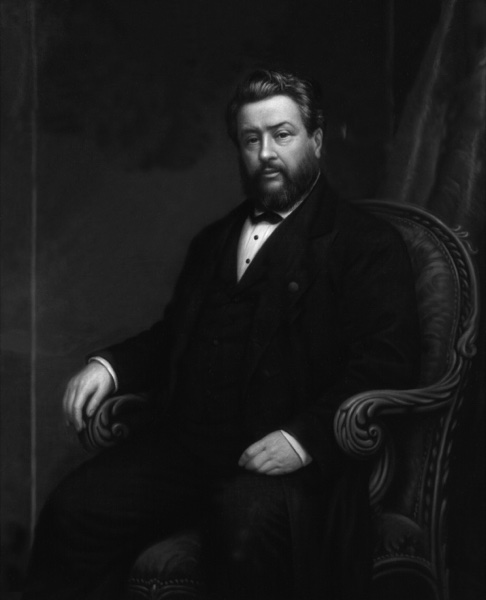
Charles H. Spurgeon 1834–1892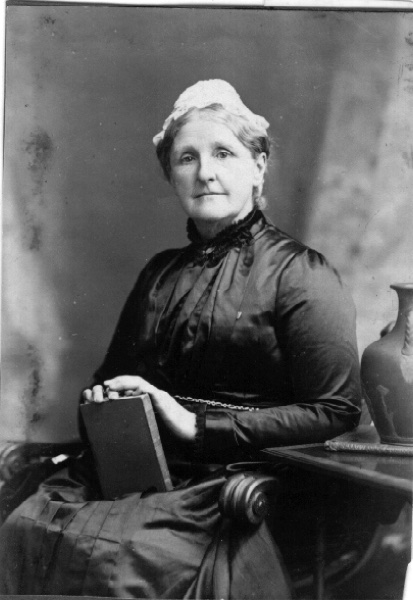 Hannah Whitall Smith 1832–1911
 Gareth Evans b. 1938 Dwight L. Moody 1837–1899
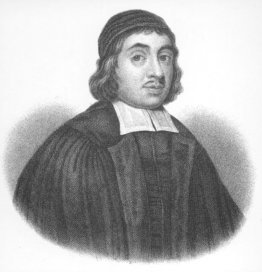 Thomas Watson 1620–1686OO Ochorus Originals
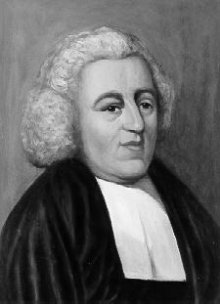
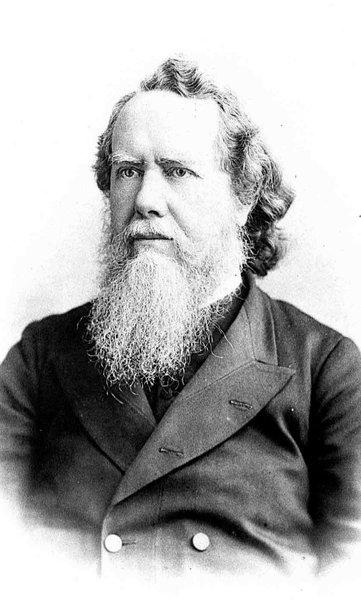
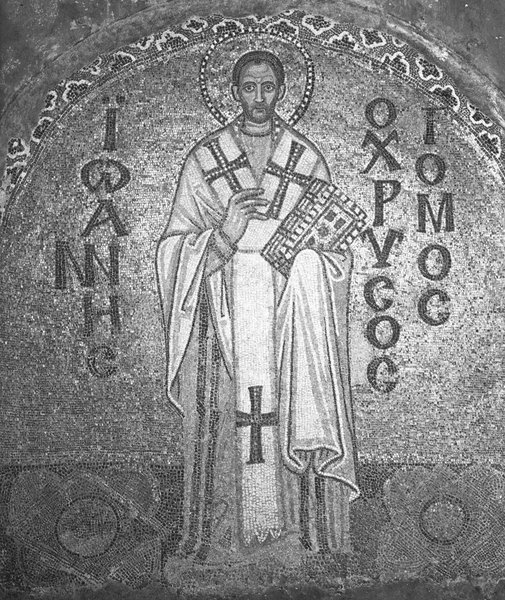
 Julian of Norwich b. 1343 John Newton 1725–1807 Hudson Taylor 1832–1905 John Chrysostom 347–407 R. A. Torrey 1856–1928 Jonathan Edwards 1703–1758 Martin Luther 1483–1546 Alexander Maclaren 1826–1910 John Calvin 1509–1564 A. B. Simpson 1843–1919
Questions and Answers
What is the Grace & Comfort collection about?
It gathers books on the unfailing grace of God and His comfort in every trial — good news for the weary, the failing, and the afflicted. Its keynote is 2 Corinthians 12:9, "My grace is sufficient for thee: for my strength is made perfect in weakness": the shelf's whole burden is that grace is not earned by the strong but given to the weak, and that God's comfort meets His people precisely at the point of their need.
Which works are included?
Among them are Spurgeon's "All of Grace," Hannah Whitall Smith's "The God of All Comfort" and "The Unselfishness of God," Andrew Murray's "The Way to God," and Thomas Watson's "All Things for Good" — works written to steady the anxious and lift the discouraged with the plain assurance of grace.
What does the shelf teach about grace?
That it is all of God and none of us — that God justifies the ungodly, and that salvation is a free gift received by faith, not a wage earned by improvement. Spurgeon's "All of Grace" is the clearest statement: if any part of salvation depended on the reader's worthiness, the reader would be lost, which is precisely why grace must be free from first to last.
What does it offer the suffering and the weary?
Comfort that is honest rather than sentimental. Thomas Watson's "All Things for Good" — written the year after he was ejected from his living — argues from Romans 8:28 that the very providences which seem to wreck a life are, in God's hands, working together for the believer's good, like poisons tempered by an apothecary's skill into a sovereign medicine.
What does 2 Corinthians 12:9 mean for these books?
"My grace is sufficient for thee: for my strength is made perfect in weakness" is the shelf's promise that God's grace does not wait for us to be strong but is proved most fully where we are weakest. It reframes affliction and failure not as evidence of God's absence but as the very place His sustaining grace is displayed.
Who was Hannah Whitall Smith, and what does she add?
A nineteenth-century American Quaker writer whose "The God of All Comfort" and "The Unselfishness of God" turn again and again to the character of God as the ground of a settled peace. Her counsel to the anxious is to look away from their own frames and feelings to the unchanging goodness of the God who loves them — a happiness rooted not in circumstances but in Him.
Where should a reader begin?
Spurgeon's "All of Grace" is the place to start for the free offer of the gospel; Hannah Whitall Smith's "The God of All Comfort" for the weary heart; and Thomas Watson's "All Things for Good" for anyone facing a providence they cannot understand. Together they move from the grace that saves to the grace that sustains.
Why read these books today?
Because weakness, weariness, and grief are not solved but only sharpened by a religion of effort, and these writers offer the opposite — a grace that meets the reader exactly where strength runs out. Tested by their own authors' hard losses, they press one message on the discouraged: that God's grace is sufficient, and His comfort real, in every trial.