Revival & Missions
Lives poured out for the gospel, and seasons of awakening — fuel for a burning heart.
Leading others through this? See Ochorus for missionaries
O Lord, revive thy work in the midst of the years, in the midst of the years make known.
Books










Sermons
Articles



Authors
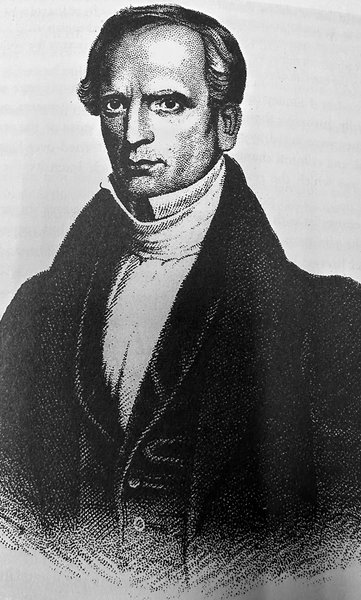 Charles G. Finney 1792–1875
 David Brainerd 1718–1747
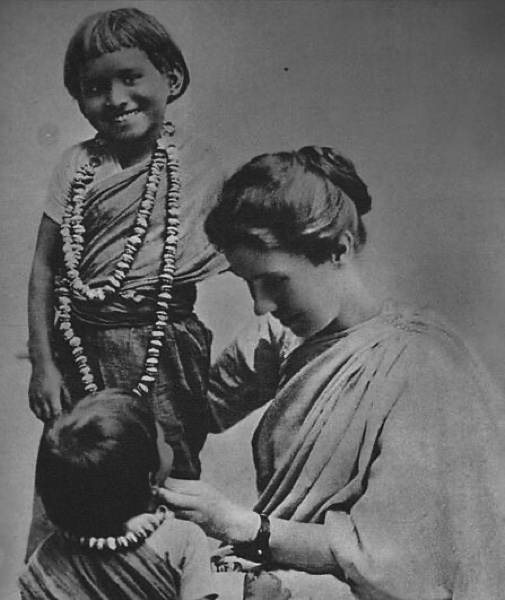 Amy Carmichael 1867–1951
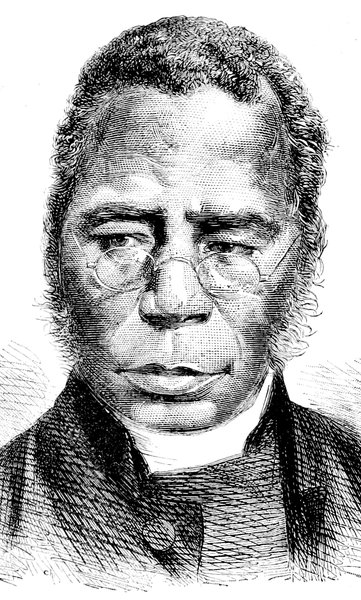 Samuel Ajayi Crowther 1809–1891
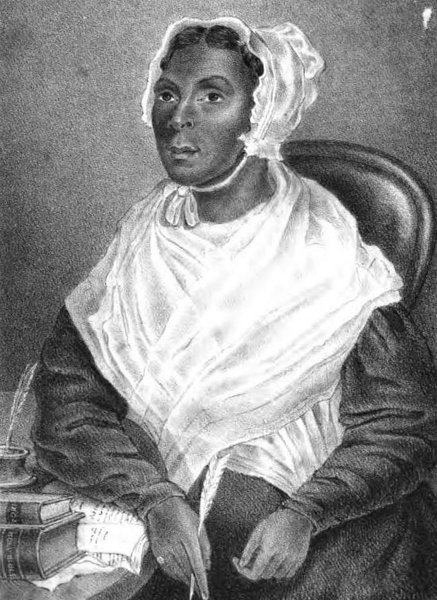 Jarena Lee 1783–1864
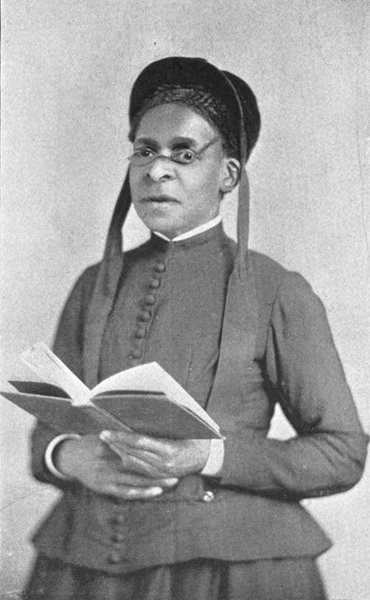 Julia A. J. Foote 1823–1900
 Zilpha Elaw 1790–1873OO Ochorus Originals
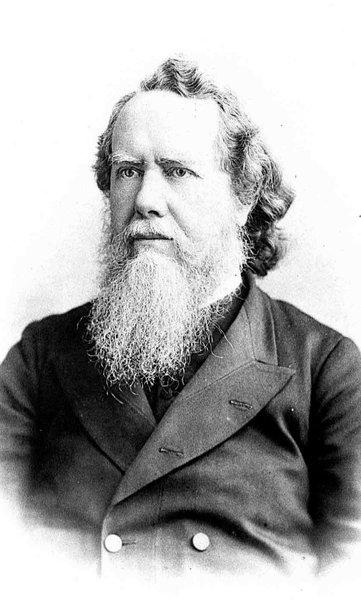 Hudson Taylor 1832–1905
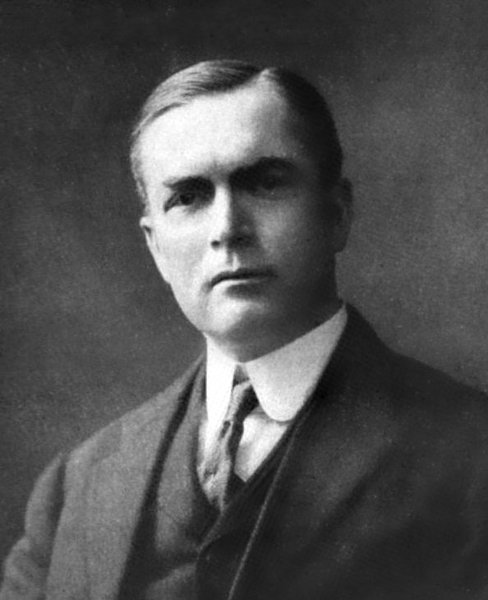 John R. Mott 1865–1955
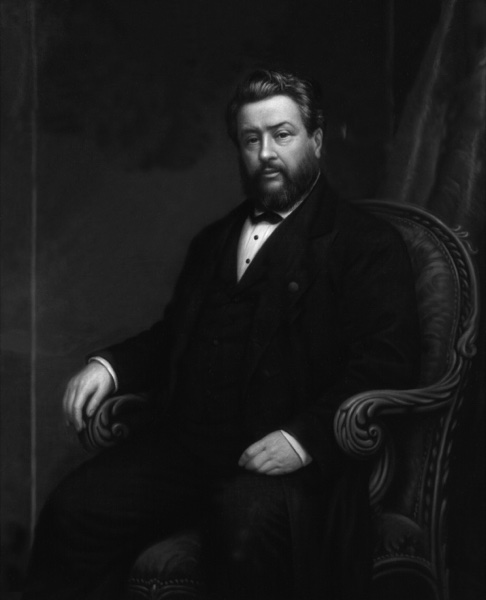 Charles H. Spurgeon 1834–1892
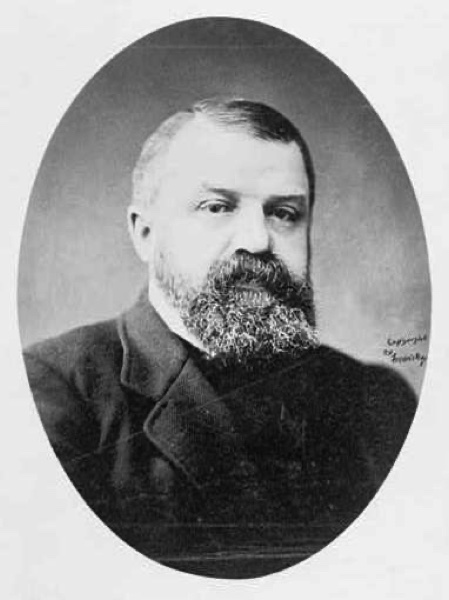 Dwight L. Moody 1837–1899
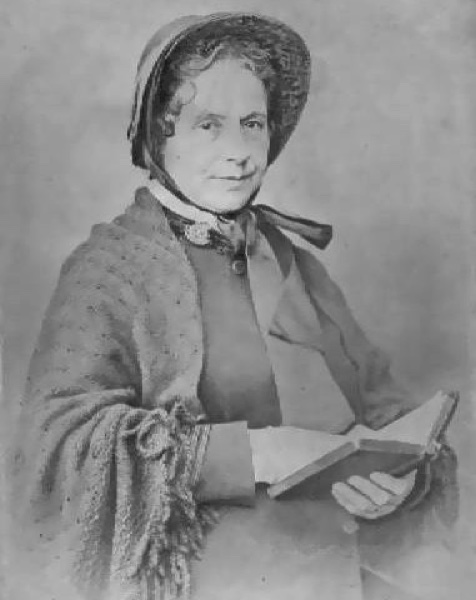 Catherine Booth 1829–1890
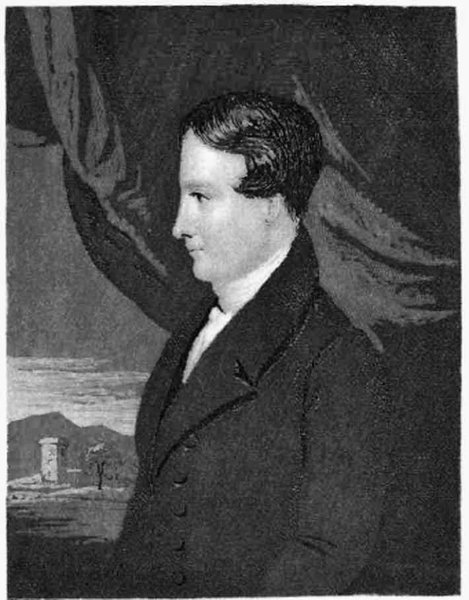 Robert Murray M’Cheyne 1813–1843
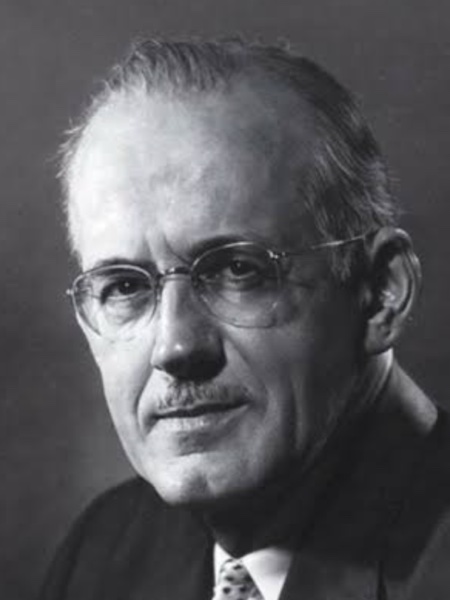 A. W. Tozer 1897–1963
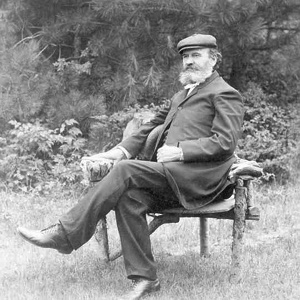 A. B. Simpson 1843–1919
Questions and Answers
What is the Revival & Missions collection about?
It gathers the lives poured out for the gospel and the seasons of awakening God has sent — fuel for a burning heart. Its keynote is Habakkuk 3:2, "O Lord, revive thy work in the midst of the years": the shelf holds both the prayer for revival and the record of what it costs and produces, in the diaries of missionaries and the lectures of revivalists.
Which works are included?
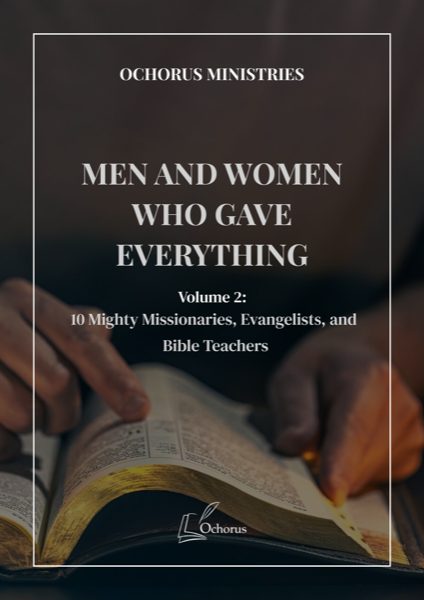
Among them are Charles Finney's "Revival Lectures," "The Life and Diary of David Brainerd," Amy Carmichael's "Things as They Are," the journal of an expedition up the Niger, Amanda Berry Smith's autobiography ("A Brand Plucked from the Fire"), and collections of the lives of men and women who gave everything for the gospel.
What does the shelf teach about revival?
That it is God's work to send — "revive thy work" — yet sought through prayer, humbling, and the plain preaching of the gospel. Finney's "Revival Lectures" argue that revival follows the right use of God-given means, while Brainerd's diary shows the hidden intercession behind an awakening; together they hold the mystery and the labour side by side.
What is David Brainerd's place here?
"The Life and Diary of David Brainerd," published by Jonathan Edwards, is one of the most influential missionary memoirs ever written — the record of a young man who prayed to exhaustion among the Native peoples of colonial America and saw, shortly before his early death, a remarkable awakening at Crossweeksung. It has sent more people to the mission field than the biographies of a hundred famous preachers.
What kind of missionary lives does it hold?
Costly ones, told plainly. Amy Carmichael's "Things as They Are" refused to romanticise the mission field for readers who preferred a prettier picture; Amanda Berry Smith's autobiography records a freed slave's evangelism across four continents; and the collections of those who "gave everything" gather many such lives — poured out, often unheralded, for the sake of the gospel among the unreached.
What does Habakkuk 3:2 mean for the shelf?
"O Lord, revive thy work in the midst of the years, in the midst of the years make known" is the prayer under the whole collection — a cry that God would do again, in the reader's own dry season, what He has done before. It sets revival not as something the church manufactures but as something it begs for, and it ties the books of awakening to the books of mission as one work.
Where should a reader begin?
Brainerd's diary is the classic entry, both moving and searching; Finney's "Revival Lectures" set out the case that revival can be prayed and worked toward; and Amy Carmichael's "Things as They Are" gives the honest cost of the mission field. Together they stir the heart and count the price at once.
Why read these books today?
Because a burning heart is kindled less by argument than by example, and these are the examples — men and women who staked everything on the gospel, and seasons when God came down in power. They answer the reader's own coldness not with a technique but with a summons: to pray "revive thy work," and to give what cannot be kept for what cannot be lost.