Saints of the African Diaspora
The gospel carried in Black voices — Richard Allen and the freeborn preachers, the holiness women who would not be silenced, and Crowther on the Niger.
Leading others through this? See Ochorus for African churches
Princes shall come out of Egypt; Ethiopia shall soon stretch out her hands unto God.
Books







Authors
Questions and Answers
What is the Saints of the African Diaspora collection about?
It gathers the gospel carried in Black voices — Richard Allen and the freeborn preachers, the holiness women who would not be silenced, and Samuel Crowther on the Niger. Its keynote is Psalm 68:31, "Ethiopia shall soon stretch out her hands unto God": the shelf honours a stream of the church often overlooked, in the words of those who preached and suffered and gave themselves within it.
Which works are included?
Among them are Richard Allen's "The Life Experience and Gospel Labours," Jarena Lee's "Religious Experience and Journal," Julia Foote's "A Brand Plucked from the Fire," Amanda Berry Smith's autobiography, and the journal of Samuel Crowther's expedition up the Niger — the testimonies of Black preachers, evangelists, and missionaries in their own words.
Who was Richard Allen?
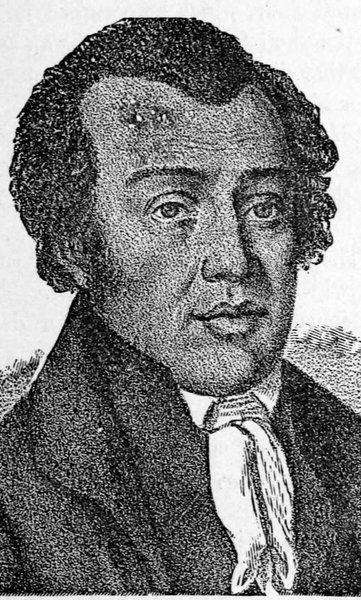
Born a slave in Philadelphia, Richard Allen bought his freedom, became a pioneering preacher, and after the humiliation of segregated seating at St George's founded the independent Bethel church and, in 1816, the African Methodist Episcopal Church — the first fully independent Black denomination in America, of which he became the first bishop. His "Life Experience and Gospel Labours" tells his own story.
Which women's voices does the shelf carry?
The holiness women who would not be silenced: Jarena Lee, the first woman authorized to preach in the AME Church, who travelled thousands of miles proclaiming the gospel; Julia Foote, excommunicated for preaching as a woman and later the first woman ordained a deacon in the AME Zion Church; and Amanda Berry Smith, born a slave and become an evangelist across four continents.
What does Psalm 68:31 mean for the shelf?
"Princes shall come out of Egypt; Ethiopia shall soon stretch out her hands unto God" is the promise under the whole collection — long read as a pledge that Africa and its peoples would come to God. It sets these lives not as exceptions but as the fulfilment of an ancient word, and it gave hope and dignity to generations who claimed it as their own.
Who was Samuel Crowther?
Samuel Ajayi Crowther was a Yoruba man, enslaved as a boy and freed by a British anti-slavery squadron, who became the first African Anglican bishop and a pioneer missionary and translator on the Niger. His journal of the Niger expedition brings to the shelf the gospel carried back into Africa by an African, and the beginnings of a Christianity rooted in its own soil and languages.
Where should a reader begin?
Amanda Berry Smith's autobiography is a gripping testimony of faith and hardship across four continents; Richard Allen's "Life Experience and Gospel Labours" tells the founder's own story; and Jarena Lee's and Julia Foote's journals record women who preached against every obstacle. Together they open a stream of the church's life too often left out.
Why read these books today?
Because the gospel has always been carried by more voices than the familiar histories record, and these testimonies — of freed slaves, of women forbidden the pulpit, of the first African bishop — show grace laying hold of the despised and using them mightily. Psalm 68:31 holds: Ethiopia has stretched out her hands to God, and these are the saints who proved it.