- 13 chapters
- 1 hr 3 min read
- Moderate Reading difficulty
Free to read·No account needed
Introduction: The Secret of Those Who Shook the World
Taking books where there’s no signal? See Ochorus for missionaries or chaplains
About this book
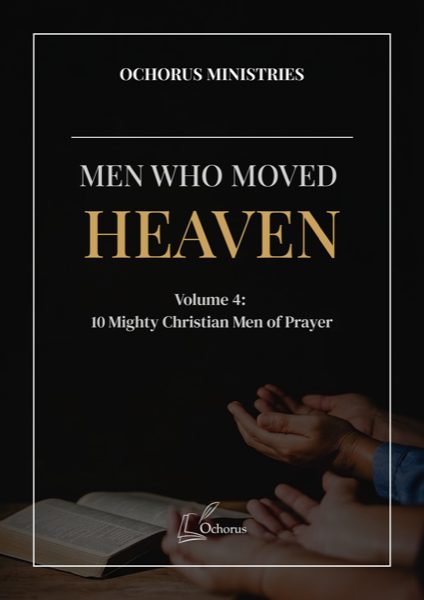
Ever wondered how men shifted the course of history without earthly wealth or worldly power? This book reveals their secret: the engine of prayer. From Spurgeon’s “boiler room” to George Müller’s miracles, discover how these warriors moved the hand of God. If you hunger for a faith that transcends the surface, let these legends mentor you in the art of intercession.
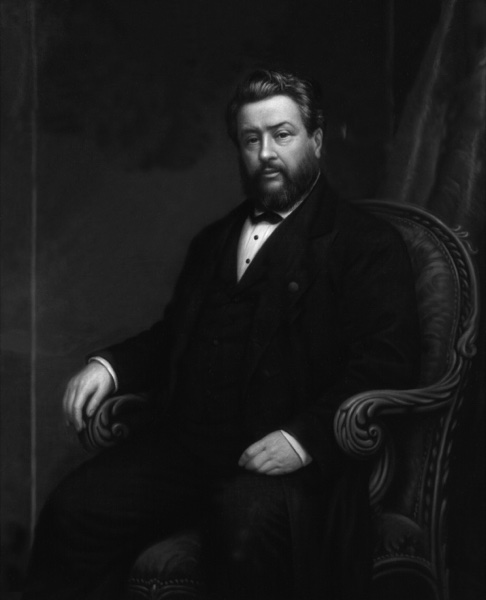
Charles Haddon Spurgeon was born on June 19, 1834, in Kelvedon, Essex, England, the son and grandson of Independent ministers whose Puritan library shaped his theological imagination from boyhood. He was converted at fifteen in a snowstorm in Colchester and preaching to packed houses before he turned seventeen.
Contents
- 1 Introduction: The Secret of Those Who Shook the World 5 min
- 2 Charles Spurgeon — The Prince of Preachers Who Prayed 5 min
- 3 Andrew Murray — The Shepherd Who Taught the Church to Pray 5 min
- 4 Rees Howells — The Intercessor Who Fought Wars on His Knees 5 min
- 5 Hudson Taylor — The Man Who Moved God by Prayer Alone 5 min
- 6 E. M. Bounds — The Apostle of Prayer 4 min
- 7 George Müller — The Man Who Prayed Orphans Fed 5 min
- 8 John Praying Hyde — The Apostle of Prayer in India 5 min
- 9 David Brainerd — The Flame That Burned Bright and Brief 5 min
- 10 Martin Luther — The Reformer on His Knees 5 min
- 11 John Wesley — The Methodical Man of Methodical Prayer 5 min
- 12 Conclusion: The Invitation Still Stands 3 min
- 13 Scripture Appendix: Prayers and Promises 7 min
Questions and Answers
What is Men Who Moved Heaven about?
It reveals how men changed the course of history not by earthly wealth or worldly power but by prayer — the hidden engine behind their influence. From Spurgeon's 'boiler room' of praying members to George Müller's orphanages sustained by prayer alone, the book gathers examples of intercessors who moved the hand of God, and calls the reader to a faith that reaches beyond the surface into real prayer.
What is the book's central claim?
That the true power behind history-shaping lives is intercession, not natural advantage — that these men 'moved heaven' by prayer and so saw God act on earth. The book presses the reader to see prayer as a genuine force that lays hold of God, and to stop measuring spiritual usefulness by visible resources rather than by hidden intercession.
What is Spurgeon's 'boiler room'?
It refers to the famous account of Charles Spurgeon showing visitors the source of his ministry's power — a room beneath his London tabernacle where members gathered to pray during the services. He called it the church's 'boiler room,' the hidden engine that heated everything above. The book uses it as an emblem of how prayer, not preaching alone, drives real spiritual power.
How does George Müller feature in the book?
As a supreme example of prayer moving the hand of God in concrete provision. Müller cared for thousands of orphans in Bristol without ever asking anyone but God for support, and saw specific needs met again and again through prayer. The book holds him up as proof that intercession accomplishes what human resources cannot.
Who is the book written for?
For any Christian who hungers for a deeper, more powerful faith and wonders how ordinary people have shifted history for God. It is written to mentor the reader in the art of intercession through the example of those who practised it, and speaks especially to those who feel they lack the means or power to make a difference.
What does the book say was the 'secret' of these men?
The engine of prayer. Stripped of wealth and worldly influence, what these men had in common was a life of persistent, believing intercession, and it was through that — not through position or ability — that they moved events and saw God work. The book's whole point is that this secret is open to any believer who will pray.
How does it relate to 'Men of Prayer' and 'Women Who Moved Heaven'?
They are companion collections on the same conviction — that history turns on prayer. Men Who Moved Heaven and Men of Prayer both gather praying men, while Women Who Moved Heaven holds up praying women; together they press from every angle the truth that God shapes the world through the intercession of humble people.
Where should a reader begin?
At the beginning, or with whichever life draws them, since each stands on its own — but the book is meant to build faith cumulatively into a summons to pray. Read prayerfully, the examples of Spurgeon, Müller, and the rest are meant not merely to inform but to send the reader to their knees.
Read in your language
People in this book
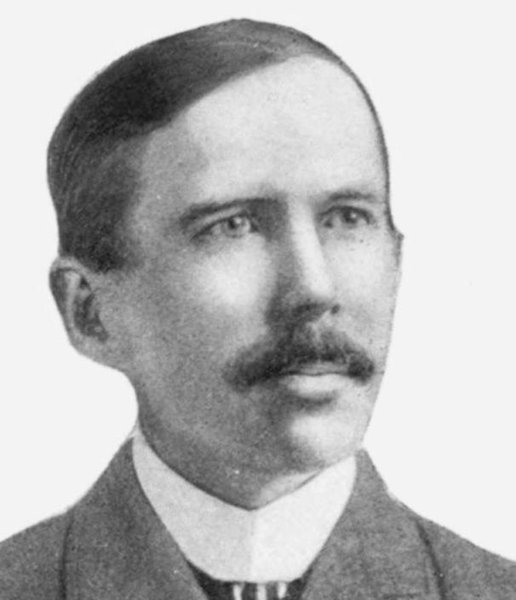
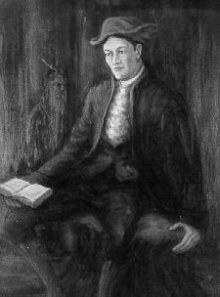
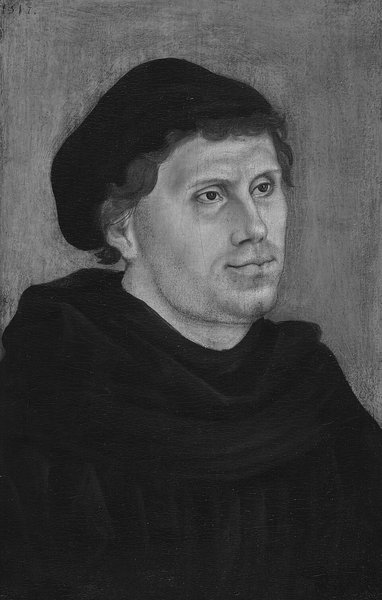
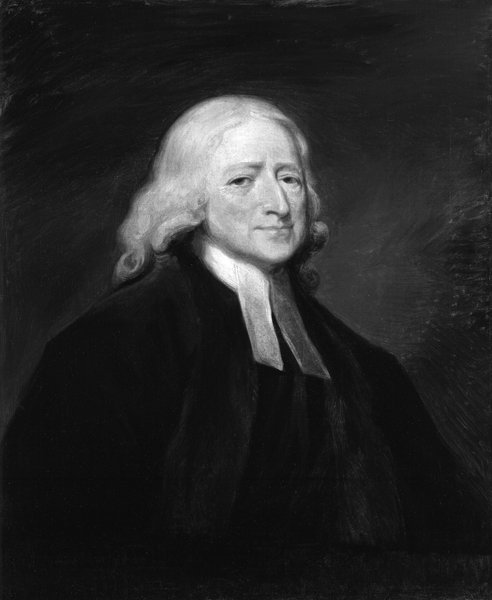
More like this




Cite this book
Copy a citation in the style you need.
- MLA
- Ochorus Originals. Men Who Moved Heaven. Ochorus, https://ochorus.com/books/men-who-moved-heaven/.
- Chicago
- Ochorus Originals. Men Who Moved Heaven. Ochorus. https://ochorus.com/books/men-who-moved-heaven/.
- Chicago footnote
- Ochorus Originals, Men Who Moved Heaven (Ochorus), https://ochorus.com/books/men-who-moved-heaven/.
- BibTeX
- @book{ochorusoriginalsmoved, author = {{Ochorus Originals}}, title = {{Men Who Moved Heaven}}, publisher = {Ochorus}, url = {https://ochorus.com/books/men-who-moved-heaven/} }