The Gospel Call
The oldest invitation there is — come, repent, believe. Preachers pleading with the unconverted, and the testimony of grace found by the chief of sinners.
Leading others through this? See Ochorus for evangelism and outreach
We pray you in Christ’s stead, be ye reconciled to God.
Sermons
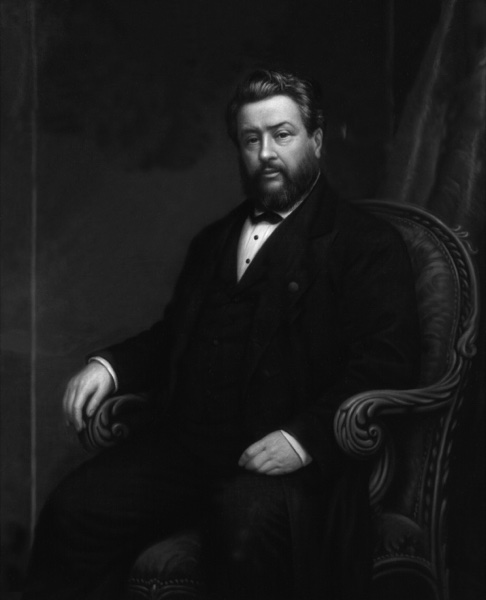 Sermon Christ Crucified
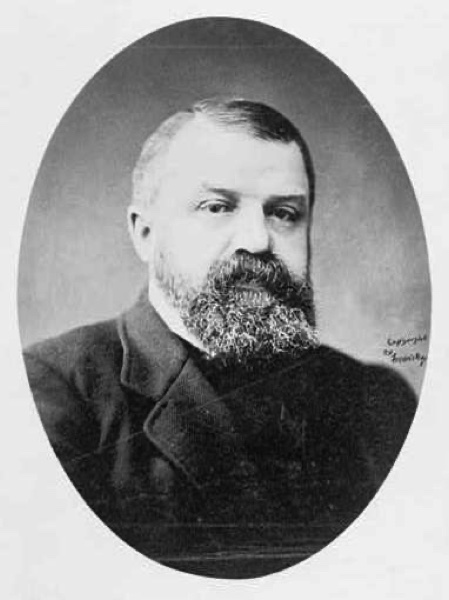 Sermon The New Birth
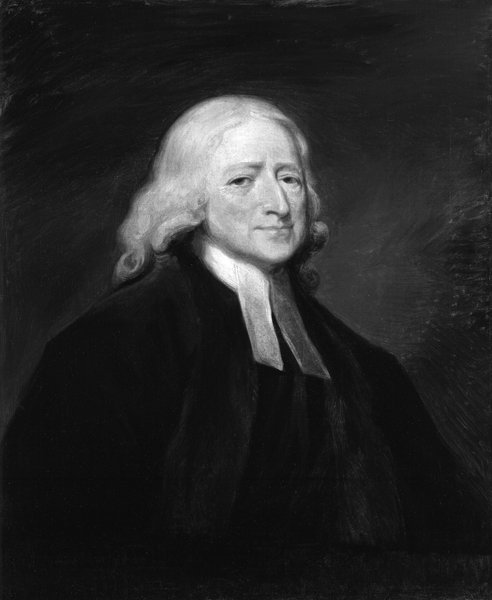 Sermon Salvation by Faith Sermon Come Thou and All Thy House into the Ark Sermon The Dying Thief Sermon The Ravens' Cry
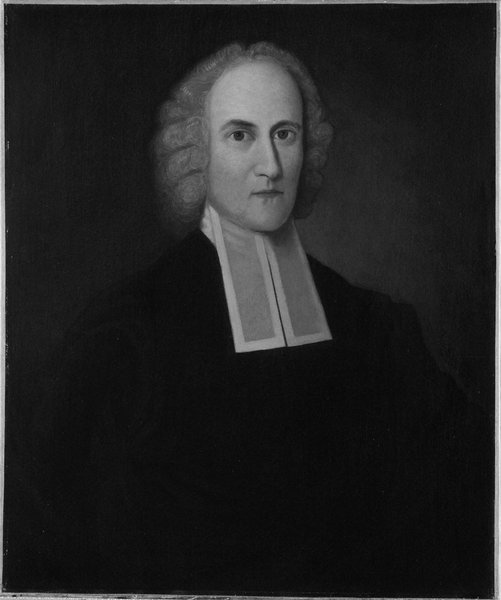 Sermon A Divine and Supernatural Light
 Sermon Are You Born Again?
 Sermon Come Unto Him
 Sermon Coming to the King
 Sermon Fall and Recovery of Man
 Sermon God's Love for a Sinning World Sermon Justification by Grace
 Sermon Marks of a True Conversion Sermon Naaman the Syrian Sermon One Word—"Gospel" Sermon Sinners Bound to Change Their Own Hearts Sermon Sinners in the Hands of an Angry God Sermon The Almost Christian
 Sermon The Good Way of Coming Before the Lord Sermon The Impressions of Natural Men Sermon The Lord Our Righteousness Sermon The Method of Grace Sermon The Right Kind of Faith Sermon The Sinner's Friend
Books






Articles








Authors
 Richard Baxter 1615–1691 Charles H. Spurgeon 1834–1892
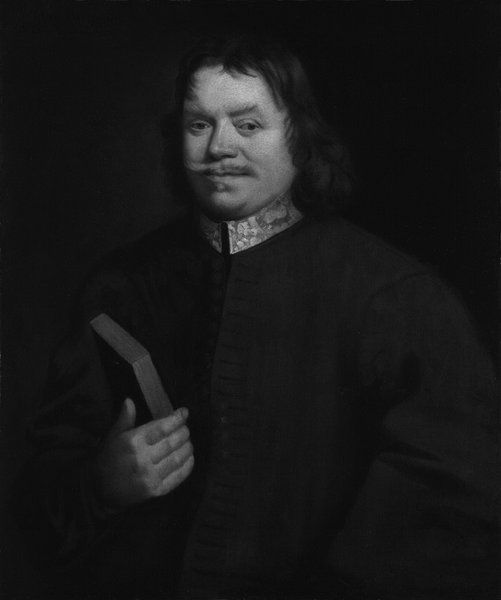 John Bunyan 1628–1688
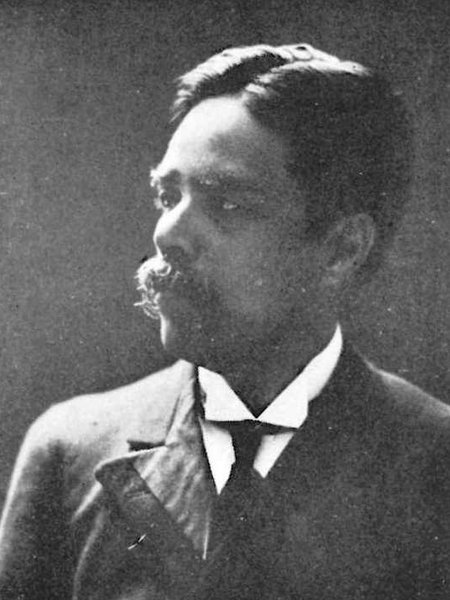 Kanzo Uchimura 1861–1930
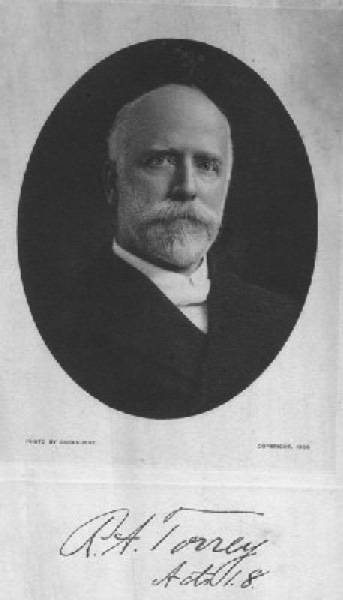 R. A. Torrey 1856–1928OO Ochorus Originals
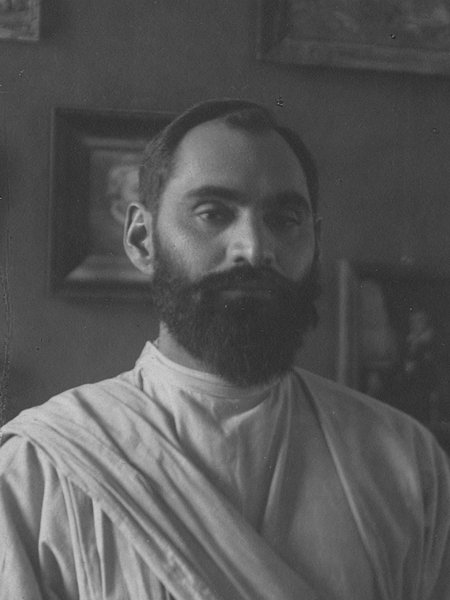 Sadhu Sundar Singh 1889–1929 Dwight L. Moody 1837–1899 John Wesley 1703–1791 Jonathan Edwards 1703–1758 J. C. Ryle 1816–1900 John Newton 1725–1807 Hudson Taylor 1832–1905 Christmas Evans 1766–1838 Charles G. Finney 1792–1875 George Whitefield 1714–1770 Robert Murray M’Cheyne 1813–1843
Questions and Answers
What is The Gospel Call collection about?
It gathers the oldest invitation there is — come, repent, believe — in preachers pleading with the unconverted and in the testimony of grace found by the chief of sinners. Its keynote is 2 Corinthians 5:20, "We pray you in Christ's stead, be ye reconciled to God": the shelf is aimed squarely at the reader who is not yet a Christian, or who longs to be and does not know where to begin.
Which works are included?
Among them are Richard Baxter's "A Call to the Unconverted," Spurgeon's "Around the Wicket Gate," John Bunyan's "Grace Abounding to the Chief of Sinners," and R. A. Torrey's "How to Bring Men to Christ" — books that press the gospel invitation home and show grace laying hold of real, resisting sinners.
What does 2 Corinthians 5:20 mean for the shelf?
"We pray you in Christ's stead, be ye reconciled to God" is the note of the whole collection — the gospel not merely explained but pleaded, God Himself entreating sinners through His preachers. It sets the tone: these are not detached treatises but appeals, addressed to the reader as one who still needs to come.
What is Bunyan's Grace Abounding?
John Bunyan's account of his own conversion — the years of terror, doubt, and half-heard verses that ran before "The Pilgrim's Progress." Unsparing about despair, it is one of the first books in English to describe an ordinary man's inner life from the inside, and it stands on the shelf as the testimony of grace found by one who reckoned himself the chief of sinners.
What is Baxter's A Call to the Unconverted?
Richard Baxter's earnest, tender pleading with those who have not yet turned to God — a book written, he said, as a dying man to dying men, urging the unconverted not to put off the one decision that matters. It is among the most direct of the shelf's appeals, and it moved many in its own century and long after to come to Christ.
What does the shelf teach about conversion?
That it is the free gift of God, received by repentance and faith, and that the invitation is genuinely open to all — the vilest sinner not excepted. Bunyan's own story proves it from the inside; Baxter and Spurgeon press it from the pulpit; and Torrey's "How to Bring Men to Christ" equips the reader to carry the same invitation to others.
Where should a reader begin?
Spurgeon's "Around the Wicket Gate" and Baxter's "A Call to the Unconverted" are the plainest entries for the seeker; Bunyan's "Grace Abounding" is the great testimony of grace laying hold of a despairing man; and Torrey's "How to Bring Men to Christ" is for the believer who wants to point others to the same door.
Why read these books today?
Because the oldest invitation is still open, and these writers issue it with a warmth and urgency that later ages rarely match. Whether the reader is seeking, doubting, or wanting to bring someone else, the shelf presses one thing: that God entreats sinners to be reconciled to Him, and that grace has laid hold of worse cases than yours.