Kitabu · 24 sura · saa 13 dakika 31 za kusoma
Mihadhara juu ya Uamsho wa Dini
Jinsi Uamsho Unavyokuja
Charles G. Finney · 1792–1875
Soma bila malipo·Hakuna akaunti inayohitajika
Dibaji ya Mhadhiri
Kuhusu kitabu hiki
Mihadhara ya Charles Finney ya mwaka 1835 kuhusu uamsho wa dini — nini uamsho ulivyo, jinsi ya kuukuza, maombi ya imani, na jinsi ya kuvuta roho kwa Kristo. Mafundisho ya moja kwa moja, yenye nguvu, kutoka kwa mwinjilisti mkuu wa Marekani.
Ikumbukwe, kwamba Mihadhara hii ilitolewa kwa kutaniko langu mwenyewe. Ilianzishwa bila mimi kuwa nimepanga mapema mpango wowote au muhtasari wake, nayo ilifuatwa, juma baada ya juma, kama vile somo moja lilivyoletea jingine kwa kawaida, na kadiri, kutoka mhadhara mmoja hadi mwingine, nilivyoona hali ya watu wetu ilivyoonekana kudai.
Yaliyomo
- 1 Dibaji ya Mhadhiri 5 dakika
- 2 Tangazo la Mnukuzi 2 dakika
- 3 Mhadhara wa I. Uamsho wa Dini ni Nini 23 dakika
- 4 Mhadhara wa II. Wakati Uamsho Unapopaswa Kutarajiwa 23 dakika
- 5 Mhadhara wa III. Jinsi ya Kukuza Uamsho 22 dakika
- 6 Mhadhara wa IV. Maombi Yenye Nguvu 36 dakika
- 7 Mhadhara wa V. Maombi ya Imani 28 dakika
- 8 Mhadhara wa VI. Roho ya Maombi 31 dakika
- 9 Mhadhara wa VII. Kuhusu Kujazwa na Roho 31 dakika
- 10 Mhadhara wa VIII. Mikutano ya Maombi 29 dakika
- 11 Mhadhara wa IX. Njia za Kutumiwa kwa Wenye Dhambi 27 dakika
- 12 Mhadhara wa X. Kuzivuta Roho Kwahitaji Hekima 32 dakika
- 13 Mhadhara wa XI. Mhudumu Mwenye Hekima Atafanikiwa 35 dakika
- 14 Mhadhara wa XII. Jinsi ya Kuhubiri Injili 51 dakika
- 15 Mhadhara wa XIII. Jinsi Makanisa Yanavyoweza Kuwasaidia Wahudumu 46 dakika
- 16 Mhadhara wa XIV. Njia za Kukuza Uamsho 45 dakika
- 17 Mhadhara wa XV. Vizuizi vya Uamsho 57 dakika
- 18 Mhadhara wa XVI. Ulazima na Matokeo ya Umoja 43 dakika
- 19 Mhadhara wa XVII. Faraja za Uongo kwa Wenye Dhambi 53 dakika
- 20 Mhadhara wa XVIII. Maelekezo kwa Wenye Dhambi 37 dakika
- 21 Mhadhara wa XIX. Maagizo kwa Walioongoka 52 dakika
- 22 Mhadhara wa XX. Maagizo kwa Wongofu 38 dakika
- 23 Mhadhara wa XXI. Aliyerudi Nyuma Moyoni 30 dakika
- 24 Mhadhara wa XXII. Kukua katika Neema 35 dakika
Maswali na Majibu
What is Lectures on Revivals of Religion about?
It is Charles Finney's famous series of lectures on revival — what a revival of religion is, when it may be expected, and how it may be promoted. Drawing on his own experience as an evangelist, Finney deals searchingly with prevailing prayer, the spirit of prayer, being filled with the Spirit, and the means he believed God uses to bring about seasons of spiritual awakening.
Who was Charles Finney?
Charles Grandison Finney was a nineteenth-century American revivalist and, later, a college president and theologian, one of the most influential and controversial figures of the Second Great Awakening. His revival campaigns drew great crowds, and these lectures, delivered and published in the 1830s, set out his understanding of how revivals come about.
What is Finney's view of how revivals happen?
Finney famously argued that a revival is not a miracle in the sense of being wholly outside the reach of means, but the right use of appropriate means under God — that if the church will meet the conditions, especially in prayer and repentance, revival may be expected. This emphasis on means and conditions was both influential and much debated.
Why has the book been controversial?
Because Finney's stress on human means and conditions in producing revival struck some as diminishing the sovereign, gracious work of God, and his theology on other points was disputed. Yet even critics have recognized the power of his call to prayer and holiness, and the lectures have shaped how many Christians think about seeking revival ever since.
What does Finney teach about prayer and revival?
That prevailing prayer and the spirit of prayer are central to revival — that God works in answer to the earnest, believing, persevering prayer of his people. Finney devotes searching attention to what such prayer is and what hinders it, treating a praying church as the great human condition God honours in sending times of awakening.
Is this book only of historical interest?
No — while it reflects its nineteenth-century setting and Finney's particular views, its searching treatment of prayer, repentance, and wholehearted seeking after God still challenges readers today. Many have found it a stirring call to examine the church's coldness and to pray earnestly for revival, whatever they make of Finney's theology of means.
Who should read this book?
Anyone interested in the history of revival and American religion, and any Christian burdened for spiritual awakening. It is essential for understanding the Second Great Awakening and Finney's influence, and it works as a bracing, if debated, summons to the prayer and seriousness that Finney believed revival requires.
Where should a reader begin?
At the beginning, with Finney's account of what a revival is and when it may be expected, since the later lectures build on that foundation. Delivered originally as lectures, the chapters read as direct addresses, so the book can be taken up in sequence and read as the earnest, practical appeals to the church that Finney meant them to be.
Soma kwa lugha yako
Vinavyofanana na hiki


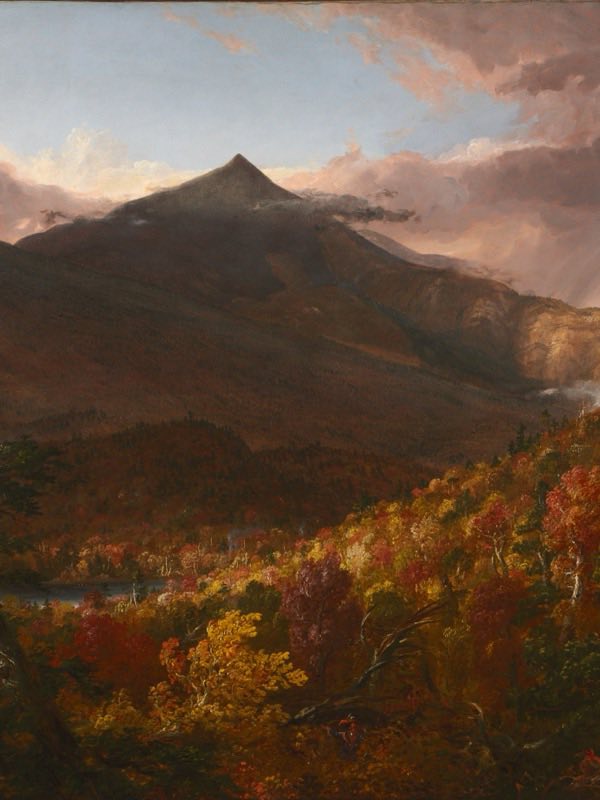
Thomas Cole, “View of Schroon Mountain, Essex County, New York, After a Storm” (1838). The Cleveland Museum of Art, CC0.