For Those Who Lead
A charge to shepherds and soul-winners — the pastor's care, the preacher's power in prayer, and how to bring men to Christ.
Leading others through this? See Ochorus for pastors and preachers
Feed the flock of God which is among you, taking the oversight thereof, not by constraint, but willingly.
Books


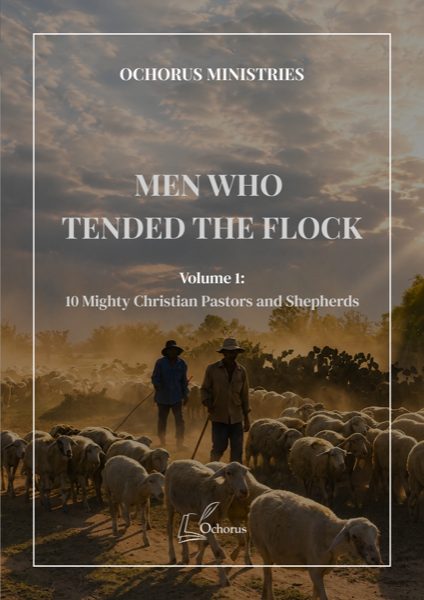

Authors
Questions and Answers
What is the For Those Who Lead collection about?
It gathers a charge to shepherds and soul-winners — the pastor's care, the preacher's power in prayer, and how to bring men to Christ. Its keynote is 1 Peter 5:2, "Feed the flock of God which is among you, taking the oversight thereof, not by constraint, but willingly": the shelf is aimed at those who lead in the church, pressing on them the weight and the willing spirit of true oversight.
Which works are included?
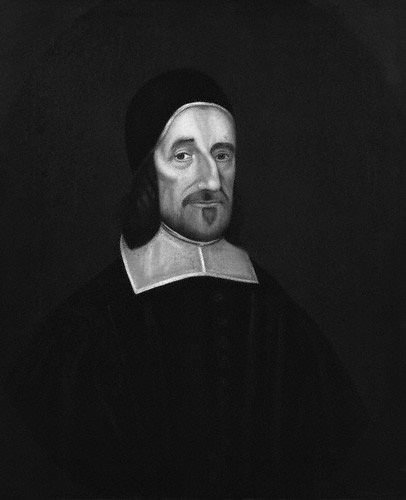
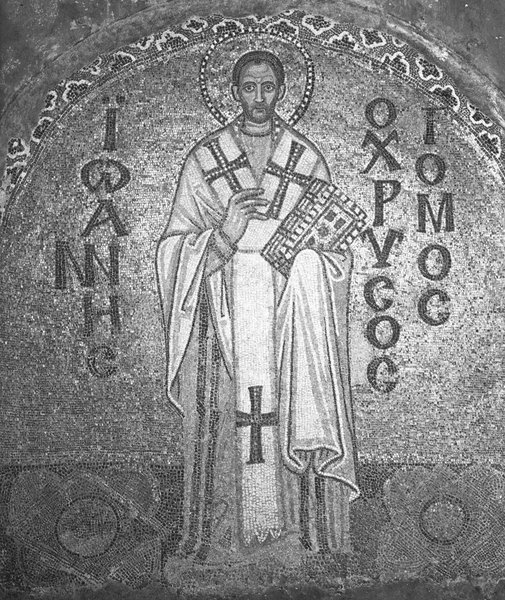
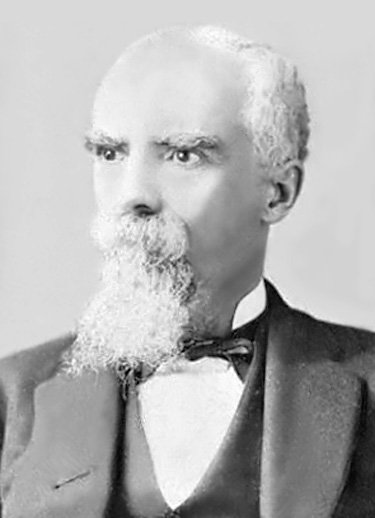
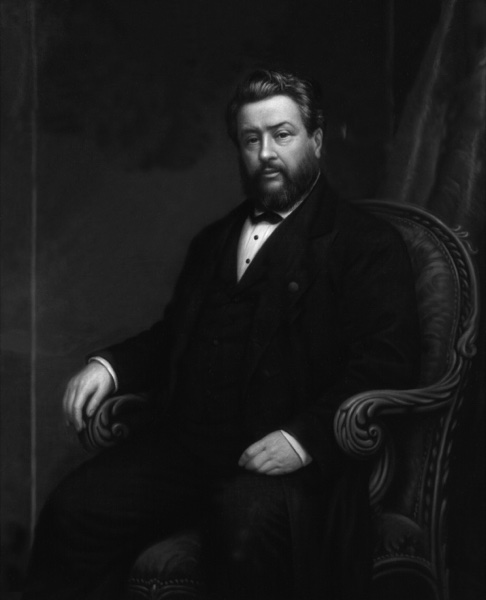
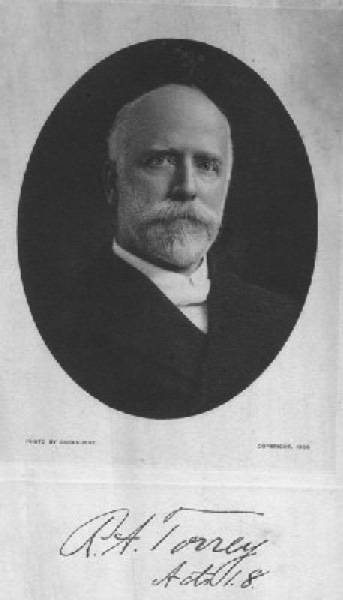
Among them are Richard Baxter's "The Reformed Pastor," John Chrysostom's "On the Priesthood," E. M. Bounds's "Power Through Prayer," R. A. Torrey's "How to Bring Men to Christ," and expositions of the fundamental doctrines of the faith — the classic charges to ministers and soul-winners across the centuries.
What does 1 Peter 5:2 mean for the shelf?
"Feed the flock of God which is among you, taking the oversight thereof, not by constraint, but willingly" is the charge under the whole collection — that leading in the church is shepherding, undertaken not for gain or by compulsion but willingly, as under the Chief Shepherd. It sets the tone: oversight as costly care, not office or status.
What does Baxter's The Reformed Pastor charge leaders with?
The personal, house-by-house instruction of every family in a parish — not sermon craft but knowing and caring for each soul. Baxter's searching argument is that a man who preaches to hundreds on Sunday and knows none of them the rest of the week has not done the job, and that the minister must attend to his own soul before he can attend to a flock.
What does the shelf say about the preacher and prayer?
E. M. Bounds's "Power Through Prayer" presses the point the collection returns to: that the power of a ministry lies not in machinery or method but in praying men. "What the Church needs," Bounds wrote, "is not more machinery or better... but men whom the Holy Spirit can use — men of prayer, men mighty in prayer" — a charge to every leader to be, first, an intercessor.
What does On the Priesthood add?
John Chrysostom's early-church classic is the most searching book on pastoral ministry the ancient church produced — arguing that the work is so weighty, and the soul of the man who does it so exposed, that fleeing from it may be the sanest response. It brings to the shelf a sober reckoning of the danger and dignity of leading souls.
Where should a reader begin?
Baxter's "The Reformed Pastor" is the essential charge on pastoral care; Bounds's "Power Through Prayer" presses the leader toward the closet before the pulpit; and Torrey's "How to Bring Men to Christ" equips the soul-winner. Together they set out the care, the prayer, and the aim of those who lead.
Why read these books today?
Because leadership in the church is easily reduced to management or performance, and these writers recover it as shepherding under the Chief Shepherd — costly, prayerful, and personal. They make uncomfortable reading for those who lead, which is exactly what their authors intended, and they steady anyone charged with the care of souls.