The Grace of God
Grace from first to last — free, sovereign and sufficient, abounding to the chief of sinners and holding the weakest saint.
Leading others through this? See Ochorus for new believers
For by grace are ye saved through faith; and that not of yourselves: it is the gift of God.
Book Series
Books





Authors
Questions and Answers
What is The Grace of God collection about?
It gathers books on grace from first to last — free, sovereign, and sufficient, abounding to the chief of sinners and holding the weakest saint. Its keynote is Ephesians 2:8, "For by grace are ye saved through faith; and that not of yourselves: it is the gift of God": the shelf's whole burden is that salvation is God's free gift, owed to no merit of ours.
Which works are included?
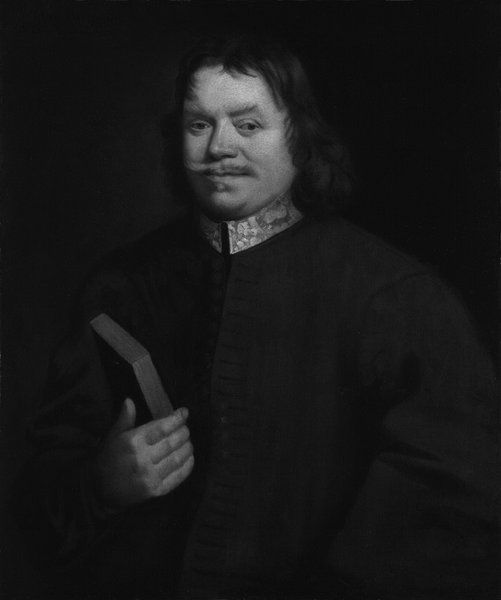
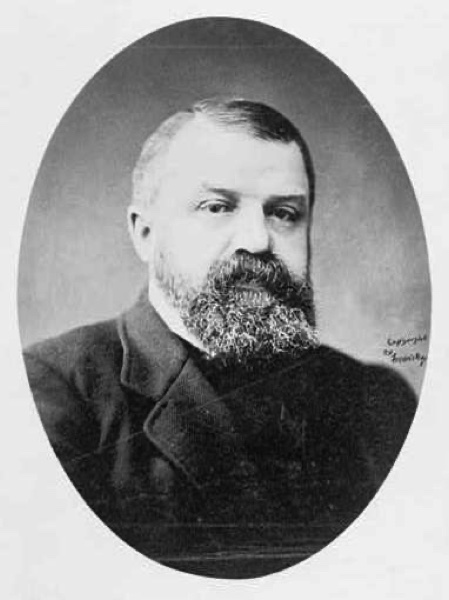
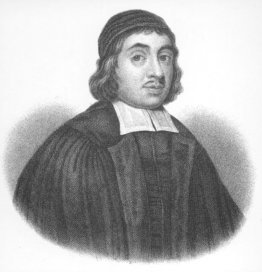
Among them are Spurgeon's "All of Grace," John Bunyan's "Grace Abounding to the Chief of Sinners," Andrew Murray's "The Way to God," and Thomas Watson's "All Things for Good" — works that set out grace as free at the start, sufficient in the trial, and faithful to the end.
What does Ephesians 2:8 mean for the shelf?
"For by grace are ye saved through faith; and that not of yourselves: it is the gift of God" is the verse under the whole collection, and the argument of its central book. It sets grace as pure gift — if any part of salvation were owed to the reader's own improvement, the reader would be lost, which is precisely why grace must be free from first to last.
What is Bunyan's Grace Abounding?
John Bunyan's account of his own conversion — the years of terror, doubt, and half-heard verses before "The Pilgrim's Progress" — subtitled "the Chief of Sinners" because he reckoned himself the worst case grace ever saved. It is the shelf's great inside view of grace laying hold of a despairing man, and proof that no one is beyond its reach.
What does All of Grace teach?
Spurgeon's "All of Grace" is the plainest statement on the shelf: that God justifies the ungodly, that salvation is by grace through faith and not by works, and that even repentance and faith are themselves God's gifts. Written for the seeker who fears he is too far gone, it presses one invitation — come to Christ just as you are, for grace is all of God.
How does the shelf show grace in trial?
Thomas Watson's "All Things for Good" carries grace past conversion into affliction — arguing from Romans 8:28 that the very providences which seem to wreck a life are, in God's hands, working together for the believer's good. Grace, the shelf insists, not only saves the sinner freely but holds the saint faithfully, sweetening even the bitter with inward peace.
Where should a reader begin?
Spurgeon's "All of Grace" is the place to start for the free offer of salvation; Bunyan's "Grace Abounding" for the testimony of grace found by the chief of sinners; and Watson's "All Things for Good" for grace that sustains in suffering. Together they trace grace from first to last.
Why read these books today?
Because the human heart keeps trying to earn what can only be given, and these writers keep returning the reader to grace — free at the start, sufficient in the trial, faithful to the end. They answer both the despair of the sinner and the anxiety of the saint with one word: that salvation is the gift of God, and not of ourselves.