On Prayer
Learning to pray — and to keep praying. The classics on the inner life of prayer, from the secret place to prevailing intercession.
Leading others through this? See Ochorus for prayer groups
Call unto me, and I will answer thee, and shew thee great and mighty things, which thou knowest not.
Books






Sermons
 Sermon The Golden Key of Prayer Sermon Order and Argument in Prayer Sermon Paul's First Prayer
 Sermon Do You Pray?
 Sermon Intercession Every Christian's Duty
 Sermon Prevailing Prayer Sermon The Spirit of Prayer
 Sermon In Everything by Prayer Sermon The Praying Church
 Sermon Practical Prayer Sermon The Spirit of Prayer
Articles

Authors
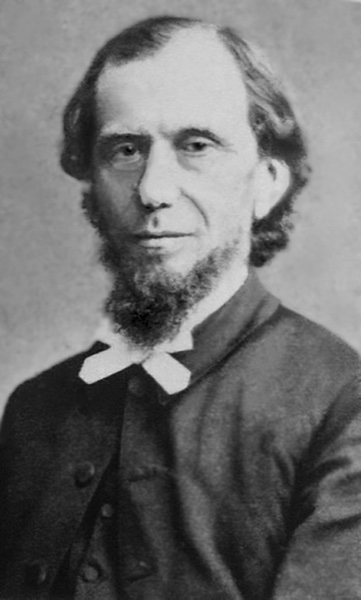 Andrew Murray 1828–1917 Charles H. Spurgeon 1834–1892
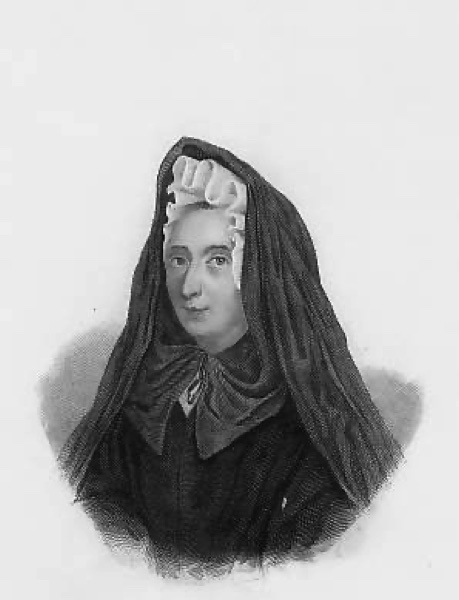 Jeanne Guyon 1648–1717
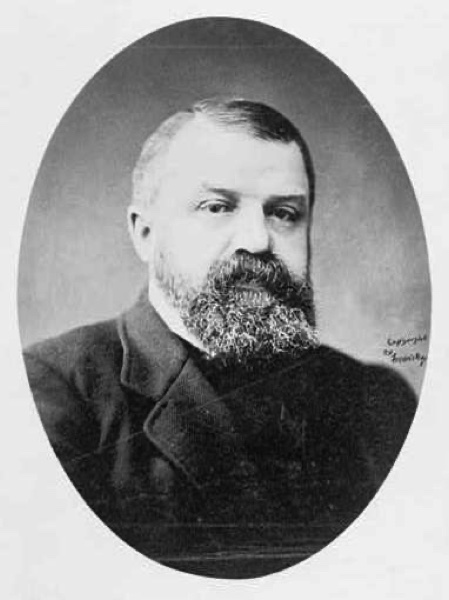 Dwight L. Moody 1837–1899
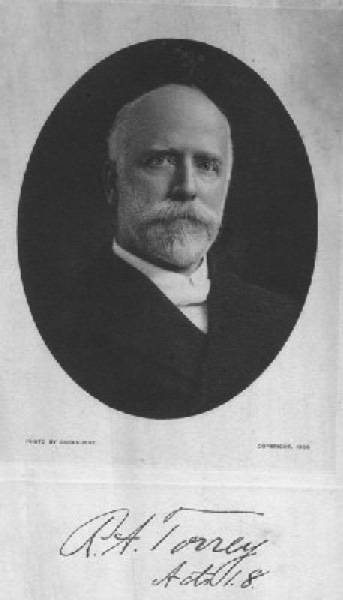 R. A. Torrey 1856–1928
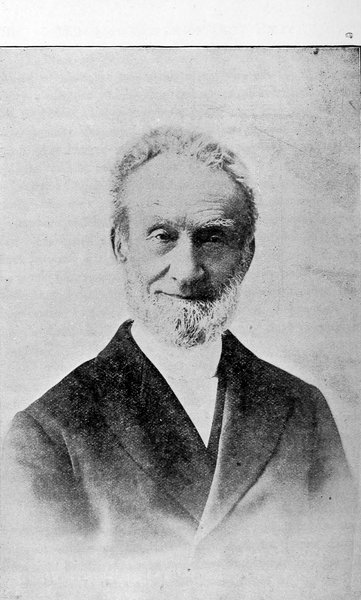 George Müller 1805–1898OO Ochorus Originals
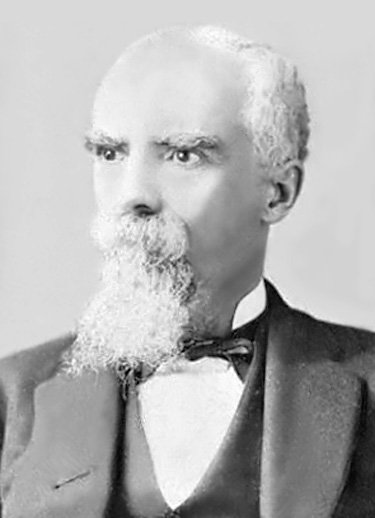 E. M. Bounds 1835–1913HB Hannah Buyinza
 Brother Lawrence 1614–1691 J. C. Ryle 1816–1900 George Whitefield 1714–1770 Charles G. Finney 1792–1875 A. W. Tozer 1897–1963 A. B. Simpson 1843–1919
Questions and Answers
What is the On Prayer collection?
It gathers the Christian classics on the inner life of prayer — learning to pray, and learning to keep praying, from the secret place of private devotion to prevailing intercession for others. The shelf ranges from gentle beginners' guides to bracing calls to persevere, and takes as its keynote the promise of Jeremiah 33:3: "Call unto me, and I will answer thee, and shew thee great and mighty things, which thou knowest not."
Which classic works on prayer are included?
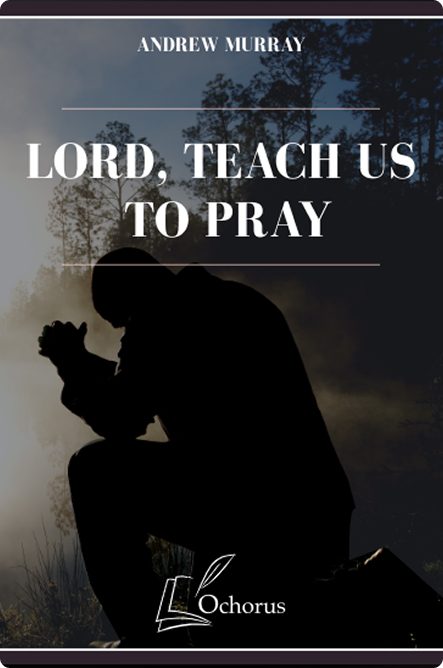
Among them are Andrew Murray's "The Inner Chamber" and "Lord, Teach Us to Pray," Spurgeon's teaching on prayer and his "Cheque Book of the Bank of Faith," Jeanne Guyon's "A Short and Easy Method of Prayer," E. M. Bounds on prevailing and persistent prayer, George Müller's "Answers to Prayer," and Andrew Murray's "The Ministry of Intercession" — a spread across centuries and traditions united by a single subject.
Where should a beginner start?
Andrew Murray's "Lord, Teach Us to Pray" and "The Inner Chamber" are gentle, practical starting points that assume you are learning. From there, Guyon draws the reader toward contemplative prayer of the heart, E. M. Bounds presses the urgency and cost of intercession, and George Müller's record of answered prayer builds confidence that God hears — so the shelf can be walked from first steps toward a settled life of prayer.
What is intercessory or prevailing prayer?
It is praying through to an answer and standing in the gap for others rather than only for oneself — the persistent, believing prayer the shelf's authors treat as every Christian's calling. E. M. Bounds and Watchman Nee especially press it: that God has chosen to work through the prayers of his people, so that intercession is real labour with real effect, not a formality.
What does the shelf teach about unanswered prayer?
It answers discouragement with both realism and hope. George Müller's "Answers to Prayer" records decades of specific requests met by God, while the whole collection urges persistence on the ground of Jeremiah 33:3 — that God invites us to call and promises to answer. The classics distinguish delay from denial and teach the believer to keep asking, aligning the will with God's rather than abandoning the request.
What is the "secret place" or inner chamber?
It is the practice of private, hidden prayer — withdrawing from the noise of the day to meet God alone, as Jesus taught his disciples to enter the closet and shut the door. Andrew Murray's "The Inner Chamber" is the shelf's fullest treatment of it: that the strength of all public and intercessory prayer is drawn from this unseen, personal communion with God.
Which authors are represented in the collection?
The shelf draws together Andrew Murray, Charles Spurgeon, Jeanne Guyon, E. M. Bounds, George Müller and Watchman Nee, among others — Reformed and Wesleyan, Victorian and modern, Western and Chinese. What unites such different writers is a shared conviction that prayer is the pulse of the Christian life and that it can be learned.
Why read old books on prayer today?
Because the difficulty of prayer has not changed, and these writers faced it honestly — dryness, distraction, delay, and the temptation to give up. Tested across generations, their counsel is practical rather than sentimental, and it consistently points past technique to the God who says, "Call unto me, and I will answer thee." They teach not a method to master but a relationship to keep.