- 17 chapters
- 1 hr 26 min read
- Moderate Reading difficulty
Free to read·No account needed
Introduction
Taking books where there’s no signal? See Ochorus for missionaries or chaplains
About this book
Men of Prayer: Fifteen Voices That Changed the World calls pastors, teachers, and Christian leaders everywhere back to the secret place of power. Through the lives of fifteen men whose prayers shaped history, this book reveals how God works through humble and persistent intercession.
Andrew Murray was born on 9 May 1828 in Graaff Reinet, South Africa, the son of a Dutch Reformed Church missionary from Scotland. When he was ten years old, he and his brother John were sent to Scotland for their education, where they were deeply influenced by revivalist preachers like William Burns.
Contents
- 1 Introduction 5 min
- 2 Andrew Murray (1828 – 1917) 5 min
- 3 Charles Spurgeon (1834 – 1892) 5 min
- 4 Watchman Nee (1903 – 1972) 5 min
- 5 D. L. Moody (1837 – 1899) 5 min
- 6 R. A. Torrey (1856 – 1928) 5 min
- 7 E. M. Bounds (1835 – 1913) 5 min
- 8 Jonathan Edwards (1703 – 1758) 5 min
- 9 Charles Finney (1792 – 1875) 5 min
- 10 Rees Howells (1879 – 1950) 5 min
- 11 Billy Graham (1918 – 2018) 4 min
- 12 Henry Blackaby (1935 – 2024) 4 min
- 13 Bill Bright (1921 – 2003) 5 min
- 14 Loren Cunningham (1935 – 2023) 4 min
- 15 Derek Prince (1915 – 2003) 4 min
- 16 Timothy Keller (1950 – 2023) 5 min
- 17 Conclusion 10 min
Questions and Answers
What is Men of Prayer about?
It gathers the lives of fifteen men whose prayers shaped history, calling pastors, teachers, and Christian leaders back to the secret place of power. Through their stories the book shows how God has worked through humble, persistent intercession, and presses the reader to recover prayer as the hidden source of all fruitful ministry and spiritual influence.
What is the book's central message?
That the great work of any Christian leader is done first in secret, on their knees — that God shapes history through praying men rather than through gifted or powerful ones. By holding up fifteen examples, the book argues that prayer is the real engine of spiritual power, and calls the reader back to the secret place from which that power flows.
Who are the 'fifteen voices' it draws on?
The book gathers fifteen men across church history whose lives were marked by extraordinary prayer — the kind of intercessors whose hidden praying bore visible fruit in revival, mission, and ministry. Rather than argue for prayer in the abstract, it lets these fifteen lives make the case, drawing from each the lessons of a life given to intercession.
Who is the book written for?
Pastors, teachers, and Christian leaders especially, but any believer who senses that their ministry or life lacks spiritual power. The book is a summons back to the secret place, and it speaks to anyone who has trusted in ability, activity, or method rather than in prayer, calling them to the hidden work of intercession.
Why focus on the lives of praying men rather than teaching on prayer?
Because example teaches what argument alone cannot. By showing men whose prayers plainly shaped history, the book makes prayer concrete and compelling, and stirs the reader not only to understand its importance but to imitate it. The lives prove the point that the teaching states — that God works mightily through those who pray.
What does the book say made these men effective?
Not wealth, position, or natural gifts, but humble and persistent prayer. The book's repeated lesson is that these men moved things in the unseen realm first, and that their public usefulness flowed from their hidden intercession — so that the secret of their influence was available to any believer willing to pray as they prayed.
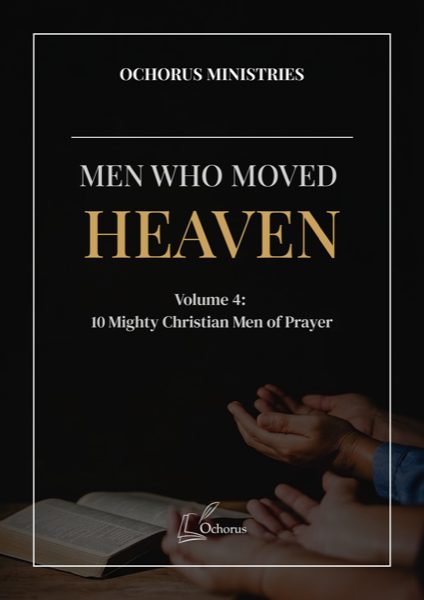
How does this relate to the companion 'Men Who Moved Heaven'?
The two belong together and overlap in theme, both holding up men whose prayers changed the course of events. Men of Prayer frames its fifteen as a call to leaders to return to the secret place; Men Who Moved Heaven presses the same truth that history is shifted by intercession rather than by earthly power, and the two reinforce one another.
Where should a reader begin?
At the beginning, or with whichever life draws them, since each chapter stands largely on its own — but the book is meant to be read as a sustained call back to prayer. Taken together, the fifteen lives build a cumulative summons to the secret place, best read prayerfully and turned into a renewed life of intercession.
Read in your language
People in this book
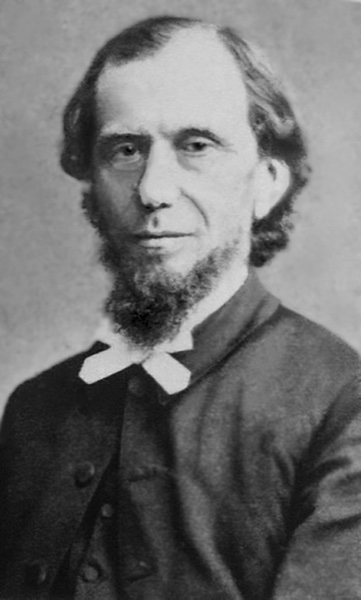 Andrew Murray 1828–1917
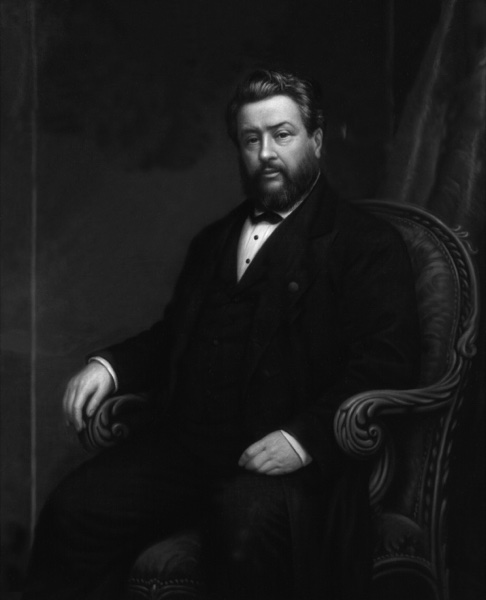 Charles H. Spurgeon 1834–1892
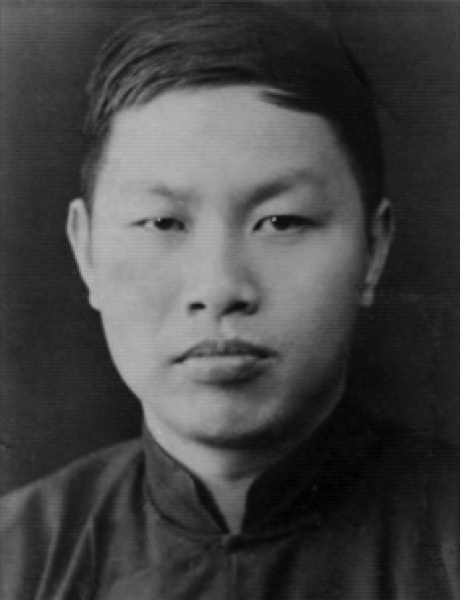 Watchman Nee 1903–1972
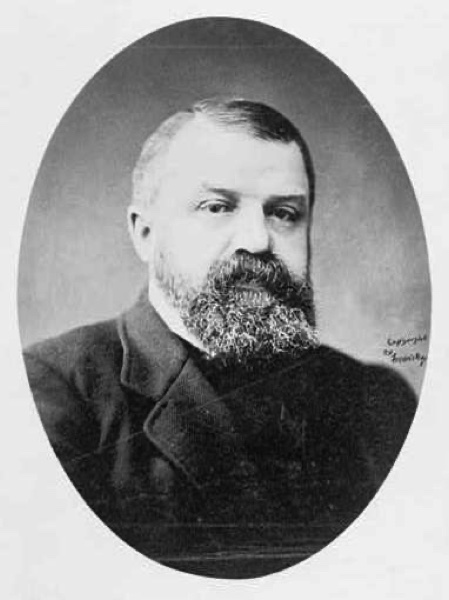 Dwight L. Moody 1837–1899
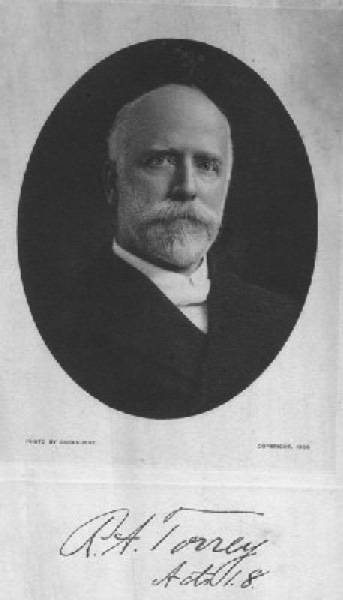 R. A. Torrey 1856–1928
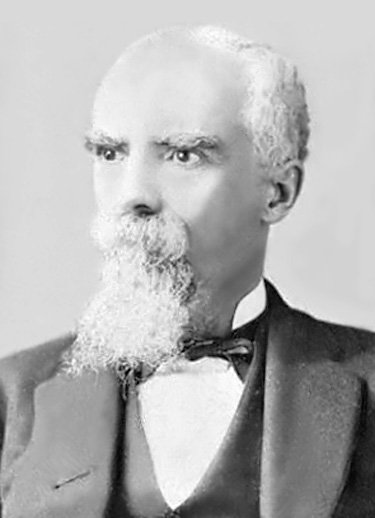 E. M. Bounds 1835–1913
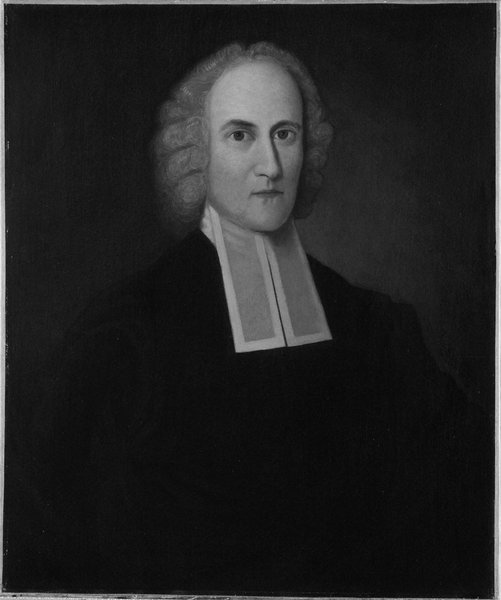 Jonathan Edwards 1703–1758
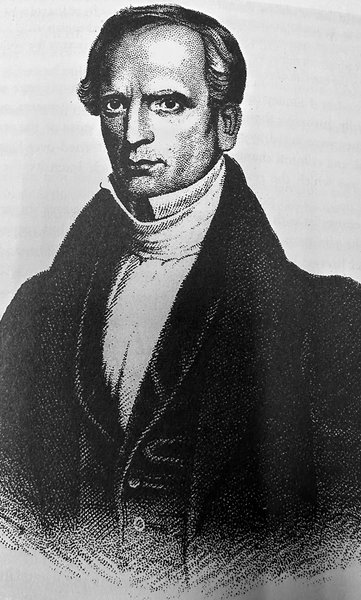 Charles G. Finney 1792–1875
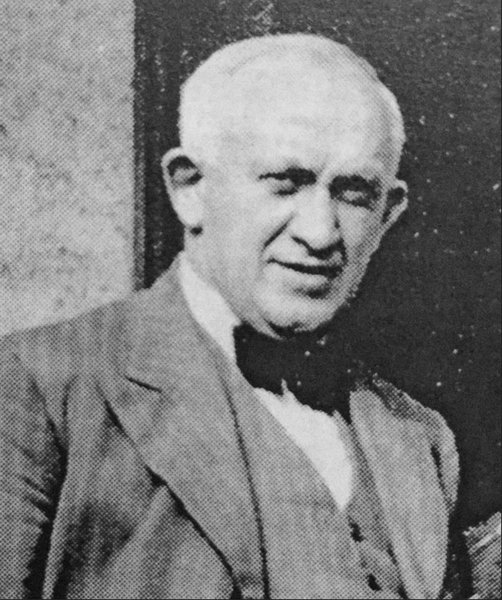 Rees Howells 1879–1950
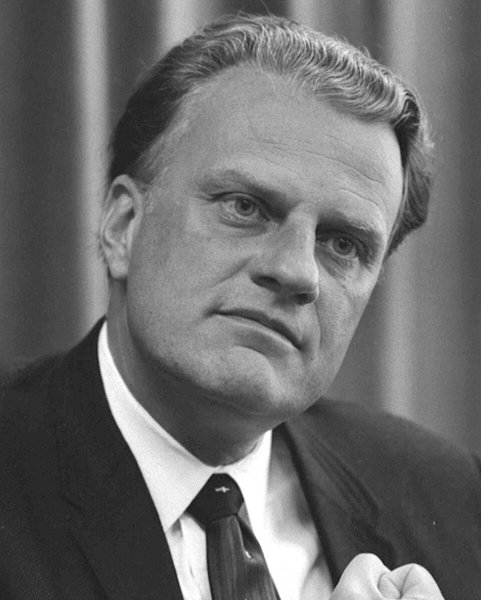 Billy Graham 1918–2018
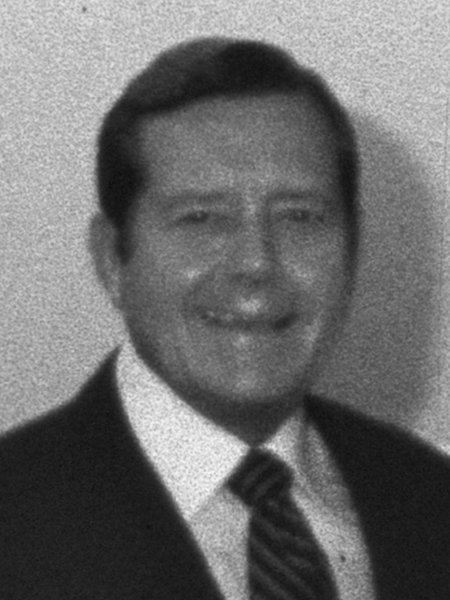 Bill Bright 1921–2003
 Loren Cunningham 1935–2023
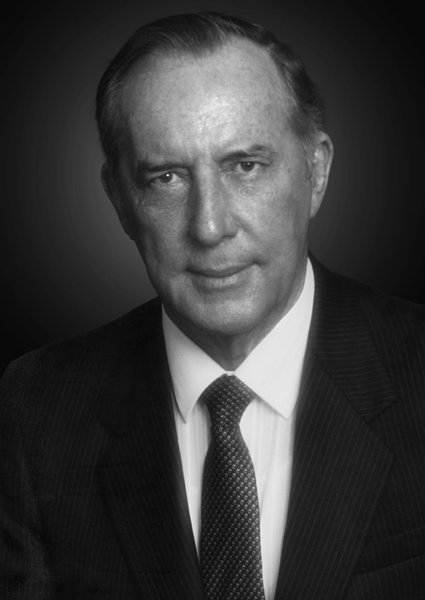 Derek Prince 1915–2003
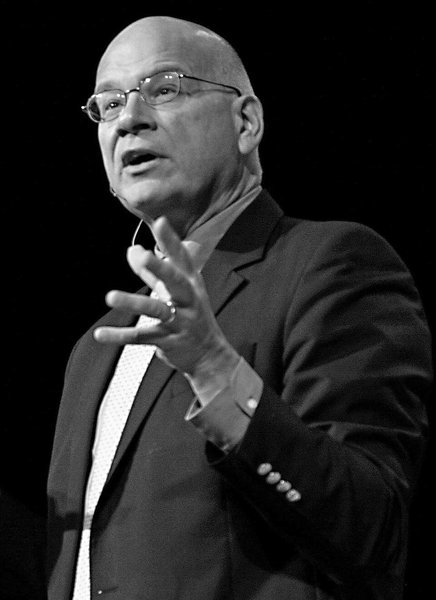 Timothy Keller 1950–2023
More like this
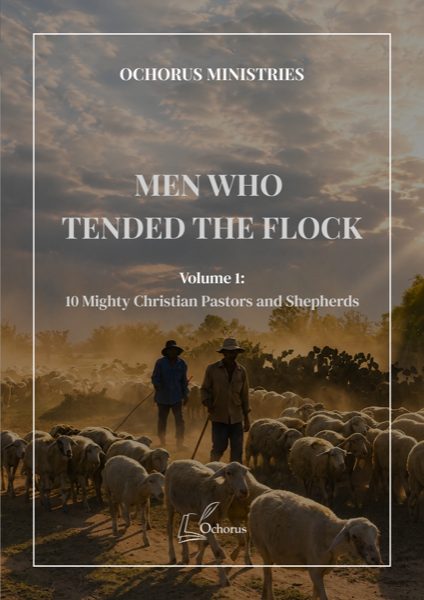
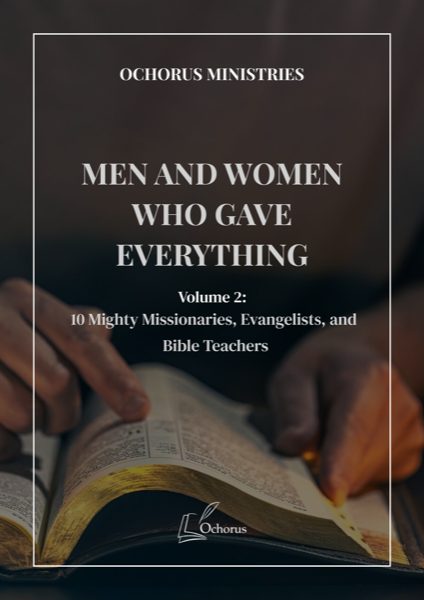



Cite this book
Copy a citation in the style you need.
- MLA
- Ochorus Originals. Men of Prayer. Ochorus, https://ochorus.com/books/men-of-prayer-2/.
- Chicago
- Ochorus Originals. Men of Prayer. Ochorus. https://ochorus.com/books/men-of-prayer-2/.
- Chicago footnote
- Ochorus Originals, Men of Prayer (Ochorus), https://ochorus.com/books/men-of-prayer-2/.
- BibTeX
- @book{ochorusoriginalsprayer, author = {{Ochorus Originals}}, title = {{Men of Prayer}}, publisher = {Ochorus}, url = {https://ochorus.com/books/men-of-prayer-2/} }