The East African Revival
Tukutendereza Yesu — the awakening that ran from a Kampala hillside through six countries and most of a century, and the walk in the light it taught.
Leading others through this? See Ochorus for African churches
But if we walk in the light, as he is in the light, we have fellowship one with another, and the blood of Jesus Christ his Son cleanseth us from all sin.
Books




Authors
Questions and Answers
What was the East African Revival?
It was a movement of spiritual awakening that ran from a hillside near Kampala through some six countries and across most of the twentieth century. Beginning among Anglican missionaries and African believers in the Rwanda–Uganda region in the 1930s, it spread through East Africa and beyond, marked by open confession of sin, reconciliation, and joyful public praise, and it shaped generations of Christians across the region.
What does "Tukutendereza Yesu" mean?
It is the Luganda phrase meaning "We praise You, Jesus," the opening of the hymn that became the anthem of the revival. Sung across languages and borders, it distilled the movement's spirit — grateful, cross-centred praise for cleansing by the blood of Jesus — and it gave the whole awakening its recognisable voice wherever it spread.
What is "walking in the light"?
It is the revival's central practice, drawn from 1 John 1:7: "if we walk in the light, as he is in the light, we have fellowship one with another, and the blood of Jesus Christ his Son cleanseth us from all sin." In practice it meant keeping short accounts with God and neighbour through immediate, open confession of sin and quick reconciliation, so that fellowship stayed unbroken and joy remained fresh.
Which books cover the revival?
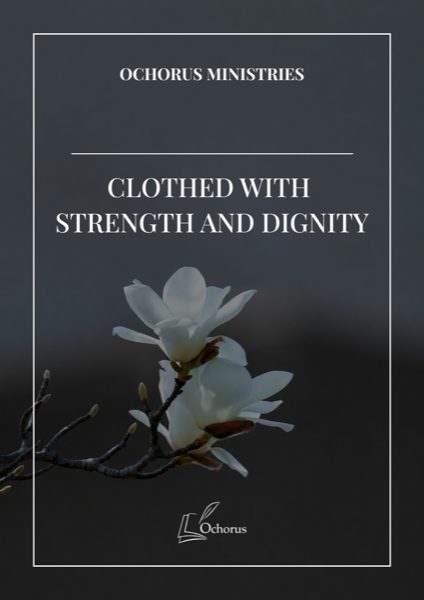
The shelf includes "A Hidden Fire" and "Tukutendereza," along with "Clothed with Strength and Dignity," "Rise Up, Men of God," and "Prayer, the Pulse of Life" — works that tell the movement's story and carry forward the teaching on the walk in the light, repentance and reconciliation that were its heart.
Who were the Balokole, the "saved ones"?
Balokole is the Luganda word for "saved ones," the name given to those transformed by the revival. They were known for continual repentance, open confession, and irrepressible joy — believers who insisted that a Christian must walk continually in the light of the cross, keeping nothing hidden, and whose changed lives and fellowship carried the awakening from place to place.
How is the East African Revival distinctive?
Unlike a brief campaign, it was a sustained culture of revival that lasted for decades and crossed many nations, and it was largely carried by African believers themselves rather than driven from outside. Its emphasis fell not on dramatic signs but on the ordinary, costly disciplines of confession, reconciliation and daily walking in the light — which is why its influence proved so durable.
What can readers learn from it today?
Its enduring lesson is the practice of walking in the light: bringing sin into the open before God and others quickly, seeking reconciliation without delay, and keeping short accounts so that fellowship and joy are not lost. The revival shows that awakening is sustained less by excitement than by continual repentance and honesty within a community of believers.
What role did praise and fellowship play?
They were central. The revival was audibly joyful — "Tukutendereza Yesu" rang through its gatherings — and its life was corporate, lived out in small fellowships where believers confessed to one another and encouraged one another. Praise expressed gratitude for cleansing by the blood, and fellowship was the setting in which walking in the light was actually practised.