

Book
Tukutendereza
Lives from the East African Revival
- 14 chapters
- 53 min read
- Moderate Reading difficulty
Free to read·No account needed
Introduction: The Song That Names the Movement
Taking books where there’s no signal? See Ochorus for missionaries or chaplains
About this book
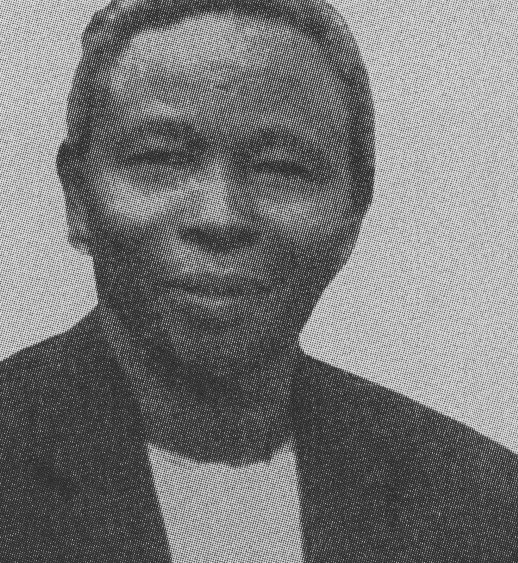
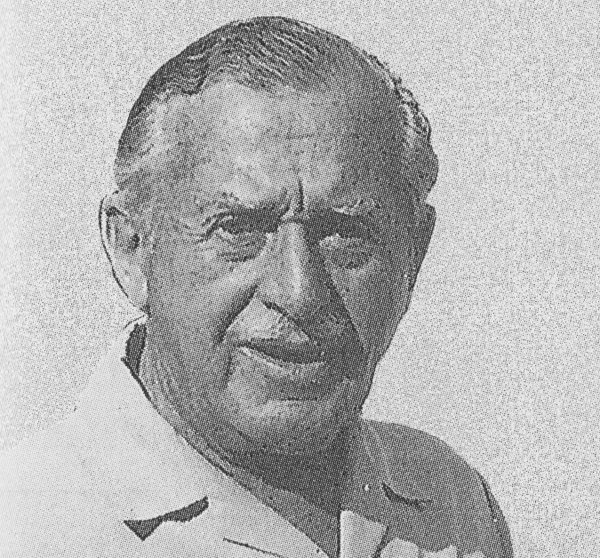
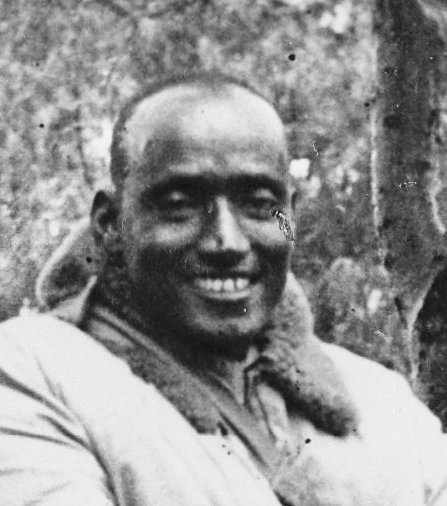
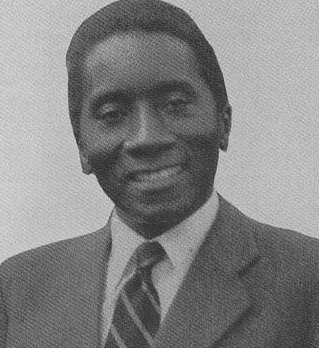
In 1929 a Ugandan health officer asked an exhausted English doctor what was missing — in himself, and in the church. What followed ran for most of a century through six countries and was called the Balokole, the saved ones. Ten lives and two themes from that movement: the layman who set it off, the doctor who had nothing left, the man who dressed wounds, the deacon who died at twenty-six with one word, the archbishop who waited twenty-seven years, the deacon who sang on his way to be shot, the evangelist who wrote his enemy's name on a book about love, the archbishop who went to the meeting anyway — and the women whose names the records did not keep. Each chapter tells the life, draws out what it teaches, and ends in prayer.
Simeon Nsibambi (1897–1978) was a public health officer in Kampala — a sanitation man in the capital of a kingdom that had become Christian at extraordinary speed a generation before he was born. He was married to Eva Bakaluba, they would have twelve children, and by his early thirties he had everything Buganda's new elite thought worth having.
Contents
- 1 Introduction: The Song That Names the Movement 4 min
- 2 Simeon Nsibambi — The Man Who Set Others Alight 5 min
- 3 Joe Church — The Doctor with Nothing Left 4 min
- 4 Yosiya Kinuka — The Man Who Dressed Wounds 4 min
- 5 Blasio Kigozi — Zukuka! Awake! 4 min
- 6 William Nagenda — The Preacher Who Sailed the Other Way 4 min
- 7 Erica Sabiti — Ordained Six Years Before He Was Filled 4 min
- 8 Yona Kanamuzeyi — “We Are Going to Heaven” 3 min
- 9 Festo Kivengere — The Man Who Named His Enemy 4 min
- 10 Janani Luwum — The Archbishop Who Went to the Meeting 3 min
- 11 Lawrence Barham — The Missionary His Students Converted 4 min
- 12 The Women of the Revival — The Half We Cannot Name 4 min
- 13 Tukutendereza Yesu — Four Lines as a Theology 4 min
- 14 What the Revival Asks of Us 4 min
Questions and Answers
What is Tukutendereza about?
It gathers ten lives and two themes from the East African Revival — the movement known as the Balokole, the 'saved ones' — which ran for most of a century through six countries after a Ugandan health officer, in 1929, asked an exhausted English doctor what was missing in himself and in the church. Each chapter tells one life, draws out what it teaches, and ends in prayer.
What does 'Tukutendereza' mean?
It is the opening word of the beloved revival hymn of the Balokole — 'Tukutendereza Yesu,' meaning 'We praise you, Jesus' — sung across East Africa throughout the movement, often at moments of repentance, reconciliation, and even martyrdom. The book takes it as its title because that song of praise runs through the lives it tells, expressing the heart of the revival.
Who were the Balokole?
The Balokole — the 'saved ones' — were the people of the East African Revival, a movement marked by open confession of sin, repentance, reconciliation, and joyful assurance of salvation. Beginning in Uganda and Rwanda around 1929, it spread across six countries over most of a century, transforming churches and lives and producing a fellowship known for its honesty and its singing.
Whose lives does the book tell?
Figures of the revival: the layman who set it off, the doctor who had nothing left, the man who dressed wounds, the deacon who died at twenty-six with one word, the archbishop who waited twenty-seven years, the deacon who sang on his way to be shot, the evangelist who wrote his enemy's name in a book about love, the archbishop who went to the meeting anyway — and the women whose names the records did not keep.
What are the 'two themes' it draws out?
The book follows two threads running through the movement's lives — woven through the twelve stories it tells. Rather than treat the revival only as history, it uses these recurring themes to show what the Balokole movement teaches about the Christian life, drawing each life toward a lesson and a prayer for the reader.
Why does it note 'the women whose names the records did not keep'?
Because the book is honest about the limits of the record. Women were vital to the revival, yet many of their names went unrecorded, and the book deliberately acknowledges this rather than passing over it — a mark of the same restraint that keeps it close to what the sources actually hold, honouring those the histories overlooked.
How does each chapter work?
Each tells one life from the revival, draws out what that life teaches, and ends in prayer. So the book is devotional as well as historical: it does not merely recount the Balokole story but turns each life on the reader, letting the courage, repentance, and faith of these men and women lead into the reader's own prayer.
How does it relate to A Hidden Fire?
Both are companion readings on the East African Revival and overlap. A Hidden Fire tells at length the single life of Simeon Nsibambi, the layman who sparked the movement; Tukutendereza widens the lens to ten lives across the whole Balokole movement. Together they give both the spark and the sweep of the revival.
Read in your language
People in this book


More like this



Cite this book
Copy a citation in the style you need.
- MLA
- Ochorus Originals. Tukutendereza. Ochorus, https://ochorus.com/books/tukutendereza/.
- Chicago
- Ochorus Originals. Tukutendereza. Ochorus. https://ochorus.com/books/tukutendereza/.
- Chicago footnote
- Ochorus Originals, Tukutendereza (Ochorus), https://ochorus.com/books/tukutendereza/.
- BibTeX
- @book{ochorusoriginalstukutendereza, author = {{Ochorus Originals}}, title = {{Tukutendereza}}, publisher = {Ochorus}, url = {https://ochorus.com/books/tukutendereza/} }